
Introduction
Foam is one of the most versatile materials used today, found in a wide range of products, from sports equipment to packaging and even car interiors.
Two types of foam you might have heard about are XPE (Cross-Linked Polyethylene) and EVA (Ethylene Vinyl Acetate).
These foams may look similar, but they have some important differences that make each one suited for certain applications.
Whether you’re using foam for cushioning, insulation, or packaging, knowing the differences between XPE and EVA can help you choose the right material for your needs.
What is XPE Foam?
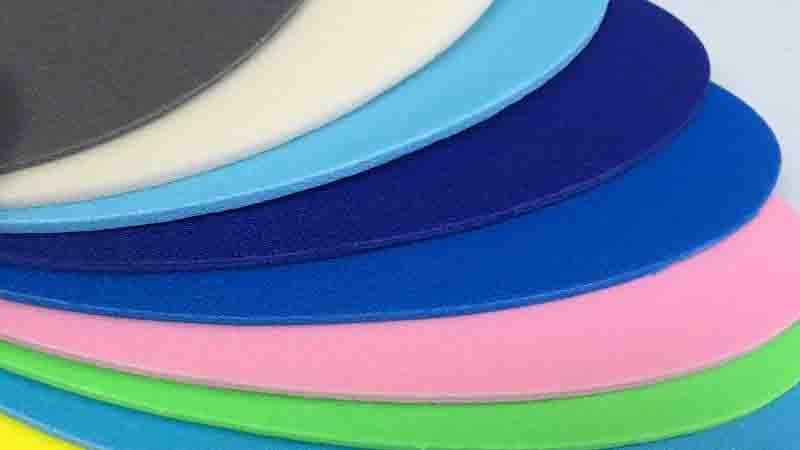
XPE foam is made from a type of plastic called polyethylene.
What makes it special is the process it goes through called cross-linking.
This process connects the foam’s molecules, which makes it more durable and tough.
As a result, XPE foam is very resistant to impact and wear, and it also doesn’t absorb water easily.
Properties of XPE Foam
- Durability: XPE foam can handle rough conditions and repeated impacts. It’s built to last and won’t break down quickly.
- Water Resistance: XPE foam doesn’t soak up water, making it perfect for wet conditions, like boats or bathrooms.
- Thermal Insulation: It keeps heat in or out. This is why it’s used in insulation materials.
- Impact Resistance: The foam can handle heavy pressure without breaking, making it useful for high-impact applications.
Common Uses of XPE Foam
XPE foam is used in several industries for various purposes:
- Automotive: It’s used for parts of car interiors, like door panels, seat cushions, and soundproofing.
- Sports Leisure Mats: XPE foam is great for foam sleeping mats, floating foam mats, fitness mats, and other sports equipment that need to withstand impact.
- Packaging: It’s used to protect fragile items during shipping, as it absorbs shocks and impacts.
- Soundproofing: XPE foam is often used in places where noise reduction is needed, such as in buildings or vehicles.
What is EVA Foam?
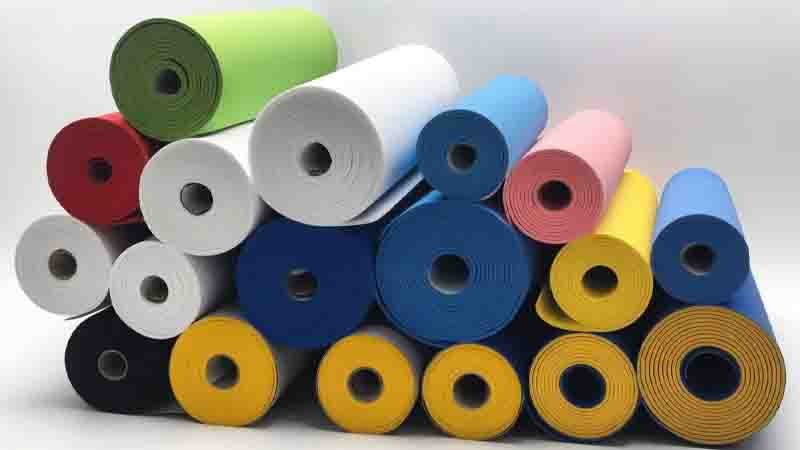
EVA foam is made from ethylene and vinyl acetate, two types of plastic.
Unlike XPE, EVA foam does not go through the cross-linking process.
This makes it softer, more flexible, and easier to mold into different shapes.
EVA foam is lightweight and has great cushioning properties.
Properties of EVA Foam
- Softness and Flexibility: EVA foam is soft to the touch and bends easily. This makes it great for comfort and cushioning.
- Lightweight: It’s lighter than XPE foam, which makes it easy to handle and use in portable products.
- Cushioning: EVA foam absorbs shocks very well, which is why it’s used in products like shoe insoles.
- Non-toxic and Eco-friendly: EVA is a safer foam that’s free of harmful chemicals. It is also recyclable, making it a good option for eco-conscious consumers.
Common Uses of EVA Foam
EVA foam is used in various products, especially where comfort and flexibility are needed:
- Footwear: EVA foam is commonly used in shoes, sandals, and insoles because it’s soft and cushions the feet.
- Sports Gear: EVA foam is used in yoga mats, exercise mats, and other fitness equipment.
- Toys: Since EVA foam is safe and soft, it’s used in children’s toys.
- Packaging: EVA is used for lightweight packaging that protects items from impact, such as electronics.
What is the Difference Between XPE and EVA Foam?
Although XPE and EVA foams may look similar, they have a few key differences that make them suitable for different types of applications.
| Feature | XPE Foam | EVA Foam |
|---|---|---|
| Structure | Closed-cell (more durable and strong) | Semi-open or open-cell (softer, flexible) |
| Water Resistance | Highly water-resistant, ideal for moisture-prone environments | Somewhat water-resistant, but less effective in wet conditions |
| Density | Denser, stronger, and heavier | Lighter, softer, and more flexible |
| Thermal Insulation | Great for insulation | Not as good for insulation |
| Sound Dampening | Better at reducing noise | Less effective for soundproofing |
| Cushioning | Less soft, more rigid | Soft, great for shock absorption |
| Durability | High durability and impact resistance | Less durable, can wear out faster |
| Cost | Higher cost due to superior durability | More budget-friendly, ideal for cost-sensitive applications |
Benefits of XPE Foam
- Durability and Longevity XPE foam is extremely durable. It can withstand rough conditions and is resistant to damage, making it ideal for automotive parts and insulation materials. Whether it’s exposed to impacts, extreme weather, or repeated use, XPE foam will hold up for a long time.
- Water Resistance One of the standout features of XPE foam is its water resistance. Unlike many other foams, XPE does not absorb water, making it perfect for applications where moisture is a concern. It’s commonly used in boats, bathrooms, and even swimming pool equipment.
- Thermal Insulation and Soundproofing XPE foam is great at both insulating against temperature changes and reducing noise. It’s used in homes, vehicles, and industrial applications where keeping the temperature stable and reducing sound are essential.
Benefits of EVA Foam
- Cushioning and Comfort EVA foam is known for its softness and ability to cushion. It’s used in products like yoga mats, insoles, and exercise mats, where comfort is key. EVA foam absorbs shocks well, making it great for activities that require support and comfort.
- Lightweight and Easy to Handle EVA foam is lighter than XPE foam, which makes it easy to use in portable products. Its lightness and flexibility make it ideal for shoes, sports gear, and other items that need to be carried around.
- Non-toxic and Eco-friendly EVA foam is a good choice for those looking for an environmentally friendly material. It’s recyclable and non-toxic, which makes it safe for both users and the environment. Cons of EVA Foam
- Durability: EVA foam is not as strong as XPE and can wear out faster.
- Not Ideal for Harsh Environments: EVA foam doesn’t perform well in very hot, cold, or wet conditions.
- UV Damage: EVA foam can degrade when exposed to sunlight for a long time, which limits its outdoor use.
Best Uses of XPE Foam
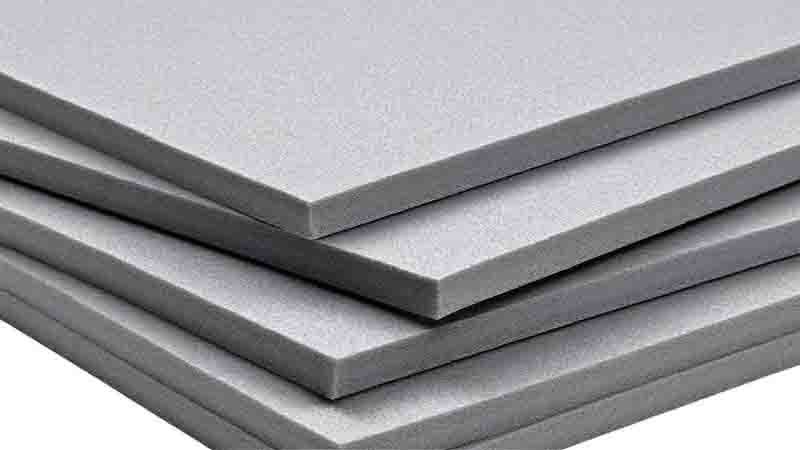
- Automotive Applications XPE foam is widely used in cars. It’s used in parts like door panels, seat cushions, and soundproofing materials. XPE’s durability, water resistance, and soundproofing properties make it ideal for the automotive industry.
- Construction and Insulation XPE foam is often used in construction for insulation. It helps maintain the temperature in buildings by keeping heat in or out. It’s also used as a moisture barrier to prevent damage from water.
- Sports Mats and Equipment XPE foam is used in mats for activities like fitness, foam roller, and sports recovery. Its durability and impact resistance make it perfect for withstanding pressure and wear.
Best Uses of EVA Foam
- Footwear and Insoles EVA foam is most commonly used in footwear, including shoes, sandals, and insoles. Its softness and cushioning ability make it great for comfort and shock absorption.
- Packaging and Protection EVA foam is lightweight and flexible, making it an excellent choice for packaging fragile items. It provides protection from damage during shipping without adding much weight.
- Sports and Fitness Gear EVA foam is widely used in sports gear, including yoga mats, exercise mats, and protective equipment. It’s soft, shock-absorbing, and provides comfort during physical activities.
- Toys and Other Consumer Products EVA foam is also used in children’s toys because it is soft, safe, and durable. It’s a good choice for products that need to be lightweight yet strong.
How to Choose Between XPE and EVA Foam
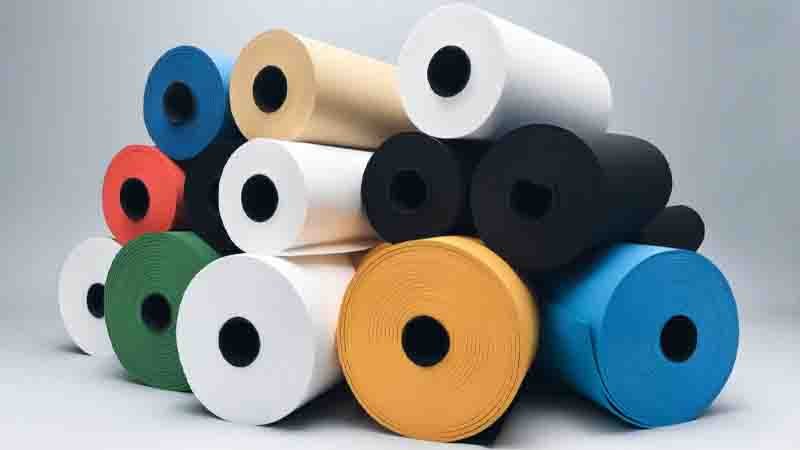
When deciding between XPE and EVA foam, you should consider the following factors:
- Based on Application
- If you need something tough, durable, and water-resistant, XPE foam is the better choice.
- If you’re looking for something soft, flexible, and affordable, EVA foam is the better option.
- Cost vs. Performance XPE foam tends to be more expensive, but it offers better performance, especially in terms of durability and insulation. EVA foam is more affordable and works better for cushioning applications.
- Environmental Considerations Both foams can be recycled, but EVA foam is typically easier to recycle and is considered a more eco-friendly material.
Environmental Impact and Sustainability
Both XPE and EVA foams can be recycled, but EVA foam is generally easier to recycle in most places.
XPE foam can be more difficult to recycle, which may have a greater environmental impact.
However, both foams are non-toxic, which means they are safe to use in a variety of products.
If sustainability is important to you, EVA foam may be the better choice because it is often easier to recycle. However, always check your local recycling guidelines to see what’s accepted.
Conclusion
Both XPE and EVA foams have their unique advantages, depending on the application.
XPE foam is more durable, water-resistant, and provides excellent insulation, making it great for use in the automotive and construction industries.
EVA foam, on the other hand, is softer, more flexible, and ideal for comfort, which makes it perfect for use in footwear, sports gear, and toys.
When choosing between the two, consider what you need the foam to do.
If you need durability and resistance to water, go with XPE foam.
If you need comfort, cushioning, and affordability, EVA foam will likely be your best choice.
If you’re still unsure which foam to choose for your specific needs, don’t hesitate to reach out! Contact FS Foam for expert advice.
Our team of professionals is always here to help guide you through the process and ensure you make the right choice for your project.
FAQs
Can XPE and EVA foams be used together in the same product?
Yes, they can be combined in products where different properties are needed, such as in footwear or sports equipment.
What are the main differences between XPE and EVA foam?
XPE is stronger, more durable, and resistant to water, while EVA is softer, lighter, and better for cushioning.
Can XPE foam be used outdoors?
Yes, XPE foam is water-resistant and durable, making it great for outdoor use.
Is EVA foam eco-friendly?
Yes, EVA foam is recyclable and non-toxic, making it an eco-friendly option.
Which foam is better for cushioning?
Both XPE and EVA foam are good for cushioning, as they are soft and shock-absorbing.

2 Responses
bonjour svp est ce que en peux faire une mélange entre les deux xpe et le eva et quelle sont
les avantage le les inconvénients
merci
Bonjour ! Oui, il est possible de mélanger le XPE (polyéthylène expansé) et l’EVA (éthylène-vinyl-acétate), mais cela dépend de l’application spécifique et des propriétés souhaitées. Voici un aperçu des avantages et des inconvénients d’un tel mélange :
Avantages :
Meilleure souplesse et flexibilité : L’EVA est très souple, ce qui peut améliorer la flexibilité globale du mélange avec le XPE, qui est plus rigide par nature.
Amélioration des propriétés d’absorption des chocs : Le XPE est excellent pour absorber les chocs, tandis que l’EVA peut ajouter encore plus d’élasticité et de résilience, ce qui peut être bénéfique pour des applications telles que les matelas de sol ou les équipements de sport.
Meilleure durabilité : Mélanger les deux matériaux peut potentiellement améliorer la résistance générale du produit aux impacts et aux intempéries.
Réduction du poids : Le XPE et l’EVA sont tous deux des matériaux légers, ce qui peut être avantageux pour des produits comme les tapis ou les matelas où le poids est un facteur clé.
Inconvénients :
Difficulté de mélange : Le XPE et l’EVA ont des propriétés chimiques et physiques différentes, ce qui peut rendre leur mélange compliqué. Il peut être nécessaire d’ajuster les procédés de fabrication pour garantir une bonne adhésion entre les deux.
Coût supplémentaire : La production d’un mélange de ces deux matériaux peut être plus coûteuse que l’utilisation de l’un ou l’autre seul, en raison des ajustements nécessaires dans la fabrication.
Propriétés de résistance thermique : L’EVA a une résistance thermique plus faible que le XPE, ce qui pourrait affecter la performance du produit dans des conditions de chaleur intense.
Moins de rigidité : Si la rigidité du XPE est un avantage pour certaines applications, le mélange avec EVA pourrait réduire cette caractéristique, ce qui n’est pas souhaitable dans certains cas.