We’ve all encountered foam in some form, whether it’s the cushioned comfort of a mattress, the insulating material in a car door panel, or even the shock-absorbing padding in sports gear.
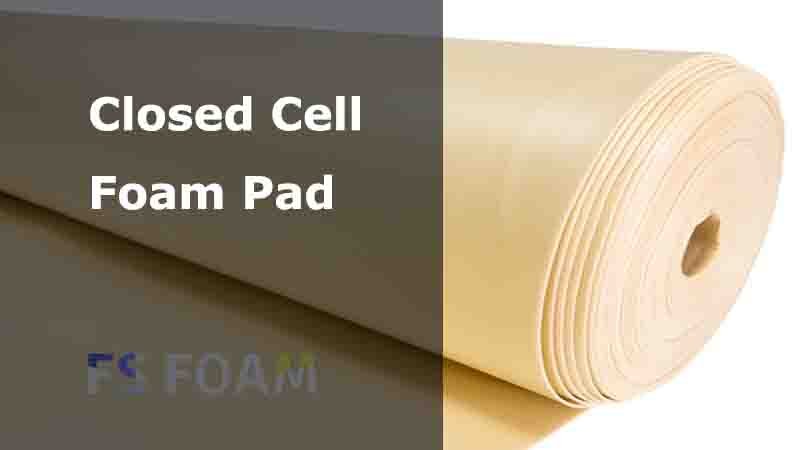
But among the many types of foam out there, one particular variety stands out. its exceptional performance in terms of durability, water resistance, and versatility: closed-cell foam pad.
So, what exactly is a closed-cell foam pad, and why should it matter to you? Let’s dive into the fascinating world of closed-cell foam.
What is Closed-Cell Foam?
To begin, it’s crucial to understand the difference between closed-cell foam and its counterpart, open-cell foam. At its core, foam is made up of tiny bubbles or cells.
In open-cell foam, these cells are interconnected, allowing air and moisture to pass freely through. It’s soft and breathable, but not particularly resistant to water.
On the other hand, closed-cell foam features cells that are tightly packed and sealed off from one another, which means it doesn’t absorb water.
This makes it a perfect choice for a range of applications, from outdoor gear to industrial insulation.
One of the most common forms of closed-cell foam is XPE foam, a type of cross-linked polyethylene foam.
During its production, the foam is chemically treated to create a network of bonds between the polymer chains, enhancing its strength and resilience.
The production process typically involves extrusion, where the foam is expanded and formed into sheets or blocks, and crosslinking, which gives the foam its unique properties.
As the foam expands, air pockets are trapped within the closed cells, contributing to its buoyancy, thermal insulation, and moisture resistance.
Other materials commonly used to make closed-cell foam include EPE (Expanded Polyethylene), EVA (Ethylene Vinyl Acetate), XLPE (Cross-linked Polyethylene), and IXPP (Cross-linked Polypropylene). Each has its distinct properties, but all share the key benefits of water resistance and durable performance.
Key Characteristics of Closed-Cell Foam Pad
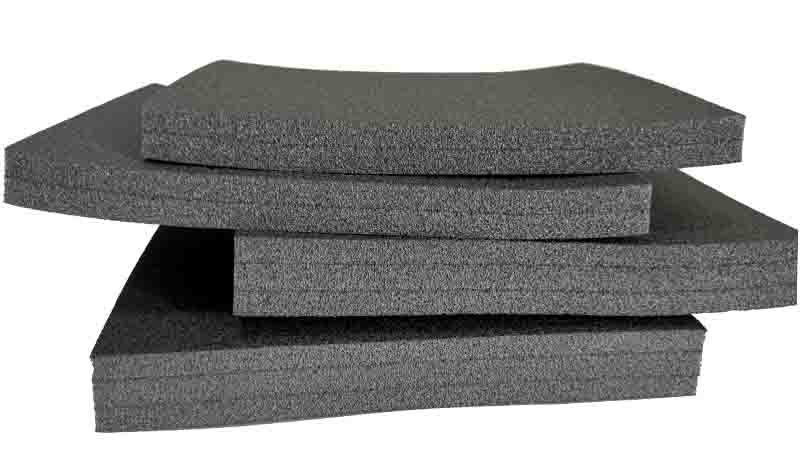
What makes closed-cell foam pads so highly regarded in various industries? The answer lies in their unique set of characteristics.
Water Resistance
Perhaps the most notable trait of closed-cell foam is its exceptional water resistance.
Because the foam’s cells are sealed, water is unable to penetrate.
This feature is particularly beneficial in outdoor, marine, and industrial settings where moisture resistance is critical.
Imagine a foam pad used in a boat cushion or an outdoor sleeping mat. The last thing you want is for the foam to absorb water and lose its cushioning properties. Closed-cell foam solves this problem, maintaining its structure and functionality even when exposed to water.
Shock Absorption
Closed-cell foam excels in shock absorption, a characteristic that makes it a staple in protective gear and padding.
Whether in helmets, knee pads, or even as cushioning in packaging, this foam type helps to absorb and distribute impact.
The tight structure of its cells disperses force, which not only protects the object it surrounds but also minimizes the risk of injury.
This makes it a go-to material for sports and safety applications.
Durability
When it comes to durability, closed-cell foam pads are built to last.
They resist wear and tear, UV exposure, and harsh environmental conditions.
Unlike some other foams, closed-cell pads maintain their structural integrity over time, even under heavy usage.
They can withstand extreme temperatures, making them ideal for applications in both hot and cold environments, such as in automotive insulation or HVAC systems.
Lightweight
Despite its strength and durability, closed-cell foam is remarkably lightweight.
This makes it an attractive option for applications where weight is a concern.
For example, foam pads used in sports gear or packaging materials need to provide protection without adding excessive bulk or weight.
Closed-cell foam achieves this balance, offering high performance with minimal impact on overall weight.
Insulation Properties
The air pockets trapped inside closed-cell foam provide excellent thermal and sound insulation.
Whether used in construction as insulation for buildings or in the automotive industry to reduce noise and vibrations, closed-cell foam serves as an effective barrier against both heat and sound.
Its insulating properties make it a highly efficient material for keeping things cool in hot weather and warm in cold conditions.
Types of Closed-Cell Foam Pad
There are several types of closed-cell foam, each offering distinct benefits depending on the application.
Expanded Polyethylene Foam Pad (EPE)
EPE foam pads are known for their versatility.
They’re often used in packaging, sports gear, and even in some medical products.
EPE foam is relatively lightweight, water-resistant, and provides basic shock absorption, making it ideal for cushioning fragile items during shipping.
Cross-Linked Polyethylene (XLPE) Foam Pad
XLPE foam offers enhanced durability and resistance to moisture, making it a popular choice in industries like automotive, construction, and sports.
Its closed-cell structure provides excellent thermal insulation and shock absorption, making it ideal for use in products like car door panels, thermal insulation for pipes, and sports pads.
EVA Foam Pad
EVA foam is a flexible and durable material often used in the footwear industry, providing cushioning and impact protection in shoes and sandals.
But its properties go beyond comfort—it also offers water resistance, flexibility, and lightweight shock absorption, making it a preferred material for sports gear, yoga mats, and other comfort-related products.
Other Materials: Neoprene, Rubber, and PVC
While polyethylene-based foams dominate the closed-cell category, other materials like neoprene, rubber, and PVC also find their place in specific applications.
Neoprene, for instance, is commonly used in wetsuits due to its excellent flexibility and water resistance.
Rubber foams offer enhanced durability and impact resistance, while PVC foam is often used for its rigidity and strength.
How Are Closed-Cell Foam Pads Made?
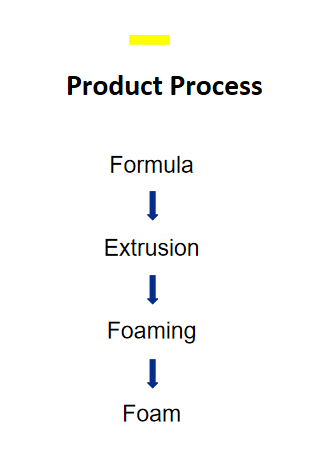
The manufacturing process of closed-cell foam pads generally involves extrusion and molding techniques.
In the extrusion process, raw foam materials are heated and pushed through a mold to form sheets or rolls.
The material is then cross-linked chemically to create the closed-cell structure. This gives the foam its strength and durability while preserving its ability to withstand moisture and impact.
Customization is another key aspect of closed-cell foam pads.
Depending on the intended application, foam pads can be tailored in terms of density, thickness, shape, and color.
Whether you need a thick, high density foam pad for heavy-duty applications or a thin, flexible foam for lighter use, the foam can be adjusted to meet specific requirements.
Common Applications of Closed-Cell Foam Pad
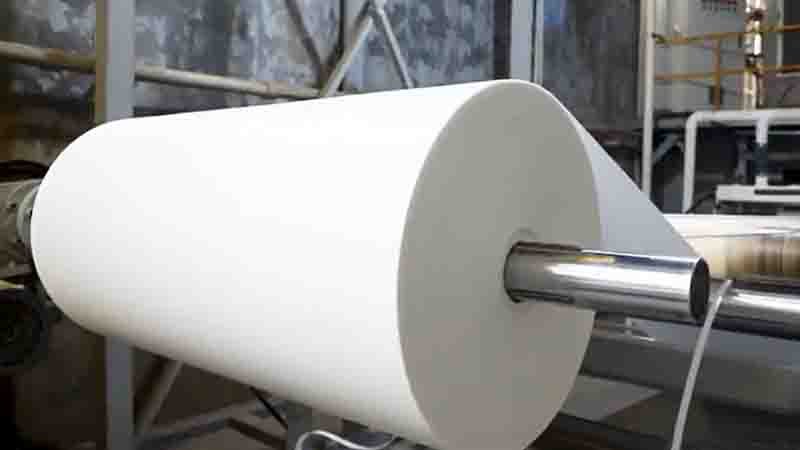
The versatility of closed-cell foam pads makes them suitable for a wide array of applications across industries.
Sports Gear
In the world of sports, protection is key. Closed-cell foam plays a major role in ensuring athletes stay safe.
It’s used in helmets, knee pads, elbow pads, and shin guards to absorb impacts and prevent injury.
The foam’s ability to absorb shock and disperse it across a wide area is what makes it indispensable in these protective products.
Packaging
Shipping fragile items requires protection, and closed-cell foam is the material of choice for this task.
It cushions and safeguards products during transit, ensuring that electronics, glassware, and other delicate items reach their destination without damage.
Construction
In the construction industry, closed-cell foam pads are often used as insulation and soundproofing materials.
They help reduce heat loss in buildings and minimize noise pollution, contributing to energy efficiency and occupant comfort.
Automotive
In automotive applications, closed-cell foam is used to reduce noise, vibration, and harshness (NVH), improving the comfort and quality of the ride. It also provides thermal insulation in areas like car door panels and dashboards.
Medical
From cushions to braces, closed-cell foam is widely used in the medical field for providing comfort and support.
Its soft but firm texture makes it ideal for creating products like orthopedic pads and medical braces.
Marine & Outdoor
Whether it’s a boat cushion or a camping pad, closed-cell foam excels in outdoor and marine environments.
Its water-resistant properties make it an ideal material for products that need to stand up to the elements.
Sports Leisure
Shock Pad for Artificial Grass: Closed-cell foam pads are commonly used under artificial turf installations to enhance safety and comfort, reducing the risk of injury.
Foam Sleeping Pad: Closed-cell foam sleeping pads provide comfort and insulation for outdoor activities like camping, offering warmth and cushioning without the bulk.
Foam Floating Mat: In water sports and relaxation settings, closed-cell foam floating mats provide buoyancy and comfort, making them a popular choice for poolside lounging and water recreation.
Benefits of Using Closed-Cell Foam Pad
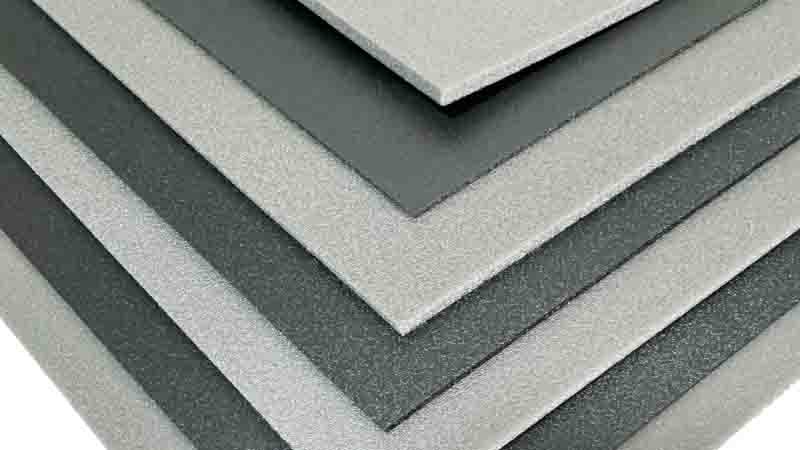
The benefits of closed-cell foam pads are vast and varied, making them an excellent choice for many industries and applications.
Protection and Safety
Closed cell foam pads offer superior protection by absorbing and distributing impact.
This makes them particularly useful in sports and safety gear, where minimizing the risk of injury is a top priority.
Longevity and Durability
Thanks to its resistance to moisture, UV light, and physical wear, closed-cell foam pads have an impressive lifespan.
Whether used in outdoor gear or automotive applications, they continue to perform well over time, even in harsh conditions.
Cost Savings
Closed-cell foam can contribute to cost savings in industries like HVAC, where it helps regulate temperature.
In cold weather, it retains heat, while in hot weather, it helps keep cool air in. This enhances energy efficiency and lowers heating and cooling expenses.
Non-toxic and Eco-friendly
One of the standout features of closed-cell foam pads is their non-toxic nature.
Many closed-cell foams, such as XLPE and IXPE, are free from harmful chemicals, making them safe for both human use and the environment.
Additionally, some types of closed-cell foam are recyclable, reducing their environmental impact.
How to Choose the Right Closed-Cell Foam Pad?
Choosing the right closed-cell foam pad is all about matching the foam’s properties to your specific needs. Here are a few things to consider:
- Consider the Application: Are you looking for protection, comfort, or insulation? Different types of foam pads excel in different areas.
- Material Considerations: Choose the foam type (EPE, EVA, XLPE) based on its flexibility, shock absorption, and durability.
- Density and Thickness: Higher density foams are stronger but heavier, while lower-density foams are more flexible and lighter.
- Environmental Factors: Exposure to moisture, temperature extremes, UV light, and chemicals can all affect the performance of foam pads. Make sure to choose a foam that’s suitable for your environment.
Maintenance and Care of Closed-Cell Foam Pad
Closed-cell foam pads are low maintenance, but proper care can extend their lifespan.
Typically, cleaning them with mild soap and water is enough.
Avoid harsh chemicals or abrasive cleaning methods that could damage the foam.
Store foam pads in a cool, dry place to prevent degradation from excessive heat or moisture.
Conclusion
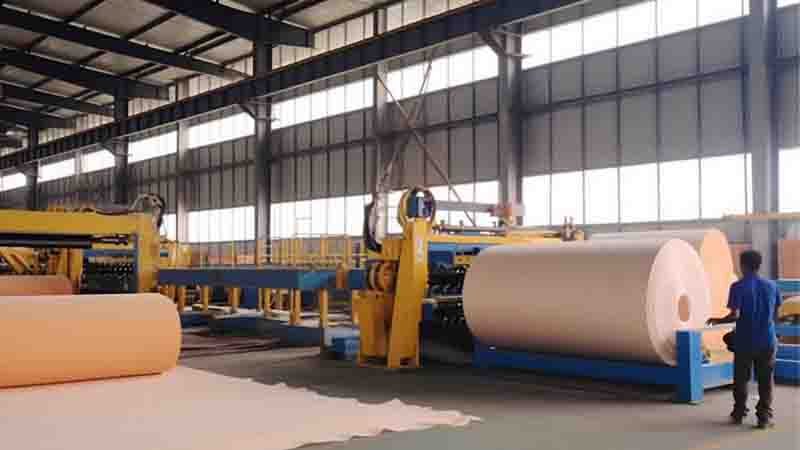
In conclusion, closed-cell foam pads offer an unbeatable combination of protection, durability, and versatility.
Whether used in sports gear, packaging, or construction, they deliver reliable performance across various industries.
At FS Foam, we have over a decade of experience in producing high-quality closed-cell foam pads tailored to your specific needs.
If you need guidance or help choosing the right foam, don’t hesitate to reach out to our team of experts.
FAQs
1. What makes closed-cell foam pad better than open-cell foam?
Closed-cell foam is denser, stronger, and more water-resistant than open-cell foam, making it ideal for applications that require durability and moisture resistance.
2. Is the closed-cell foam pad waterproof?
Yes, closed-cell foam pads are waterproof due to the sealed structure of their cells, which prevents water from being absorbed.
3. Can closed-cell foam pad be used for outdoor and marine applications?
Absolutely. Closed-cell foam’s water resistance and durability make it perfect for outdoor and marine applications, such as boat cushions, outdoor mats, and camping gear.
4. How long does a closed-cell foam pad last?
Closed-cell foam pads are known for their long lifespan, often lasting several years even under heavy use, thanks to their resistance to wear, UV exposure, and moisture.
5. Can closed-cell foam pad be recycled?
Many types of closed-cell foam, such as XLPE and IXPE, can be recycled, contributing to sustainability efforts. However, recycling options may vary depending on local facilities and the specific type of foam.