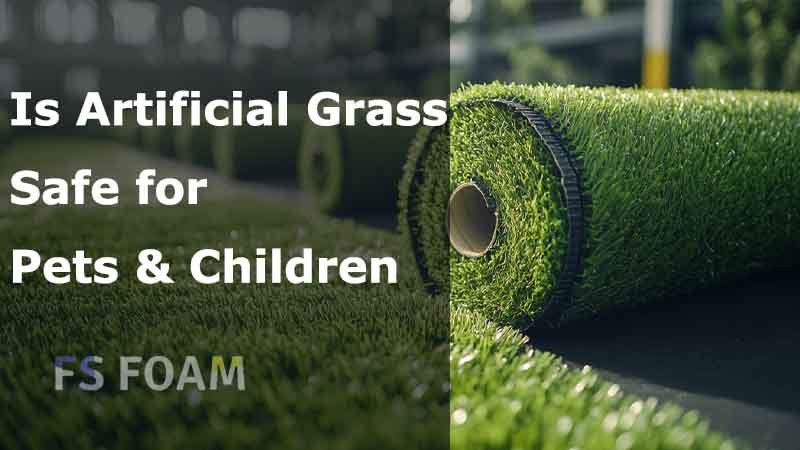
In recent years, artificial grass has been making its way into more homes and public spaces, appealing to pet owners, parents, and anyone tired of the maintenance required by traditional lawns. While the benefits of artificial grass—its lush green appearance, low maintenance, and durability—are well known, many people still wonder: Is artificial grass truly safe for pets and children? As more families embrace this synthetic alternative to natural grass, questions about its safety are more pressing than ever. We understand the concerns of parents and pet owners, and in this article, we’ll explore what artificial grass is made of, how it affects pets and children, and whether any risks need to be addressed.
What is Artificial Grass?
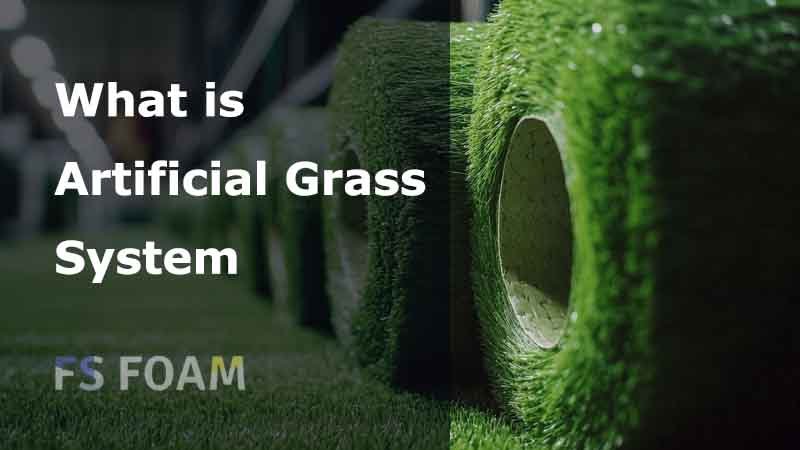
At first glance, artificial grass might seem like just an aesthetic choice. But it’s more than that—it’s a carefully engineered product, designed to mimic the look and feel of natural grass without the hassle of mowing, watering, and fertilizing.
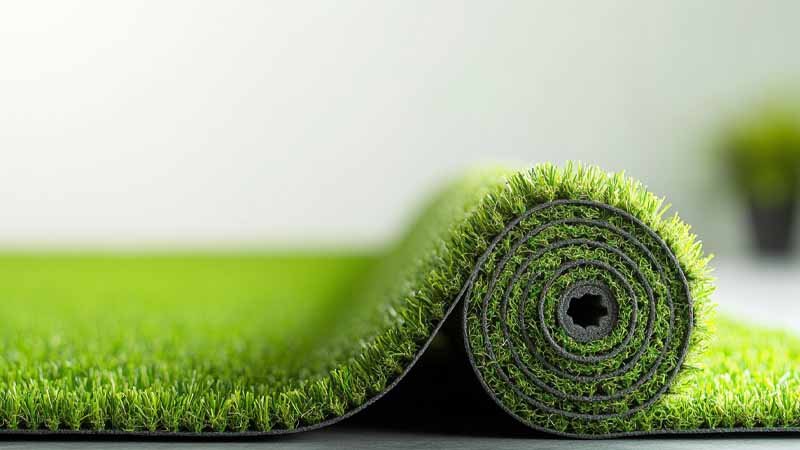
Artificial grass is made from synthetic fibers, typically polyethylene, polypropylene, or nylon, which are designed to replicate the texture and appearance of real grass blades. These fibers are woven into a backing material that holds them in place, and often a layer of rubber or sand infill is used to provide extra cushioning and stability.
Different types of artificial grass come with varying qualities depending on the materials used. The yarn or fibers can vary in thickness, color, and texture, while the backing and infills offer additional support. For the best results, it’s important to choose artificial grass that has been manufactured with non-toxic materials, especially when it’s being used in areas where pets or children will be spending time.
Benefits of Artificial Grass for Families and Pet Owners
When you think about artificial grass, a few key benefits come to mind—no mowing, no watering, and no mud. But for families with pets and children, there are even more compelling reasons to consider it.
One of the primary advantages is low maintenance and durability. Unlike natural grass, artificial turf doesn’t require constant upkeep, such as fertilizing, reseeding, or watering. Once installed, it stays green year-round, unaffected by weather conditions. For pet owners, this is a game changer, as pets can track mud and dirt indoors from a lawn that gets damaged during wet weather. Similarly, children can run and play without worrying about muddy feet or grass stains on their clothes.
For pet owners, artificial grass is also a cleaner, more sanitary choice. The non-toxic materials used in high-quality artificial grass ensure that pets won’t be exposed to harmful chemicals, pesticides, or fertilizers—substances often used on natural lawns that can be harmful to animals. Additionally, artificial grass is designed to have excellent drainage, meaning pet waste can be easily rinsed away, preventing unpleasant odors and keeping the surface clean and hygienic.
For children, the soft surface of artificial grass makes it an ideal place to play. It offers a natural cushion, reducing the risk of injury from falls or bumps. Plus, artificial grass stays consistent throughout the year—there are no patches of dirt or uneven surfaces, making it a safer choice for kids running around, playing games, or enjoying outdoor activities. Best of all, artificial grass doesn’t attract the pests or allergens that natural grass can—there are no ticks, no fleas, and no weeds to worry about.
Safety Considerations for Pets
Now that we’ve outlined the benefits, let’s take a deeper dive into how artificial grass can be safe for pets.
First and foremost, non-toxic materials make all the difference. High-quality artificial grass should be made from polyethylene or similar safe, non-toxic materials. Unlike some older versions of synthetic turf, today’s artificial grass products are free from lead, heavy metals, and other harmful chemicals that could pose a risk to your pets.
Additionally, unlike natural grass, artificial turf doesn’t require harmful pesticides or fertilizers, which can be toxic to animals. Pets often tend to sniff, lick, or even ingest things from their surroundings, which makes these chemicals particularly concerning. With artificial grass, pet owners can rest assured knowing that their furry friends won’t be exposed to such hazards.
Another major factor in keeping pets safe is drainage. High-quality artificial grass is designed with drainage holes or a perforated backing, allowing urine to drain easily through the surface and preventing puddles from forming. This means that after your dog goes to the bathroom, the area is quick to dry, leaving a clean, odor-free surface.
Artificial grass also prevents pets from ingesting dirt or harmful substances that might be lurking in natural grass, such as soil contaminants, insecticides, or even pet waste from other animals. These hidden dangers can cause a range of health issues, from gastrointestinal problems to more severe conditions. With artificial grass, pets have a safer and cleaner place to play.
Safety Considerations for Children
Just as pets benefit from artificial grass, so do children. One of the most important features of synthetic turf for kids is its shock-absorbing qualities. Artificial grass offers a soft, cushioned surface that reduces the impact of falls. This is particularly beneficial in play areas or backyards where children are likely to run, jump, and tumble.
Additionally, artificial grass is free from the pesticides, herbicides, and chemicals commonly used on natural grass. These substances can sometimes irritate a child’s skin, especially if they have sensitive skin or allergies. With artificial grass, there’s peace of mind knowing that children are playing on a surface that is free from these potentially harmful agents.
One of the overlooked advantages of artificial grass is that it eliminates pests—specifically insects like ants, ticks, and fleas, which are common in natural grass. These pests can not only cause discomfort but also spread diseases. With artificial grass, your children can play safely, without the threat of insect bites or infestations.
Moreover, artificial grass helps to eliminate allergens like pollen, which can be particularly troublesome during spring and summer. Since artificial grass doesn’t produce pollen, children who suffer from seasonal allergies can enjoy outdoor play without the sneezing and discomfort often caused by natural grass.
Are There Any Concerns or Risks?
Of course, as with anything, there are some concerns and considerations that need to be addressed. One common issue is heat retention. On hot days, artificial grass can become quite warm, especially if it’s exposed to direct sunlight for extended periods. While most artificial grass products have been designed to handle heat well, they can still get too hot for pets and children to walk on comfortably.
To prevent this, consider installing artificial grass in shaded areas or using lighter-colored infills that reflect heat rather than absorb it. Additionally, artificial turf can sometimes heat up during peak summer months, so pet owners and parents should be mindful of the temperature, particularly if they’re spending long periods outside.
Another concern is the infill materials used in artificial grass. Some infills, such as rubber crumbs, have been known to raise environmental concerns. These materials can retain heat and may contain chemicals that could be harmful if ingested by pets or children. It’s best to choose infills that are specifically labeled as safe for pets and children. Options like sand or organic infills are often a safer choice.
Finally, maintenance is key to ensuring that artificial grass remains hygienic and safe. Without proper cleaning, artificial turf can collect bacteria, mold, and dirt. Regular cleaning and maintenance—such as rinsing the surface with water, using non-toxic disinfectants, and removing pet waste promptly—are essential for keeping the area safe.
Best Practices for Ensuring Safety
To keep your artificial grass safe for pets and children, regular maintenance is crucial. This includes cleaning the surface regularly, choosing high-quality materials, and ensuring that proper drainage is in place.
When installing artificial grass, look for non-toxic options that are labeled pet- and child-safe. Additionally, check the drainage system to ensure that waste won’t accumulate. Properly maintained turf not only provides a safer play area but also ensures long-lasting durability.
Conclusion
In conclusion, artificial grass can be a safe, practical, and enjoyable solution for families with pets and children. By offering low maintenance, non-toxic materials, and a cleaner, safer environment, artificial grass provides peace of mind for parents and pet owners alike. Of course, it’s important to consider the specific needs of your family and pets, choose high-quality, safe materials, and follow best practices for maintenance. With the right installation and care, artificial grass can be a fantastic addition to any home, providing a secure, comfortable space for both pets and children to play.
FAQs
1. Is artificial grass eco-friendly?
While artificial grass reduces water usage and eliminates the need for pesticides, its environmental impact is debated. It’s made from synthetic materials that can take years to degrade. Choosing recyclable options and ensuring proper disposal when it’s no longer needed can minimize its ecological footprint.
2. Can artificial grass be used for all types of outdoor spaces?
Yes, artificial grass can be used in various outdoor spaces, from backyards to rooftops, patios, and playgrounds. It’s versatile and can withstand different climates. However, proper installation and ensuring good drainage are crucial for long-term performance and to avoid water pooling or damage in certain environments.
3. How do I choose the right artificial grass for pets?
Look for artificial grass made from durable, non-toxic materials, specifically designed for pet use. Ensure the product has excellent drainage capabilities to prevent odors and bacteria build-up. Choose one with a softer texture to enhance comfort for your pets. Always check if the product is labeled pet-safe.
4. Will artificial grass attract pests like insects?
High-quality artificial grass reduces the chances of attracting pests like insects, ticks, and fleas, which thrive in natural grass. However, without regular cleaning and maintenance, debris buildup can create a breeding ground for insects. Routine upkeep ensures the grass remains pest-free and safe for pets and children.
5. How do I prevent artificial grass from fading?
To prevent fading, choose UV-resistant artificial grass made with high-quality fibers. Areas with high sun exposure may cause gradual color changes over time, but choosing fade-resistant products and minimizing direct sunlight exposure can extend the life of the grass. Regular cleaning and maintenance can also help retain its vibrant look.