When we think about artificial grass, it often evokes images of lush green lawns that stay perfectly manicured year-round, no matter the season. But just how durable is it when nature throws its worst at it? In this article, we’re diving into the fascinating world of artificial grass, exploring how it stands up against extreme weather conditions—whether under the scorching sun, in the chill of winter, or during relentless downpours. After all, durability is a key factor for anyone considering artificial grass, especially if you’re in a region with a variety of weather extremes.
Understanding Artificial Grass
Before we tackle how artificial grass handles different weather conditions, let’s take a moment to understand what makes it tick. At its core, artificial grass is designed to mimic the look and feel of natural grass, but it’s made from synthetic materials such as polyethylene, polypropylene, and sometimes nylon. These fibers are meticulously crafted to withstand foot traffic, pets, and the elements, providing a low-maintenance alternative to traditional lawns.
There’s a significant difference in types of artificial grass based on the materials and design. For instance, polyethylene grass is soft and resilient, making it ideal for residential lawns or playgrounds, while polypropylene is more budget-friendly and works better for less trafficked areas. Nylon, on the other hand, offers an incredibly durable option, often seen in sports fields where high performance is required. All of these materials have their unique advantages, but they must be tested against various weather conditions to ensure they remain functional and attractive over time.
Key Weather Conditions that Impact Artificial Grass
Now, let’s talk about the real challenges artificial grass faces—those extreme weather events that can test its durability. In each of these cases, artificial grass doesn’t just sit there passively; it reacts, adapts, and sometimes requires a little extra care. We’ll break down the primary weather conditions that impact artificial grass and how it stands up to the test.
High Temperatures: The Sun’s Intensity
Heat. It’s one of the most common and insidious forces that can damage artificial grass over time. During a long, hot summer or in a region with consistently high temperatures, artificial grass can face some serious wear. The intense heat can lead to fading, which makes the grass lose its vibrant color. More than just cosmetic, extreme heat can cause the fibers to soften and become more susceptible to wear.
But don’t worry—we’re not just talking about a few bad days in the sun. UV exposure is a constant concern. Over time, ultraviolet rays can break down the molecular structure of synthetic fibers, causing them to become brittle or even fade to a dull, lifeless color. If not addressed, heat can also lead to heat buildup underneath the grass, creating a kind of “oven effect” that warps or damages the backing.
Mitigation techniques like UV-stabilized materials, which are often incorporated into high-quality artificial grass products, can significantly reduce this risk. Additionally, the right kind of infill, often a silica or rubber material, helps absorb heat and minimize the impact on the grass, keeping things cool.
Cold and Freezing Temperatures: Freezing the Lawn
While heat can certainly be a challenge, so can the cold. Extreme cold or freezing temperatures can have a drastic effect on artificial grass, especially if the lawn isn’t properly installed. When temperatures plummet, the fibers can become brittle, making them prone to cracking or curling, which can impact the appearance and longevity of the grass.
The frozen ground beneath the grass can also lead to uneven surfaces, as frozen soil may cause the base to shift or contract, disrupting the placement of your synthetic turf. In areas where freezing is common, this can cause significant damage over time.
The solution here is often related to proper installation. By ensuring the turf is laid over a solid, well-drained base, you help prevent shifting and damage due to freezing. Good drainage is also critical to allow water to flow through the grass without pooling or freezing underneath.
Heavy Rain and Flooding: The Water Challenge
Rain—sometimes it’s a blessing, sometimes it’s a challenge. While artificial grass is made to handle rain better than natural grass, heavy rain, and flooding can still pose risks. Waterlogged areas can cause the surface to become soggy, eroding the base beneath the turf. Prolonged exposure to moisture can also foster mold and mildew growth, which affects not just the look but the safety of the turf.
To tackle this issue, effective drainage is essential. Artificial grass systems that include a highly effective drainage layer allow water to flow through without accumulating on the surface. The backing of quality artificial grass is typically designed to be water-resistant, so even in heavy rain, water should drain efficiently and not cause problems.
Snow and Ice: The Frozen Challenge
As much as we might love a winter wonderland, artificial grass, and snow don’t always get along. Snow and ice accumulation on artificial grass can weigh it down, straining the fibers and possibly causing them to become misshapen or damaged under pressure. The issue arises when snow is allowed to pile up over time or when the ice isn’t cleared off properly, leaving weight on the grass for an extended period.
Fortunately, there are ways to handle this. Careful snow removal is key—use a plastic shovel or broom to avoid damaging the fibers. It’s also a good idea to avoid using harsh deicing salts, which can break down the grass fibers over time. A little winter care goes a long way in preventing lasting damage.
Factors That Enhance Durability
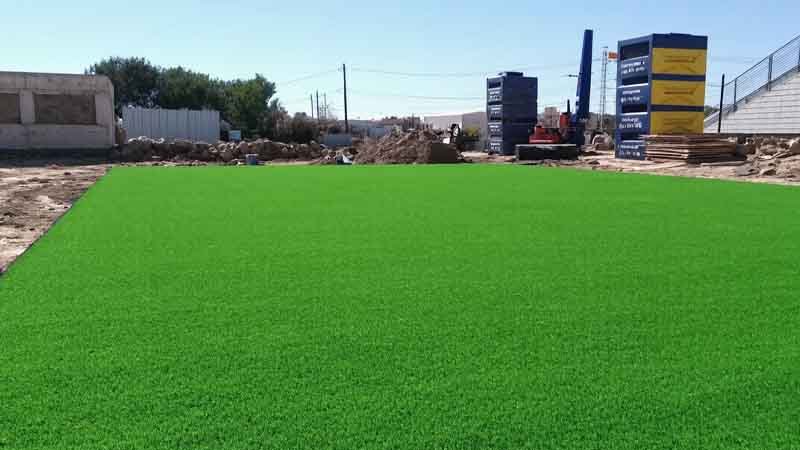
While extreme weather conditions pose challenges, certain factors can significantly improve the durability of artificial grass. The quality of materials, proper installation, and ongoing maintenance practices all play a role in how well your artificial lawn performs over time.
Quality of Materials: Invest in Long-Term Durability
When we talk about durability, the materials used are paramount. High-quality synthetic fibers like polyethylene and nylon are more resilient to wear and fading, especially when reinforced with UV protection. Infill also plays a crucial role in providing support and preventing damage to the turf under heavy use or extreme weather conditions. The right infill absorbs heat, aids drainage, and cushions the grass fibers.
Proper Installation: The Foundation of Durability
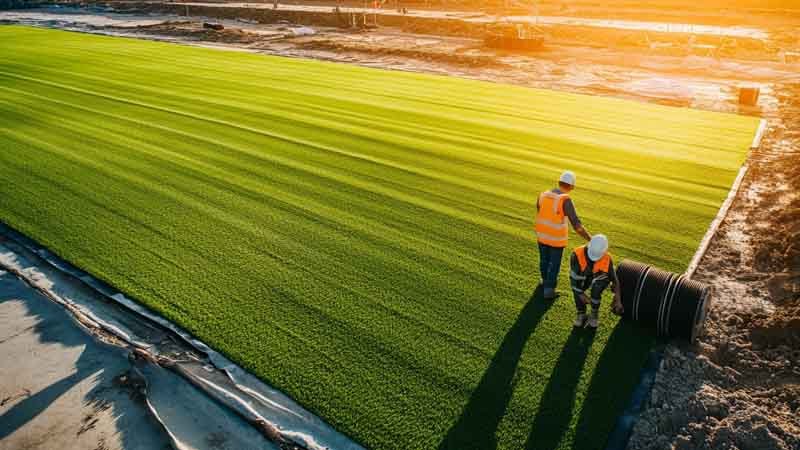
A job well done starts with proper installation. Without the correct base and drainage systems in place, even the highest-quality artificial grass will struggle to hold up against the elements. We always recommend working with professionals to ensure that the turf is laid down correctly. A well-installed artificial lawn will resist weather-related problems and last much longer than a poorly laid one.
Maintenance Practices: Keeping It in Top Shape
Finally, maintenance is key to longevity. Routine tasks such as brushing the turf, checking for damage, cleaning debris, and ensuring proper drainage are all important. If you live in an area with snow or heavy rain, clearing off accumulated water or snow promptly will prevent unnecessary stress on your artificial grass.
Long-Term Performance and Warranty
We’ve talked about how artificial grass stands up in various conditions, but how does it perform in the long run? Over time, even with extreme weather, high-quality artificial grass can last 10-15 years or more if installed and maintained properly. Most manufacturers back up their products with warranties, often ranging from 8-15 years, that cover defects and weather-related wear. That said, it’s important to choose a product with a warranty that reflects its durability in your specific climate.
Real-Life Examples and Case Studies
Across the globe, artificial grass has proven its resilience in various climates. In desert regions, artificial grass thrives under the scorching sun, maintaining its color and texture thanks to UV-resistant fibers. In colder climates, proper drainage and installation ensure that the grass survives even the harshest winters, with homeowners reporting little to no issues with freezing or cracking.
Case studies from sports fields and public parks often demonstrate artificial grass’s durability under high traffic, extreme weather, and years of use. Property owners regularly share success stories of artificial grass enduring everything from intense rainstorms in coastal regions to prolonged snowfalls in northern climates.
Conclusion
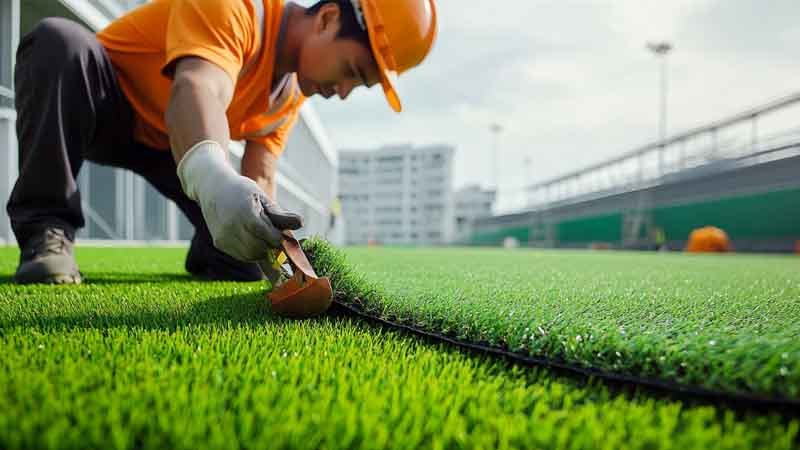
Artificial grass is built to last. With the right materials, installation, and care, it can withstand heatwaves, freezing temperatures, and heavy rainfall. It’s a durable, low-maintenance solution that requires minimal attention. Invest in high-quality products and professional installation to ensure your lawn lasts year after year.
FAQs
Can artificial grass withstand extreme heat?
Yes, high-quality artificial grass is designed to withstand extreme heat. UV-resistant coatings and advanced materials like polyethylene prevent fading, heat buildup, and fiber degradation. Additionally, UV-stabilized infills help keep the turf cool. With proper care, artificial grass can perform well even under prolonged exposure to high temperatures.
What happens if artificial grass freezes?
If artificial grass is properly installed over a solid base with good drainage, freezing temperatures won’t cause significant issues. However, extreme cold can make the fibers brittle, leading to potential cracking or curling. Preventative maintenance, such as removing snow and ice promptly, helps preserve its structure in freezing conditions.
How does artificial grass handle heavy rainfall?
Artificial grass handles heavy rainfall effectively when installed with proper drainage. Water-resistant backing and perforated layers allow rainwater to flow through easily, preventing waterlogging or surface erosion. However, areas with poor drainage might face mold or mildew growth, which can be avoided with an effective drainage system.
Is snow damaging to artificial grass?
Snow itself isn’t inherently damaging to artificial grass, but when it accumulates, it can weigh down the turf. If left unchecked, this can cause deformation or stress on the fibers. To prevent damage, clear snow promptly using a plastic shovel, and avoid using harsh deicing chemicals like salt.
How long does artificial grass last in extreme weather?
With proper installation and maintenance, artificial grass can last 10-15 years, even in extreme weather. High-quality turf is designed to withstand harsh climates, from intense heat to cold. Regular maintenance, including cleaning and brushing, can further extend its lifespan and maintain its aesthetic appearance over the years.