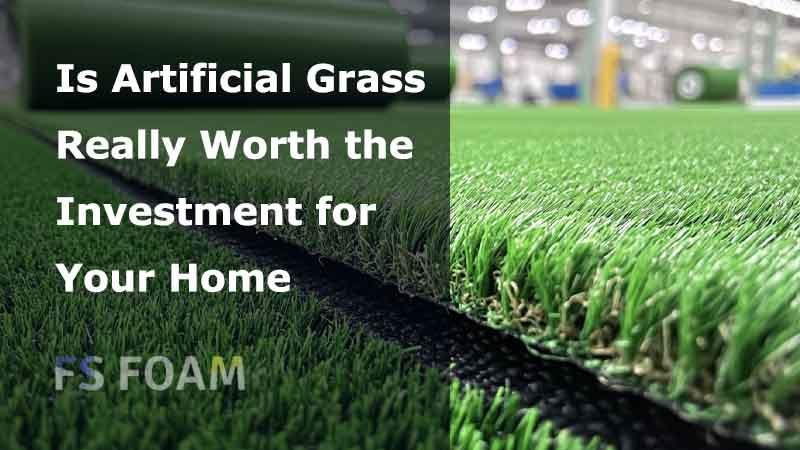
Over the last few years, artificial grass has slowly but steadily gained ground in residential landscaping. Homeowners are drawn to its promise of lush, green lawns without the endless maintenance required by natural grass. The allure is undeniable: no mowing, trimming, or worrying about watering. It’s tempting, right? Especially when we factor in its supposed water conservation benefits and the consistency it offers in terms of aesthetics. But, is artificial grass worth the investment?
Let’s take a deeper dive into the pros and cons of this increasingly popular choice to see whether it lives up to the hype.
What is Artificial Grass?
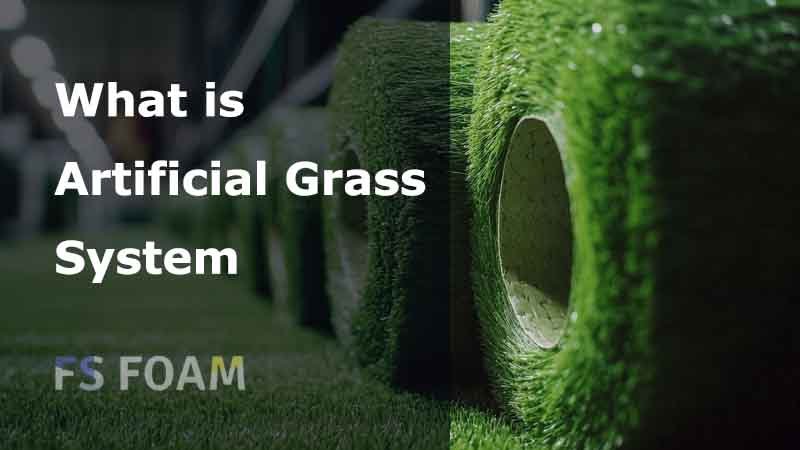
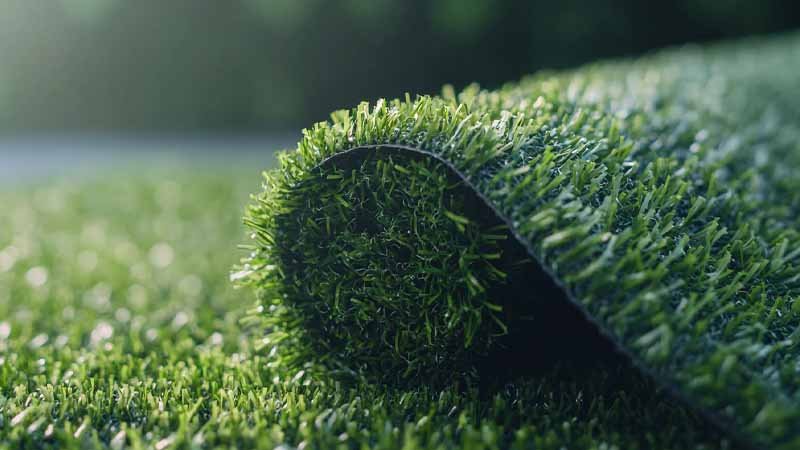
Before we dive into the debate, it’s essential to understand what artificial grass is. Essentially, it’s a type of synthetic turf designed to mimic the look and feel of natural grass, made from a variety of materials like polyethylene, polypropylene, and sometimes nylon. These materials are chosen for their durability and ability to withstand various weather conditions.
The turf is typically installed over a well-prepared base layer, which often includes crushed rock and sand to provide proper drainage. Depending on the application, there are different types of artificial grass. For landscaping, the turf is designed to look as natural as possible, with varying blade heights and colors. Sports fields and playgrounds, on the other hand, use a more durable, specialized version designed to handle heavy foot traffic and rigorous play. Pet-friendly versions have drainage systems built in to make cleanup easy and prevent odor buildup.
The Pros of Artificial Grass
Low Maintenance
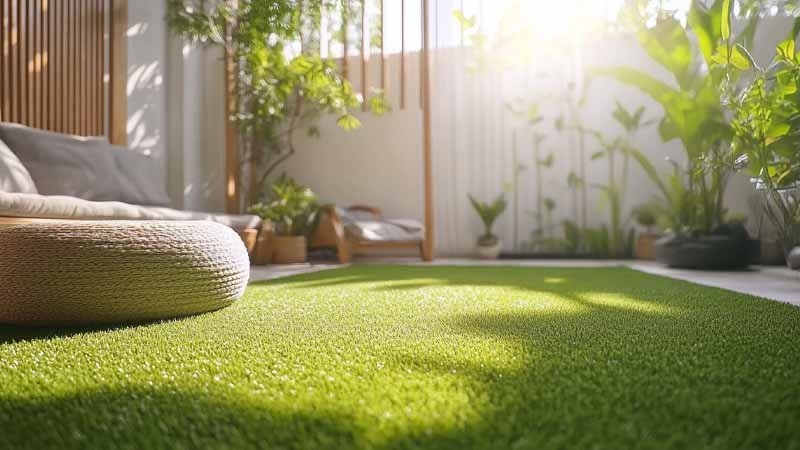
Let’s face it: maintaining a lush, green lawn can be a full-time job. Mowing, trimming, watering, fertilizing—it’s a never-ending cycle. Artificial grass is the opposite. Once installed, it requires minimal upkeep. No more weekly mowing, no need for pesticides, and most importantly, no constant worry about keeping your lawn hydrated. For homeowners looking to simplify their outdoor spaces, this is a game-changer.
Water Conservation
In drought-prone areas, artificial grass can be a lifesaver. Traditional lawns use a significant amount of water, which can lead to higher utility bills and contribute to water shortages. With artificial grass, you eliminate the need for watering. This is not just a practical benefit but an environmental one as well—reducing your water consumption means you’re doing your part to conserve an increasingly precious resource.
Durability
Artificial grass isn’t just about looks; it’s built to last. This type of turf is designed to handle heavy foot traffic, making it ideal for high-use areas like gardens, playgrounds, and even sports fields. While natural grass may get worn down in these areas, artificial grass holds its ground. It’s resilient and can handle a rough game of soccer, or a summer BBQ without showing wear.
Aesthetic Consistency
Let’s be honest: natural grass can be a bit temperamental. It’s susceptible to diseases, pests, and the changing seasons. In contrast, artificial grass offers the ultimate in visual consistency. Whether it’s the height of summer or the chill of winter, your lawn will remain a vibrant green. For homeowners who crave aesthetic consistency, this can be a major draw.
Pet-Friendly Options
For pet owners, artificial grass has some noteworthy perks. Many turf options come with built-in drainage systems, allowing urine and waste to drain away easily. This reduces the chances of unpleasant odors and helps ensure your pets are comfortable. Plus, since there’s no mud, there’s no mess—so Fido’s paws will stay clean, no matter how much he loves running around outside.
Environmentally Friendly
While there’s a common misconception that artificial grass is harmful to the environment, the truth is more nuanced. The materials used in artificial grass, particularly in newer products, are often designed to be more eco-friendly. Some brands even incorporate recycled materials. Additionally, by reducing the need for pesticides and fertilizers, artificial grass helps lower the environmental impact associated with lawn care.
The Cons of Artificial Grass
While artificial grass has a lot to offer, it’s not without its drawbacks.
Initial Cost
We can’t sugarcoat it—installing artificial grass is a significant financial investment. The cost of materials and professional installation can be higher than planting and maintaining a natural lawn. A typical installation can range from $5 to $20 per square foot, depending on the quality of the turf and the complexity of the installation. For many homeowners, this can be a major barrier.
Environmental Impact
Artificial grass, like any plastic product, does come with an environmental cost. Most synthetic turf is made from non-biodegradable materials, which means it’s not going anywhere anytime soon once it reaches the end of its life. Additionally, artificial grass can contribute to heat island effects in urban areas, raising temperatures and making outdoor spaces uncomfortably hot in summer. And let’s not forget drainage concerns—without the natural filtration that real grass provides, artificial turf can sometimes exacerbate water runoff issues.
Upkeep Over Time
Though it’s low-maintenance, artificial grass still requires care. Over time, it may need cleaning to remove dirt, debris, or pet waste, and it’s recommended to brush the blades to maintain a realistic appearance. You might also need to replace or repair certain sections of the turf due to wear, especially in high-traffic areas. While this doesn’t involve weekly lawn mowing, it’s still something to consider.
Surface Temperature
Another downside to artificial grass is its tendency to heat up in direct sunlight. During particularly hot days, synthetic turf can become uncomfortably hot to the touch. This can be a serious concern for families with children or pets who like to play outside in bare feet. In certain climates, this may make artificial grass less practical, especially in areas that experience long, hot summers.
Cost Breakdown: Is It Worth It?
So, how does the financial picture look when you weigh the initial investment against long-term savings?
The Cons of Artificial Grass Costs
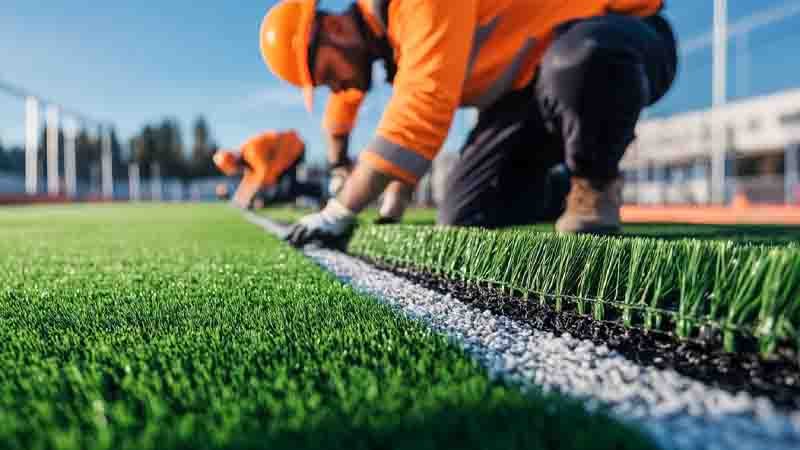
As mentioned, the upfront cost of artificial grass can be substantial. Installation typically includes preparing the ground (removing old grass, leveling the soil, and laying a base layer), the turf itself, and labor. However, when you consider the longevity of artificial grass (typically 15-20 years), the costs may balance out over time.
Long-Term Savings
Here’s where things get interesting. Over the years, you’ll save money on water bills, lawn care services, and fertilizers. Additionally, you won’t need to spend time maintaining your lawn, which is a form of savings in itself. Depending on your location, water conservation savings alone could offset the initial cost in a few years.
Return on Investment (ROI)
Installing artificial grass may even increase your property value, especially if you live in a region where maintaining a natural lawn is challenging. Homes with well-maintained, attractive landscapes often sell for higher prices, and a beautiful, low-maintenance lawn could give your home the edge over others on the market.
Lifespan
The lifespan of artificial grass is another factor in the ROI equation. With proper care, a well-installed synthetic lawn can last up to 20 years. When you break that down, the cost per year isn’t as steep as it seems at first glance.
Use Cases for Artificial Grass in Residential Settings
Artificial grass isn’t just for front lawns; it can be a versatile addition to various parts of your home.
- Front Yard Landscaping: A low-maintenance, always-green front yard that increases curb appeal.
- Backyard Play Areas: Safe, soft, and durable for kids and pets, with easy cleanup and no muddy patches.
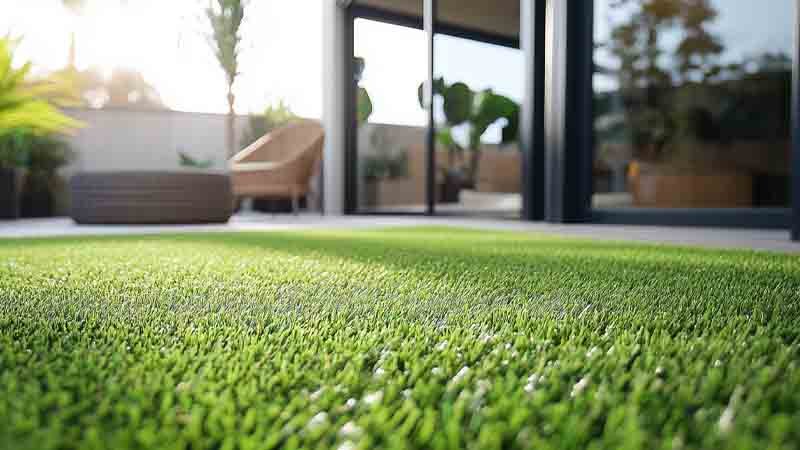
- Roof Decks and Patios: Transform a bland rooftop or patio into a cozy, green retreat.
- Pools and Decks: Artificial grass around the pool can make a space look lush while cutting down on maintenance and avoiding muddy footprints.
Choosing the Right Artificial Grass for Your Home
Not all artificial grass is created equal, and choosing the right turf for your home is crucial.
- Consider Your Climate: Different types of turf are suited for different climates. If you live in a hot, sunny area, look for UV-resistant turf that will maintain its color.
- Look for Quality and Durability: Higher-density turf typically lasts longer and looks more natural. Check for UV stability and materials used in manufacturing.
- Installation Process: The best artificial grass requires expert installation to ensure proper drainage, even ground preparation, and long-term durability.
Alternatives to Artificial Grass
Of course, artificial grass isn’t the only option available. Natural grass remains a classic choice for those who enjoy the process of maintaining a lawn. But if you’re looking for low maintenance, consider other alternatives like xeriscaping (low-water, drought-tolerant plants), gravel, or even moss gardens.
Conclusion
So, is artificial grass worth it? For many, the benefits far outweigh the costs. It’s a perfect solution for those seeking a low-maintenance, water-efficient, and consistently beautiful lawn. But it’s not for everyone. The environmental impact and initial costs may give some homeowners pause. Ultimately, it’s about weighing the pros and cons and determining if this investment aligns with your lifestyle, priorities, and budget.
FAQs
Is artificial grass suitable for high-traffic areas?
Yes, artificial grass is highly durable and designed to withstand heavy foot traffic, making it ideal for busy spaces like backyards, playgrounds, and gardens. While it can handle wear, high-traffic areas may require periodic brushing to maintain its appearance and prevent matting of the fibers.
How does artificial grass handle water drainage?
Most artificial grass systems are designed with built-in drainage capabilities, allowing water to flow through easily. Proper installation, including a perforated base and adequate slope, ensures that rainwater doesn’t pool on the surface. This helps prevent mold or mildew buildup and keeps the area dry and safe.
Can artificial grass be installed on uneven surfaces?
Artificial grass can be installed on uneven surfaces, but it requires proper preparation. The uneven ground needs to be leveled and compacted to ensure a smooth installation. This might involve adding a base layer of sand or crushed stone to create an even surface before laying the turf.
Does artificial grass get damaged by pets?
Artificial grass is durable and resistant to pet damage. However, pets may leave behind waste or cause minor wear in certain areas. Pet-friendly options often feature enhanced drainage and durability to withstand digging or rough play. Routine cleaning helps maintain a hygienic and long-lasting surface for pets.
How do I maintain the appearance of artificial grass?
Maintaining artificial grass is simple. Regularly brush the fibers to keep them upright, remove debris, and rinse off dirt or pet waste. Occasional cleaning with mild soap and water helps preserve its vibrant look. If needed, top-dressing with silica sand can refresh the surface and maintain its stability.