Introduction
Artificial grass systems have come a long way in recent years, becoming a staple in residential lawns, commercial spaces, and sports fields alike. Once seen as an expensive luxury, today they are valued for their convenience, eco-friendliness, and durability. But what exactly is an artificial grass system, and why are so many people opting for it over traditional natural grass? This article will explore the fundamentals of artificial grass systems, their components, benefits, applications, and much more.
Artificial grass systems are revolutionizing outdoor spaces, and it’s no wonder why. They’re low-maintenance, versatile, and, in many cases, more sustainable than natural grass. Imagine never having to mow your lawn again or worrying about brown patches due to drought. Whether it’s for a bustling sports field, a family lawn, or a commercial landscape, artificial grass systems are transforming how we think about green spaces.
What is an Artificial Grass System?
In its simplest form, an artificial grass system is a carefully engineered installation designed to mimic the appearance and function of natural grass. It’s made up of several components that work together to replicate the look, feel, and performance of real grass without the drawbacks that come with traditional turf.
At its core, the system includes four main components: the artificial grass turf itself, infill, backing, and base layers. But here’s where it gets interesting—modern artificial grass systems also incorporate shock pads, which play a critical role in safety and performance, especially in high-traffic areas like sports fields or playgrounds.
Artificial grass systems differ significantly from natural grass in terms of maintenance and durability. While natural grass requires constant care—mowing, watering, fertilizing—artificial grass only requires minimal upkeep. And unlike real grass, which can become patchy or worn out under heavy use, artificial grass stays vibrant year-round, making it an appealing option for those looking for a long-lasting solution.
Components of an Artificial Grass System
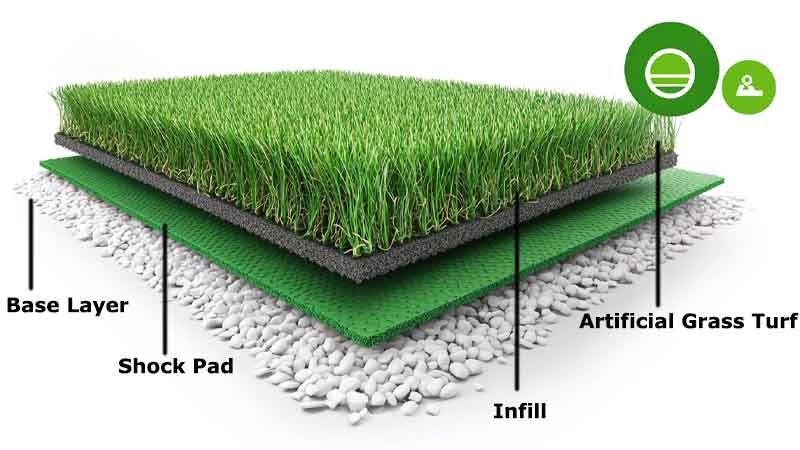
Each part of an artificial grass system is integral to its overall performance. Let’s break down the key components:
Artificial Grass Turf
This is the most visible part of the system. Artificial grass is made from a variety of synthetic fibers, including polyethylene, nylon, and polypropylene. These materials are selected for their durability, flexibility, and ability to withstand harsh weather conditions. When choosing turf, there are several features to consider:
- Blade Height: Turf comes in various pile heights, typically ranging from 20mm to 40mm. The height of the blades impacts the feel and look of the grass. Shorter blades are better for areas with heavy foot traffic, while longer blades offer a more natural look.
- Color: Turf can be a blend of colors to replicate the variety found in real grass. It’s common to see turf with different shades of green to make it appear more lifelike.
- Texture: The texture of the grass is key to its performance. Soft yet durable blades ensure that the grass looks and feels comfortable to walk or play on.
Infill
Infill is placed between the blades of grass and plays a vital role in providing stability, cushioning, and drainage. The infill helps the grass blades stand upright and contributes to the overall feel of the turf. Types of infill materials include:
- Silica Sand: The most common infill material, silica sand adds weight to the turf and helps with drainage.
- Rubber Crumb: Often used in sports applications, rubber crumb provides extra cushioning and shock absorption.
- Cork: A more eco-friendly option, cork is a natural, sustainable material that offers good drainage and reduces the heat retention often associated with synthetic grass.
Backing and Drainage System
The backing of the artificial grass is crucial for ensuring durability and proper water drainage. It’s typically made from materials like polyurethane or latex. A good backing system allows water to pass through easily, preventing pooling and ensuring that the turf stays in top condition even during heavy rain.
- Drainage Holes: Many artificial grass systems come with perforated backing that allows water to drain quickly, keeping the surface dry and free of puddles.
Shock Pads
Shock pads are an essential safety feature of artificial grass systems, particularly in areas where impact is a concern, such as sports fields or playgrounds. These pads are typically made from materials like foam or rubber and are installed beneath the turf to absorb shock and reduce the risk of injury. They act as an additional layer of cushioning, ensuring that players or children playing on the surface are less likely to get hurt during falls or accidents.
At FS Foam, we offer a range of artificial grass solutions, specifically high-quality shock pads for enhanced performance and safety. Contact us today to learn more about how we can help you create the perfect artificial grass system for your needs.
Base Layer
The base layer is the foundation of the artificial grass system. It is usually composed of crushed stone or compacted sand and plays a vital role in ensuring proper drainage, stability, and overall performance. A solid, well-prepared base layer ensures that the turf remains level and secure over time. It also helps to prevent the grass from shifting or becoming uneven after installation.
Benefits of Artificial Grass Systems
Low Maintenance
The most obvious advantage of an artificial grass system is the significant reduction in maintenance. With artificial grass, there’s no need for regular mowing, watering, or fertilizing. You won’t have to worry about weeds, pests, or muddy patches, which makes it an ideal solution for busy individuals or businesses. Simply brush and rinse the surface occasionally, and your lawn will look perfect year-round.
Durability
Artificial grass is designed to withstand the elements. Whether it’s scorching heat, heavy rain, or snow, artificial grass remains resilient. Even in high-traffic areas, the blades won’t wear down or become patchy. Plus, it doesn’t need to be reseeded or replaced like natural grass, making it a long-lasting investment.
Eco-Friendly
While it may seem counterintuitive, artificial grass is an eco-friendly option. It eliminates the need for water-intensive irrigation, fertilizers, and pesticides, all of which can harm the environment. Moreover, artificial grass helps conserve water—an especially important consideration in drought-prone areas.
Aesthetic Appeal
Artificial grass maintains its green color throughout the year, regardless of the season or weather conditions. It looks neat and lush 365 days a year, which means you can enjoy a beautiful, vibrant lawn without any of the hassle associated with traditional grass care.
Safety and Comfort
Artificial grass provides a soft, non-abrasive surface for sports and recreational activities. With shock pads incorporated into the system, it becomes an even safer option for high-impact areas, offering protection against injuries from falls and providing a more comfortable surface for play.
Applications of Artificial Grass Systems
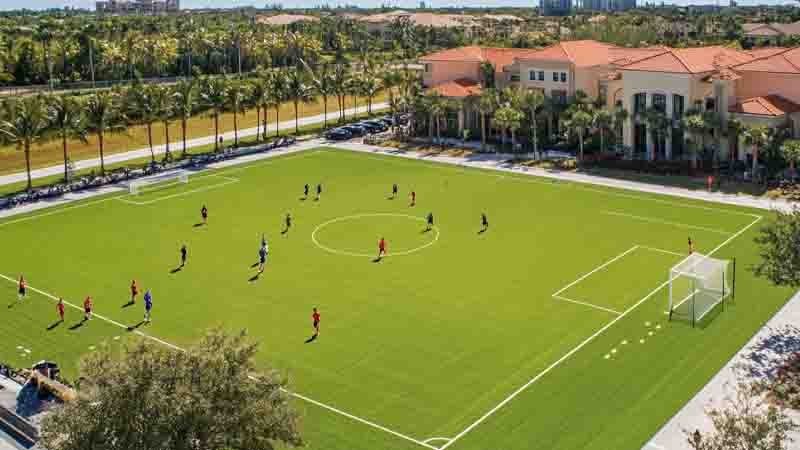
Artificial grass systems are incredibly versatile, and their applications are diverse.
Sports Fields
Sports fields benefit greatly from artificial grass systems. Whether it’s football, soccer, or field hockey, synthetic turf is often used because it can withstand heavy foot traffic and provides a consistent playing surface. The addition of shock pads enhances player safety by cushioning falls and reducing the likelihood of injury.
Residential Use
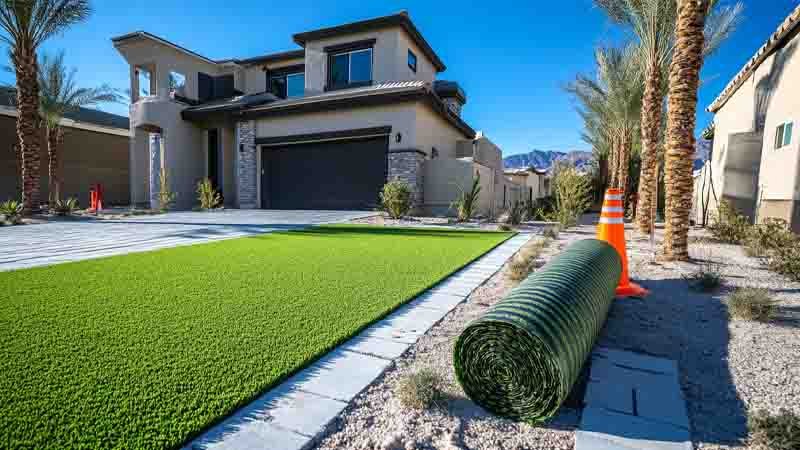
Artificial grass is becoming increasingly popular for residential lawns, patios, and garden areas. It offers a low-maintenance, always-green lawn that’s perfect for those who want the look of a lush garden without the upkeep.
Commercial Spaces
Businesses are also jumping on the artificial grass bandwagon, especially for landscaping purposes. Parks, playgrounds, office buildings, and even shopping malls use artificial grass to create beautiful, low-maintenance green spaces.
Other Applications
Artificial grass can also be used for rooftop gardens, event spaces, and even indoor areas. It’s perfect for creating aesthetically pleasing environments that require little upkeep.
Installation Process
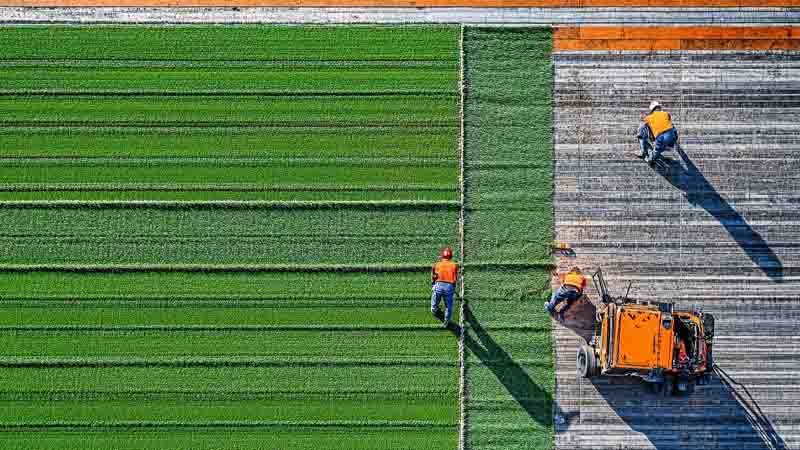
Installing an artificial grass system isn’t a simple DIY project, especially if you want to ensure that it’s durable and functional. It requires proper groundwork, including leveling the area, laying down a base layer, and installing the turf. When installing in sports areas, the addition of shock pads is crucial. These pads should be carefully placed to provide optimal performance.
Maintenance of Artificial Grass Systems
While artificial grass systems are low-maintenance, they do require some upkeep. Brushing the grass periodically helps maintain its appearance, and rinsing it with water ensures that it stays clean. Shock pads, in particular, should be checked periodically for wear and tear to ensure they continue to provide effective cushioning.
Considerations Before Choosing an Artificial Grass System
Before installing an artificial grass system, it’s essential to consider your specific needs. What will the area be used for? What’s your budget? Do you need shock pads for additional safety? Understanding your requirements will help you choose the right turf, infill, and shock pad options.
Conclusion
Artificial grass systems are an excellent choice for anyone looking to enhance their outdoor space with minimal maintenance. Whether for sports, residential, or commercial use, these systems provide lasting beauty, durability, and safety.
FAQs
1. How long does artificial grass last?
Artificial grass can last 15-20 years with proper care, depending on its quality, usage, and environmental conditions. High-quality turf, regular cleaning, and timely maintenance will help extend its lifespan. Over time, the fibers may wear down, but it remains a durable, long-term investment.
2. Is artificial grass safe for pets?
Yes, artificial grass is safe for pets. It’s non-toxic and provides a clean, comfortable surface for pets to play on. Many systems are designed with pet owners in mind, featuring effective drainage to handle waste and easy cleaning to ensure a hygienic environment for pets.
3. Do I need to replace my artificial grass system over time?
While artificial grass doesn’t require replanting like natural grass, it may need periodic maintenance, such as brushing and cleaning, to keep it looking fresh. Over time, the turf may show signs of wear, especially in high-traffic areas, but it typically lasts 15-20 years before needing major replacement.
4. Can I install artificial grass myself?
DIY installation is possible, but it can be challenging, especially for large areas. Proper groundwork, leveling, and drainage are crucial for a lasting result. If you’re unsure, hiring professionals ensures a smoother, longer-lasting installation, especially when incorporating features like shock pads or in sports field applications.
5. Are shock pads necessary for all artificial grass systems?
Shock pads are essential in areas where impact safety is a concern, such as sports fields or playgrounds. They provide cushioning to reduce injury risks from falls. For general landscaping or residential use, shock pads may not be required, but they enhance safety and comfort in high-traffic zones.