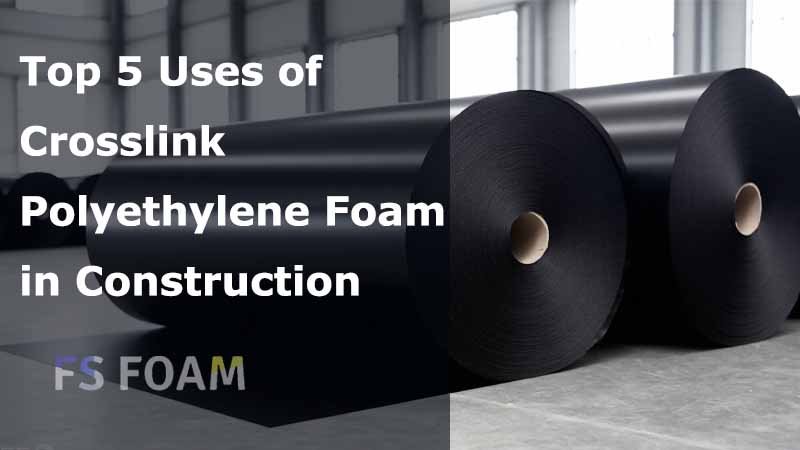
At FS Foam, we know that materials matter. The right material can make all the difference in terms of performance, longevity, and value. When it comes to construction, one material that’s proving its worth in a variety of applications is crosslink polyethylene foam (XPE foam & IXPE foam). It’s incredibly versatile, with a range of densities and thicknesses to suit different needs. But just what makes Crosslink Polyethylene Foam so special? Why is it becoming a go-to option in construction?
In this article, we’ll explore the top five uses of Crosslink Polyethylene Foam in construction. From flooring to thermal insulation, this foam is not just a one-trick pony. Let’s dive in and see how we use XPE foam to enhance building performance, provide comfort, and ultimately help you get the job done better.
1. Flooring Underlayment: The Foundation of Comfort and Protection
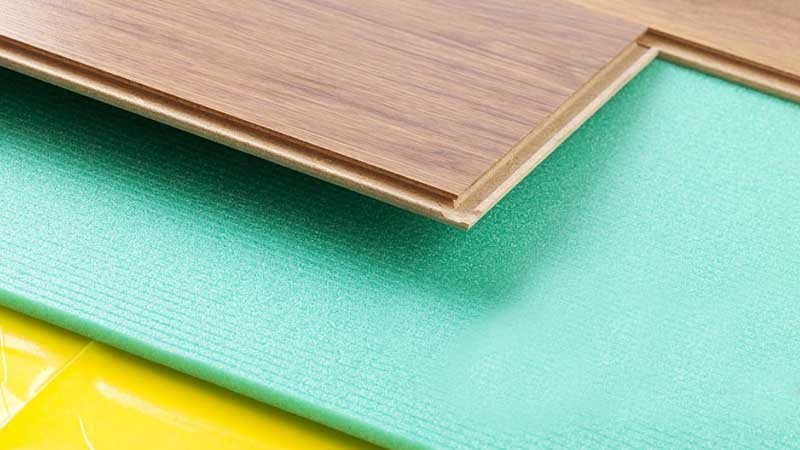
When it comes to flooring, we understand that the foundation matters. A quality flooring underlayment can make a world of difference. Here, IXPE foam shines, particularly the thinner variants, ranging from 50-125 kg/m³ in density and 0.5 to 3 mm in thickness. But what exactly does it do?
Flooring underlayment is essential for a variety of reasons. First, it provides cushioning. This is crucial, not just for comfort underfoot but also for protecting your floors from wear and tear. But beyond that, it serves as an essential barrier. It helps with moisture control, reduces sound transmission, and provides insulation. And that’s where IXPE foam comes into play. Its ability to compress without losing its shape makes it a fantastic choice for keeping your floors intact and quiet, absorbing shock, and creating a more pleasant environment.
Imagine walking across a cold, hard floor with no underlayment. The difference is palpable. With XPE foam, the floor feels warmer, quieter, and more stable. It’s a small addition that yields impressive results, especially when you consider how easy it is to install.
We’ve worked with this material in everything from laminate to vinyl flooring installations. The combination of durability and sound dampening makes it an indispensable part of any flooring system. Whether you’re looking to reduce footstep noise in a commercial space or create a more comfortable home environment, XPE foam underlayment is a proven winner.
2. Auxiliary Floor Sound Insulation Pad: Silence, at Last
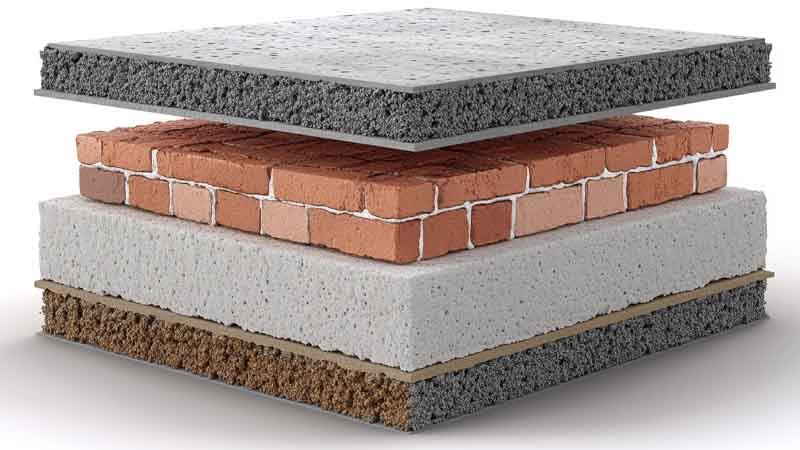
Noise—whether it’s from traffic, neighbors, or just the hustle and bustle of daily life—is something we all want less of. In construction, managing sound transmission is just as important as managing heat or moisture. That’s where the auxiliary floor sound insulation pad comes into play.
We often turn to XPE foam (specifically at a density of around 30 kg/m³ and thicknesses ranging from 3 to 6 mm) for this application. Its ability to absorb sound is outstanding, and it’s perfect for high-traffic areas, residential units, and office buildings where acoustics are a concern. The foam serves as a buffer, preventing sound from traveling through floors and walls. This is especially valuable in multi-story buildings, where noise from above or below can easily become a nuisance.
Imagine the peace of mind that comes with knowing that your office or home is protected from unwanted noise. The auxiliary floor sound insulation pad made from XPE foam doesn’t just keep things quiet—it also helps create a more productive, peaceful environment. It’s not just about soundproofing, either; it’s about improving the overall acoustics of a space, whether you’re installing a new floor or updating an existing one.
XPE foam’s performance in sound insulation is remarkable, but what sets it apart is its versatility. It can be customized to meet the specific needs of different spaces, depending on the noise level and floor design. When we’re called in to help improve the acoustics of a building, we know we can rely on XPE foam to do the job right.
3. Air Conditioner Thermal Insulation Barrier: Keeping Cool, Reducing Costs
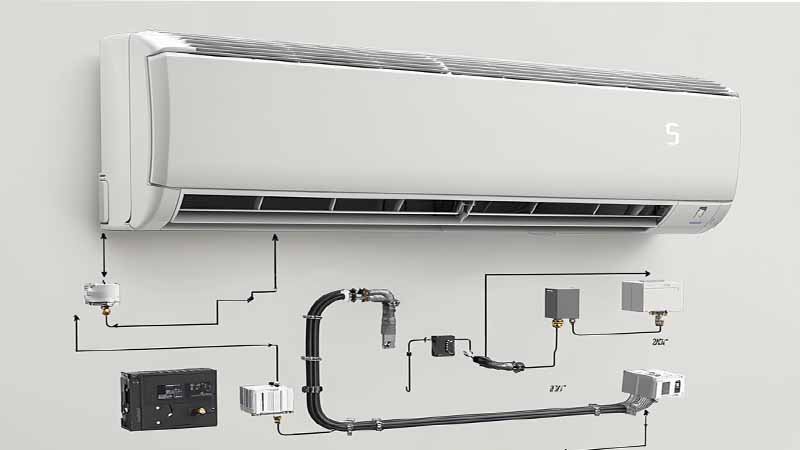
When it comes to keeping buildings at a comfortable temperature, air conditioners are essential. But we all know that air conditioning can be expensive, especially when it’s not working as efficiently as it could be. That’s where thermal insulation barriers come into play.
For air conditioning systems, XPE foam—typically in densities between 25-28 kg/m³—is often used to insulate ducts, pipes, and units. The foam acts as a thermal barrier, reducing heat loss and improving energy efficiency. By preventing heat from escaping, it ensures that the air conditioner doesn’t have to work harder than necessary to cool the air. The result? Lower energy consumption and reduced costs.
It’s a simple yet effective way to enhance the performance of HVAC systems. By wrapping ducts or units with XPE foam, we can reduce thermal conductivity and prevent any unwanted temperature fluctuations. And because XPE foam is lightweight and durable, it’s easy to apply without taking up too much space. It also resists moisture, which is a huge bonus for air conditioning systems that deal with condensation.
Whether you’re retrofitting an older building or installing new HVAC systems, XPE foam is a go-to material for reducing energy loss. It’s just one more way we can make buildings more sustainable, more cost-effective, and ultimately more comfortable to live and work in.
4. HVAC Thermal Insulation Foam: A More Efficient Climate Control System
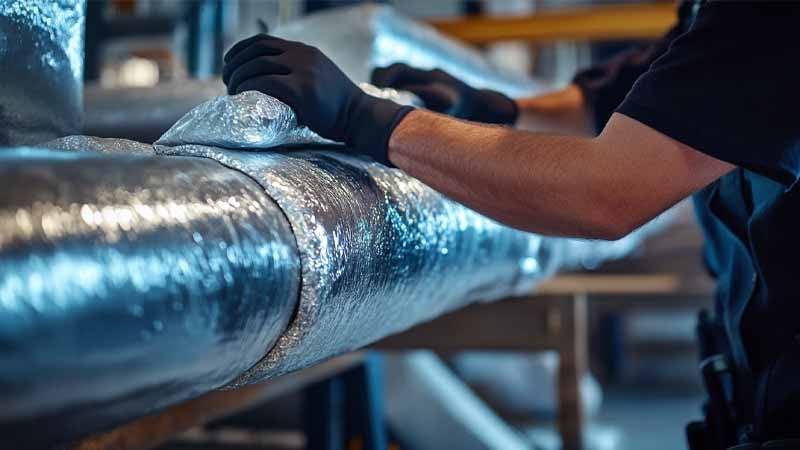
When we talk about HVAC thermal insulation, we’re talking about a fundamental aspect of modern construction. The comfort of a building—whether it’s an office, hospital, or school—depends on the efficiency of its climate control systems. XPE foam is crucial in this equation.
XPE foam in densities between 25-28 kg/m³, with thicknesses ranging from 8 to 50 mm, serves as an excellent insulating material for HVAC applications. Its closed-cell structure traps air and reduces heat transfer, ensuring that air circulates efficiently without losing or gaining heat along the way. This makes it an ideal choice for insulating ducts, pipes, and tanks in both commercial and residential settings.
We’ve worked with many clients who’ve seen their energy bills drop significantly after using XPE foam for HVAC thermal insulation. And it’s not just about the savings—better thermal performance also translates to better comfort. Whether you’re in a building with extreme temperatures or just want to ensure that your HVAC system is running smoothly, XPE foam is an indispensable part of the equation.
The beauty of using XPE foam in HVAC systems is that it’s durable, moisture-resistant, and easy to maintain. Unlike some other materials, XPE foam doesn’t degrade over time, meaning it continues to perform at its best for years to come.
5. 3D Wallpaper: The Art of Innovation
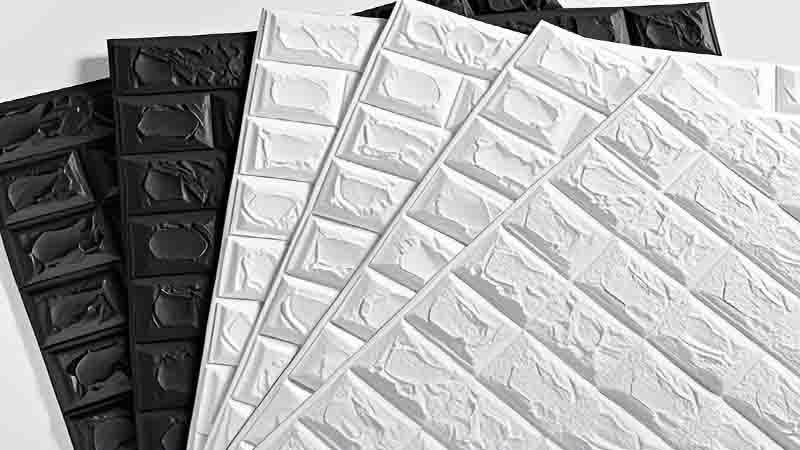
Finally, let’s talk about something a little more creative—3D wallpaper. It might sound like something from a design magazine, but 3D wallpaper is rapidly gaining traction in construction and interior design. And guess what? XPE foam is at the heart of it.
This foam material is used for creating textured, lightweight, and durable wall coverings that can transform any space. We’ve seen 3D wallpaper made from XPE foam in commercial settings, residential homes, and even hotels. It’s flexible, easy to install, and most importantly, it’s a sustainable alternative to traditional wall materials.
With XPE foam, we can create stunning visual effects that don’t just look good—they’re practical, too. The foam serves as an added layer of insulation, improving both acoustics and thermal efficiency. So, while your walls look fantastic, they’re also working to improve the overall energy efficiency of the room.
The best part? XPE foam is customizable. Whether it’s creating intricate designs or simple geometric patterns, this foam allows for endless possibilities. It’s a fantastic example of how construction materials can be used in innovative ways, enhancing the aesthetic and functional qualities of a space.
Conclusion
As we’ve seen, XPE foam isn’t just a one-size-fits-all solution. From flooring underlayment to thermal insulation, to cutting-edge 3D wallpaper, this material offers unparalleled versatility in the construction industry. With its ability to adapt to a wide range of applications, XPE foam helps us meet the demands of modern construction while improving comfort, efficiency, and sustainability.
At FS Foam, we’re excited to continue working with XPE foam and exploring new ways to bring its benefits to construction projects worldwide. Whether you’re renovating an existing space or building from the ground up, XPE foam is a material you can trust to deliver the results you need.
If you’d like to learn more about how XPE foam can benefit your next construction project, reach out to us at FS Foam. Let’s work together to build a better future—one foam solution at a time.
FAQs
What is XPE foam used for in construction?
XPE foam is versatile, used in construction for applications like flooring underlayment, sound insulation, air conditioning thermal barriers, HVAC insulation, and even 3D wallpaper. Its durability, cushioning properties, and insulation capabilities make it ideal for improving comfort, energy efficiency, and soundproofing in various building projects.
How does XPE foam contribute to energy efficiency?
XPE foam helps improve energy efficiency by providing thermal insulation, reducing heat transfer. When used in air conditioning systems, HVAC ducts, or insulation pads, it minimizes energy loss, ensuring that buildings maintain consistent temperatures. This results in reduced energy consumption and lower utility bills, contributing to overall sustainability.
Can XPE foam be customized for specific applications?
Yes, XPE foam can be customized in terms of density, thickness, and shape to meet the requirements of specific applications. Whether it’s used for flooring underlayment, sound insulation, or HVAC thermal barriers, it can be tailored to provide optimal performance, ensuring maximum effectiveness in each unique construction project.
Is XPE foam resistant to moisture and mold?
Yes, XPE foam is highly resistant to moisture, making it an excellent choice for environments prone to humidity. Its closed-cell structure prevents water absorption, which helps reduce the risk of mold and mildew growth. This makes XPE foam particularly valuable for flooring and HVAC applications in damp areas.
How long does XPE foam last in construction applications?
XPE foam is a durable, long-lasting material designed to withstand wear and tear. It resists degradation from UV light, moisture, and pressure. Depending on the application, it can last for many years without significant loss of performance, making it a cost-effective solution for long-term construction projects and installations.