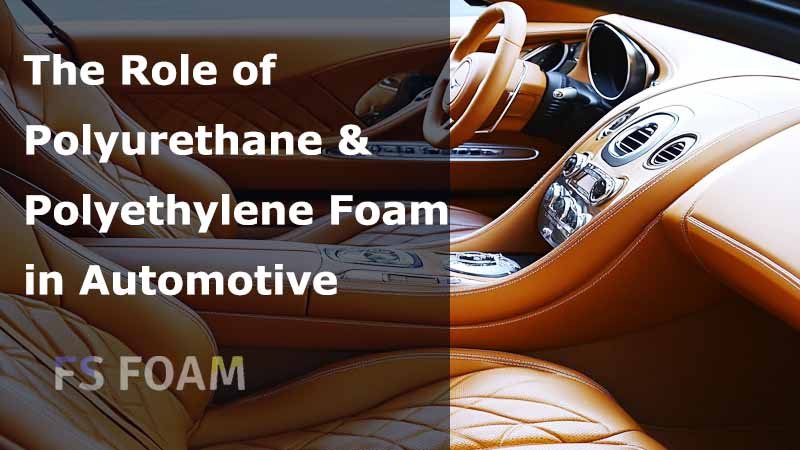
In the fast-paced world of automotive manufacturing, the materials used on the production line are crucial for the safety, performance, and efficiency of the final product. Specialized materials like foams, especially polyurethane and polyethylene foams, play a key role in enhancing vehicle safety, comfort, and durability. At FS Foam, we provide high-quality raw foam materials to support automotive manufacturers. In this article, we’ll explore how these foams are used and how FS Foam helps meet the industry’s needs.
Understanding Polyurethane Foam
What is Polyurethane Foam?
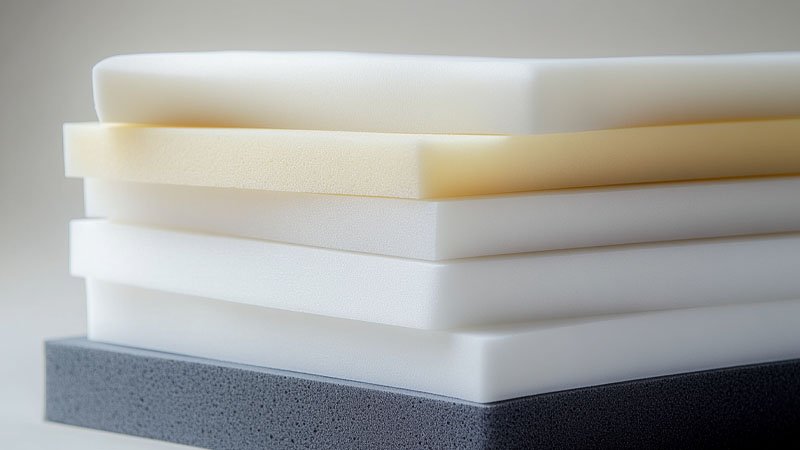
Polyurethane foam is a flexible, durable material that balances comfort and strength. It’s lightweight and absorbs shocks, making it ideal for many automotive uses. Polyurethane foam is created by mixing chemicals that form a foam structure. This foam can be made in different densities and firmness levels, allowing it to be used in a wide range of automotive applications.
Benefits of Automotive Manufacturing
Polyurethane foam offers many benefits in the automotive industry. Its impact resistance protects vehicle parts during assembly, where parts are handled and moved around. The foam absorbs impacts, preventing damage to sensitive components.
The foam is also excellent at shock absorption, which helps protect parts during transportation. This is important for ensuring parts arrive at the assembly line without damage. Finally, polyurethane foam is highly flexible. It can be shaped into different forms, and its density can be adjusted to meet the specific needs of each part.
Applications of Polyurethane Foam in Automotive Manufacturing
Polyurethane foam is used in many areas of automotive manufacturing. It’s most commonly found in vehicle seating, where it provides comfort and support. It’s used in cushions, backrests, and armrests, ensuring a smooth, comfortable ride.
The foam also helps in vehicle interior components, such as headliners, door panels, and other parts. It provides cushioning, absorbs sound, and reduces vibrations, making the driving experience better.
Polyurethane foam is also used in protective packaging. It cushions and shields parts during transport, preventing damage to delicate components, like electronics and mirrors.
Exploring Polyethylene Foam
What is Polyethylene Foam?
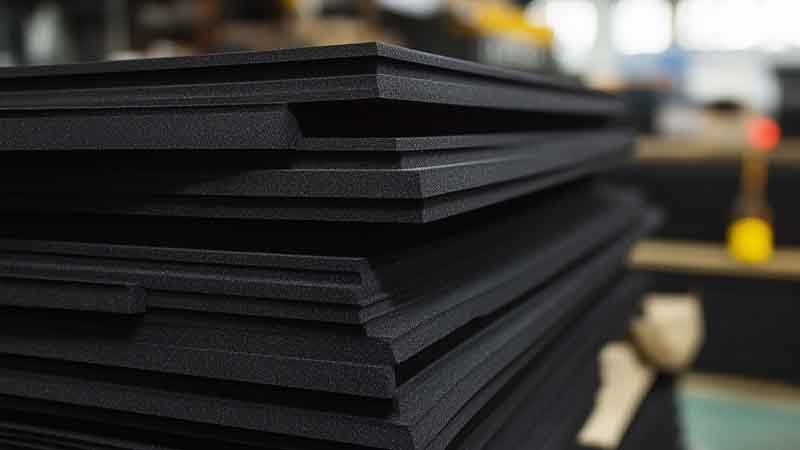
Polyethylene foam has a closed-cell structure, which makes it strong and lightweight. This foam doesn’t absorb water, which helps it resist moisture, chemicals, and wear and tear. It’s strong and offers great protection against impacts.
Benefits of Automotive Manufacturing
The closed-cell structure of polyethylene foam makes it a great material for impact absorption. It protects sensitive automotive parts from damage during assembly and transportation. Whether it’s the body panels or interior parts, polyethylene foam helps keep everything in good condition.
Polyethylene foam is also lightweight, which helps reduce the overall weight of the vehicle. This can improve fuel efficiency and vehicle performance. It’s also easy to shape, allowing manufacturers to create custom parts for different components.
Applications of Polyethylene Foam in Automotive Manufacturing
Polyethylene foam is often used in protective packaging to cushion sensitive parts during transport. Its durability and lightweight nature make it ideal for use in vehicle body components, where it protects without adding unnecessary weight.
It is also used in seating applications, offering additional comfort and protection. In addition, polyethylene foam is used in soundproofing and insulation, helping reduce noise and improve the overall driving experience.
The Importance of Polyurethane and Polyethylene Foams in Automotive Manufacturing

Polyurethane and polyethylene foams work together to support automotive manufacturing in different ways. Polyurethane foam provides cushioning and impact resistance, while polyethylene foam offers protection and reduces weight.
These foams are essential in different stages of production. They protect parts during assembly, help with transportation, and ensure that the final vehicle meets safety and performance standards. Together, they improve safety, efficiency, and the overall performance of the manufacturing process.
How FS Foam Supports the Automotive Industry
At FS Foam, we supply high-quality polyethylene and polyurethane foams to the automotive industry. While we don’t directly convert the foam for automotive use, we provide the raw materials that manufacturers need to build safe and high-performing vehicles.
We are committed to quality in every batch of foam we provide. We work closely with our customers to meet their specific needs, ensuring that our foams are the right fit for each project. Whether it’s for protective packaging, interior components, or other uses, FS Foam is your trusted partner in providing premium foam materials for automotive applications.
Conclusion
Polyurethane and polyethylene foams play a key role in automotive manufacturing. They help improve vehicle safety, comfort, and performance by protecting parts during transport, reducing vehicle weight, and enhancing comfort. At FS Foam, we understand how important these materials are and are dedicated to supplying the highest-quality foams for the automotive industry.
If you’re looking for reliable foam materials for your automotive applications, don’t hesitate to reach out to us. We’re here to help you with the foam solutions you need to boost safety, performance, and innovation in your manufacturing process.
FAQs
What types of foam does FS Foam provide for automotive use?
FS Foam supplies high-quality polyethylene and polyurethane foams. These foams are used in various parts of vehicle manufacturing, including packaging, seating, and interior components. They offer durability, impact resistance, and cushioning to ensure safety and performance.
Can FS Foam help with custom foam solutions for automotive needs?
Yes! FS Foam works closely with automotive manufacturers to provide custom foam solutions. We tailor our foams to meet the design, durability, and performance needs of each project, helping manufacturers improve safety, comfort, and efficiency.
What makes FS Foam’s products stand out in the automotive industry?
FS Foam is committed to high-quality foams that meet strict industry standards. Our polyethylene and polyurethane foams are known for their durability, impact resistance, and flexibility. We provide reliable raw materials to help manufacturers achieve top-notch safety, performance, and efficiency.
How does FS Foam ensure the quality of its foam materials?
At FS Foam, we use strict quality control measures. From sourcing materials to testing the final product, we ensure our foams meet high standards for safety, durability, and performance. Our dedication to quality helps automotive manufacturers trust our materials.
What are the key benefits of using polyurethane and polyethylene foams in automotive manufacturing?
Polyurethane and polyethylene foams are lightweight, durable, and provide excellent impact resistance. They protect parts during assembly and transport, reduce vehicle weight for better fuel efficiency, and enhance comfort and safety, helping manufacturers improve production standards.