
When it comes to spending a day on the water, choosing the right water mat can make all the difference between a relaxing experience and a frustrating one. If you’ve ever found yourself pondering whether to go for a foam floating mat or an inflatable water mat, you’re not alone. We’ve all been there, standing at the edge of the water, wondering which option would best serve our lounging needs. With so many variables—comfort, portability, durability, and cost—it’s easy to get caught in the maze of choices. That’s why we’re here to break it all down for you. Let’s dive into the ultimate comparison between foam floating mats and inflatable water mats. Spoiler alert: By the end of this article, you’ll know exactly which mat is right for your next water adventure.
What Is a Foam Floating Mat?
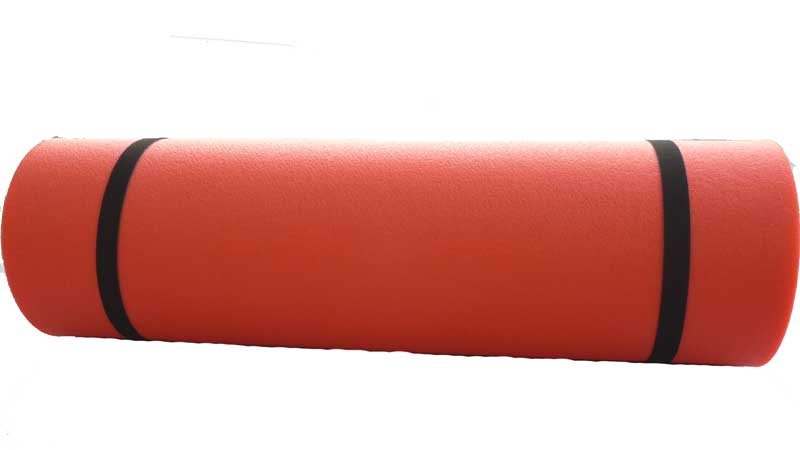
Foam floating mats have become synonymous with lazy summer days spent drifting on the water.
But what exactly are they, and how are they created?
How Foam Floating Mats Are Made
Foam floating mats are constructed from durable closed-cell foam, which is both lightweight and buoyant. The foam is typically made from materials like XPE (cross-linked polyethylene) or EVA (ethyl vinyl acetate). These materials are chemically treated to create a foam that’s not only soft and cushioned but also resistant to water absorption. This means that even after hours of floating, they won’t get waterlogged or heavy. The foam mats are often available in large, single-piece designs that offer expansive space for multiple users.
Key Features of Foam Floating Mats
One of the key features of foam floating mats is their simplicity. They don’t require any pumps or inflation—just unroll them, and you’re ready to go. These mats are also incredibly lightweight, making them easy to move around, even when wet. Plus, they’re typically resistant to UV rays, so they won’t degrade quickly under the sun.
Pros of Foam Floating Mats
The beauty of foam floating mats lies in their low-maintenance nature. No fuss, no setup—just pure relaxation. They offer a stable and supportive surface to lay on, providing cushioning without being too soft. Their resistance to water and UV rays makes them long-lasting, and their large, flat surface area is perfect for groups or family fun.
Common Uses of Foam Floating Mats
Foam mats are ideal for lounging, sunbathing, and casual water play. You’ll often see them used at lakes, beaches, or pools, providing an effortless way to float and relax. They’re also great for yoga enthusiasts who want to practice their poses while floating gently on the water’s surface.
What Is an Inflatable Water Mat?

If you’re seeking a more customized floating experience, inflatable water mats might be more your speed. Let’s explore what makes these mats tick.
How Inflatable Water Mats Are Designed
Inflatable water mats are crafted from durable, puncture-resistant materials such as PVC or vinyl. They feature air chambers that can be inflated to provide a cushioned surface, which allows for adjustable firmness. Many inflatable mats come with built-in ropes for easy tethering to docks, boats, or other floating objects, and some even have cup holders for your convenience. Unlike foam mats, inflatable mats are often more compact when deflated.
Key Features of Inflatable Water Mats
The primary selling point of inflatable water mats is their versatility. Their size and firmness can be adjusted according to your preference, providing more control over the floating experience. They can also be easily rolled up and stored when not in use, which is a huge advantage for those with limited storage space.
Pros of Inflatable Water Mats
Inflatable mats tend to offer a more cushioned feel, and with the ability to control inflation, you can tweak the firmness level to your liking. They’re also typically lighter than foam mats, making them more portable. Plus, inflatable mats come in a range of shapes, sizes, and even designs—allowing you to personalize your floating experience.
Popular Uses for Inflatable Water Mats
Inflatable water mats are often used for family vacations, pool parties, and leisure activities like drifting down rivers or relaxing by the beach. Their customizable nature makes them perfect for those who want something more than a basic floating mat.
What Are the Differences Between Foam Floating Mats and Inflatable Water Mats?
Now that we’ve established what each type of mat is and how they’re made, let’s dig deeper into the core differences.

Material Differences: Foam vs Inflatable Materials
Foam mats are made from closed-cell foam, offering a durable, solid structure that won’t take on water. Inflatable mats, on the other hand, are designed with air chambers that can be inflated or deflated to adjust the firmness. While foam mats provide a firm, flat surface, inflatable mats are softer and more adjustable. The material differences affect everything from comfort to durability. Foam mats are generally better for long-term use in harsh conditions, while inflatable mats offer a more cushioned floating experience.
Cost Comparison: Which One Offers Better Value?
When it comes to cost, foam floating mats tend to be more expensive upfront due to the materials used in their construction. However, they often last longer and require less maintenance, which makes them a better long-term investment. Inflatable mats are typically cheaper but might incur additional costs in terms of air pumps or repairs for punctures.
Ease of Use: Which Is More User-Friendly?
Foam mats win the ease-of-use category hands down. All you have to do is roll them out, and you’re good to go. There’s no need for inflation, deflation, or worrying about punctures. Inflatable mats, however, require setup time, especially if you need to inflate them with a pump. While they are user-friendly once inflated, they require a little more attention and preparation before you can use them.
Space Considerations: Which One Saves More Space?
When it comes to storage, inflatable mats take the prize. They can be deflated and packed into small, compact bags, making them ideal for those with limited storage space. Foam mats, on the other hand, take up more space due to their larger, solid form. You may need to roll them up or stack them, but they’ll always require more room than their inflatable counterparts.
Versatility: Which Mat Offers More Options?
Inflatable water mats offer the most customization. With adjustable air chambers, you can control how firm or soft your mat feels. Additionally, inflatable mats come in various shapes, sizes, and even colors, which allows for more personality and variety. Foam mats, though simple, are available in various sizes, but they don’t offer the same level of customization.
Water Stability: How Well Do They Perform in Waves?
When it comes to water stability, foam mats tend to hold up better in choppy or windy conditions. Their solid construction makes them less susceptible to shifts or movements in the water. Inflatable mats can struggle with stability in rough waters, as they are lighter and more affected by waves or wind. If you’re looking for a mat to use on the open sea, foam floating mats are probably your best bet.
The Comfort Factor: Which Mat Feels Better Under You?
Inflatable water mats win here in terms of comfort. With adjustable air chambers, you can fine-tune the firmness to your liking, making them a bit more comfortable for extended lounging. Foam mats, while supportive and cushioned, are firmer and less adjustable. If you’re looking for a plush experience, inflatable mats may be more appealing.
Cleaning and Maintenance: Which Is Easier to Care For?
Foam floating mats are virtually maintenance-free. They don’t require inflation, and they can be easily hosed down or wiped off after use. Inflatable mats, however, require more attention—especially when it comes to maintaining air pressure and checking for punctures. Foam mats are a low-maintenance option.
Portability and Storage: Are They Travel-Friendly?
Inflatable water mats are far more portable, as they can be deflated and rolled up into compact sizes. They’re ideal for travel, and you can fit them into a small bag or container. Foam floating mats, while light, are bulkier and harder to store or transport.
Design and Aesthetics: Which One Looks Better on the Water?
Foam mats tend to have a more classic, solid look, with bold colors that make them stand out on the water. Inflatable mats, however, often come with more stylish and customizable designs, offering a wider range of colors and patterns. If aesthetics are important to you, inflatable mats give you more options.
Environmental Impact: Which One Is More Eco-Friendly?
Foam mats tend to have a smaller environmental footprint, especially if they’re made from recyclable materials like XPE or EVA foam. Inflatable mats, on the other hand, are typically made from PVC, a plastic material that is not as eco-friendly. If sustainability is important to you, foam mats may be the better choice.
A Detailed Comparison Table of Both
| Feature | Foam Floating Mats | Inflatable Water Mats |
|---|---|---|
| Material | Closed-cell foam (XPE/EVA) | PVC or Vinyl |
| Durability | High (Waterproof, UV resistant) | Moderate (Puncture risk) |
| Comfort | Firm, cushioned | Soft, adjustable |
| Setup/Inflation | No inflation needed | Requires inflation |
| Portability | Bulky but lightweight | Compact, travel-friendly |
| Cost | Higher upfront, low maintenance | Lower upfront, maintenance needed |
| Aesthetics | Bold colors, simple design | Customizable, varied designs |
| Environmental Impact | More eco-friendly | Less eco-friendly |
Conclusion: Which Water Mat Should You Choose?
Choosing between a foam floating mat and an inflatable water mat depends on your priorities. If you value low maintenance, immediate use, and stability, foam mats are the way to go. However, if customization, compact storage, and adjustability are more important, inflatable mats might be better suited to your needs.
If you’re still unsure about which water mat to choose, feel free to reach out to us for expert advice. FS Foam has been specializing in water mat manufacturing for over 10 years and is here to help you make the right choice.
FAQs
Are Foam Floating Mats More Durable Than Inflatable Water Mats?
Yes, foam floating mats are generally more durable than inflatable water mats. Foam mats don’t rely on air for support, so they are less prone to punctures or leaks. Inflatable mats, however, can be vulnerable to sharp objects and require careful handling to maintain their integrity.
Can You Use Both Foam Mats and Inflatable Mats on Any Water?
Both foam floating mats and inflatable water mats can be used on lakes, rivers, and calm waters. However, foam mats offer better stability in choppy or rough waters due to their solid structure, while inflatable mats may struggle with stability in windy or turbulent conditions.
What’s the Best Way to Clean and Care for My Mat?
Cleaning foam mats is simple—just rinse with water and mild soap. For inflatable mats, deflate and wipe them down with a damp cloth. Regular maintenance for inflatable mats includes checking for air leaks and ensuring the material stays intact, especially after exposure to sun or saltwater.
Are Foam Floating Mats Better for Large Groups or Solo Use?
Foam floating mats are ideal for large groups as they offer more surface area for multiple people to enjoy at once. Inflatable mats, however, tend to be better for solo use or small gatherings, as they’re smaller and more easily adjustable to personal needs.
Which Mat Is More Comfortable for Lounging?
Inflatable mats tend to offer a more customizable lounging experience, with adjustable firmness to suit personal comfort. Foam mats provide a more consistent surface that some may find firmer, but it offer reliable support for lounging, especially for those who prefer a less bouncy or cushioned feel.