
There’s something incredibly satisfying about gliding across the water on a foam floating mat. Whether it’s in a pool, a lake, or the beach, these mats offer an easy way to relax, play, or even get some light exercise. But as with all good things, they’re not invincible. Over time, exposure to the elements, improper care, or even just frequent use can degrade the mat’s material and affect its buoyancy and comfort.
So, how do we ensure that our foam floating mat lasts as long as possible? In this guide, we’ll dive into the key factors that impact its longevity, explore the best practices for storing and caring for it, and provide tips on maintaining and repairing your mat to keep it floating for seasons to come.
What Affects the Durability of Foam Floating?
At first glance, foam floating mats might seem like low-maintenance products, but several factors influence their durability. Environmental elements, handling practices, and the type of foam material used are crucial in determining how long the mat will last.
Key Factors That Impact Foam Durability
The material, exposure to water, UV rays, and physical wear all contribute to how quickly a foam mat will show signs of damage. Foam mats made from low-quality materials may degrade faster under sun exposure, or lose their buoyancy when exposed to harsh chemicals or saltwater. On the other hand, if treated properly, high-quality foam materials can last much longer.
Environmental Elements That Accelerate Wear and Tear
Excessive exposure to UV rays, saltwater, chlorine, and temperature extremes can all weaken the structure of foam mats. Over time, UV radiation from the sun can cause the foam to become brittle, lose its color, and even crack. Saltwater and chlorine can erode the material, especially if the mat isn’t cleaned and dried properly after each use.
Common Mistakes That Can Shorten the Lifespan of Foam Floating Mats
Improper storage, neglecting to clean the mat, and leaving it exposed to the sun for extended periods are all common missteps that can shorten the lifespan of a foam floating mat. Being mindful of how we handle our mats can make a significant difference in how long they last.
Why Longevity Matters for Foam Floating Mat?
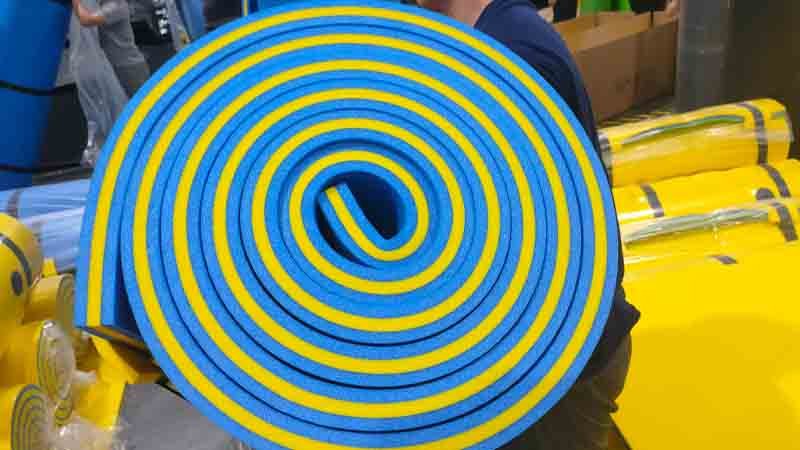
When we invest in a foam floating mat, we want to get as much use out of it as possible. But there’s more to longevity than just saving money; it’s about performance, safety, and environmental responsibility.
The Cost-Effectiveness of Long-Lasting Foam Mats
While we might be tempted to buy a cheap foam mat, its shorter lifespan could cost us more in the long run. Choosing a durable, high-quality mat ensures we don’t have to keep replacing it year after year. Not to mention, a well-maintained mat retains its buoyancy and comfort, which is exactly why we bought it in the first place.
Ensuring Safety and Performance Over Time
A worn-out mat isn’t just inconvenient; it can also pose safety risks. A foam mat that has lost its buoyancy or has cracks and holes may not float as effectively, making it less stable. It’s essential to keep the mat in good condition to ensure it performs safely and as expected.
The Environmental Impact of Disposing of Worn-Out Mats
Foam mats, especially those made from certain synthetic materials, can take years to decompose. By extending the life of our mats, we’re not just saving money but also helping reduce waste and environmental impact.
Choosing the Right Foam for Floating Mat
If we want our foam floating mats to last, we need to start by choosing the right material. Not all foam is created equal, and the type of foam we select will significantly affect how durable our mat is.
Types of Foam Used in Floating: Closed-cell vs. Open-cell Foam
The most commonly used types of foam for floating mats are closed-cell foam and open-cell foam. Closed-cell foam is made of small, tightly packed cells that do not absorb water. This makes it resistant to water damage, mold, and mildew. Open-cell foam, on the other hand, has larger, interconnected cells that allow water to penetrate, which can weaken the foam over time.
The Benefits of Closed-Cell Foam for Longevity
Closed-cell foam is the superior choice for floating mats because it resists water absorption and is more resilient to wear and tear. It holds its shape longer, doesn’t absorb moisture, and can withstand prolonged sun exposure without degrading quickly.
Why Open-Cell Foam May Wear Out Faster in Floating Mats
Open-cell foam, while lighter and softer, tends to break down faster when exposed to water, UV rays, or harsh weather conditions. It can also lose its buoyancy quicker, leading to a less comfortable floating experience.
Key Features to Look for in Durable Floating Foam Materials
When choosing foam, make sure it has the following features:
- Resistance to Water, UV, and Temperature Changes: This ensures it won’t deteriorate quickly, even with prolonged exposure.
- Density and Thickness for Maximum Durability: Thicker and denser foam will hold up better underweight and stress, making it more durable in the long run.
Why XLPE foam floating mat is a better choice?
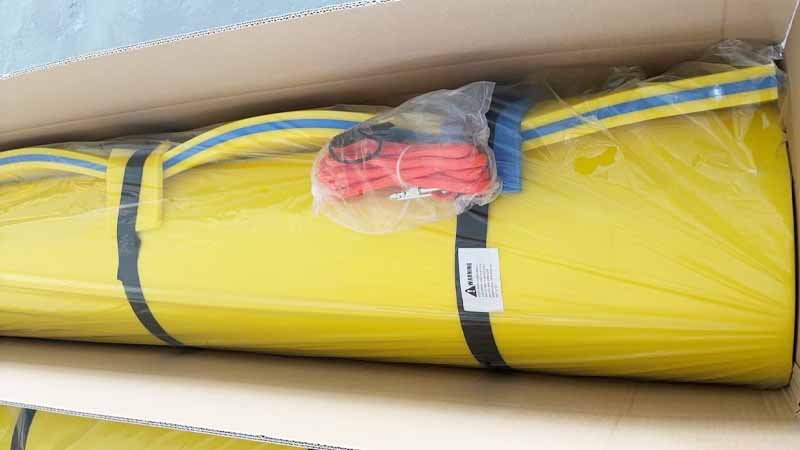
When it comes to choosing the best material for foam floating mats, XLPE (Cross-Linked Polyethylene) foam stands out for its impressive durability, performance, and versatility. If you’re seeking a reliable and long-lasting floating mat that can withstand the elements while offering a comfortable and safe experience, XLPE foam is the clear winner. Here’s why:
Unmatched Durability
One of the main reasons XLPE foam is considered a better choice for floating mats is its exceptional durability. Thanks to the cross-linking process during manufacturing, XLPE foam has a more robust molecular structure compared to traditional polyethylene. This makes it more resistant to physical wear and tear, ensuring that your mat can withstand prolonged exposure to sunlight, water, and rough handling. Whether you’re using it in a lake, pool, or ocean, XLPE foam maintains its integrity longer than other materials, offering excellent longevity.
Superior Buoyancy
XLPE foam is known for its outstanding buoyancy, making it ideal for use as a floating mat. The closed-cell structure of XLPE foam prevents water absorption, ensuring the mat remains lightweight and buoyant even after extended use. This means that you can enjoy hours of relaxation without worrying about sinking or the mat becoming waterlogged. XLPE foam’s high buoyancy ensures a stable and safe floating experience for all users, from children to adults.
UV and Weather Resistance
Another reason XLPE foam stands out is its excellent resistance to UV rays and various weather conditions. Prolonged sun exposure can cause many foam materials to degrade, leading to cracking, fading, or a reduction in buoyancy. However, XLPE foam is specially designed to resist UV degradation, allowing it to retain its strength and color even after months of exposure to the sun. Whether it’s scorching summer heat or the cold winter months, XLPE foam floating mats are built to endure diverse weather conditions, making them suitable for year-round use.
Low Maintenance
XLPE foam requires minimal maintenance, making it an attractive option for those looking for a hassle-free floating mat. Due to its closed-cell structure, XLPE foam is not only resistant to water absorption but also highly resistant to mold and mildew growth, common issues with other types of foam. Cleaning is straightforward—just rinse the mat with fresh water to remove dirt and saltwater residue. Since XLPE foam doesn’t absorb moisture, there’s no need to worry about mold or unpleasant odors building up, which means less effort in keeping your mat in top condition.
Comfortable and Safe
Comfort is another major factor when selecting a floating mat. XLPE foam offers a smooth and cushioned surface that provides a comfortable floating experience. The material’s resilience allows for a soft, yet firm feel, which enhances comfort while lounging on the mat for hours. Additionally, XLPE foam is non-toxic and eco-friendly, ensuring that you’re not only choosing a safe product for yourself but also a more sustainable one for the environment.
Eco-Friendly Option
In today’s world, where environmental awareness is at an all-time high, selecting sustainable materials has become more crucial than ever. XLPE foam is often considered an eco-friendlier option compared to other foam types. Since it is non-toxic and fully recyclable, XLPE foam reduces the environmental impact both in its production and disposal. Unlike some foam materials that release harmful chemicals into the water or air, XLPE foam ensures a safer, more sustainable floating experience.
Cost-Effectiveness in the Long Run
Though XLPE foam floating mats may come with a slightly higher initial cost compared to other materials, their long-lasting durability and low maintenance requirements make them a more cost-effective option in the long run. You won’t have to replace your XLPE foam mat as frequently as you might need to with cheaper alternatives, which ultimately saves you money. Plus, the peace of mind that comes with knowing your mat will maintain its buoyancy and structural integrity over time makes the investment worthwhile.
Versatility in Use
XLPE foam floating mats aren’t just for leisurely lounging—they are incredibly versatile and can be used for various recreational activities. Whether you’re looking to use your floating mat for sunbathing, yoga, or even as a platform for water sports, XLPE foam provides the ideal surface. Its strength and buoyancy make it perfect for holding up under different activities, giving you more ways to enjoy your time on the water.
Proper Storage Techniques for Foam Floating Mat

Storage is one of the most overlooked aspects of foam mat maintenance. The way we store our mats when not in use can directly impact their longevity.
The Impact of Temperature and Humidity on Foam Durability
Extreme temperatures and high humidity can break down the material. For instance, storing your foam mat in direct sunlight or a damp area can lead to warping, fading, and premature breakdown. It’s essential to store the mat in a cool, dry place away from the sun.
How Temperature Extremes Can Weaken Foam Materials
Exposing the mat to extreme heat or cold can cause the foam to become brittle, compromising its integrity. Over time, this can lead to cracks and a reduction in buoyancy.
Best Practices for Storing Foam Floating Items During Off-Seasons
When the season ends, it’s crucial to clean and dry the mat thoroughly before storing it. Avoid folding it, as this can cause permanent creases or damage the foam. Instead, roll the mat loosely and store it in a protective cover or bag.
How to Avoid Compression Damage While Storing Foam Products
Never store your mat under heavy objects or in a place where it will be compressed for extended periods. This pressure can cause permanent deformation. Instead, store it flat or rolled, ensuring it’s not weighed down.
Caring for Your Foam Floating Products During Use
Regular care during use ensures that our foam mats continue to provide reliable performance throughout the season.
The Role of UV Protection in Foam Durability
One of the leading causes of foam degradation is UV exposure. UV rays can cause foam to become brittle, fade, and lose its elasticity. Choosing UV-resistant foam or applying UV coatings can significantly extend the life of your mat.
How do UV Rays Accelerate Foam Degradation?
UV rays break down the chemical bonds in foam, leading to degradation over time. This is why we should always opt for mats that offer UV protection or use protective coatings to shield the foam from direct sunlight.
Choosing UV-resistant foam or Coatings
UV-resistant coatings are available for most floating mats and can offer additional protection, reducing the need for replacements and repairs. Regularly reapplying these coatings will ensure long-lasting protection.
Water Quality and Its Effects on Foam Floating Materials

The water your foam mat comes in contact with can impact its durability. Saltwater, freshwater, and chlorinated pool water each have different effects on foam.
How Saltwater vs. Freshwater Affects Foam Longevity?
Saltwater is particularly harsh on foam mats. The salt can corrode the material over time, leading to faster deterioration. Freshwater, while less corrosive, still carries the potential for damage if left untreated.
The Importance of Rinsing Your Foam Floating After Use
After using your mat in saltwater or chlorinated water, it’s essential to rinse it off thoroughly with fresh water to remove any residue. This helps prevent long-term damage and keeps the foam from breaking down.
How to Prevent Mold and Mildew Growth on Foam Floating Mat?
Mold and mildew thrive in moist environments, so after each use, dry your foam mat thoroughly before storing it. Using mold-resistant cleaners can also help keep your mat in top shape.
Conclusion
In conclusion, taking care of your foam floating mat isn’t just about maintaining its appearance; it’s about preserving its performance and safety. By following the tips outlined here—choosing the right foam, storing it properly, performing regular maintenance, and protecting it from the elements—we can ensure that our mats provide long-lasting enjoyment. With just a little effort, our foam floating mats can continue to serve us for many seasons to come.
Contact FS Foam for more advice about the Foam floating mat today!
FAQs
How Can I Protect My Foam Floating Mat from Sun Damage?
To protect your foam floating mat from sun damage, apply a UV-resistant coating regularly. Additionally, when not in use, store the mat in a shaded area or use a cover to shield it from direct sunlight. This reduces exposure to UV rays, preventing foam degradation.
Is It Safe to Leave My Foam Floating Mat in the Water All Day?
Leaving your foam floating mat in the water all day isn’t ideal, as prolonged exposure to UV rays, salt water, or chlorine can weaken the foam. It’s best to remove the mat after each use, rinse it with fresh water, and store it in a dry, cool place.
How Can I Clean My Foam Floating Mat Without Damaging It?
Clean your foam floating mat by rinsing it with fresh water after use. Use mild soap or a foam-friendly cleaner to remove dirt. Avoid harsh chemicals or abrasives that can break down the foam material. Gently scrub and rinse to ensure thorough cleaning without causing damage.
What Is the Best Way to Store My Foam Floating Mat During the Off-Season?
Store your foam floating mat in a cool, dry place during the off-season, away from direct sunlight. Avoid folding the mat, as it may cause permanent creases. Instead, roll it loosely and place it in a protective bag or cover to maintain its shape and prevent damage.
How Often Should I Inspect My Foam Floating Mat for Damage?
Inspect your foam floating mat regularly for signs of wear, such as tears, cracks, or fading. Check for any loss of buoyancy or softness. Performing routine inspections every few weeks, especially after heavy use, helps catch small issues early, preventing them from developing into larger, costlier problems.