
The rapid rise of electric vehicles (EVs) has been one of the most exciting developments in the automotive industry. With advancements in technology, the shift from traditional gas-powered cars to electric models is now well underway. However, as the world embraces the electric future, we face new challenges—none more pressing than managing the heat generated by EV batteries. At the heart of these challenges lies thermal management, an issue that not only impacts the performance of electric vehicles but also their safety, efficiency, and longevity. In this context, foam materials have emerged as a game-changer, offering effective solutions for both thermal insulation and battery compartment protection. We’ll dive into how foam is revolutionizing thermal management in electric vehicles, improving battery efficiency and extending their lifespan.
Why Thermal Management is Critical for EVs?
When it comes to electric vehicles, thermal management is far from just a technical concern—it’s a matter of performance, safety, and sustainability. Lithium-ion batteries, the backbone of modern electric vehicles, are sensitive to temperature. If the battery operates outside its ideal temperature range, performance can degrade, charging times can lengthen, and the risk of thermal runaway—potentially catastrophic battery failure—rises.
Excessive heat, for instance, can cause a battery to overheat, potentially leading to a dangerous situation where the battery could catch fire. On the other hand, extreme cold can reduce the battery’s efficiency, cutting down its range and making it harder to charge. Balancing these temperature extremes is crucial, and that’s where foam materials step in.
Effective thermal management doesn’t just safeguard the battery; it ensures the overall efficiency of the vehicle. The battery’s lifespan improves, charging times are optimized, and the vehicle can maintain its performance for longer periods. For manufacturers, maintaining optimal battery temperature can mean the difference between a well-performing EV and one that struggles with efficiency or, worse, suffers from safety issues.
What is Foam’s Role in EV Thermal Insulation?

Polyolefin foam and other specialized foam materials have proven themselves to be invaluable assets in EV battery thermal management. They serve multiple purposes, from providing thermal insulation to safeguarding the integrity of the battery compartments. The primary function of these foams is to regulate temperatures, ensuring the batteries stay within their optimal operating range.
Foams such as crosslinked polyethylene (XPE) and crosslinked polypropylene (IXPP) have outstanding thermal insulation properties. These materials work by reducing heat transfer, which means they prevent external temperatures from affecting the battery’s internal environment. During the summer months, for instance, when the external temperatures soar, the foam helps keep the battery cool, preventing overheating. In cold conditions, the foam acts as a barrier, trapping heat inside the battery pack, and ensuring the cells remain at a usable temperature for efficient charging and operation.
One of the most impressive aspects of foam is how it minimizes the need for external heating or cooling systems. Traditional battery management systems (BMS) rely on complex and energy-intensive methods to regulate temperatures, often using additional mechanical components that consume precious energy. Foam, however, offers a passive solution, absorbing and dissipating heat where needed, while significantly reducing the demand on other systems. This not only improves the energy efficiency of the vehicle but also enhances the overall driving range—two key factors that matter immensely to EV manufacturers and consumers alike.
What Are the Key Foam Benefits for EV Battery Protection?
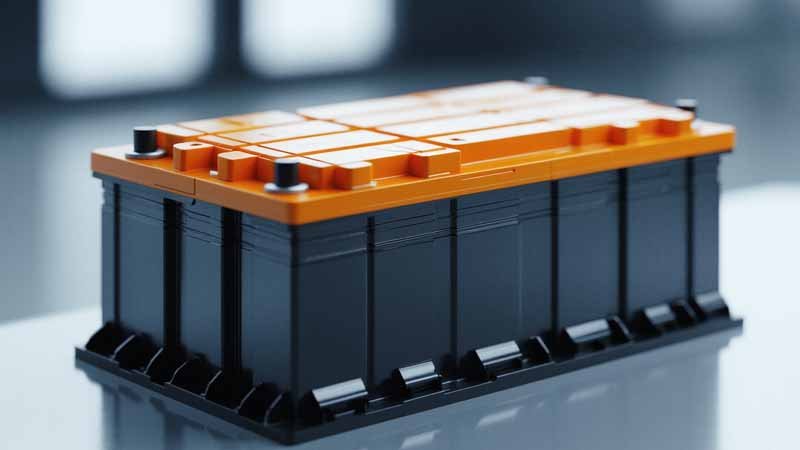
Thermal management is just one part of the equation. Polyolefin foams also offer additional benefits that improve the overall safety and durability of EV battery systems. The versatility of foam materials goes beyond just thermal insulation; they also provide crucial mechanical properties like vibration dampening, shock absorption, and sealing.
Lightweight and Durable
One of the standout characteristics of polyolefin foams is their light weight. This is particularly important in the automotive industry, where reducing the overall weight of a vehicle can significantly enhance its efficiency. A lighter vehicle requires less energy to propel, which translates into a longer range for the same battery capacity. At the same time, polyolefin foams are incredibly durable, maintaining their structural integrity and performance over extended periods.
Vibration and Shock Absorption
EV battery packs are subjected to constant vibrations and shocks, both during operation and while driving. These vibrations can be detrimental to the battery cells, leading to potential damage or even failures over time. Polyolefin foams, with their shock-absorbing properties, prevent this by providing a cushioning effect that protects the battery cells from physical stress. This reduces the risk of battery degradation due to mechanical impacts, extending the life of the EV battery.
Sealing Properties
Beyond their role in thermal management, foams are also used as seals. By creating an effective barrier around the battery pack, foam prevents the ingress of moisture, dust, and contaminants—elements that could severely damage the battery and other electronic components. This is particularly crucial in vehicles that operate in harsh environments or extreme weather conditions. Whether it’s rain, snow, or dust, polyolefin foam ensures the battery pack remains safe and operational.
What Types of Foams Are Used in EV Thermal Insulation?
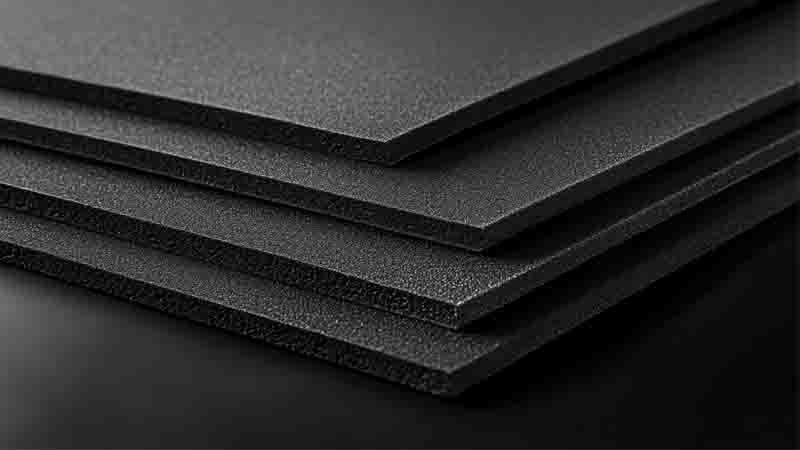
There’s a wide variety of foam materials available, each with unique properties tailored to different needs in the automotive industry. When it comes to EV battery packs, two types of polyolefin foams—crosslinked polyethylene (XPE) and crosslinked polypropylene (IXPP)—are the most commonly used. Let’s explore why these materials are so effective in thermal insulation and battery protection.
Crosslinked Polyethylene (XPE) Foams
XPE foam is known for its excellent thermal insulation properties, which make it ideal for EV battery packs. Its closed-cell structure traps air, preventing the exchange of heat between the battery and the external environment.
XPE foam also possesses excellent vibration-damping qualities, making it perfect for use in cushioning applications inside the battery compartment. It can withstand the mechanical stress of battery operation, while simultaneously providing an efficient thermal barrier.
Crosslinked Polypropylene (IXPP) Foams
IXPP foams, on the other hand, offer higher durability and strength, especially in applications where structural integrity is paramount. They are frequently used to provide both thermal insulation and protective barriers inside the battery pack. IXPP foams also perform well in high-temperature environments(up to 130°C)making them a good choice for applications where heat buildup is a concern.
Both XPE and IXPP foams are superior to other foam materials like PUR (polyurethane) and silicone foams. While PUR and silicone are also used for insulation, polyolefin foams offer better thermal performance and more effective vibration damping, making them the materials of choice in EV applications.
How Foam Materials Improve Battery Compartment Efficiency?
Foams not only provide thermal insulation but also improve the overall efficiency of the EV battery pack. Their role as compression pads is crucial for protecting the integrity of the battery pack and ensuring long-term functionality.
Absorbing Expansion and Contraction
Battery cells expand and contract as they go through charging and discharging cycles. This movement, if unchecked, can result in physical damage to the battery pack or other components. Foam acts as a buffer between the battery cells, absorbing the stresses of expansion and contraction. This minimizes the risk of physical damage, prolonging the lifespan of the battery pack.
Compression Pads and Sealing Applications
Foam compression pads play a crucial role in protecting the battery from physical stress caused by impacts or vibrations. They also create seals around the battery pack, protecting sensitive components from external contaminants. The ability to absorb shocks while keeping the internal components sealed and intact is essential for the safe operation of EV batteries.
Weight Reduction
As EV manufacturers strive to improve vehicle range and efficiency, weight reduction becomes a primary goal. Foam materials help achieve this by replacing heavier materials, thus reducing the overall weight of the battery pack. The reduction in weight helps improve energy efficiency, contributing to a longer driving range on a single charge.
Sustainability in EV Thermal Management with Foam
As the automotive industry shifts toward more sustainable practices, so too must the materials used in vehicle construction. Polyolefin foams offer a sustainable solution for EV manufacturers looking to reduce their carbon footprint.
1. Bio-Circular, Mass-Balanced Foams: One of the most promising developments in foam technology is the rise of bio-circular, mass-balanced polyolefin foams. These materials are produced using bio-based or recycled feedstocks, reducing reliance on fossil fuels. By incorporating these sustainable foams into EV battery packs, manufacturers can create greener vehicles while still benefiting from the superior thermal insulation properties of polyolefin foams.
2. ISCC PLUS Certification: Foams with ISCC PLUS certification offer manufacturers a transparent and verifiable way to choose sustainable materials. These foams contribute to reducing the carbon footprint of the vehicle, helping manufacturers meet environmental regulations and support the global push toward sustainability in the automotive industry.
Conclusion

Foam materials, especially polyolefin foams like XPE and IXPP, are transforming the way we approach thermal management in electric vehicles. With their exceptional thermal insulation properties, shock absorption capabilities, and ability to seal battery compartments, foams play an essential role in improving the performance, efficiency, and safety of EVs. As the demand for more sustainable vehicles grows, these innovative foam materials also support the push toward greener, eco-friendly solutions. For manufacturers looking to enhance battery performance while reducing weight and increasing safety, foam presents a versatile, cost-effective solution.
By embracing foam technology, EV manufacturers can ensure a safer, more efficient future for electric vehicles. Whether you’re looking to improve battery lifespan, boost vehicle range, or enhance overall safety, polyolefin foams are a proven solution that offers significant benefits across the board.
FAQs
What is thermal management in electric vehicles (EVs)?
Thermal management in EVs refers to controlling the temperature of the battery to optimize its performance and safety. It involves preventing overheating or freezing of the battery to extend lifespan, improve efficiency, and reduce the risk of thermal runaway.
How does foam help with thermal insulation in EV batteries?
Foam materials like polyolefin foams (XPE and IXPP) provide thermal insulation by reducing heat transfer between the battery and external environments. These foams maintain an optimal temperature for the battery, preventing overheating or excessive cooling and improving the vehicle’s energy efficiency.
What types of foam are used in EV battery packs?
Crosslinked polyethylene (XPE) and crosslinked polypropylene (IXPP) foams are commonly used in EV battery packs. XPE offers excellent thermal insulation and vibration damping, while IXPP provides high durability and temperature resistance, ensuring optimal battery protection and efficiency in various conditions.
Can foam materials improve the safety of EV batteries?
Yes, foam materials enhance EV battery safety by absorbing shocks, vibrations, and physical impacts. They also seal the battery pack, preventing contamination from moisture and dust, reducing the risk of battery damage, and ensuring the battery operates smoothly, even in harsh environments.
Are foam materials in EVs eco-friendly?
Many foam materials, such as bio-circular polyolefins, are produced from sustainable feedstocks and offer eco-friendly alternatives. These materials help reduce carbon footprints and support the green movement in the automotive industry, contributing to more sustainable electric vehicles without compromising on performance.