In the ever-evolving world of HVAC systems, where precision, efficiency, and long-lasting performance are paramount, there’s an often-underestimated tool that’s helping make a huge difference—foam tape. We’ve seen firsthand how this seemingly simple product has become a key player in the HVAC industry, enhancing system efficiency, reducing energy costs, and even extending the lifespan of critical components. Let’s explore how foam tape is revolutionizing HVAC installations, maintenance, and operations.
The Growing Role of Foam Tape in HVAC
The HVAC (Heating, Ventilation, and Air Conditioning) industry is integral to modern construction, providing the backbone for climate control and air quality in commercial, residential, and industrial buildings. As the demand for energy-efficient systems increases, so does the focus on innovative materials and solutions that can improve HVAC performance. One such solution gaining significant traction is foam tape. This simple yet effective material plays a crucial role in sealing, insulating, and protecting HVAC components.
Whether it’s ensuring that air flows efficiently through ducts, sealing joints to reduce energy loss, or preventing moisture infiltration, foam tape has found its place in almost every corner of the HVAC industry.
What is HVAC?
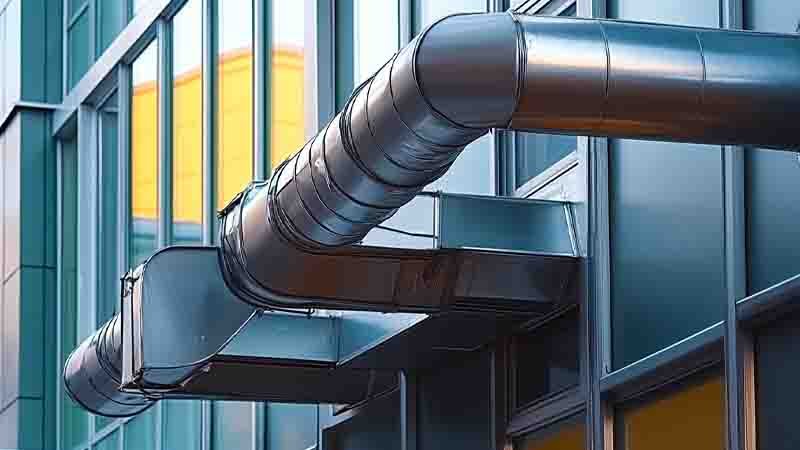
HVAC stands for Heating, Ventilation, and Air Conditioning, a system that maintains indoor comfort by regulating air temperature, quality, and humidity. At its core, an HVAC system’s primary function is to provide comfort in both residential and commercial environments, ensuring that the air is not only temperature-controlled but also clean and free from harmful pollutants.
A standard HVAC system consists of various components, including air handlers, ductwork, compressors, and refrigerants. These work together to circulate and filter air, heat or cool it as necessary, and remove excess moisture. HVAC systems have become indispensable in modern construction, ensuring that buildings remain comfortable and healthy for their occupants, no matter the outside weather conditions.
Why HVAC Efficiency is Important?
Efficiency in HVAC systems is crucial for several reasons, most notably for energy conservation, cost reduction, and environmental sustainability. An inefficient HVAC system wastes energy, causing unnecessary increases in utility bills and contributing to a higher carbon footprint. In today’s world, where energy conservation and environmental responsibility are key, the demand for more energy-efficient HVAC solutions is greater than ever.
When HVAC systems are operating at peak efficiency, they provide:
- Improved Comfort: Properly functioning HVAC systems maintain a stable and comfortable indoor environment, reducing temperature fluctuations and ensuring consistent air quality.
- Lower Energy Consumption: A well-sealed HVAC system reduces the need for excessive cooling or heating, which directly lowers energy usage and costs.
- Extended System Lifespan: Energy efficiency also extends the life of HVAC components by reducing the strain on the system and minimizing wear and tear.
- Environmental Sustainability: More efficient systems use less energy, thereby reducing greenhouse gas emissions and supporting sustainability goals.
As a result, the HVAC industry has witnessed a shift toward products and materials that enhance the overall performance and efficiency of HVAC systems—and foam tape plays a pivotal role in this transformation.
What Types of Foam Tape Are Used in HVAC Systems?
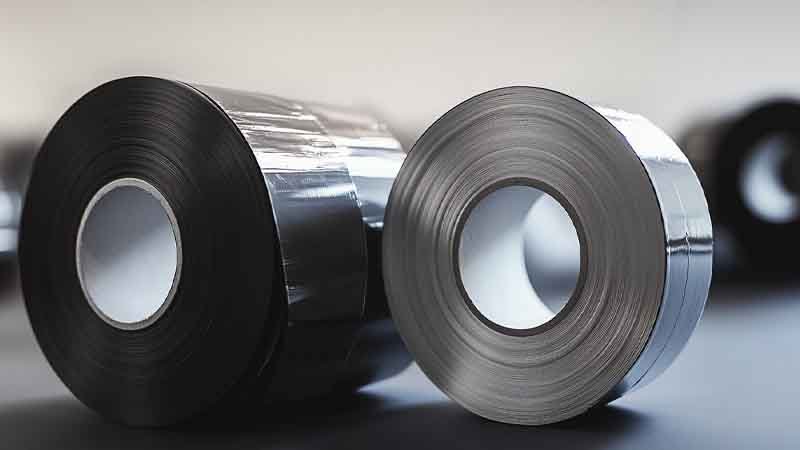
When selecting foam tape for HVAC applications, it’s essential to understand the different types of foam tapes available, each designed for specific functions. Let’s break down some of the most commonly used options.
Polyurethane Foam Tape
Pros: Polyurethane foam tape is widely used for sealing ducts and other HVAC components due to its excellent gap-filling properties. It also offers good resistance to moisture, which is essential for preventing mold growth in humid environments.
Cons: While polyurethane foam tape is versatile, it has relatively low temperature resistance compared to some other foam types, making it unsuitable for extreme temperature applications.
EPDM Foam Tape
Pros: EPDM (Ethylene Propylene Diene Monomer) foam tape is highly durable, weather-resistant, and can withstand exposure to UV rays, making it ideal for both indoor and outdoor HVAC applications. It’s also very resistant to ozone and chemicals, which ensures longevity in harsh environments.
Cons: The primary downside is cost—EPDM foam tape is typically more expensive than other foam options, which might make it less suitable for projects with budget constraints.
Neoprene Foam Tape
Pros: Neoprene foam tape is known for its ability to resist temperature fluctuations, moisture, and various chemicals, making it an excellent choice for HVAC systems where versatility is key.
Cons: The tape isn’t as flexible as other foam types, which can be a limitation in applications where flexibility is critical.
PVC Foam Tape
Pros: PVC foam tape is a cost-effective solution for sealing HVAC components, especially in lower-temperature applications. It provides strong adhesion and is ideal for sealing joints and gaps.
Cons: However, it is not as resistant to UV exposure and extreme temperatures, limiting its use for outdoor HVAC installations or in systems exposed to high heat.
Silicone Foam Tape
Pros: Silicone foam tape excels in high-temperature environments, making it perfect for HVAC systems that experience extreme heat. It also offers excellent resistance to UV and ozone, ensuring long-term durability.
Cons: The downside is that it is generally more expensive than other foam types, which can be a consideration for large-scale projects.
IXPE Foam Tape (Irradiated Cross-Linked Polyethylene Foam Tape)
Pros: IXPE foam tape is particularly advantageous in HVAC systems due to its superior thermal insulation properties and moisture resistance. It’s perfect for sealing HVAC ducts, preventing air leaks, and providing insulation. IXPE foam also resists compression set, meaning it maintains its form and function over time, even in harsh environmental conditions. Its ability to withstand extreme temperature fluctuations, along with its durability and moisture resistance, makes it ideal for use in both residential and commercial HVAC systems.
Cons: The primary drawback of IXPE foam tape is its slightly higher cost compared to standard foam tapes. However, considering its superior performance and long lifespan, it can be a worthwhile investment.
Choosing the right type of foam material is quite important. FS Foam has been specializing in the foam industry for over ten years. If you need assistance with your HVAC foam tape project, don’t hesitate to reach out to us.
Here’s a detailed Comparison of Foam Tapes Used in HVAC Systems
| Foam Tape Type | Foam Type (Closed/Open Cell) | Temperature Resistance | Cost | Durability | Best Applications |
|---|---|---|---|---|---|
| Polyurethane Foam Tape | Open Cell | Moderate (up to 80°C) | Affordable | Moderate | Sealing HVAC systems for indoor use, filling gaps |
| EPDM Foam Tape | Closed Cell | High (up to 120°C) | Expensive | High | Outdoor HVAC ducts, HVAC sealing exposed to elements |
| Neoprene Foam Tape | Closed Cell | High (up to 100°C) | Moderate | High | Industrial HVAC, applications with exposure to chemicals and moisture |
| PVC Foam Tape | Closed Cell | Low to moderate (up to 60°C) | Low-cost | Moderate | Residential HVAC sealing in moderate climates |
| Silicone Foam Tape | Closed Cell | Very high (up to 200°C) | Expensive | Very high | High-temperature or outdoor HVAC applications |
| IXPE Foam Tape | Closed Cell | High (up to 100°C) | Moderate to Expensive | Very high | HVAC duct sealing, noise and vibration dampening |
What Are the Benefits of Using Foam Tape in the HVAC Industry?
Enhanced Sealing
Foam tape’s primary benefit is its ability to create a tight seal between components, preventing air leaks. Leaky ducts and joints reduce HVAC system efficiency, leading to wasted energy and higher costs. Foam tape ensures that these connections are sealed effectively, reducing the risk of air leakage.
Energy Savings
By improving the insulation and sealing of HVAC systems, foam tape helps to reduce energy loss. This directly translates to lower energy bills and reduced strain on the system, ultimately contributing to long-term cost savings.
Moisture Resistance
In HVAC systems, moisture can lead to significant issues, including mold and mildew growth. Foam tape’s moisture-resistant properties prevent water from seeping into the system, thus protecting both the equipment and indoor air quality.
Noise Reduction
Foam tape also plays a role in reducing vibrations and noise caused by HVAC systems, particularly in ducts and piping. This enhances comfort for building occupants by creating a quieter indoor environment.
Ease of Application
One of the most attractive aspects of foam tape is its ease of use. It’s incredibly simple to apply, making it an ideal solution for both new installations and maintenance work. Compared to traditional sealing methods like caulking or mastic, foam tape is faster, cleaner, and more effective.
Durability
Foam tapes are highly durable and capable of withstanding environmental conditions such as temperature extremes, moisture, and UV exposure. High-quality foam tapes can last for years without degrading, reducing the need for frequent repairs or maintenance.
How to Choose the Right Foam Tape for Your HVAC System?
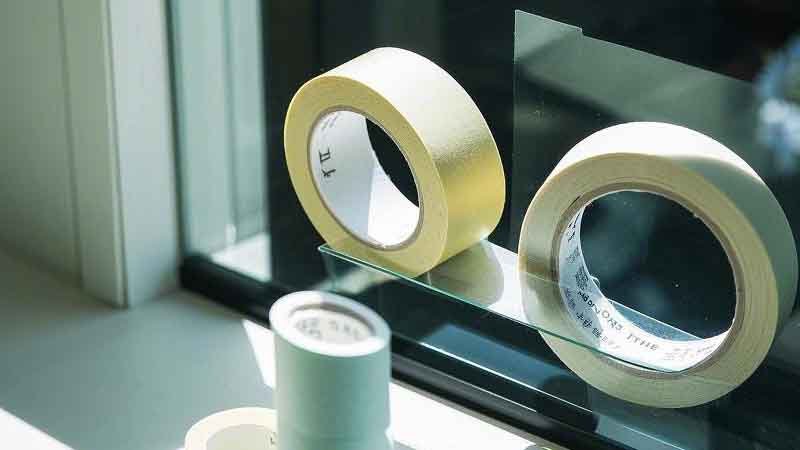
Choosing the right foam tape for your HVAC system depends on several factors. Here’s what we consider when selecting the best option:
- Consider the Environment: Is the HVAC system for indoor or outdoor use? Does it need to withstand UV rays or harsh weather conditions?
- Temperature Range: What are the temperature extremes the tape will be exposed to? Ensure the foam tape can handle both high and low temperatures.
- Moisture Resistance: Will the system need to be sealed from moisture or potential water damage? Opt for foam tapes with excellent moisture resistance for such applications.
- Application Type: Determine whether you need the foam tape for sealing, insulation, vibration damping, or a combination of these functions.
- Thickness and Density: The gap size and level of insulation or sealing required will help guide your choice of foam tape thickness and density.
Conclusion
Foam tape is undeniably transforming the HVAC industry. From enhancing sealing capabilities to improving energy efficiency, moisture control, and noise reduction, its role cannot be overstated. Whether you’re installing a new HVAC system or maintaining an existing one, incorporating foam tape into your design or maintenance routine will optimize performance, lower costs, and increase the system’s longevity. It’s time to recognize foam tape not as a mere afterthought but as a critical component in modern HVAC systems.
FAQs
What makes foam tape better than traditional sealing methods in HVAC systems?
Foam tape offers superior sealing capabilities, ensuring better insulation and energy efficiency compared to traditional methods like caulking. It’s quicker to apply, more durable, and provides a cleaner finish, reducing air leaks and moisture intrusion, ultimately lowering operational costs and improving system performance over time.
Can foam tape be used for both residential and commercial HVAC systems?
Yes, foam tape is versatile and suitable for both residential and commercial HVAC applications. Its range of types—such as polyurethane, EPDM, and IXPE—allows it to meet the diverse needs of different systems, from small residential units to large commercial installations, ensuring effective sealing and insulation.
How long does foam tape last in HVAC applications?
The longevity of foam tape in HVAC systems depends on the type and environmental conditions. High-quality foam tapes, such as EPDM and IXPE, can last for several years, typically 5 to 10 years, under normal conditions. Proper installation and maintenance further extend their durability, reducing the need for frequent replacements.
Is foam tape environmentally friendly?
Yes, many foam tapes, especially those made from polyethylene or EPDM, are eco-friendly. They are often recyclable, reducing environmental impact. Furthermore, using foam tape to enhance energy efficiency in HVAC systems contributes to sustainability by reducing energy consumption and lowering carbon footprints in both residential and commercial settings.
Can foam tape be used for outdoor HVAC applications, and if so, which types are best?
Foam tape is ideal for outdoor HVAC applications, with certain types like EPDM and silicone foam tape providing excellent resistance to UV rays, weather conditions, and extreme temperatures. These tapes are specifically designed to withstand outdoor elements, making them perfect for sealing ducts, vents, and other HVAC components exposed to the elements.