Introduction
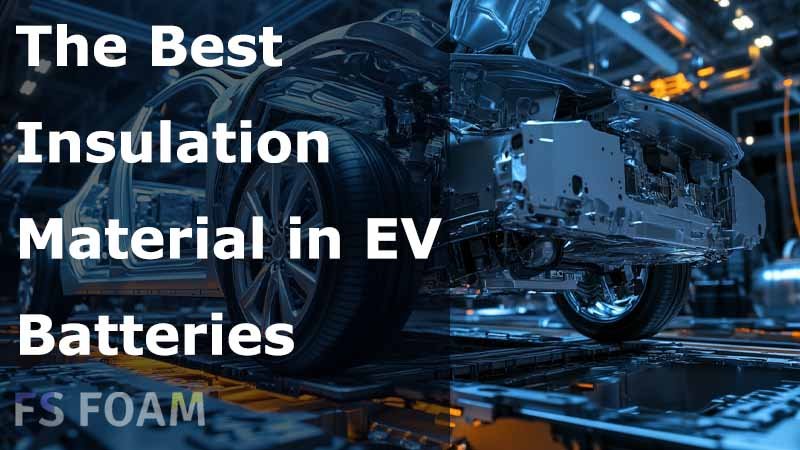
Electric vehicles (EVs) are becoming increasingly popular as the world shifts toward cleaner energy. These vehicles run on lithium-ion batteries, known for their long driving range and quick charging times. But there’s something you might not know about these batteries: their insulation plays a key role in how well they perform, how safe they are, and how long they last.
In this article, we’ll take a deep dive into battery insulation—what it is, why it’s important, and which materials are best for keeping your EV battery in top condition.
When we talk about battery insulation, we mean the materials that help control the temperature inside the battery. If the temperature gets too high or too low, the battery won’t perform at its best. That’s where thermal insulation materials come in. So, let’s explore why thermal insulation is so important for EV batteries.
Why Thermal Insulation is Important in Battery Systems?
Heat generation is a natural part of how lithium-ion batteries work. When you’re charging or using your EV, the battery creates heat. If this heat isn’t properly controlled, the battery could get too hot, which leads to problems like:
- Reduced battery life: High temperatures can damage battery components and shorten their lifespan.
- Poor performance: When the battery gets too hot or too cold, it doesn’t work as efficiently.
- Safety risks: Overheating can cause serious problems, including a dangerous event called thermal runaway, which can result in fires or explosions.
Thermal insulation helps prevent these problems. By keeping the battery at a stable temperature, the insulation helps improve:
- Battery lifespan: By keeping the battery within its optimal temperature range, the insulation helps it last longer.
- Battery efficiency: The battery can work more efficiently if it’s not overheating or freezing.
- Increase safety: Good insulation reduces the chances of overheating and the risk of thermal runaway.
In simple terms, thermal insulation keeps the battery working as it should—efficiently and safely.
What Materials Are Used in Battery Cell Insulation?
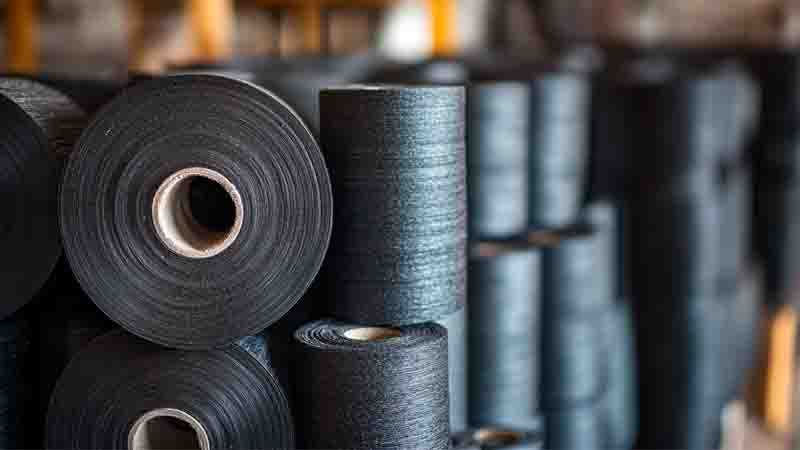
Now, let’s take a look at the materials commonly used in EV battery insulation. Different materials have different benefits, and they all play a part in keeping your EV battery safe and efficient.
Polypropylene Films
Polypropylene films are widely used in battery insulation because they’re lightweight, cost-effective, and provide good electrical insulation. These films are flame-retardant, which means they don’t catch fire easily, adding an extra layer of safety. However, they don’t handle heat as well as some other materials, which is why they’re often used in less heat-sensitive areas.
Polyester Films (Mylar)
Polyester films, also known as Mylar, are another popular choice. They are also lightweight and provide excellent electrical insulation. Mylar is used in many types of insulation because it’s durable, heat-resistant, and cost-effective. However, like polypropylene, it has limitations in handling extreme temperatures.
Polyimide Films (Kapton)
Polyimide films, like Kapton, are made for high-temperature environments. They have excellent thermal stability and can perform well in extreme temperatures, which makes them perfect for use in parts of the battery that get very hot. The downside is that polyimide films are more expensive and stiff, which can make them harder to work within certain applications.
Mica-based Materials
Mica is a natural mineral that is often used as an insulating material because it has great thermal and electrical properties. It can withstand high temperatures without breaking down, making it useful in parts of the battery that get very hot. However, mica is brittle, so it’s not the best option for parts that need to withstand mechanical stress.
Flame Retardant Materials
There are also specialized flame-retardant materials, like 3M Flame Barrier, that are used in battery insulation. These materials are designed to stop fires before they can spread, making them an important safety feature. They’re thin, flexible, and very effective at controlling heat.
IXPP Foam
Now, we come to IXPP foam, which has been gaining attention in the automotive industry for its exceptional properties. Let’s take a closer look at IXPP foam and why it’s considered one of the best options for EV battery insulation.
What is the Best Insulation Material in EV Batteries?
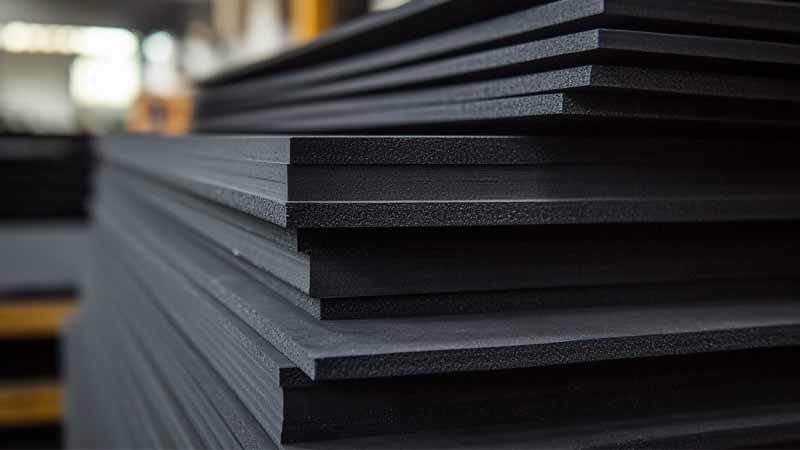
IXPP foam, or cross-linked polypropylene foam, is one of the most promising materials for EV battery insulation. It’s a lightweight, durable, and flame-retardant material that is increasingly being used in the automotive industry.
Key Properties of IXPP Foam
- Thermal Insulation Capabilities: IXPP foam is great at keeping heat under control. Its thermal conductivity is low, K value is around 0.036W/mK, which means it helps maintain a stable temperature inside the battery.
- Electrical Insulation: Like other materials used in battery insulation, IXPP foam also provides electrical insulation, preventing any short circuits or unwanted electrical interactions.
- Lightweight: IXPP foam is incredibly lightweight, which helps reduce the overall weight of the battery. This is important because a lighter battery leads to a more efficient vehicle.
- Flame Retardant: IXPP foam can meet the UL94 HF-1 and FMVSS302 certification, which means it’s resistant to flames and won’t catch fire easily. This makes it a safe choice for use in high-risk environments like batteries.
- Temperature Resistance: IXPP foam can handle a wide range of temperatures, and can withstand up to 130°C, making it perfect for keeping batteries within their optimal temperature range. It won’t break down under extreme heat or cold.
Why IXPP Foam is Better Than Other Materials?
Below is a comparison table that highlights why IXPP foam is better than other commonly used materials in EV batteries:
| Property | IXPP Foam | Polyester Films (Mylar) | Polyimide Films (Kapton) | Mica-based Materials |
|---|---|---|---|---|
| Thermal Insulation | Superior mechanical strength resists deformation | Good thermal resistance but not as effective in extreme conditions | High thermal resistance, but brittle under stress | Moderate thermal insulation, not ideal for high temperatures |
| Flame Retardancy | UL94 HF-1 rating, excellent flame resistance | UL94 V-0, but less effective in prolonged heat exposure | good flame resistance | Moderate flame resistance, not as effective as IXPP |
| Electrical Insulation | Strong electrical insulator, preventing short circuits | Good electrical insulation but can degrade under high heat | Excellent electrical insulation, but more fragile | Provides basic electrical insulation |
| Weight | Lightweight, contributing to EV weight reduction | Lightweight, but lacks durability | Lightweight, but more fragile and expensive | Relatively heavy compared to IXPP foam |
| Durability | High durability, withstands harsh conditions and temperature fluctuations | Less durable, prone to wear over time | Durable but brittle and prone to cracking under stress | Less durable than IXPP foam, can degrade over time |
| Cost | Cost-effective in manufacturing and application | Generally low cost | More expensive due to complex manufacturing | Expensive due to the use of specialized materials |
| Mechanical Strength | Superior mechanical strength, resists deformation | Weak in terms of mechanical strength | Strong but can become brittle | Moderate mechanical strength |
| Ease of Application | Easy to die-cut and laminate, customizable | Difficult to laminate or die-cut compared to IXPP | Difficult to cut and shape for custom applications | Requires special handling and cutting techniques |
| Temperature Resistance | High resistance to extreme temperature fluctuations | Moderate temperature resistance | Excellent temperature resistance, but less durable | Poor resistance to extreme temperature fluctuations |
IXPP foam stands out due to its superior combination of thermal and electrical insulation properties, flame retardancy, and mechanical strength. While materials like polyester and polyimide films have some benefits, IXPP foam provides a balance of performance, weight reduction, and cost-effectiveness that other materials can’t match. Whether it’s the ability to withstand harsh environments or its durability under temperature fluctuations, IXPP foam is the go-to choice for improving the safety, efficiency, and longevity of EV batteries.
What are the Benefits of IXPP Foam in EV Batteries?
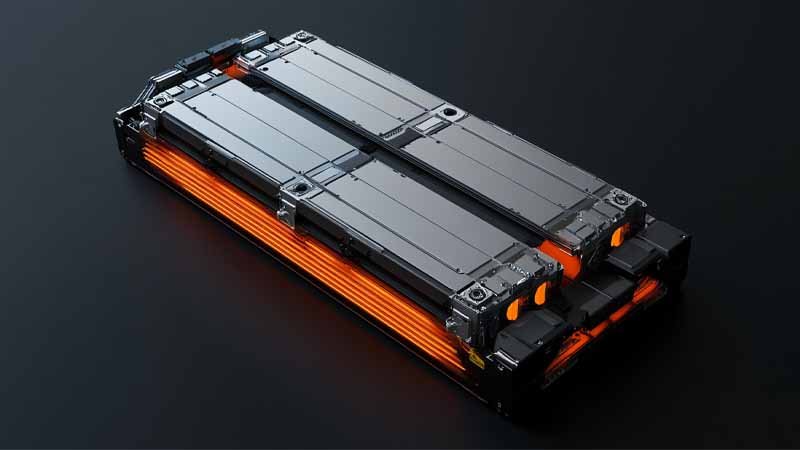
Let’s break down how IXPP foam compares to other materials in key areas.
Thermal Performance
IXPP foam provides superior thermal insulation compared to materials like polyester or polypropylene films. It helps maintain a stable temperature, which improves battery performance and extends its lifespan. When you compare it to materials like Kapton, IXPP foam is often a more cost-effective solution for managing heat.
Safety
Safety is a huge concern when it comes to EV batteries. IXPP foam’s flame-retardant properties make it a better choice than materials like Kapton or Mylar, which are not as resistant to flames. IXPP foam helps reduce the risk of thermal runaway and fires, keeping the battery and vehicle safer.
Cost and Weight
In terms of cost and weight, IXPP foam is often better than materials like Kapton. While Kapton is excellent for high-temperature applications, it’s expensive and heavy. IXPP foam offers similar thermal properties but is much lighter and more affordable.
Durability
IXPP foam is incredibly durable. It can handle high-temperature cycles and mechanical stress better than materials like mica or Kapton. This means it will last longer and perform better in the long term.
Ease of Application
Finally, IXPP foam is easier to apply than some of the more rigid materials. It can be customized to fit different shapes and sizes, and it can also be laminated with adhesive for easy installation. Materials like Kapton or Mylar are harder to work with and may require special equipment to apply.
Conclusion
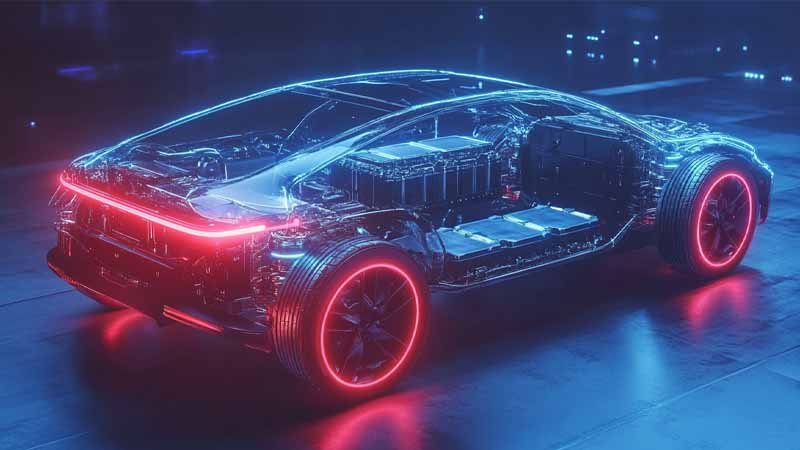
Selecting the right insulation material for EV batteries is crucial for optimizing performance, safety, and longevity. With increasing demand for electric vehicles, materials like IXPP foam stand out due to their excellent thermal and electrical insulation properties, flame retardancy, and durability. These benefits make IXPP foam an ideal choice for the demanding conditions of EV battery systems.
As EV technology continues to evolve, the importance of advanced, high-performance materials like IXPP foam cannot be overstated. At FS Foam, we have been a trusted player in the foam industry for over 10 years, providing high-quality solutions for various applications, including automotive and battery insulation.
If you’re looking for more information or need assistance with IXPP foam for your projects, please don’t hesitate to contact us. We’re here to help you find the right material and guide you through the process.
FAQs
What material is used for battery casing?
Battery casings are typically made from materials like aluminum, steel, or plastic. These materials provide strength, lightweight properties, and protection for the sensitive components inside the battery. Aluminum is often preferred for its corrosion resistance and low weight, making it ideal for automotive applications.
Why is thermal insulation necessary in EV batteries?
Thermal insulation in EV batteries is crucial to maintain an optimal temperature. It prevents overheating, which can damage the battery or cause thermal runaway, and ensures efficient performance. Proper insulation also protects the battery from cold temperatures, helping it last longer and maintain its energy capacity.
Can IXPP foam be used in other automotive applications?
Yes, IXPP foam is versatile and used in various automotive applications, including soundproofing, vibration damping, and under-hood insulation. Its lightweight, flame-retardant, and durable properties make it ideal for reducing noise, improving comfort, and enhancing safety in vehicles, especially in high-temperature areas.
How does IXPP foam improve the efficiency of an EV battery?
IXPP foam improves EV battery efficiency by providing excellent thermal insulation. It helps maintain the battery within its optimal operating temperature range, reducing energy loss from overheating or excessive cooling. This helps the battery charge faster, discharge efficiently, and prolong its lifespan, boosting overall vehicle performance.
What are the environmental impacts of IXPP foam?
IXPP foam is an eco-friendly material, as it is recyclable and lightweight, reducing the overall environmental footprint of electric vehicles. Its use in EV batteries contributes to more sustainable production, while the foam’s long-lasting properties help decrease waste and the need for frequent replacements in vehicle components.