
Introduction
When you think of the components that make a car perform well, your mind may first go to the engine, tires, or even the technology inside the cabin. But one crucial part of a car’s design is often overlooked: foam. Yes, foam. This lightweight material is used in more parts of a vehicle than you might realize, and it plays a huge role in how comfortable, safe, and durable your car is.
In this guide, we’ll dive deep into the role of foam in the automotive industry, highlighting how it helps improve comfort, safety, soundproofing, and durability. From the soft cushions of your seat to the noise-reducing panels in your car, foam is everywhere. We will also discuss different types of foam used in car manufacturing, how they contribute to vehicle design, and how manufacturers choose the right foam for each specific application.
What is Automotive Foam?
Automotive foam is not just the same as the foam you might find on your couch or mattress. It is a specially designed material used in cars to meet the specific demands of the automotive industry. Unlike regular foam, automotive foam has to be strong, heat-resistant, and durable to withstand the harsh conditions inside and outside a vehicle.
How Automotive Foam is Different?

The main difference between automotive foam and regular foam is that it is engineered to be tougher and more resilient. Automotive foam needs to handle extreme temperatures, moisture, UV rays, and regular wear and tear. It also has to perform different functions in a car, such as providing comfort, reducing noise, and protecting the vehicle’s components.
For example, foam used in car seats needs to be soft and comfortable, but also durable enough to resist the wear caused by constant use. The foam used in under-the-hood components must be able to withstand high temperatures and protect sensitive parts from dust and moisture.
Why Foams Are Important in Automotive?
Foam plays an essential role in the automotive industry. It does much more than just cushion your ride—it also impacts the car’s performance, safety, and even energy efficiency. Here’s a closer look at why foam is so important in modern vehicles:
Comfort: Cushioning Your Ride
Foam is most commonly associated with comfort in cars. It’s used in seats, headrests, armrests, and even flooring to provide a cushy, comfortable ride. Without foam, car seats would be too hard, making long trips uncomfortable.
The Toyota Camry uses polyurethane foam in its seats. The foam is designed to be both soft and supportive, providing comfort for long trips. The foam contours to the body, allowing for better support, especially during extended periods of sitting.
Safety: Impact Absorption
Foam is also a key safety feature in cars. It helps absorb impact energy in the event of a crash, reducing the severity of injuries to passengers. Without foam, the force from a crash would be more directly transferred to the occupants, potentially causing more harm.
Volvo is famous for its commitment to safety, and the XC90 is a prime example. The car uses foam in various areas, such as in the seats and bumpers, to absorb impact energy during a collision. This helps protect the passengers and minimizes damage to the car’s structure.
Soundproofing: A Quieter Ride
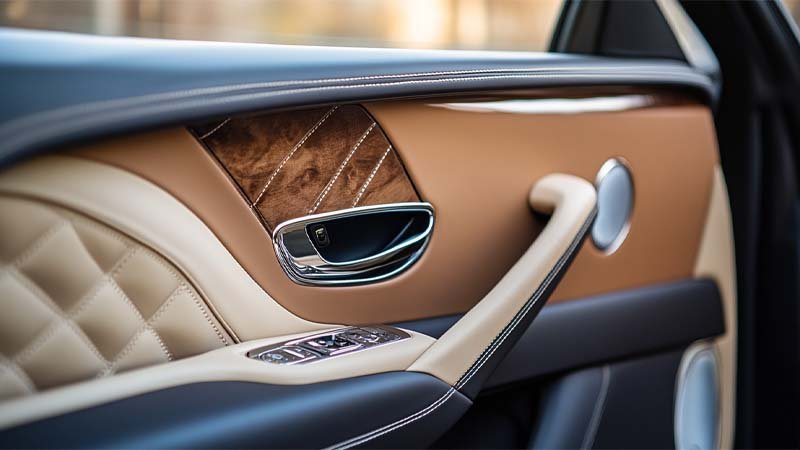
No one likes a noisy car ride. The sounds of the road, the engine, and the wind can all make driving uncomfortable. This is where foam comes in. Acoustic foams are used in various parts of the car to reduce noise and vibrations, improving the overall driving experience.
The Audi A6 is a luxury sedan that excels at providing a quiet, comfortable ride. Acoustic foam is placed in the doors, headliner, and floor panels to reduce road noise and vibrations. This makes the cabin quiet, allowing passengers to have a peaceful ride.
Durability: Withstanding the Elements
Cars are exposed to harsh weather conditions every day, from hot sun to rain to freezing temperatures. Foam used in the automotive industry must be able to withstand these conditions without breaking down. Whether it’s the foam used in seats, door panels, or seals, it needs to be long-lasting and resistant to wear.
The Ford F-150 uses specialized foam in its seats and interior. This foam resists moisture, UV rays, and temperature extremes, ensuring that it doesn’t degrade over time. The foam’s durability helps maintain the truck’s comfort and functionality, even in harsh conditions.
Insulation: Temperature Regulation
In addition to its other functions, foam can also help keep the temperature inside the car comfortable. It can keep the interior cooler during hot summer days and warmer in winter. This type of foam also helps improve the car’s energy efficiency.
The Tesla Model S uses insulating foam in its doors, dashboard, and battery components. This helps to maintain the cabin temperature and keeps the energy usage low. The foam reduces the need for heating or cooling systems, ultimately improving the car’s range and efficiency.
What Types of Foam Are Used in Cars?
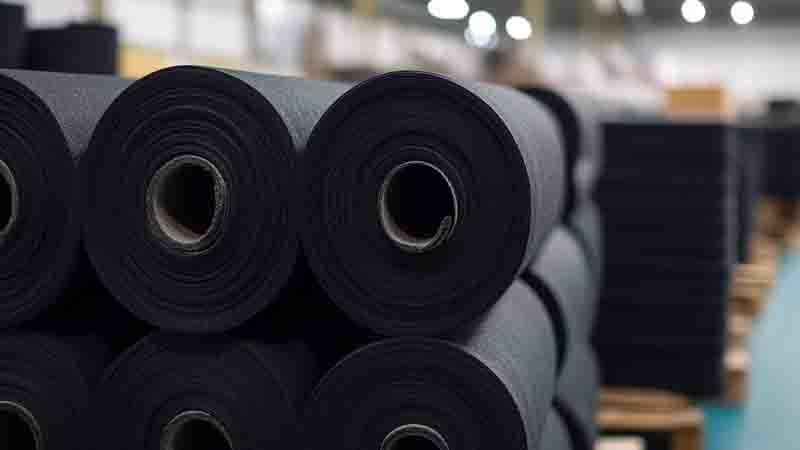
Now that we know why foam is so important in automotive design, let’s take a look at the different types of foam used in cars. Each type of foam serves a different purpose, and each one has its own unique properties.
Polyurethane Foam
Polyurethane foam is the most common type of foam used in cars. It is versatile and can be molded into different shapes and densities, making it suitable for a wide range of applications.
Applications:
- Seat cushions
- Headrests
- Armrests
- Interior padding
Polyurethane foam is durable, lightweight, and comfortable. It can be designed to provide different levels of firmness, making it adaptable to different car models and their needs.
The BMW 5 Series uses polyurethane foam in its seats to provide a high level of comfort and support. This foam is designed to last for many years without losing its shape or firmness.
Polyethylene Foam
Polyethylene foam is used for a variety of applications, including soundproofing, insulation, and part protection.
Applications:
- Engine compartment insulation
- Door panels
- Floor panels
Polyethylene foam is lightweight and has excellent thermal insulation properties. It is also highly effective at reducing sound, making it ideal for use in areas where noise reduction is important.
The Chevrolet Silverado uses polyethylene foam in its door panels to help reduce noise from the road. This foam helps to create a quieter cabin, making long trips more comfortable for passengers.
Acoustic Foam
Acoustic foam is designed specifically to absorb sound waves, reducing noise and vibration within the vehicle.
Applications:
- Door panels
- Headliners (roof)
- Floor panels
Acoustic foam helps to create a quieter cabin by absorbing unwanted sound and vibrations from the engine, tires, and road.
The Mercedes-Benz S-Class is known for its quiet and luxurious cabin. The car uses acoustic foam in its doors, headliner, and floor panels to reduce road noise and vibrations, creating a serene environment for passengers.
EPDM Foam (Ethylene Propylene Diene Monomer)
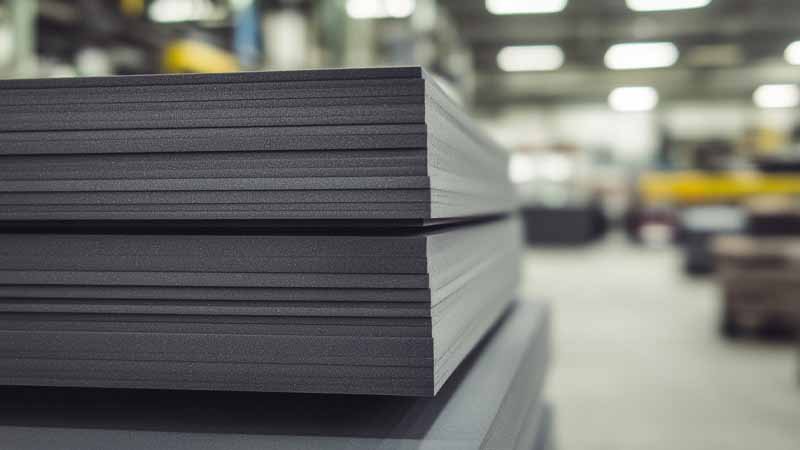
EPDM foam is used primarily for sealing and weatherproofing. It’s perfect for parts of the car that need to resist the elements, such as door seals, window gaskets, and other exterior parts.
Applications:
- Weatherstripping
- Door seals
- Gaskets
EPDM foam is resistant to UV rays, ozone, and extreme weather, which makes it ideal for ensuring that your car’s seals remain intact for many years.
The Honda CR-V uses EPDM foam in its door seals and window gaskets to keep water and dust out. This ensures that the car remains comfortable and dry, even when driving through heavy rain or snowy conditions.
Types of Automotive Foams When Designing the Car
In addition to the common types of foam discussed above, there are several other specialized foams used during the design and manufacturing of vehicles. These foams help create specific parts of the car, adding strength, comfort, or performance as needed.
Preformed Foams
Preformed foams are molded into specific shapes before they are installed in the car. These foams are used for parts that need to provide impact protection, such as bumpers and fenders.
Applications :
- Bumper absorbers
- Fenders
- Inner panels
Preformed foams are cost-effective and easy to replace if damaged. They help absorb shock during collisions, reducing damage to the car and protecting the passengers.
Structural Foam
Structural foam is used in critical parts of the vehicle, such as the frame rails and pillar assemblies. This foam is typically injected into parts during manufacturing and cannot be replaced in the field.
Applications :
- Frame rails
- Pillar assemblies
- Structural components
Structural foam adds strength and rigidity to the car, making it safer and more durable. It helps maintain the integrity of the vehicle in the event of a crash.
Heat-Activated Foam
Heat-activated foam is used in specialized applications, where the foam expands and hardens when exposed to heat. This foam is often used during the repair or refinishing process.
Applications:
- Carriers
- Aftermarket repairs
Heat-activated foam requires specific repair procedures and is often used in conjunction with filler foam during the repair process.
NVH (Noise, Vibration, Harshness) Foams
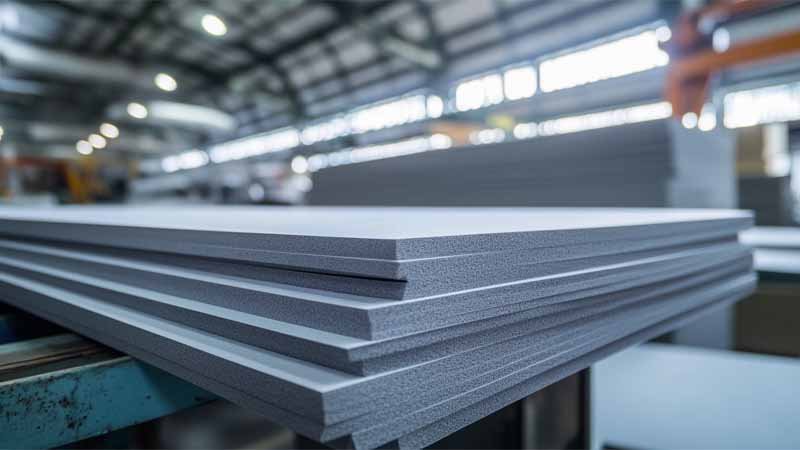
NVH foams are designed to reduce noise, vibration
, and harshness in the car, improving overall ride quality. These foams are essential for high-end luxury vehicles where comfort is a priority.
Applications:
- Soundproofing panels
- Dashboards
- Doors
NVH foams improve the driving experience by minimizing vibrations from the road and engine, making the car quieter and more comfortable.
What Polyolefin Foam is Mostly Used in NVH?
One type of foam used in NVH applications is IXPP foam, a special type of polyolefin foam. IXPP foam is highly effective at reducing noise and vibrations and is also very durable, making it a popular choice for the automotive industry.
Applications in Cars:
- NVH applications, including door panels and floor mats
Benefits of IXPP Foam:
- Excellent for soundproofing and noise reduction.
- Resilient to wear and tear, making it durable in automotive environments.
- It is lightweight and cost-effective.
IXPP foam helps reduce the level of noise that enters the cabin, providing a more pleasant driving experience.
How to Choose the Right Foam for Automotive?

Choosing the right foam for a car depends on multiple factors such as comfort, durability, weight, cost, and sustainability. Each foam type serves specific needs, and selecting the best one ensures optimal performance for the vehicle’s comfort, safety, and environmental impact.
Comfort
Foam used in seats and armrests should strike a balance between softness and support. Polyurethane and memory foam are common choices, providing comfort while maintaining structural integrity during long rides.
Durability
Foam must withstand wear from heat, moisture, and UV exposure. High-quality foam resists degradation and maintains shape over time, ensuring vehicle components remain functional and comfortable.
Weight
Lightweight foam reduces overall vehicle weight, improving fuel efficiency. However, it should still be strong enough to perform its function, whether for seating or structural integrity.
Cost
The right foam balances cost and performance. While some foams are more expensive, selecting the best option for the specific application ensures the vehicle meets both budget and performance goals.
Sustainability
Sustainable foams made from renewable or recyclable materials are increasingly popular. They reduce environmental impact while maintaining the same level of comfort, durability, and performance as traditional foams.
Fire Retardant
Foam used in automotive interiors must meet fire safety standards like FMVSS 302. This ensures the material is resistant to ignition and does not emit toxic fumes in case of a fire. Fire-retardant foams enhance passenger safety by reducing the risk of fire-related injuries in a crash.
Conclusion

Automotive foam might seem like a simple material, but it plays a massive role in the design and performance of modern vehicles. From improving comfort and safety to reducing noise and enhancing durability, foam is an unsung hero of the automotive world. As technology evolves, the types of foam used in vehicles will continue to improve, offering better performance, comfort, and sustainability.
FAQs
1. What types of foam are used in car seats?
Car seats typically use polyurethane foam for comfort and support. This foam is molded into specific shapes to provide cushioning, durability, and the right balance of firmness and softness. Polyurethane foam is the most common material used in car seats, but memory foam is sometimes used in higher-end models for enhanced comfort and body support.
2. How does foam improve car safety?
Foam improves car safety by absorbing impact energy during a collision. It is used in various areas such as seat padding, bumpers, and crash zones to help reduce the severity of impact on passengers. For instance, foam in seats and headrests helps absorb the force during sudden stops or accidents, reducing the risk of injury.
3. What is NVH foam and why is it important?
NVH (Noise, Vibration, Harshness) foam is used to reduce unwanted noise, vibrations, and harshness that might otherwise affect the driving experience. It is essential in luxury cars or high-performance vehicles to create a smooth and quiet cabin. NVH foams are used in parts like the dashboard, doors, floor panels, and even the engine compartment to minimize road noise and engine vibrations.
4. Can foam be recycled?
Yes, many types of automotive foam can be recycled, though the process can vary depending on the type of foam. For example, polyurethane foam is generally recyclable, but it must be processed and reformed for reuse. Automakers are increasingly focusing on using sustainable materials, including recyclable foams, to reduce the environmental impact of vehicle manufacturing.
5. What is the difference between polyurethane and polyethylene foam?
Polyurethane foam is primarily used for seating, cushioning, and comfort applications, offering versatility and durability. Polyethylene foam, on the other hand, is more commonly used for insulation, soundproofing, and weatherproofing applications. Polyethylene foam is lightweight, moisture-resistant, and excellent at reducing noise and thermal transfer, making it ideal for door panels, floor panels, and engine compartments.
6. Why is foam used in car insulation?
Foam plays a crucial role in thermal insulation within a vehicle. It helps maintain the cabin’s temperature by blocking heat from entering during hot weather and retaining warmth during colder months. Foam also insulates against sound by absorbing vibrations from the engine, tires, and road, ensuring a quieter and more comfortable ride.
7. How long does automotive foam last?
The lifespan of automotive foam depends on its type and the conditions it is exposed to. Foams in interior seating or headrests typically last for the entire life of the vehicle, provided the foam is of good quality and not exposed to extreme conditions. Foams used in areas exposed to UV rays, such as weatherstripping and seals, may degrade faster unless specially treated for UV and weather resistance.
8. Can foam be used in electric vehicles (EVs)?
Yes, foam is widely used in electric vehicles (EVs). It plays a role in soundproofing, cushioning, and insulating components, just as it does in traditional internal combustion engine vehicles. Additionally, foam is used in areas like the battery compartments of EVs, where it can offer thermal insulation to protect battery efficiency and safety.
9. Are there environmentally friendly foams used in cars?
Yes, there is a growing trend toward using biodegradable or sustainable foams in the automotive industry. For example, bio-based polyurethane foams are made from renewable plant-based materials rather than petrochemical products, and recycled foam is increasingly being used in some vehicle designs. Automakers are also working to reduce the environmental footprint of foam manufacturing by adopting more eco-friendly materials and production methods.
10. How does foam impact the fuel efficiency of a car?
While foam is not a direct factor in fuel efficiency, it can contribute indirectly by providing thermal insulation. Well-insulated cars require less energy to heat or cool the cabin, reducing the load on the air conditioning or heating system. In electric vehicles, this can result in better energy efficiency, thus helping to extend battery life and range.