Polyolefin foam is one of those materials that seem to be everywhere—whether it’s in the car you drive, the mat you use at the gym, or the packaging around fragile electronics. It’s reliable, versatile, and used across various industries. But what exactly is polyolefin foam, and why is it so popular?
In this guide, we’ll break down everything you need to know about polyolefin foam—from what it is and where it’s used, to how to choose the right type for your needs and tips for keeping it in excellent condition.
What is Polyolefin Foam?
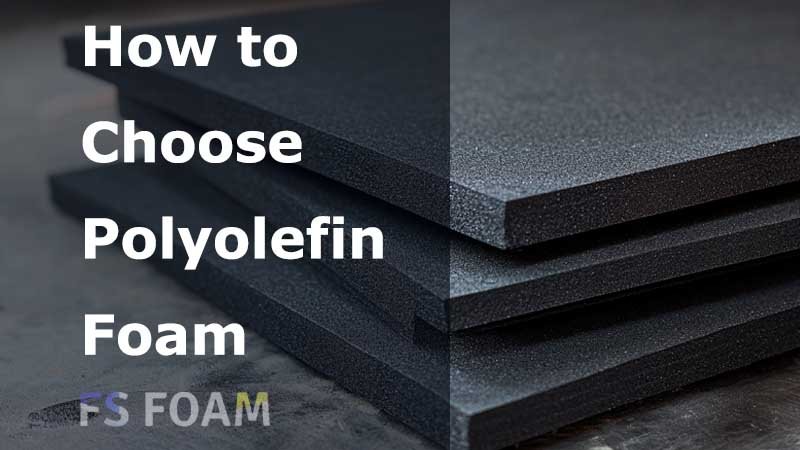
Polyolefin foam is a type of closed-cell foam made from polyolefin polymers. But what does that mean? Let’s break it down. A polymer is a large molecule made by joining smaller ones called monomers. Polyolefins are a family of polymers made from olefins—simple hydrocarbons that include ethylene and propylene.
The two most common types of polyolefin foam are:
- Cross-linked Polyethylene Foam (XPE and IXPE): This foam is flexible, lightweight, and easy to make. It’s often used where flexibility is important, like in packaging and sports equipment.
- Cross-linked Polypropylene Foam (IXPP): This foam is stronger, stiffer, and more resistant to heat. It’s often used in applications where strength is crucial, like automotive parts or insulation.
Polyolefin foams are created by a process called extrusion or molding. The polymer is mixed with a blowing agent, which causes the foam to expand into a lightweight, durable structure.
What are the Applications of Polyolefin Foam?
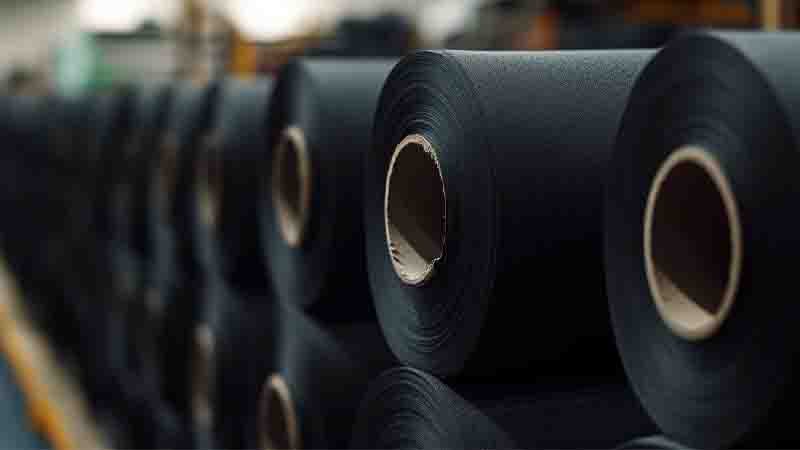
Polyolefin foam is used in a wide variety of industries. Its properties, like being lightweight, water-resistant, and flexible, make it perfect for many different applications.
Automotive Industry
In cars, polyolefin foam is used for insulation, soundproofing, and vibration damping. The foam helps reduce noise inside the car and keeps the vehicle’s interior temperature more stable. It’s commonly used in parts like:
- Car doors: To reduce noise and improve comfort.
- Dashboards: For cushioning and sound insulation.
- Seat cushions: For added comfort.
Packaging
Polyolefin foam is excellent for protecting fragile items during shipping. It’s often used to pack electronics, medical devices, and glass products. The foam provides a cushion that helps prevent damage during transport. It’s lightweight but strong, making it a great choice for packaging delicate items.
Sports and Leisure
From yoga mats to floating pool pads, polyolefin foam is a popular material in the sports and leisure industries. Its shock-absorbing qualities make it ideal for products like:
- Gymnastics mats
- Floating mats for the pool
- Playground equipment cushioning
- Foam sleeping mat
- Shock pad for artificial turf
- Sports protective gears
It helps protect the body from impact, which is essential in sports and outdoor activities.
Construction and Insulation
Polyolefin foam is widely used in construction for thermal insulation and soundproofing. Its resistance to moisture and mold growth makes it ideal for buildings, flooring, and underlays. In addition, its durability ensures it will last over time, even in harsh conditions.
The most common usages are:
- Flooring underlayment
- Thermal insulation: usually attached with glue and aluminum foil
- Roof insulation
Other Applications
Polyolefin foam is also used in medical and electronics packaging, where its non-toxic nature and chemical resistance are valuable. It’s often found in protective packaging for sensitive equipment like computers, medical devices, and more.
Polyethylene vs. Polyolefin: What’s the Difference?
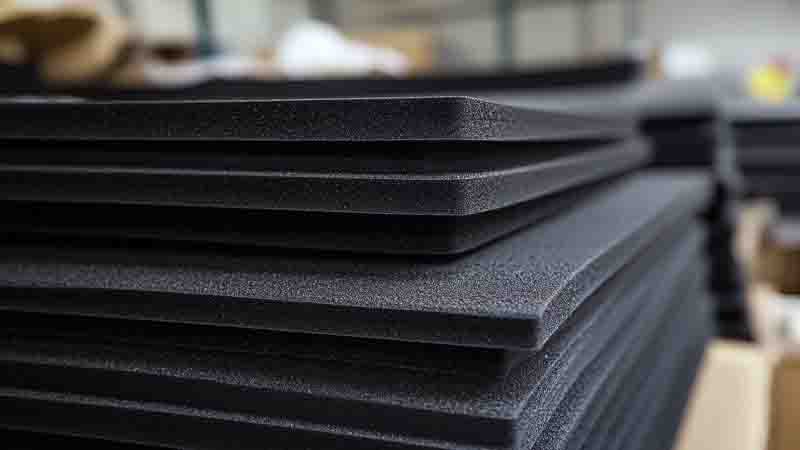
People often confuse polyethylene (PE) with polyolefin, but there’s an important difference.
- Polyethylene (PE) is just one type of polyolefin, made from the polymerization of ethylene monomers. It’s flexible and commonly used in packaging, toys, and insulation.
- Polyolefin is a broader category that includes polyethylene and other polymers made from different olefins, like polypropylene (PP).
While polyethylene is more flexible, polypropylene is more rigid and offers better thermal resistance. Understanding this distinction helps in choosing the right material for your needs.
How to Choose the Right Polyolefin Foam?
When selecting the right polyolefin foam for your project, there are a few things you should consider.
Foam Density
The density of the foam affects its weight, durability, and insulating properties. Higher-density foam is more rigid and durable, making it ideal for structural applications. Lower-density foam is lighter and more flexible, which is great for cushioning and packaging.
Foam Thickness
Thicker foam provides better insulation and shock absorption. If you’re using foam for insulation purposes, thicker foam is better. For lighter applications, like packaging, thinner foam is usually sufficient.
Flexibility
If the foam needs to bend or form around a shape, go for a more flexible type like LDPE (low-density polyethylene). If you need something more rigid, such as for insulation or automotive applications, higher-density foams like HDPE or polypropylene are a better choice.
Durability and Performance
Some foam types offer better resistance to heat, moisture, and chemicals. If you need foam that will stand up to tough environments, look for types with superior chemical resistance and UV protection.
Foam Application
Understanding where the foam will be used can guide your selection. For foam tape, thin foam like IXPE is typically required, while thicker foam is needed for thermal insulation.
If you’re still unsure about which foam to choose, reach out to FS FOAM, and our experts will assist you.
Polyolefin Foam vs. Other Foam Types: Why Polyolefin Wins
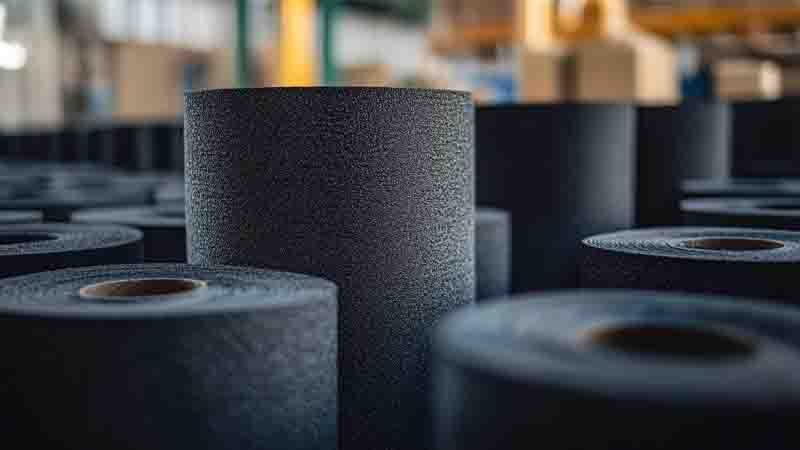
When you compare polyolefin foam to other types of foam, like EVA (Ethylene Vinyl Acetate), PVC, and polyurethane, polyolefin has several advantages:
- Eco-friendly: Polyolefin foam, particularly polyethylene foam, is non-toxic and recyclable. It’s a better option for the environment compared to foams like PVC, which can release harmful chemicals.
- Cost-effective: Polyolefin foam is usually less expensive than polyurethane or EVA foams, making it a budget-friendly choice for applications requiring large amounts of foam.
- Lightweight: Polyolefin foam is strong yet lightweight, which is essential in industries like automotive and packaging where weight reduction is important.
- Water-resistant: Polyolefin foam resists moisture, meaning it doesn’t absorb water and lose its properties, which is particularly valuable in insulation and marine applications.
- Durability: Polyolefin foam is highly durable. It resists chemicals, UV light, and environmental factors, which means it lasts longer in demanding conditions.
How to Care for Polyolefin Foam?
Caring for polyolefin foam is crucial to ensure it lasts as long as possible. Here’s how to keep your foam in great condition:
Storage
Store polyolefin foam in a cool, dry place, away from direct sunlight. Heat and UV light can break down the foam over time. Avoid areas with high humidity, as this can also affect the foam’s performance.
Cleaning
To clean polyolefin foam, simply wipe it with a damp cloth and a mild soap solution. Avoid harsh chemicals or abrasive scrubbers, as they can damage the foam. For stubborn stains, use a non-abrasive cleaner.
Avoid Compression
Never store polyolefin foam in a compressed state for too long. If the foam gets compressed, it may lose its cushioning and insulating properties. Always store foam in its natural form to maintain its performance.
Conclusion
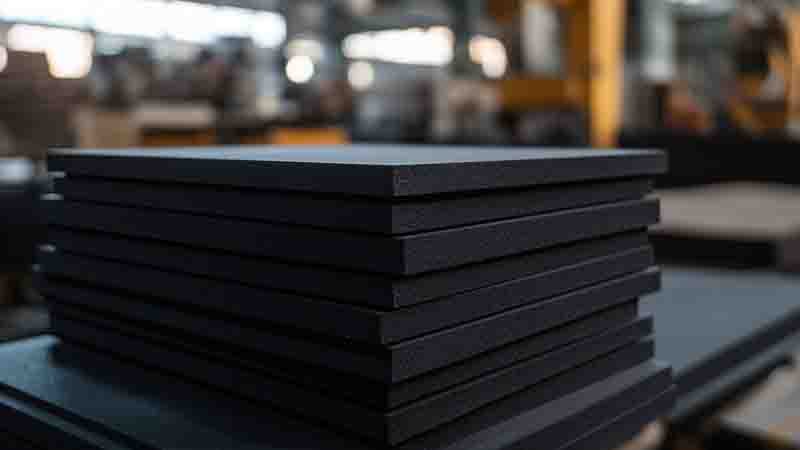
Polyolefin foam is a versatile and durable material used across many industries, from automotive to packaging, sports to construction. It’s eco-friendly, lightweight, cost-effective, and resistant to moisture and UV light—making it an excellent choice for a variety of applications. By considering factors like density, thickness, and flexibility, you can select the right polyolefin foam for your needs.
If you need help with your polyolefin foam project, don’t hesitate to reach out to the experts at FS Foam. We’re here to help you make the best choice for your project.
FAQs
1. What’s the difference between PE foam and PP foam?
PE foam is more flexible and suitable for cushioning, while PP foam is stiffer and better for structural applications.
2. Is polyolefin foam eco-friendly?
Yes, especially polyethylene foam. It is non-toxic and recyclable, making it more eco-friendly than many other foams.
3. Can polyolefin foam be used outdoors?
Yes, polyolefin foam is water-resistant and durable, making it ideal for outdoor applications like pool mats or outdoor furniture.
4. How durable is polyolefin foam compared to other foams?
Polyolefin foam is highly durable and offers excellent resistance to moisture, chemicals, and UV exposure, making it last longer in tough conditions.
5. How do I clean and maintain polyolefin foam products?
To clean polyolefin foam, wipe it down with a damp cloth and mild soap. Avoid harsh chemicals and abrasive materials to keep the foam in good shape.