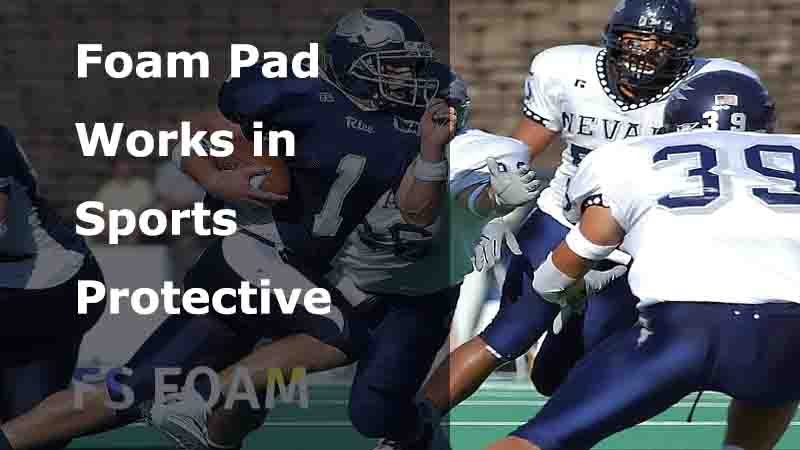
As athletes, we all know how important it is to stay safe while playing sports. Today’s athletes are faster, stronger, and more powerful than ever before. While this makes the games more exciting, it also means the risk of injury is higher. But luckily, we have an essential tool in our gear: the foam pad. Whether it’s inside a helmet or a knee pad, this foam pad is there to protect us, absorb impacts, and keep us safe. But how exactly does it work? Why are certain types of foam, like Cross-Linked Polyethylene (XLPE), so crucial for our protection? Let’s dive into how foam pads in sports gear help keep us safe and comfortable.
What Does Foam Pad Do in Sports Protective Gear?
When we put on our helmets or knee pads, we don’t always think about the foam inside, but it’s the key to keeping us protected. A foam pad in protective gear helps absorb shock, reducing the risk of injury when we fall, collide with another player, or take a hit during the game. Without this foam pad, we’d be at a much higher risk of serious injury.
Foam doesn’t just cushion our bodies—it absorbs and spreads the force of impact, making the injury less severe. Whether it’s in a football helmet or elbow pad, foam helps reduce the blow, making sports a lot safer. The technology behind it helps diffuse the force across a larger surface area, lowering the concentrated impact on our bodies.
How Does Foam Pad Protect Us From Impact?
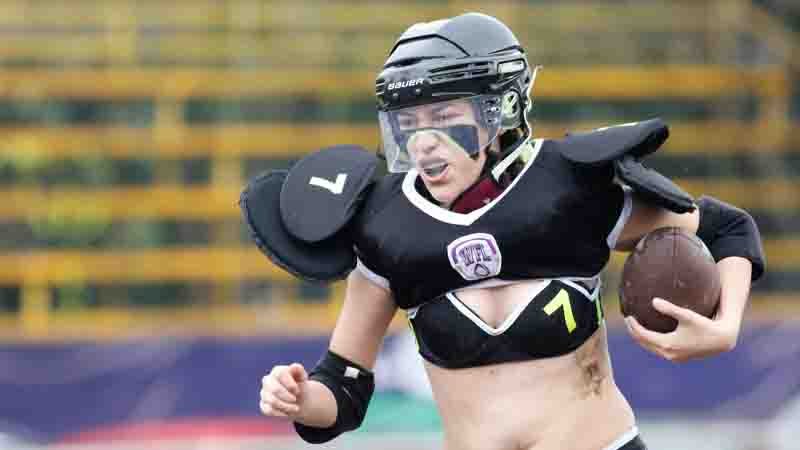
In sports, we take hits all the time. Whether we’re playing football, hockey, or any other high-contact sport, there’s always a risk of getting hurt. When we fall or collide with another player, our bodies absorb a lot of force. Without the proper protection, this can result in serious injuries like broken bones or concussions. But a foam pad in our gear is designed to absorb that force, keeping us safer.
But how does it work? It all comes down to the structure of the foam. Many of the foams used in sports gear, like XLPE foam, are made of “closed cells.” This means that the foam has tiny air pockets sealed inside, which give it strength. When an impact hits the foam, those cells compress, and the force is spread over a larger area. The result? Less concentrated pressure on our bodies and a much lower chance of injury.
Why Is Comfort and Fit Important in Sports Gear?
Playing a sport is challenging enough without worrying about uncomfortable gear. Imagine trying to focus on the game while your helmet is too tight or your knee pads keep shifting. That’s where foam pads come in—they help make our gear more comfortable. Foam molds to the shape of our body, giving us a better fit. This not only makes the gear more comfortable but also keeps it securely in place.
The foam in our helmets or knee pads doesn’t just cushion—it forms our body’s shape, which ensures a snug fit. This keeps the gear from sliding around, even during intense movements. With the foam pad properly in place, we can focus on the game, knowing that we’re protected without distractions.
How Does Foam Help Prevent Moisture and Odor?
We all sweat when we play. But if the gear gets soaked and stays damp, it becomes uncomfortable, heavy, and even stinky. This is where foam shines again. Foam, especially closed-cell foams like XLPE, is great at resisting moisture. It doesn’t absorb sweat, so our gear stays lighter and drier.
This moisture resistance is important because it also helps prevent bacteria and mildew from growing inside the gear. Not only does it keep our gear feeling fresher, but it also helps prevent skin irritations or infections. So, a foam pad helps keep us clean, dry, and comfortable for longer, which is especially important for those of us who play frequently or in hot conditions.
What Types of Foam Are Used in Sports Protective Gear?
Not all foam is the same. Different types of foam offer different benefits, and some are better for specific types of gear than others. Two of the most common foams used in sports gear are EVA foam and Cross-Linked Polyethylene (XLPE) foam. Let’s take a closer look at XLPE foam and why it’s so effective.
What Is Cross-Linked Polyethylene (XLPE) Foam?
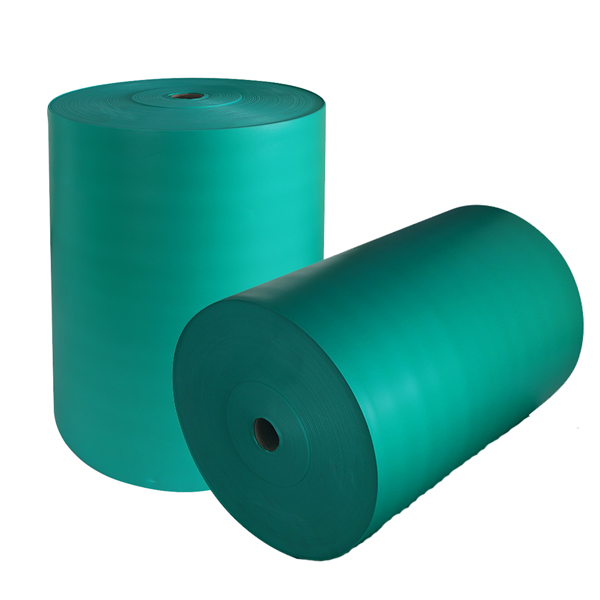
XLPE foam is a type of closed-cell foam made from polyethylene, a material we see in many products. The difference with XLPE foam is that it undergoes a process called “cross-linking.” This chemical process bonds the foam’s molecules, making it much stronger and more durable.
XLPE foam is ideal for protective sports gear because it combines toughness and shock-absorbing qualities. When we take a hit or fall, XLPE foam absorbs the shock and doesn’t break down like some other foams. Over time, some foams lose their ability to absorb impacts, but XLPE foam keeps its strength, making it perfect for high-contact sports like hockey and football.
Why Is XLPE Foam Better Than Other Foams?
While other foams, like EVA foam, might work well for cushioning, XLPE foam has several advantages. First, it’s denser and better at absorbing and spreading out impact forces. This makes it more effective at protecting our bodies during intense, high-impact sports.
For example, EVA foam is great for lighter, low-impact activities, but XLPE foam is better for football, hockey, and other sports where the risks of injury are higher. XLPE foam gives us better protection when we need it the most, making it the ideal choice for athletes in high-contact sports.
FS Foam offers premium materials for sports protective gear, please feel free to contact us.
How Does Foam Pad Protect Us in Hockey Helmets?

Hockey is one of the toughest sports out there, with players constantly taking hard hits. That’s why wearing a helmet is crucial for protecting our heads from injuries like concussions. Inside these helmets, a foam pad plays a huge role in absorbing impacts and keeping our heads safe.
When we take a hit to the head, the foam inside the helmet, often made of XLPE foam, helps absorb the shock. The foam compresses when it takes the hit, spreading the force over a larger area. This reduces the risk of a serious injury by making the impact less concentrated. Foam doesn’t just cushion our heads—it also helps the helmet fit securely, ensuring it stays in place during quick movements, which is especially important in a fast-paced game like hockey.
What Other Protective Gear Uses Foam Pad?
A foam pad isn’t just in hockey helmets; it’s used in almost every type of protective gear we wear in sports. Here are a few examples:
- Knee and Elbow Pads: Whether we’re playing basketball, skateboarding, or rollerblading, foam pads protect our knees and elbows from hard impacts when we fall.
- Shin Guards: In soccer or football, foam pads in shin guards protect us from kicks and tackles. Without this foam, we’d be much more vulnerable to injury.
- Shoulder Pads: Football players and hockey players wear foam-padded shoulder pads to absorb impacts from tackles and checks.
Foam pads are everywhere in sports gear because they provide the protection we need to stay safe and perform our best.
What Are the Benefits of Using XLPE Foam in Sports Gear?

XLPE foam is often the best choice for sports protective gear and for good reason. Here are some key benefits:
1. Safety
XLPE foam absorbs shock and helps reduce the risk of injury. Whether you’re playing football, hockey, or any other high-contact sport, XLPE foam keeps you safer by absorbing the impact from falls and collisions.
2. Comfort
The foam pad molds to your body, making your gear more comfortable. It fits better, doesn’t shift around, and allows you to move freely without worrying about discomfort or restricted movement.
3. Durability
XLPE foam is incredibly durable. Unlike some other foams that may lose their protective qualities over time, XLPE foam maintains its shock-absorbing abilities even after many impacts. This means your gear will last longer, giving you reliable protection season after season.
What’s Next for Foam in Sports Gear?
Foam technology is always improving. Manufacturers are constantly working on making foam pads lighter, more flexible, and better at absorbing shocks. In the future, we could see foam pads that are even better at resisting moisture, bacteria, and wear, meaning our gear will stay fresh and reliable for even longer.
Some companies are even developing custom foam pads that mold perfectly to an athlete’s body, offering a personalized fit. This means better protection and more comfort, allowing us to perform at our best.
Conclusion: Why Foam Pad Is Essential for Sports Protective Gear
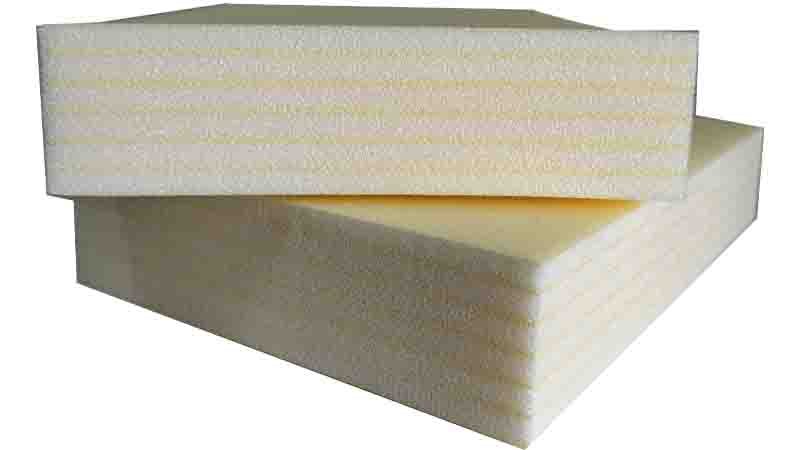
Foam pads are a vital part of sports protective gear. They absorb shock, reduce the risk of injury, and increase comfort. Whether it’s in a hockey helmet, knee pad, or shin guard, foam pads are there to keep us safe and protected. With materials like XLPE foam, we can trust that our gear will perform consistently and effectively, even after many hard hits.
So the next time you step onto the field, rink, or court, remember: foam pads are working behind the scenes to keep you safe, comfortable, and ready to play your best.
FAQs
What is Cross-Linked Polyethylene (XLPE) foam?
XLPE foam is a type of closed-cell foam made from polyethylene, designed for strength and durability. It’s ideal for sports gear because it’s great at absorbing shock and protecting athletes from impact.
Why do sports protective gear use a foam pad?
A foam pad absorbs impact, reduces the risk of injury, and provides comfort. It helps spread the force of a hit over a larger area, making it less concentrated and less likely to cause serious harm.
How does foam help in sports helmets?
Foam in helmets absorbs the shock from impacts and helps reduce the force on the head, lowering the risk of concussions and other head injuries.
What are the benefits of XLPE foam in sports gear?
XLPE foam is durable, offers excellent shock absorption, is resistant to moisture, and provides comfort, making it the best choice for protective sports gear.
Can foam pad be used in all types of sports gear?
Yes, foam pads are used in a wide variety of sports gear, including helmets, knee pads, shin guards, shoulder pads, and more.