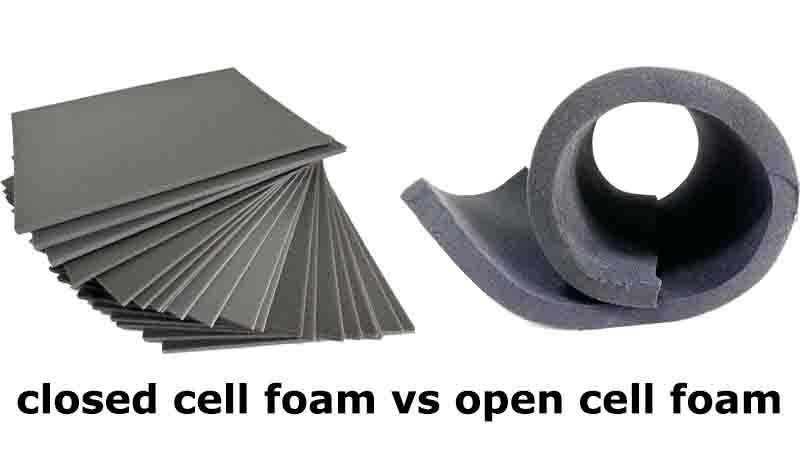
Foam is a versatile material used in everything from construction and packaging to mattresses and soundproofing. Among the different types of foam, closed-cell foam, and open-cell foam are the two most common types. Both of these foams are used for various purposes, but they have distinct characteristics that make them suitable for specific applications.
In this article, we’ll break down the key differences between closed-cell foam and open-cell foam. We will explain the structure, properties, and ideal uses of each foam type. By the end, you’ll have a better understanding of which foam is best suited for your needs.
What Is Closed-Cell Foam?
Closed-cell foam is a type of foam that is made up of cells (tiny pockets of gas or air) that are completely sealed off from each other. These cells are not interconnected, which means air and moisture cannot pass through them. This gives closed-cell foam its dense, rigid, and water-resistant properties. The foam is typically made using a gas-blown process, where air or gas is trapped inside the foam during production. As a result, closed-cell foam is much tougher and more durable than open-cell foam. Some foams such as XPE, IXPE, and IXPP are common closed cell foams.
Structure of Closed-Cell Foam
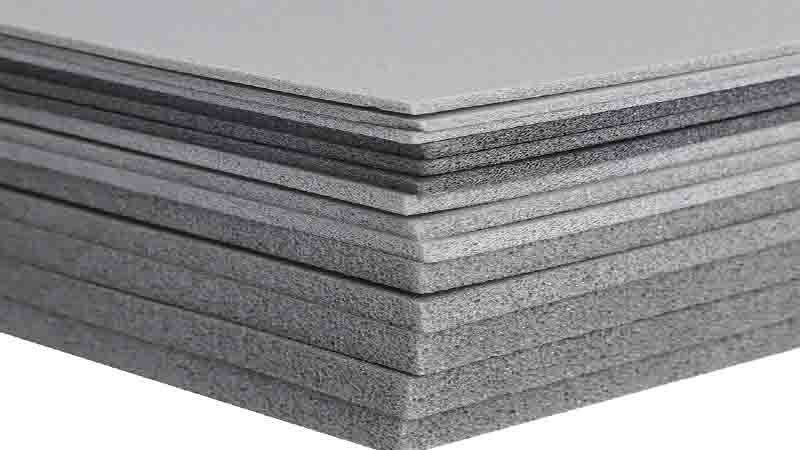
Closed-cell foam consists of tightly packed, sealed cells. These cells don’t connect to each other, which prevents water, air, or vapor from passing through. This structure makes closed-cell foam ideal for insulation and water-related applications.
Properties of Closed-Cell Foam
- Density: Closed-cell foam has a higher density, typically ranging from 32 to 160 kg/m³. This makes it firm.
- Rigidity: Due to its sealed cells, this foam is more rigid, meaning it holds its shape well and doesn’t compress easily.
- Moisture Resistance: Closed-cell foam is waterproof and highly resistant to moisture, which makes it perfect for use in damp environments.
- Thermal Insulation: It has a high R-value, providing excellent insulation. Its R-value typically ranges from 6 to 7 per inch of thickness, making it an excellent choice for keeping spaces warm or cool.
- Durability: Closed-cell foam is durable and can last a long time without breaking down or losing its shape.
What Is Open-Cell Foam?
On the other hand, open-cell foam is made up of open and interconnected cells. These open cells create a network allowing air and moisture to flow through the foam. Open-cell foam is usually softer and more flexible than closed-cell foam, and it is often used for applications where comfort or sound absorption is important.
Structure of Open-Cell Foam
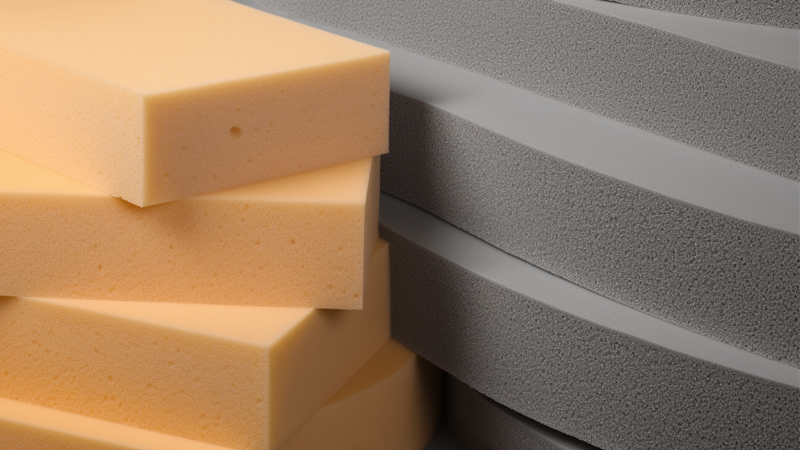
Unlike closed-cell foam, open-cell foam has cells that are not sealed. These cells are interconnected, allowing air and moisture to pass through. As a result, open-cell foam is softer, more flexible, and lighter than closed-cell foam.
Properties of Open-Cell Foam
- Density: Open-cell foam is generally lighter, with a density range of 16 to 50 kg/m³. It’s much less dense than closed-cell foam.
- Softness and Flexibility: Because the cells are open and connected, the foam is more flexible and compressible. It can easily bend or compress under pressure and will return to its original shape once the pressure is removed.
- Moisture Absorption: Open-cell foam is not waterproof and tends to absorb moisture. This makes it less suitable for wet environments.
- Sound Absorption: Open-cell foam is highly effective at absorbing sound. It absorbs sound waves effectively, which is why it is often used in applications where noise control is important.
- Lower Insulation: Open-cell foam has a lower R-value than closed-cell foam, typically around 3.5 to 4 per inch. It’s not as effective at keeping heat in or out, making it less suitable for thermal insulation applications.
What Are the Key Differences Between Closed-Cell Foam and Open-Cell Foam?
Here’s a quick comparison to help you understand the differences between closed-cell foam and open-cell foam:
| Property | Closed-Cell Foam | Open-Cell Foam |
|---|---|---|
| Cell Structure | Cells are sealed and not connected. | Cells are open and interconnected. |
| Density (kg/m³) | Higher density (32-160 kg/m³) | Lower density (16-50 kg/m³) |
| Moisture Resistance | Excellent, does not absorb water. | Absorbs moisture easily. |
| Thermal Insulation | High R-value (6-7 per inch) | Lower R-value (3.5-4 per inch) |
| Soundproofing | Limited, doesn’t absorb sound as well. | Excellent at absorbing sound. |
| Flexibility | Rigid and less flexible. | Soft and flexible, compresses easily. |
| Durability | Less durable, and may compress over time. | Less durable, may compress over time. |
| Compression Resistance | Higher, retains shape well. | Lower, returns to shape quickly. |
What Are the Pros and Cons of Closed-Cell Foam?
Pros of Closed-Cell Foam
- Waterproof: Closed-cell foam is highly resistant to moisture. It doesn’t absorb water, which makes it great for outdoor use or areas that are frequently exposed to water.
- Durable: Closed-cell foam is tough and resistant to wear and tear. It will not break or tear easily, even under heavy pressure.
- Good Insulation: Its high R-value makes it excellent at insulating and regulating temperature, making it ideal for use in homes, buildings, and vehicles.
- Long-Lasting: This type of foam holds its shape and remains functional for a long time, even in harsh conditions.
Cons of Closed-Cell Foam
- Rigid: Closed-cell foam is less flexible compared to open-cell foam. It’s stiff and not as comfortable for applications where softness is needed.
- Lower Breathability: Since air cannot pass through the foam, it’s not ideal for applications where airflow is important.
- Higher Cost: Closed-cell foam tends to be more expensive than open-cell foam due to its superior properties.
What Are the Pros and Cons of Open-Cell Foam?
Pros of Open-Cell Foam
- Flexible: Open-cell foam is much more flexible than closed-cell foam, which makes it ideal for cushioning and applications where comfort is key.
- Sound Absorption: Open-cell foam excels at reducing noise. It absorbs sound waves, making it a great choice for soundproofing applications like home theaters or music studios.
- Breathable: The open cells allow air to pass through, which is important for applications like gaskets, medical devices, or air filtration systems.
- Less Expensive: Open-cell foam is generally cheaper than closed-cell foam, making it more affordable for large-scale projects.
Cons of Open-Cell Foam
- Lower Insulation: It doesn’t insulate as well as closed-cell foam. Its lower R-value makes it less effective in keeping temperatures regulated.
- Absorbs Moisture: Open-cell foam can absorb moisture, which makes it less durable in wet environments.
- Less Durable: Over time, open-cell foam can compress and lose its shape, which means it may not last as long as closed-cell foam.
What Are the Ideal Applications for Closed-Cell Foam?
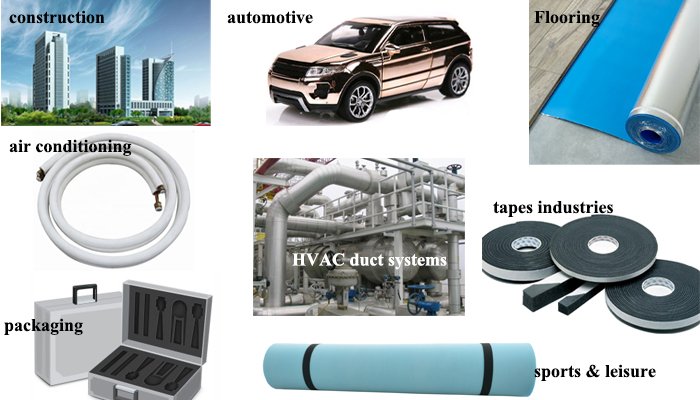
Closed-cell foam is perfect for applications where strength, water resistance, and durability are crucial. Here are some of the best uses for closed-cell foam:
- Construction: For insulation, air sealing, and keeping moisture out of homes and buildings. It can also be used in weatherproofing and soundproofing.
- Marine: Closed-cell foam is used in buoyancy aids and flotation devices because it doesn’t absorb water and helps things float.
- Automotive: It is used in seals, gaskets, and insulation within cars to reduce noise and improve energy efficiency.
- Packaging: For cushioning and protecting fragile items during shipping, like electronics, glass, and other breakables.
- Sports and Safety: Used in helmets, knee pads, and shin guards for impact protection and shock absorption.
What Are the Ideal Applications for Open-Cell Foam?
Open-cell foam is best for applications that require softness, flexibility, and sound absorption. Here are some of the top uses for open-cell foam:
- Soundproofing: Open-cell foam is great for acoustic panels, home theaters, and music studios because it absorbs sound waves and reduces noise.
- Cushioning and Comfort: Used in mattresses, pillows, cushions, and pet beds for added comfort and softness.
- Medical: Open-cell foam is used in wound dressings, orthopedic supports, and medical devices, where breathability and comfort are important.
- Breathable Applications: Open-cell foam is used for air filters and gaskets that need airflow.
How Do I Choose Between Closed-Cell Foam and Open-Cell Foam?
Choosing the right type of foam depends on the needs of your project. Here are some factors to consider:
- Durability: If you need a stronger, more durable foam, go with closed-cell foam.
- Moisture Resistance: If the foam needs to be water-resistant or used in wet conditions, choose closed-cell foam.
- Thermal Insulation: If insulation is your priority, closed-cell foam is the best choice.
- Soundproofing: If reducing noise is important, open-cell foam is a better option.
- Comfort and Flexibility: For comfort or cushioning, open-cell foam is softer and more flexible.
Cost Considerations:
- Closed-cell foam is usually more expensive, but it offers better protection against moisture and provides superior insulation.
- Open-cell foam is cheaper and still useful for soundproofing, cushioning, and other applications.
Conclusion
Understanding the differences between closed-cell foam and open-cell foam is essential for choosing the right foam for your project. Closed-cell foam is best for applications that need strength, moisture resistance, and thermal insulation, while open-cell foam excels at soundproofing, comfort, and breathability.
If you’re unsure about which type of foam to use, don’t hesitate to reach out to us. We can help guide you in selecting the best foam solution for your specific needs.
FAQs
1. What is the difference between closed-cell foam and open-cell foam?
Closed-cell foam has sealed cells that resist water, while open-cell foam has interconnected cells that allow moisture and air to pass through.
2. Can closed-cell foam be used for soundproofing?
While closed-cell foam provides some sound insulation, open-cell foam is better at absorbing sound.
3. Is open-cell foam waterproof?
No, open-cell foam is not waterproof and can absorb moisture.
4. Which foam is better for insulation?
Closed-cell foam is superior for insulation due to its high R-value.
5. How do I know which foam is right for my project?
Consider factors like water resistance, comfort, soundproofing, and thermal insulation to determine which foam best fits your needs.