UL94 and Its Importance in Fire Safety
The UL94 standard is one of the most important rules used to test how well materials can resist fire. It was created by Underwriters Laboratories (UL) and checks the flammability of materials like plastics and foams. This standard helps make sure that materials used in everyday products don’t easily catch fire, which can save lives and property.
UL94 testing is especially important in industries such as automotive, construction, and packaging, where materials can be exposed to heat or flames. For example, materials used in cars or electronics need to be tested to make sure they won’t easily catch fire in case of an accident or electrical malfunction.
What is UL94HF-1?
UL94HF-1 is a specific part of the UL94 standard that focuses on materials tested in a horizontal position (laid flat). This test is for materials that might be used in places like automotive interiors, packaging, or foam insulation.
For a material to get the HF-1 rating, it has to pass certain tests:
- Burn Rate: The material must burn slowly and not spread the fire quickly.
- After-Flame Time: The material must stop burning within 30 seconds after the flame is removed.
- No Dripping: The material should not melt and drip any burning material, which could spread the fire.
This makes UL94HF-1 a good rating for materials that are used in places where some heat or flame exposure might occur.
How is UL94HF-1 Tested?
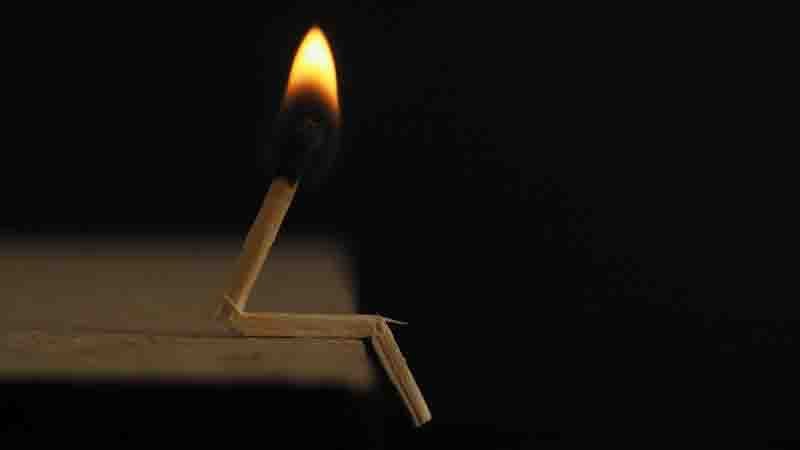
To get UL94HF-1 certification, a material has to go through a horizontal burning test. Here’s how it works:
- Specimen Preparation: A piece of the material is cut to a specific size (usually 125mm x 13mm) and thickness.
- Flame Application: A small flame is applied to the material for 10 seconds.
- Burning Observation: After the flame is removed, testers watch how the material burns. They check if the material continues to burn after the flame is removed, how long it burns, and if it drips any molten material.
- Smoke and Toxicity: Testers also check how much smoke the material produces and whether the smoke is harmful to breathe.
If the material passes all these tests, it can be rated HF-1.
The Role of UL94HF-1 in Fire Safety
The UL94HF-1 rating helps reduce fire risks by making sure materials don’t spread fire easily. This is especially important in places like cars, airplanes, and electronics, where fire hazards are a concern.
For example, in a car, materials like the seats or dashboard need to be fire-resistant in case of a crash or a short circuit. If these materials are HF-1 rated, they will not spread flames quickly or drip molten material that could worsen the fire.
Controlling smoke and toxic gases is also important in a fire. Materials with the HF-1 rating produce very little smoke and are safer in emergencies.
UL94HF-1 Testing in Cross-Linked PE Foam
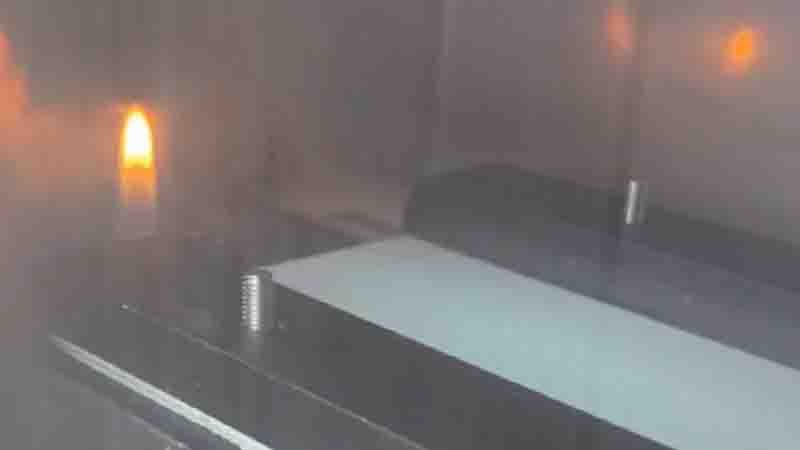
Cross-linked PE foam is a special type of foam used in many products, such as car seats, building insulation, and protective packaging for electronics. Because foam is often used in places that could catch fire, it must have good flame resistance.
For cross-linked PE foam to get the UL94HF-1 rating, it must go through the horizontal burning test, just like any other material. The foam is tested for things like:
- How quickly it burns.
- How long does the material continue to burn after the flame is removed?
- If it drips any burning material.
- How much smoke it makes?
Some of the most common uses for UL94HF-1 certified cross-linked PE foam include:
- Automotive: In seats, door panels, and dashboards.
- Construction: As insulation for buildings, helping control both heat and fire.
- Packaging: To protect electronics and other delicate items during shipping.
Applications of UL94HF-1 Certified Materials
Getting UL94HF-1 certification means a material is safe to use in industries where fire safety is a top concern. Certified materials are used in things like:
- Automobiles: Inside cars, ensure that materials like seat cushions and dashboards won’t easily catch fire.
- Electronics: For the packaging of fragile electronics, protecting them from heat during shipping.
- Construction: As insulation that doesn’t easily catch fire.
Having UL94HF-1 certification gives manufacturers a competitive advantage because it shows they care about fire safety. It also helps them follow fire safety regulations, which are important for keeping consumers and workers safe.
FS FOAM have all the fire retardant type materials meet the UL94HF-1 standard, including XPE,IXPE and IXPP foam.
Comparison with Other UL94 Ratings
There are several types of UL94 ratings, each for different kinds of materials and uses. Here’s a comparison to help you understand how UL94HF-1 stacks up:
|
UL94 Rating
|
Burning Orientation
|
Flame Application
|
After-Flame Time
|
Dripping Allowed
|
Use Cases
|
|---|---|---|---|---|---|
|
HF-1
|
Horizontal
|
Small open flame
|
30 seconds max
|
No dripping
|
Used for materials like foams (e.g., PE, PVC) where horizontal orientation is common (automotive, packaging).
|
|
V-0
|
Vertical
|
Small open flame
|
10 seconds max
|
No dripping
|
Common for materials used in vertical applications (e.g., automotive dashboards, office equipment).
|
|
V-1
|
Vertical
|
Small open flame
|
30 seconds max
|
No dripping
|
Suitable for applications like electronic components and wires.
|
|
V-2
|
Vertical
|
Small open flame
|
30 seconds max
|
Dripping allowed
|
Used for less critical fire safety applications (e.g., electrical housings).
|
|
HB
|
Horizontal
|
Small open flame
|
N/A
|
N/A
|
Best for materials that burn at a slow rate but don’t require the stricter standards of HF or V classifications (e.g., low-density foam).
|
|
5V
|
Vertical
|
Five-second open flame
|
5 seconds max
|
No dripping
|
The highest rating, usually required in military or aerospace applications where extreme fire safety is necessary.
|
Key Differences Between HF-1 and Other UL94 Ratings:
- Horizontal vs. Vertical Orientation: HF-1 tests materials in a horizontal position, while other ratings like V-0 or V-1 test materials in a vertical position. This matters because some materials, like foam, are often used in horizontal positions, so they need to be tested accordingly.
- After-Flame Time: V-0 has a stricter rule for after-flame time than HF-1. Materials with a V-0 rating must stop burning within 10 seconds. For HF-1, the after-flame time can be up to 30 seconds.
- Dripping: In most cases, HF-1, V-0, and V-1 ratings do not allow dripping. V-2 allows dripping, but it’s considered a less safe option.
- Use Cases: HF-1 is best for materials like foam that are used in horizontal applications, such as automobile interiors and insulation. Other ratings like V-0 and V-1 are used for materials that are used vertically, like those found in electronic devices.
Conclusion
The UL94HF-1 rating is a critical standard for flame resistance, especially in materials like cross-linked PE foam. It helps ensure that materials used in products like cars, electronics, and insulation won’t spread flames quickly or produce harmful smoke in the event of a fire. By meeting this standard, manufacturers can create safer products and follow important fire safety regulations.
FAQs
1. What is the difference between UL94HF-1 and UL94V-0?
UL94HF-1 tests materials that are placed horizontally, while UL94V-0 tests materials in a vertical position. V-0 also requires the material to stop burning faster (within 10 seconds) compared to HF-1 (which allows up to 30 seconds).
2. How does UL94HF-1 affect the choice of materials for the automotive industry?
In cars, materials like foam with the UL94HF-1 rating ensure that the seats, door panels, and dashboards won’t easily catch fire or spread flames if exposed to heat.
3. Can a material be UL94HF-1 certified if it drips when burned?
No, UL94HF-1 certification requires that the material does not drip burning material, as this could spread the fire.
4. How do manufacturers benefit from UL94HF-1 certification?
Manufacturers with UL94HF-1 certification can ensure their products are safe for fire-sensitive industries, help them comply with safety rules, and gain a competitive edge in the market.
5. Are there other ratings besides UL94 for evaluating fire resistance?
Yes, there are other fire safety standards, such as ASTM and ISO. However, UL94 is one of the most widely recognized and adopted standards for flame resistance testing.