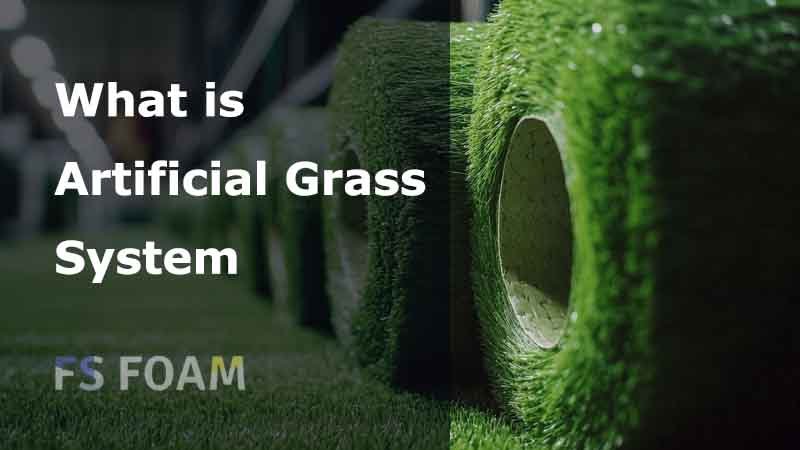

Artificial grass has transformed outdoor spaces, offering the perfect blend of practicality and beauty. Whether it’s a playground that keeps kids safe, a sports field built for peak performance, or a backyard that remains lush year-round, artificial grass has become the go-to choice for modern landscaping. But what lies beneath is just as important as the grass itself. Enter the shock pad—an essential layer that often goes unnoticed but delivers unmatched safety, comfort, and durability.
Through years of working with artificial turf systems, I’ve seen shock pads elevate installations from average to exceptional. They’re not just an extra—they’re a foundation that can make all the difference. Let’s explore shock pads, why they’re essential, and how to pick the perfect one for your needs.
What Is a Shock Pad?
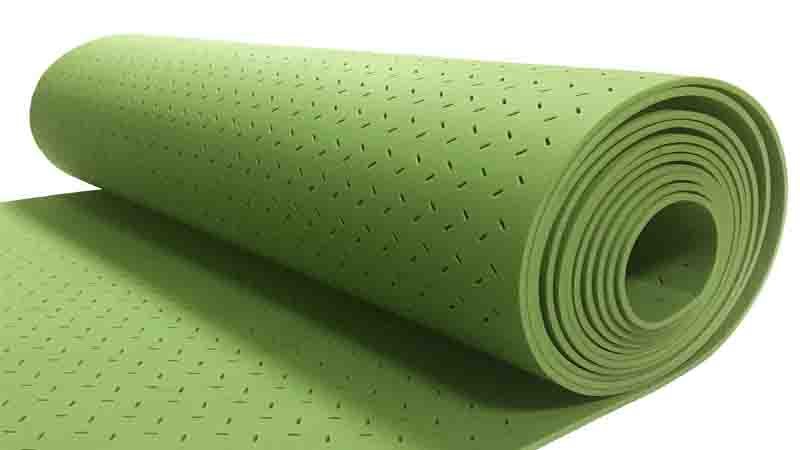
At its simplest, a shock pad is a cushioning layer that sits between the ground and artificial grass. But its purpose is anything but simple. It absorbs impact, reduces injury risk, and makes the surface more forgiving. Think of it as the unsung hero of artificial grass installations—unseen but indispensable.
Shock pads are versatile and fit a range of applications. In playgrounds, they provide a safety net for children, reducing the impact of falls and meeting safety standards like Critical Fall Height (CFH). For sports fields, they minimize stress on athletes’ joints, enabling better performance and recovery. Even residential gardens benefit, as shock pads add a layer of comfort and protect the turf from wear.
The Benefits of Shock Pads
If you’re on the fence about adding a shock pad, here’s why it’s worth every penny:
1. Safety Above All
Shock pads make surfaces safer by cushioning impacts. I worked on a playground where falls from climbing equipment were a constant concern. Parents immediately noticed a difference after we installed shock pads that met CFH standards. It’s peace of mind you can feel underfoot.
2. Superior Comfort
A hard, unforgiving surface is no one’s idea of fun. Shock pads add just enough softness to create a comfortable experience. Athletes on a recent sports field project told me the turf felt better on their feet and reduced fatigue during games. Comfort isn’t just a luxury—it enhances usability.
3. Extends Turf Life
Artificial grass takes a beating in high-traffic areas. Without a shock pad, compaction and abrasion can wear out the turf quickly. On a school field project, adding a shock pad preserved the turf’s backing, keeping it intact for years longer than anticipated. It’s an investment that pays off in durability.
4. Effective Drainage
Water pooling is a nightmare for any outdoor surface. Many shock pads come with built-in drainage systems, allowing rain to flow through efficiently. In a backyard project, this feature prevented waterlogging after storms, keeping the area usable no matter the weather.
5. Long-Term Cost Savings
Yes, installing a shock pad adds to the initial cost, but the savings over time are undeniable. By reducing maintenance needs and prolonging the life of the turf, it cuts replacement expenses significantly.
Types of Shock Pads: Pros and Cons
Not all shock pads are created equal. Here’s a closer look at the most common types and their strengths:
Foam Shock Pads (XPE Foam)
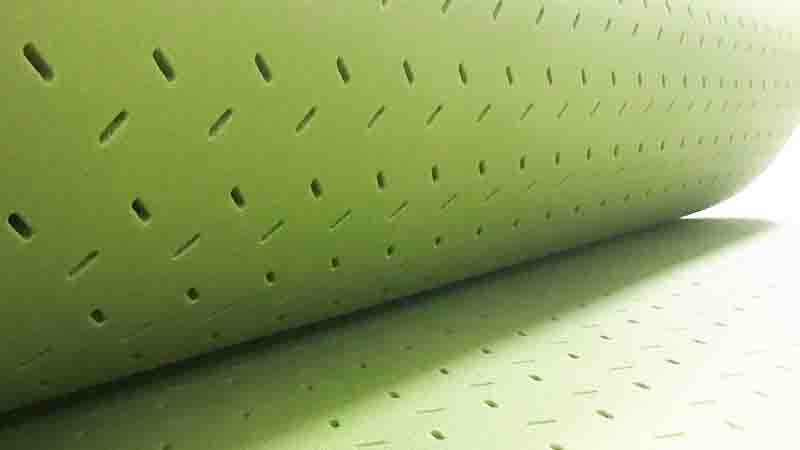
These are my go-to recommendations for most projects, especially in high-impact areas like sports fields and playgrounds. Made from cross-linked polyethylene (XPE), they deliver excellent shock absorption while remaining lightweight and durable.
Pros:
- Ideal for heavy-use areas like sports fields and playgrounds.
- Water-resistant and eco-friendly, often made from recyclable materials.
- Long-lasting performance in outdoor environments.
Cons:
- Higher upfront cost compared to other materials.
- Requires proper installation to achieve full benefits.
Rubber Shock Pads
Made from recycled rubber, these pads are durable and great for industrial applications. However, they’re heavier and less cushioned than foam.
Fabric-Based Shock Pads
These lightweight, affordable pads are easy to install but lack durability and cushioning. They’re best suited for light-use areas.
Interlocking Shock Pads
Designed for quick installation, these modular tiles are ideal for temporary setups like event spaces. However, gaps can form if they’re not aligned perfectly.
How to Choose the Right Shock Pad

Choosing the perfect shock pad depends on your project’s unique needs. Here’s what to keep in mind:
- Safety Standards: Ensure the pad meets CFH standards for playgrounds or impact requirements for sports fields.
- Durability: For high-traffic areas, opt for a durable option like XPE foam.
- Drainage: If the installation is outdoors, prioritize pads with effective drainage channels.
- Budget: Consider both the upfront cost and long-term savings. A quality pad will pay for itself over time.
- Intended Use: Match the pad to the application—thicker pads for playgrounds, thinner ones for landscaping.
How to Install XPE Foam Shock Pads
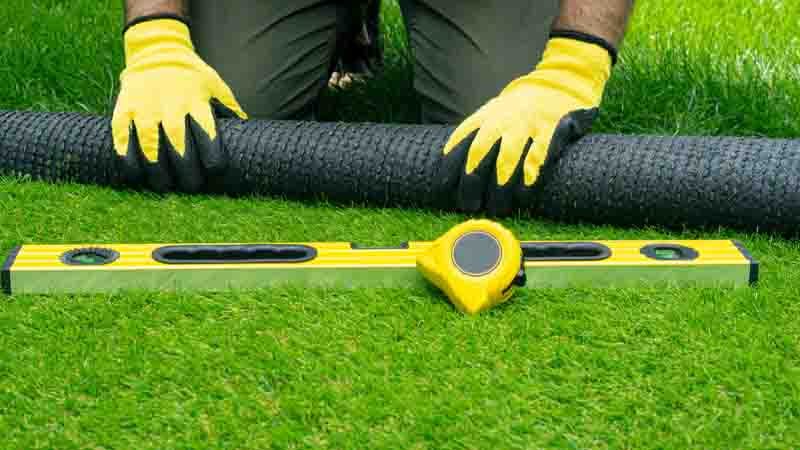
Installing shock pads isn’t rocket science, but attention to detail is crucial. Here’s how I typically approach it:
Step 1: Prepare the Ground
Ensure the sub-base is level, compacted, and equipped with proper drainage. Crushed stone or concrete works well as a foundation.
Step 2: Lay the Shock Pads
Roll out the XPE foam shock pads or position interlocking tiles. Make sure they align properly to avoid gaps. Use adhesive or tape to secure the edges and prevent movement.
Step 3: Install the Turf
Place the artificial grass over the shock pad. Stretch it evenly, secure the edges with adhesive or staples, and brush the fibers for a polished look.
Pro Tip: Before adding the grass, pour water on the surface to test the drainage. It’s easier to fix issues now than after the installation.
Maintenance Tips for Shock Pads
- Inspect Regularly: Check for any shifts or damage under the turf.
- Clear Debris: Keep drainage channels free from leaves and dirt.
- Replace When Necessary: While durable, shock pads can wear out in high-traffic areas and should be replaced when signs of damage appear.
Conclusion

Shock pads are more than a luxury—they’re a vital part of any artificial grass system. From enhancing safety and comfort to protecting the turf and improving drainage, they offer benefits that make them worth the investment. In my experience, XPE foam shock pads stand out as the best choice for their durability, performance, and eco-friendly design.
If you’re planning an artificial grass project, don’t overlook the importance of the foundation. A high-quality shock pad can transform your surface into one that’s safer, longer-lasting, and more enjoyable for everyone who uses it. It’s not just about the grass—it’s about what lies beneath.
FAQs
1. What is the difference between a shock pad and a standard underlay for artificial grass?
A shock pad is specifically designed to absorb impact and reduce injury, providing a cushioning effect between the ground and the artificial grass. While standard underlays might help with leveling the ground or improving drainage, they do not provide the same level of impact absorption or safety that shock pads do.
2. Can shock pads be used on all types of artificial grass?
Yes, shock pads can be used with any type of artificial grass, but they are especially beneficial for high-traffic areas like playgrounds, sports fields, or commercial spaces. The key is to match the right thickness and material of the shock pad to the specific use case to ensure optimal performance and safety.
3. How long do shock pads last?
The lifespan of shock pads depends on factors like the material, traffic levels, and environmental conditions. High-quality XPE foam shock pads can last 10–15 years with proper installation and maintenance, though they may need to be replaced sooner in extremely high-traffic areas.
4. Are shock pads eco-friendly?
Yes, many shock pads, especially those made from XPE foam, are eco-friendly. They are often made from recyclable materials, making them a sustainable choice for those looking to reduce their environmental footprint. Additionally, using shock pads helps extend the life of artificial grass, reducing the need for frequent replacements.
5. Can I install shock pads myself, or do I need a professional?
While it’s possible to install shock pads yourself, proper installation is key to ensuring the pads perform as intended. If you’re a DIY enthusiast, it’s important to follow the steps carefully, ensuring the ground is level and the pads are securely laid. For larger or more complex projects, hiring a professional might be the best option for optimal results.