The Role of Aircon Insulation
Air conditioning systems are more than just a luxury; they are essential in maintaining comfort in both residential and commercial spaces. Whether you’re combating the heat during the summer or controlling humidity in your workspace, air conditioning is a must-have in today’s world. However, just having an aircon unit isn’t enough to ensure optimal performance and efficiency. One critical factor that many people overlook is aircon insulation.
Proper aircon insulation can drastically improve the performance of your cooling system. It reduces energy consumption, lowers operational costs, prevents unnecessary wear on your aircon, and enhances indoor comfort. Without proper insulation, your air conditioning system is less efficient, consumes more power, and works harder than necessary. In the long run, this leads to higher energy bills and more frequent repairs.
In this article, we will explore why aircon insulation is crucial, how it works, the different types of insulation materials available, and how you can ensure your air conditioning system is properly insulated for maximum efficiency and longevity.
What Is Aircon Insulation?
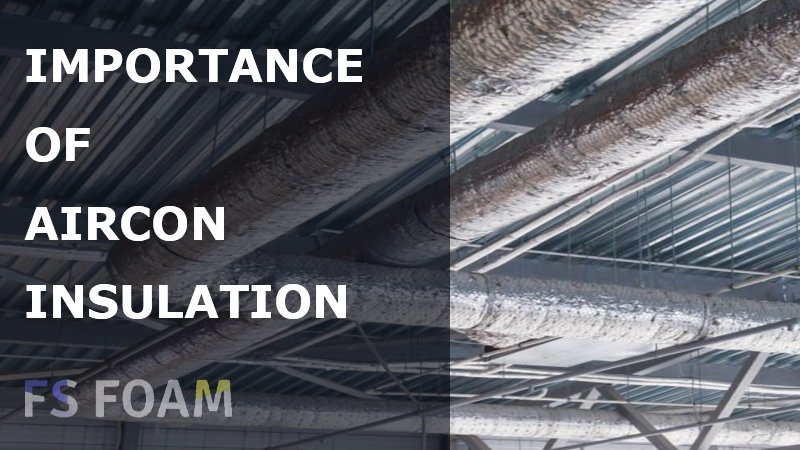
Aircon insulation refers to the materials used to encase or cover various components of an air conditioning system. The purpose of these materials is to help reduce energy loss, maintain stable temperatures, and protect the system from damage caused by external environmental factors such as heat, moisture, and dust.
There are several critical components of an air conditioning system that benefit from insulation:
- Refrigerant Lines: These pipes carry the refrigerant through the system, absorbing and releasing heat to cool your home. Insulating the refrigerant lines helps ensure that the refrigerant stays at the right temperature, minimizing energy loss and preventing the system from overworking.
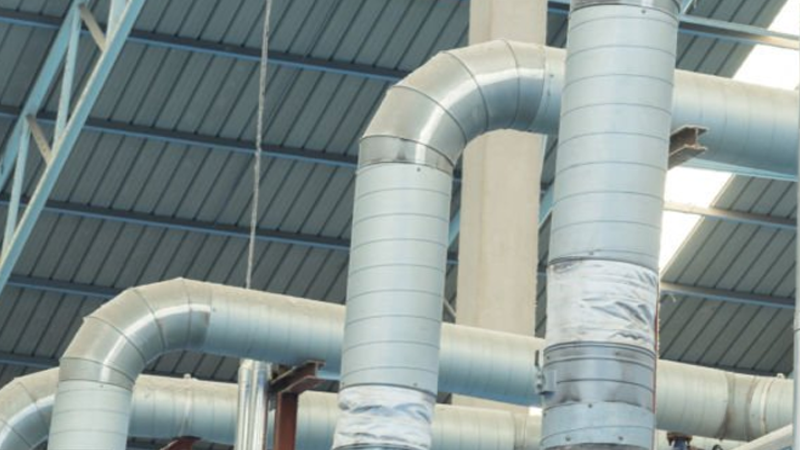
- Air Ducts: Ducts are the channels through which cool or warm air flows throughout your home or building. Insulating air ducts helps prevent the conditioned air from escaping or becoming contaminated by external heat sources, ensuring that the air remains at the right temperature as it travels through the system.
- Compressor and Condenser: These components are responsible for generating heat. Insulation around the compressor and condenser ensures that the temperature remains stable, preventing them from overheating, which could cause damage to the system.
By ensuring that these components are insulated properly, you can help your air conditioning system perform efficiently while reducing the overall energy consumption of the unit.
Why Insulation Matters for Your Aircon System
There are several reasons why aircon insulation is important, and each one directly contributes to the efficiency and longevity of your system. Let’s dive into the main benefits:
1. Prevents Energy Loss
One of the most significant advantages of aircon insulation is its ability to prevent energy loss. Without proper insulation, your system can lose energy in several ways:
- Leaky ducts: If the ducts aren’t insulated, the air traveling through them can escape, making the aircon system work harder to maintain the desired temperature.
- Loss of cooling power: Refrigerant lines that aren’t insulated properly can lose their cooling power as they travel through the system, causing the air conditioning unit to use more energy to maintain a cool indoor environment.
Proper insulation ensures that the refrigerant stays at the right temperature, and the air doesn’t escape through the ducts, reducing energy waste.
2. Maintains Stable Temperature Control
Aircon insulation plays a critical role in regulating indoor temperatures. By preventing heat from entering the system and cooling from escaping, insulation helps maintain a consistent temperature throughout your home or business. This ensures that your aircon system doesn’t need to work overtime to adjust to temperature fluctuations. As a result, you enjoy more consistent comfort with less effort from the system.
3. Reduces Strain on the System
When your air conditioning system is properly insulated, it doesn’t have to work as hard to cool the space. Insulation helps prevent the loss of energy through ducts or refrigerant lines, and this reduces the load on the compressor. A system that works more efficiently has fewer breakdowns and can last longer. It’s less likely to suffer from excessive wear and tear, saving you on costly repairs and extending the lifespan of the unit.
4. Protects the System from Environmental Damage
Air conditioners are subject to the elements—heat, moisture, dust, and even mold can affect the efficiency and lifespan of your aircon. Insulation acts as a protective layer for your system, preventing damage from environmental factors. For instance, moisture accumulation on refrigerant lines or ducts can lead to rust and corrosion. Insulating the system helps prevent these issues, which ultimately saves you money on repairs and replacements.
The Environmental Impact of Aircon Insulation
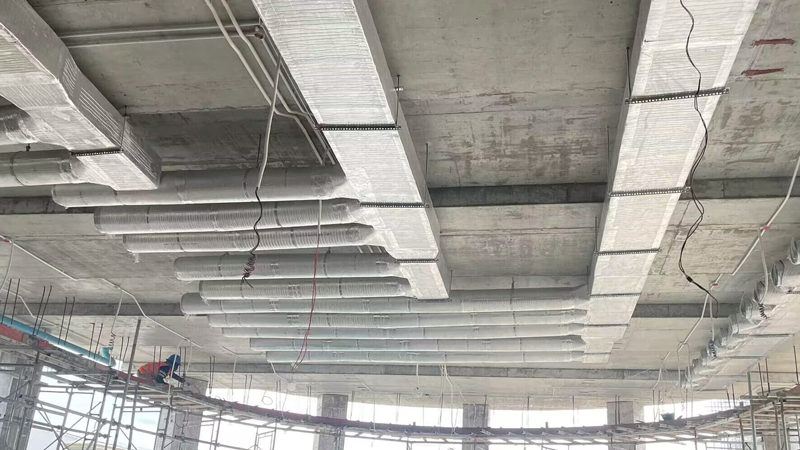
Air conditioning systems are among the largest consumers of electricity in many homes and businesses. By reducing the amount of energy required to cool a space, aircon insulation can significantly lower your carbon footprint. Here’s how:
1. Reducing Energy Consumption
An aircon unit that isn’t insulated will have to run longer and use more energy to achieve the desired temperature. Proper insulation reduces the need for constant cycling, allowing the system to use less electricity overall. This results in less demand for power grids, which means fewer fossil fuels are burned to generate electricity.
2. Lower Carbon Emissions
Energy-efficient air conditioning systems are crucial in reducing the carbon emissions associated with energy production. By using less energy, insulated aircon systems help reduce the environmental impact, making them more eco-friendly and sustainable. Whether you are concerned about the environment or just want to save on your utility bills, investing in insulation for your aircon is a smart move.
The Key Benefits of Aircon Insulation
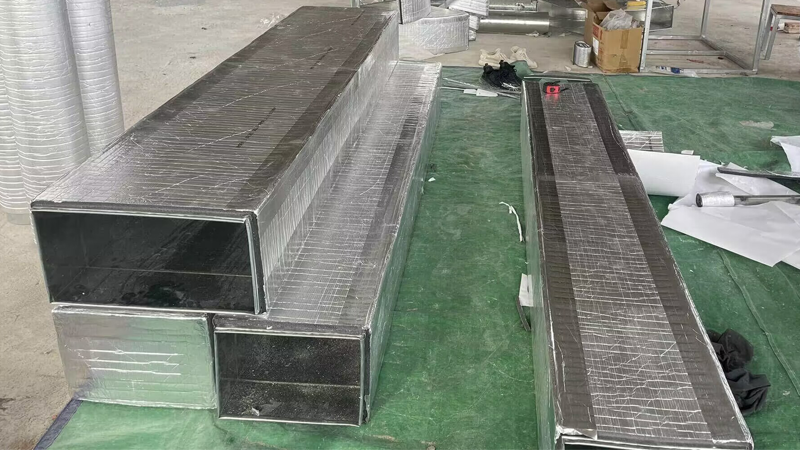
As we have discussed, aircon insulation offers a wide range of benefits, from cost savings to comfort improvements. Let’s take a closer look at the key benefits of properly insulating your aircon system.
1. Lower Energy Bills: How Insulation Can Save You Money
Energy efficiency is one of the top reasons why people choose to insulate their aircon systems. With proper insulation, your aircon system won’t have to work as hard to maintain a comfortable temperature. This means lower energy consumption, which leads to significant savings on your monthly utility bills.
Over time, you could see savings of up to 30% in energy costs by insulating your aircon system. This makes insulation a highly cost-effective solution, especially when you consider the long-term benefits.
2. Extending the Lifespan of Your Aircon System
Proper insulation helps protect your aircon from strain and wear. Without insulation, the system works harder to cool or heat the space, putting unnecessary stress on the components, especially the compressor. By reducing this strain, insulation helps extend the lifespan of your aircon system. Insulated systems typically last 5-10 years longer than uninsulated ones, making it a worthwhile investment.
3. Enhancing Indoor Comfort
When the aircon system is insulated properly, it helps maintain a consistent temperature in your home or office. No more cold spots or areas that are hotter than others. Insulation allows the aircon to distribute conditioned air more effectively throughout the space. This ensures you enjoy a comfortable indoor environment, no matter the season.
4. Reducing Noise Pollution
Air conditioners, especially older units or larger systems, can be quite noisy. Proper insulation helps reduce the noise produced by the system, especially from the compressor or ducts. This creates a quieter environment, making your aircon system less intrusive. Whether at home or in an office, insulation can help make your space more peaceful.
How Insulation Improves Aircon System Efficiency
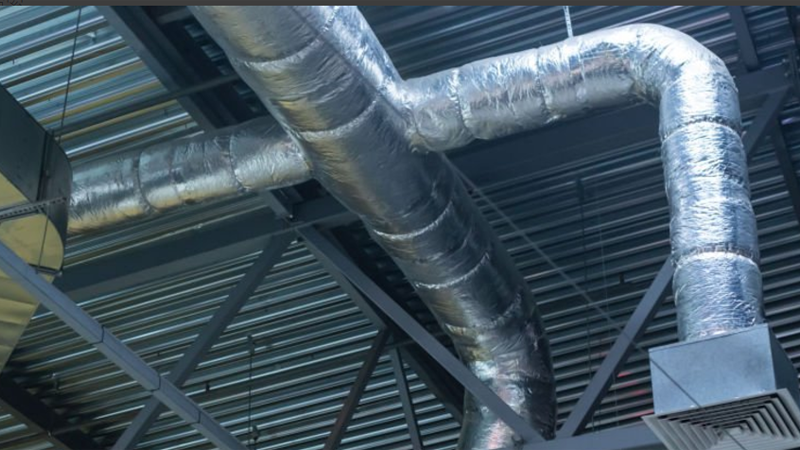
Aircon systems that are insulated properly operate more efficiently. Here’s how insulation improves the overall performance of the system:
1. Minimizing Energy Waste with Insulated Ductwork
Uninsulated ducts can waste a significant amount of energy, especially in larger buildings. When ducts are insulated, they help ensure that the air remains at the right temperature as it travels from the aircon unit to the rooms in your home or office. This reduces the overall energy consumption of the system and helps it run more efficiently.
2. Keeping Refrigerant Lines at Optimal Temperature
Refrigerant lines carry the cooling substance that is responsible for absorbing heat from the air. Without insulation, these lines can lose their cooling power as they move through the system, forcing the aircon unit to work harder. Insulating the refrigerant lines ensures that the refrigerant stays at the optimal temperature, improving the system’s cooling efficiency.
3. Reducing Load on the Compressor
The compressor circulates refrigerant throughout the system. An overworked compressor can lead to higher energy consumption and increased wear and tear. Insulating the system reduces the load on the compressor by keeping refrigerant at the right temperature, improving the system’s overall efficiency and reducing the risk of costly breakdowns.
The Types of Aircon Insulation Materials
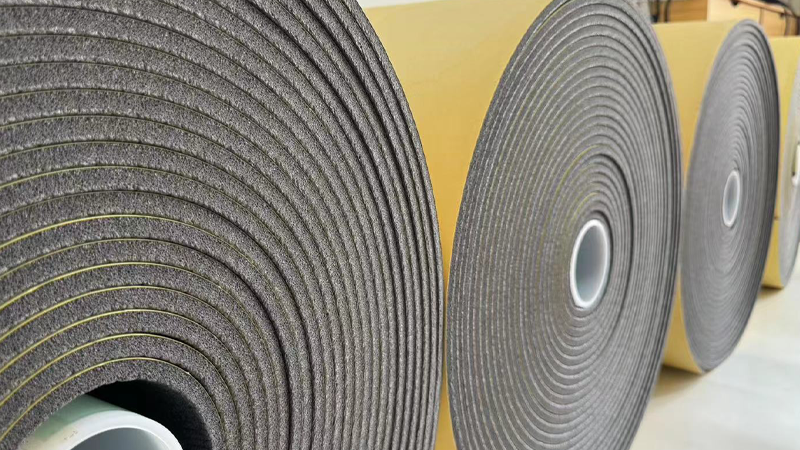
There are different types of materials used for aircon insulation, each with its own advantages and disadvantages. Let’s explore the most common insulation materials:
1. Fiberglass: Traditional Insulation with Some Drawbacks
Fiberglass is one of the most common types of insulation used in aircon systems. It is relatively inexpensive and offers moderate insulation. However, it can absorb moisture, which reduces its effectiveness and can lead to mold growth. Additionally, fiberglass insulation does not provide excellent soundproofing.
2. Reflective Foil: Ideal for Radiant Heat Control
Reflective foil insulation works by reflecting heat away from the aircon unit. It’s ideal for areas where radiant heat is an issue, such as attics or roofs. While it’s lightweight and easy to install, it doesn’t offer as much thermal resistance as other materials.
3. Closed Cell Polyethylene Foam: The Superior Choice for Moisture Resistance
Closed-cell polyethylene foam is one of the best options for insulating aircon systems. It is highly resistant to moisture and provides excellent thermal insulation, making it ideal for humid environments. Additionally, it offers soundproofing benefits, reducing the noise produced by the system.
4. Rubber Foam: A Flexible Option for Soundproofing
Rubber foam is flexible and durable, making it ideal for soundproofing applications. While it provides decent thermal insulation, it is less resistant to moisture than closed-cell polyethylene foam. However, it’s still a good option for areas where noise reduction is a priority.
5. Spray Foam Insulation: The Future of Aircon Insulation
Spray foam insulation is expanding in popularity due to its ability to expand and fill gaps and cracks in a variety of spaces. It offers excellent thermal insulation and air sealing, making it highly efficient. However, it requires professional installation and can be more expensive than other insulation types.
Why Closed Cell Polyethylene Foam is the Best Choice for Aircon Insulation
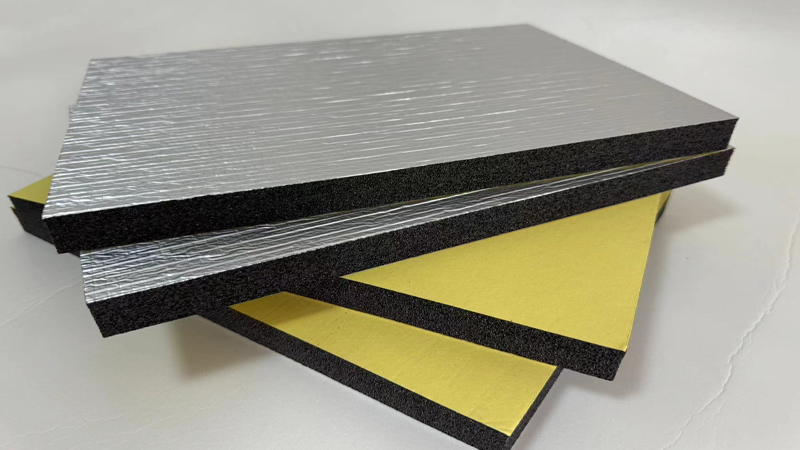
Closed-cell polyethylene foam stands out as one of the best choices for insulating aircon systems. Here’s why:
1. Moisture Resistance: Protecting Your System from Condensation
One of the biggest issues for air conditioning systems is moisture accumulation. Without proper insulation, moisture can form on refrigerant lines and ducts, leading to rust, corrosion, and mold growth. Closed-cell polyethylene foam is resistant to moisture, ensuring that your system remains dry and functional for longer.
2. Superior Thermal Insulation for Long-Term Savings
This type of foam offers superior thermal insulation, preventing energy loss through refrigerant lines, air ducts, and other components. By keeping your aircon system at its optimal operating temperature, you reduce energy consumption and improve efficiency.
3. Soundproofing Benefits: Reducing Noise from Aircon Units
Closed-cell polyethylene foam also provides excellent soundproofing properties. Its dense structure helps absorb sound, reducing the noise generated by the aircon unit, especially in larger systems.
The Cost of Aircon Insulation: Is It Worth the Investment?
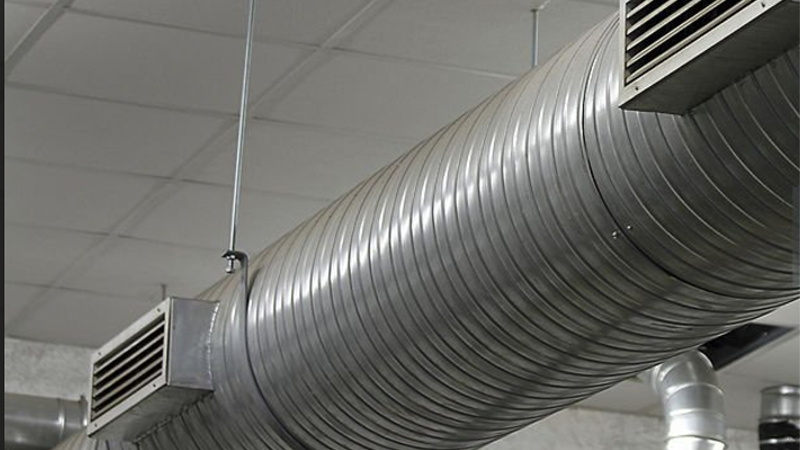
Many people hesitate to invest in aircon insulation because of the upfront costs. However, the long-term benefits typically outweigh the initial investment.
1. Breaking Down the Initial Costs: What You Should Expect
The cost of insulating your aircon system will depend on factors such as the size of your system, the type of insulation used, and whether you hire a professional or do it yourself. While closed-cell polyethylene foam may cost more initially, it provides better long-term results.
2. Long-Term Savings: The Return on Investment from Insulation
Proper insulation leads to significant long-term savings in energy bills, reduced repair costs, and a longer lifespan for your aircon system. Over time, the money saved on energy bills can more than makeup for the cost of installation.
3. How Insulation Improves Aircon Longevity and Reduces Repair Costs
When your aircon operates more efficiently and experiences less wear and tear, it is less likely to break down. This means fewer repairs and replacements, saving you money in the long run.
How to Identify If Your Aircon Needs Insulation
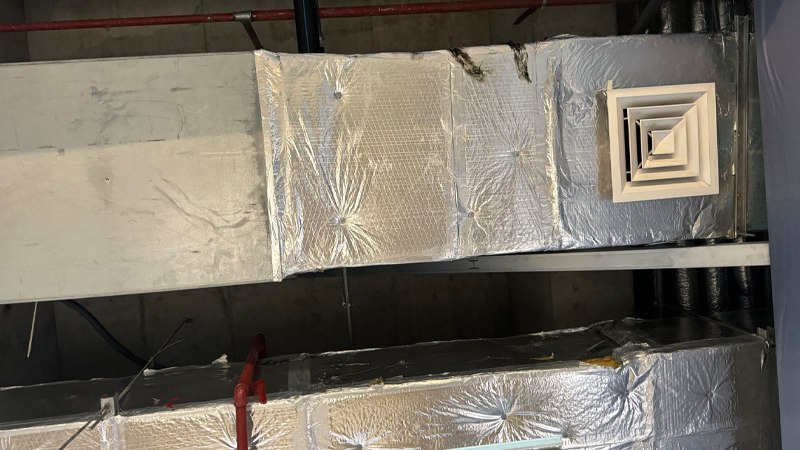
If you’re unsure whether your aircon system needs insulation, here are some signs to look out for:
- High energy bills: If your energy consumption is higher than expected, it may be due to energy loss from uninsulated ducts or refrigerant lines.
- Temperature fluctuations: If certain areas of your home or office are cooler or warmer than others, it could indicate that your system is not functioning optimally.
- Excessive noise: A noisy aircon system could be a sign that insulation is needed to reduce sound.
The Installation Process: Should You DIY or Hire a Professional?
You may be wondering whether you can install aircon insulation yourself or if you need a professional. Here’s a breakdown:
1. The Benefits of Professional Installation for Maximum Effectiveness
Professional installers have the tools and experience needed to apply insulation correctly. They can access hard-to-reach areas and ensure the insulation is applied evenly and securely, maximizing its effectiveness.
2. When It’s Safe to Take the DIY Route for Insulation Projects
If you’re dealing with materials like reflective foil or rubber foam, some people may feel comfortable installing the insulation themselves. However, for more complex materials like spray foam or closed cell polyethylene foam, professional installation is usually recommended.
3. Key Installation Tips to Ensure Your Aircon Is Properly Insulated
Whether you hire a professional or do it yourself, make sure all ducts, refrigerant lines, and other components are fully covered. Proper installation will ensure that your aircon system operates at maximum efficiency.
Maintenance Tips for Keeping Your Aircon Insulation in Top Condition
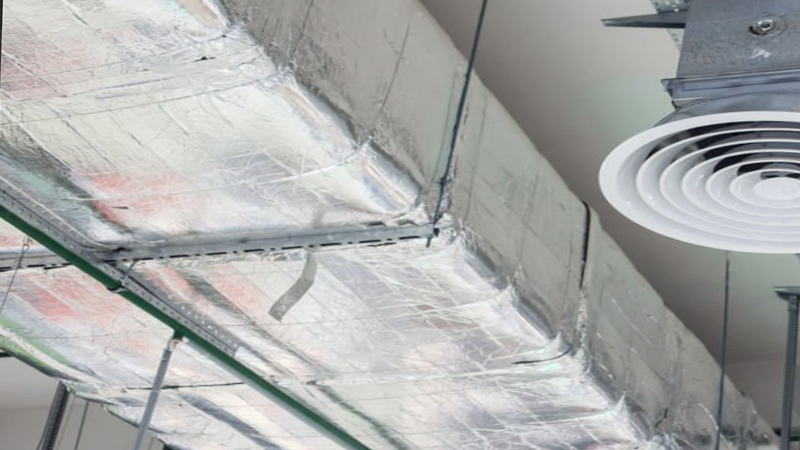
Proper maintenance of your aircon insulation ensures long-term effectiveness.
1. Inspecting and Maintaining Insulation for Long-Term Performance
Check your insulation periodically for signs of wear or damage. Look for visible tears, water stains, or mold growth. Replace any damaged insulation promptly.
2. Common Problems to Look for and How to Fix Them
Moisture buildup, mold, or sagging insulation are signs that your aircon insulation needs attention. Regular inspection can help prevent these issues before they become serious problems.
3. When to Replace Old or Worn-Out Insulation
If the insulation is no longer performing as it should, it’s time to replace it. Signs of worn-out insulation include reduced energy efficiency, inconsistent temperatures, or increased noise from the system.
FAQs
1. What is the best material for aircon insulation?
The best material for aircon insulation is closed-cell polyethylene foam. It offers moisture resistance, superior thermal insulation, and soundproofing benefits. It’s ideal for both residential and commercial systems.
2. Can I install aircon insulation myself?
While certain materials like reflective foil or rubber foam can be installed by DIYers, more complex materials like closed-cell polyethylene foam and spray foam insulation are better left to professionals.
3. How much money can I save with aircon insulation?
Proper aircon insulation can reduce energy consumption by up to 30%, leading to significant savings on your energy bills over time.
4. How long does aircon insulation last before needing replacement?
The lifespan of insulation depends on the material used. Closed-cell polyethylene foam can last 10-20 years or more with proper care.
5. Does aircon insulation help with noise reduction?
Yes, aircon insulation helps reduce noise, especially when using materials like closed-cell polyethylene foam, which absorbs sound and minimizes operational noise.