
IXPE Foam Manufacturer
Custom Irradiated Cross-Linked Polyethylene Foam for Foam Tape, Automotive NVH, Electronics Packaging, Flooring Underlayment, and Industrial Converting Applications.
28–300 kg/m³ Density | 0.1–100 mm Thickness | Rolls & Sheets
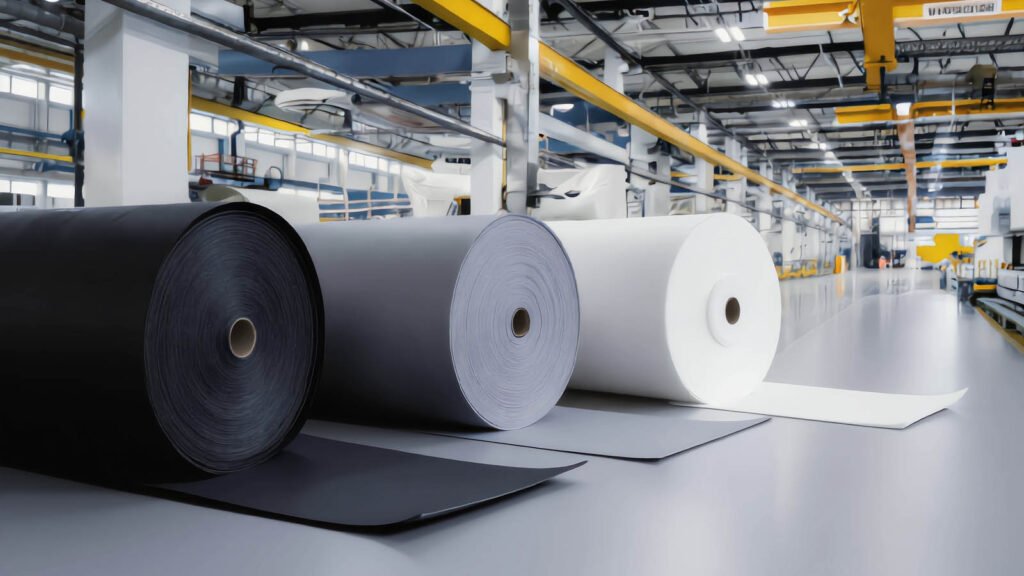
What is IXPE Foam?
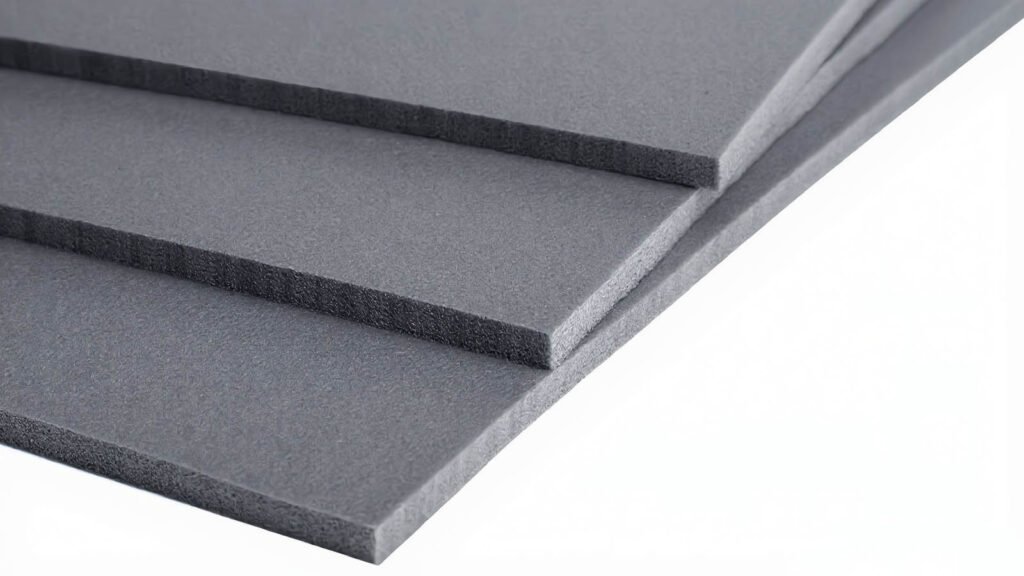
IXPE foam is a premium closed-cell irradiated cross-linked polyethylene foam material known for its fine cell structure, smooth surface, and consistent performance.
Why customers choose IXPE foam:
• Fine and uniform closed-cell structure
• Excellent water resistance and thermal insulation
• Ideal for die-cutting, lamination, adhesive backing, and precision converting
It is widely used in foam tape, flooring underlayment, automotive interiors, electronics packaging, medical applications, and industrial cushioning solutions.
IXPE Foam Technical Specifications
Our IXPE foam can be customized by density, thickness, width, color, surface finish, and converting method for different industrial applications.
| Property | Details |
|---|---|
| Product Name | IXPE Foam |
| Full Name | Irradiated Cross-Linked Polyethylene Foam |
| Material Type | Electron-beam cross-linked polyethylene foam |
| Foam Structure | Fine and uniform closed-cell structure |
| Foam Density | 28–300 kg/m³ |
| Width | Standard width: 0.5–1.5 m; customized width available |
| Thickness | 0.1–100 mm |
| Color Options | Black, white, grey, blue, and customized colors |
| Supply Format | Jumbo rolls, log rolls, sheets, laminated foam, slit rolls, and die-cut parts |
| Surface Options | Smooth, embossed, perforated, laminated, conductive, or adhesive-backed |
| Converting Options | Slitting, die-cutting, lamination, adhesive backing, thermoforming, embossing, and sheet cutting |
| Key Advantages | Fine cell structure, smooth surface, dimensional stability, excellent cushioning, and precision converting performance |
| Typical Applications | Foam tape, flooring underlayment, automotive NVH, electronics packaging, medical products, insulation, and industrial cushioning |
IXPE Foam Manufacturing Process
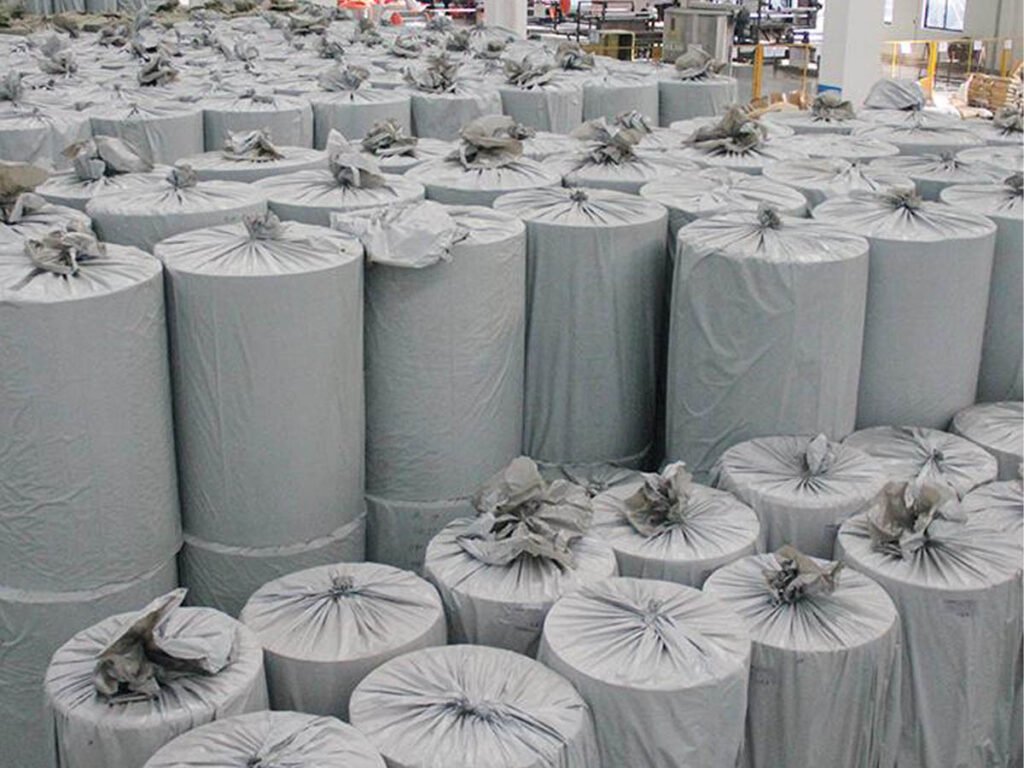
Our IXPE foam is manufactured through controlled raw material mixing, extrusion, electron beam irradiation cross-linking, foaming, and quality inspection to ensure consistent density, thickness, fine cell structure, and reliable performance across a wide range of industrial applications.

01 Raw Material Control & Mixing
02 Extrusion
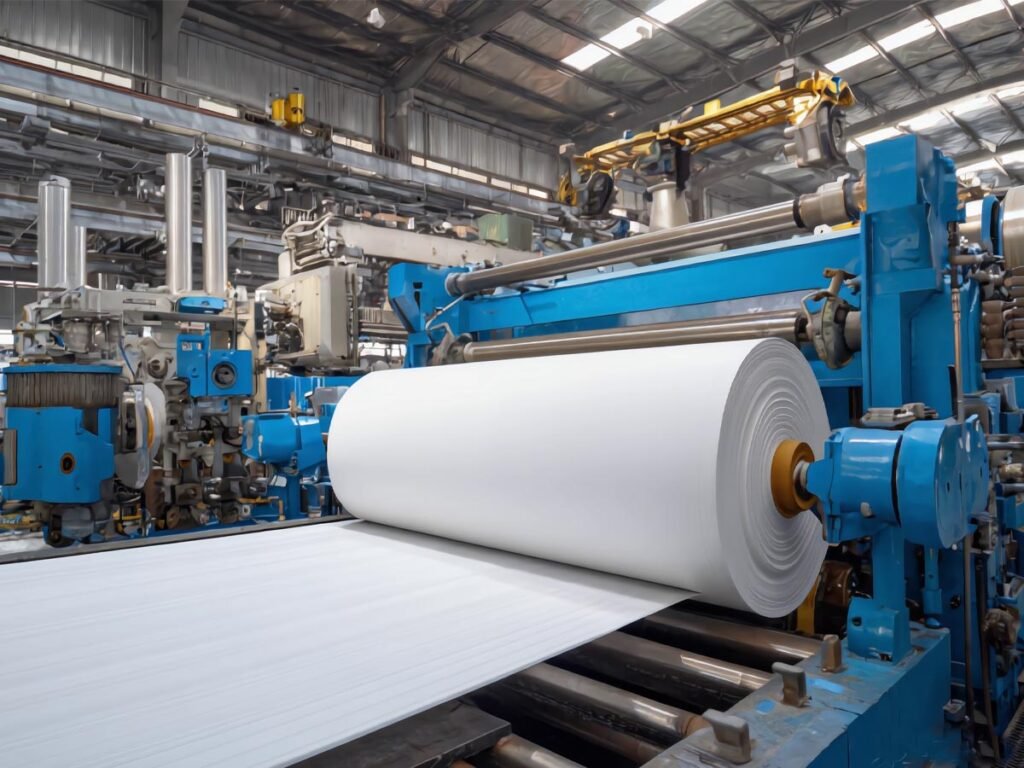

03 Electron Beam Irradiation Cross-Linking
04 Controlled Foaming Process
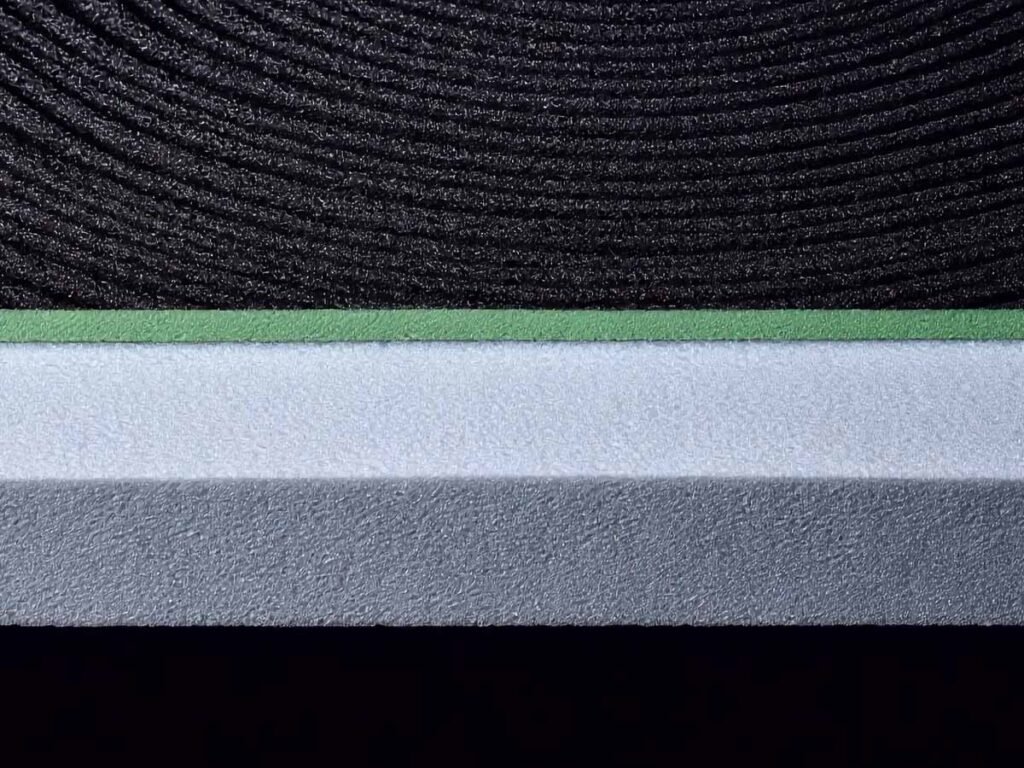
05 Inspection, Converting & Packaging
Key Features of IXPE Foam
IXPE foam provides finer cell structure, smoother surface finish, and superior converting performance.
Fine & Uniform Cell Structure
Superior Surface Smoothness
Excellent Dimensional Stability
Ideal For Adhesive Coating
Precision Die-Cutting Performance
Low VOC & Clean Material
Common IXPE Foam Applications
Foam Tape Material
Automotive NVH
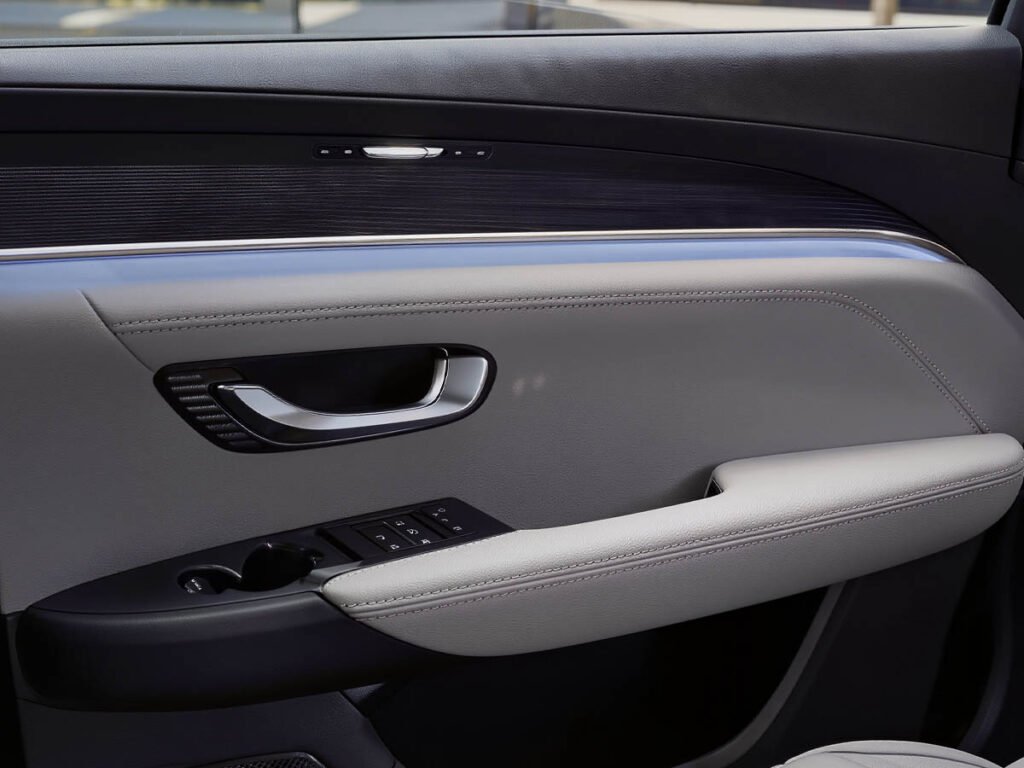
Used for noise reduction, vibration damping, sealing, and interior cushioning components.
Electronics Packaging
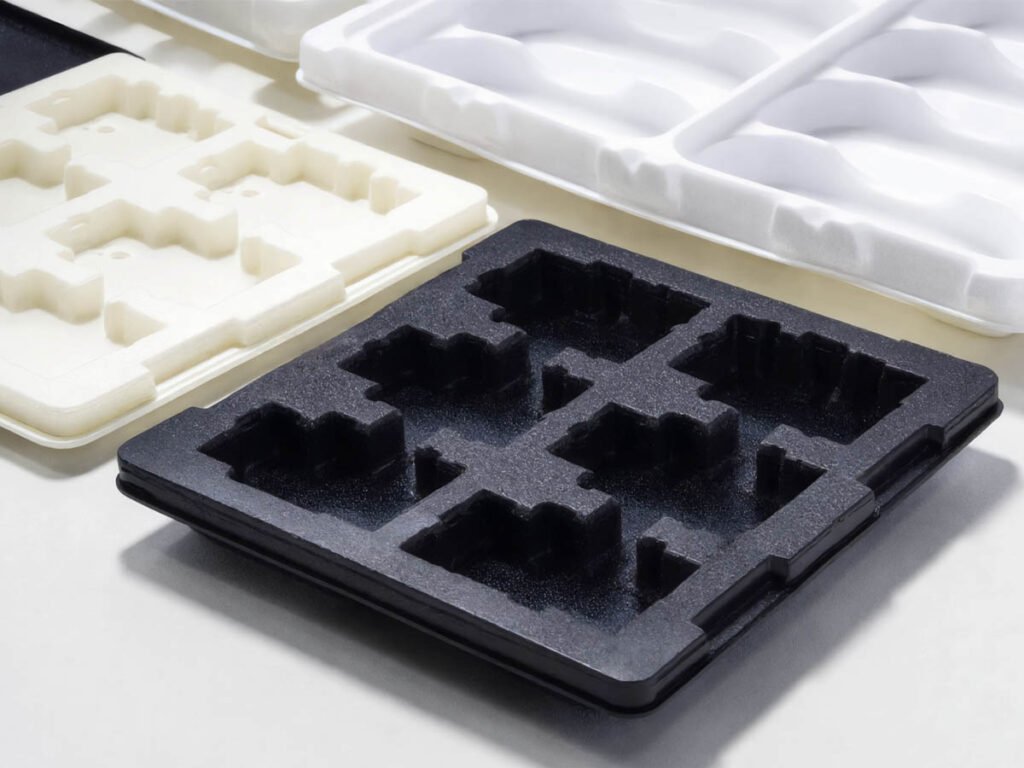
Provides lightweight protection and shock absorption for electronic products and sensitive components.

Medical Products
Used in medical packaging, orthopedic supports, disposable products, and healthcare cushioning applications.
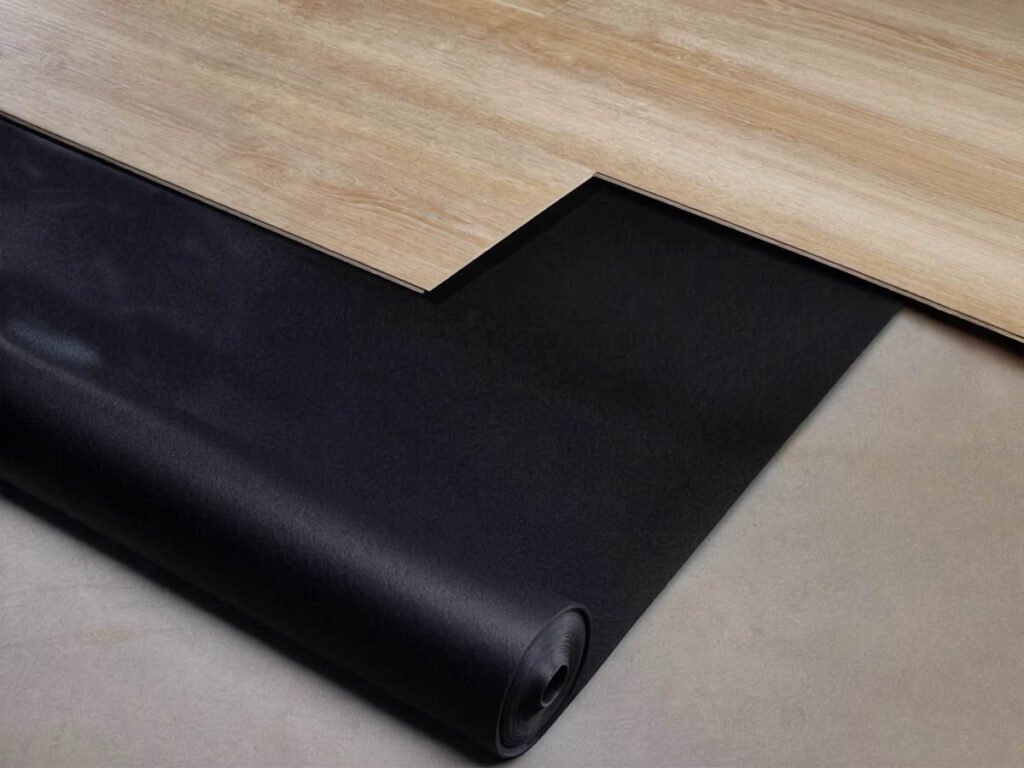
Flooring Underlayment
Improves acoustic performance, thermal insulation, and floor comfort.
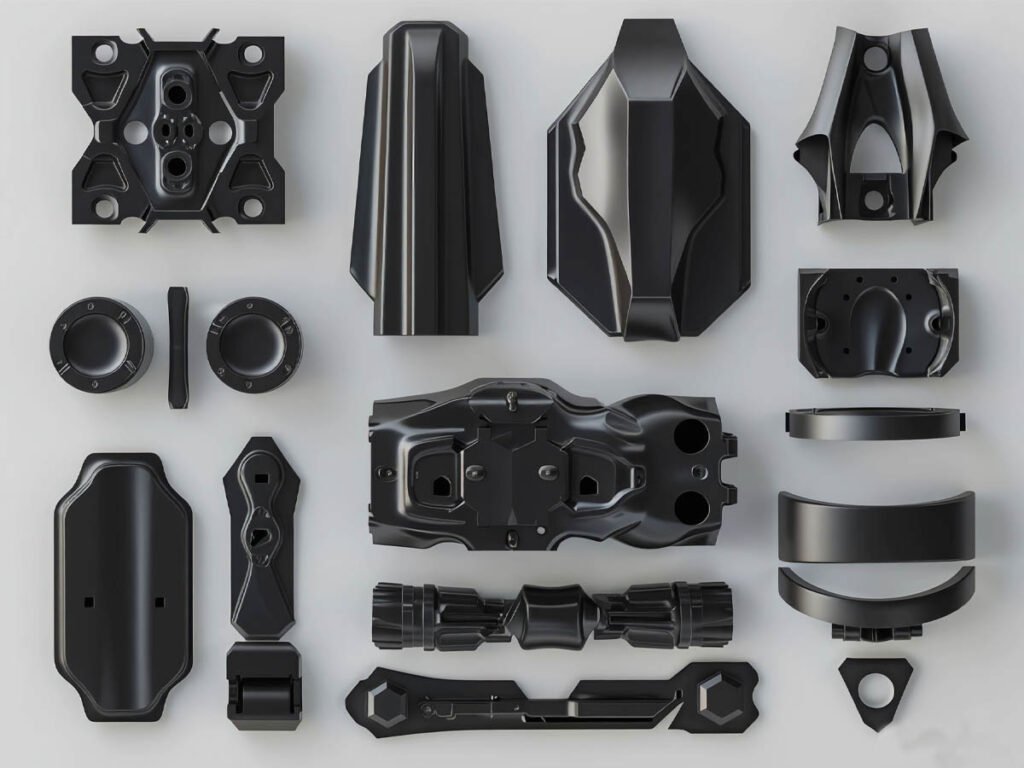
Industrial Die-Cut Parts
Precision converted components for sealing, gasketing, spacing, cushioning, and assembly applications.
XPE Foam vs IXPE Foam
XPE and IXPE are both closed-cell cross-linked PE foam materials, but they are used for different cost, surface, and processing requirements.
| Comparison Item | XPE Foam | IXPE Foam |
|---|---|---|
| Cross-Linking Method | Chemical cross-linking | Irradiation cross-linking |
| Cell Structure | Fine and stable closed-cell structure | Finer and more uniform cell structure |
| Surface Quality | Good for general industrial use | Smoother surface for lamination and precision converting |
| Cost | More cost-effective | Higher cost with better surface performance |
| Best For | Underlayment, shock pads, insulation, packaging, and sports mats | Foam tape, electronics, gaskets, premium underlayment, and die-cut parts |
Custom IXPE Foam Options
We can customize IXPE foam by density, thickness, width, color, surface finish, and converting method to match your application and processing needs.
Density & Thickness
Custom density from 28–300 kg/m³ and thickness from 0.1–100 mm are available for different cushioning, insulation, and support needs.
Width & Roll Length
IXPE foam can be supplied in different widths, roll lengths, or sheet sizes based on your production and packing requirements.
Color Options
Standard colors include black, white, and grey. Customized colors are also available for specific product or branding needs.
Surface Finish
Plain, embossed, perforated, or textured surfaces can be made according to the final application and converting process.
Lamination
IXPE foam can be laminated with PE film, aluminum foil, fabric, or other layers for insulation, protection, or surface performance.
Cutting & Converting
We support slitting, sheet cutting, die-cutting, adhesive backing, embossing, and other converting options for custom projects.
Quality Control for IXPE Foam Production
From raw material to final packing, we check key production details to keep IXPE foam rolls and sheets stable for your application.
Raw Material Check
We check the material before production to make sure it matches the required foam grade, order specification, and application requirements.
Production Monitoring
During production, we monitor foaming stability, roll condition, surface appearance, and basic process consistency.
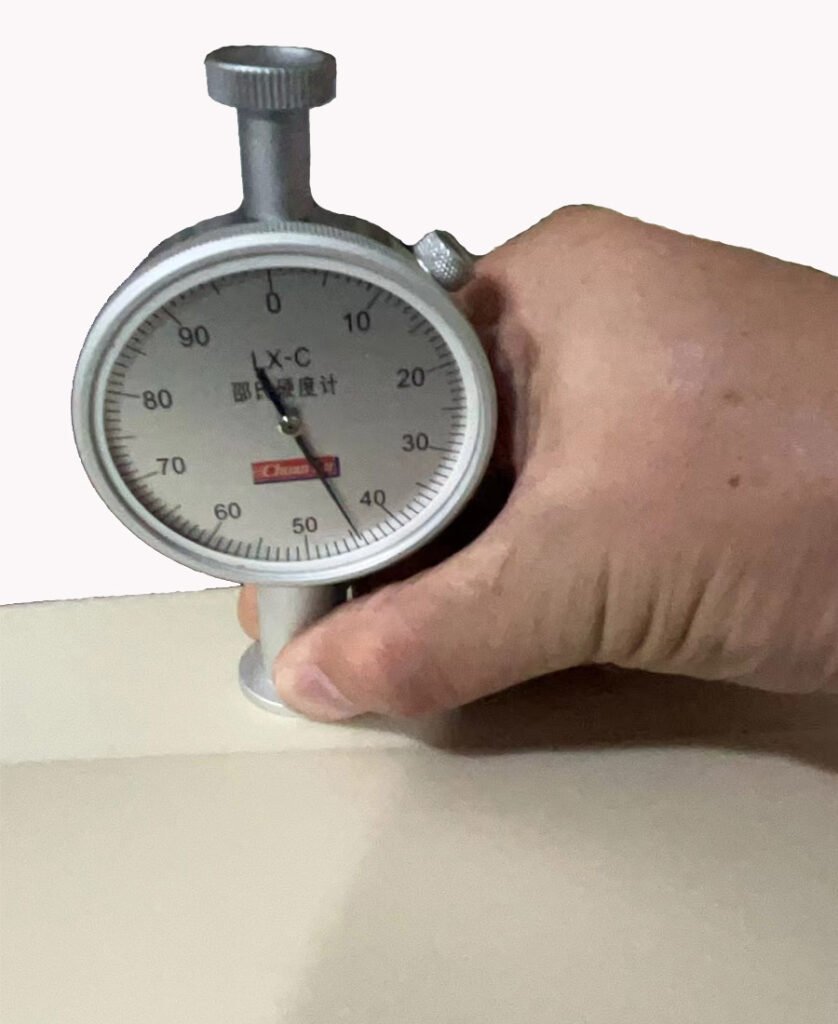
Thickness, Density & Hardness Check
Thickness, density, and hardness can be checked based on the product specification and final application requirements.
Surface and Roll Check
We inspect surface quality, color consistency, wrinkles, bubbles, roll edge condition, and lamination quality if needed.
Packing Check
Rolls and sheets are packed according to size, thickness, roll length, and shipping requirements to reduce transport damage.
Shipment Review
Before shipment, we confirm product labels, quantity, packing status, order details, and delivery requirements.
IXPE Foam FAQs
Here are some common questions about XPE foam specifications, applications, customization, and sample support.
1. What Is IXPE Foam?
IXPE foam is an irradiated cross-linked polyethylene foam with a fine and uniform closed-cell structure. It is widely used for foam tape, automotive, electronics, flooring, and industrial applications.
2. What Is the Difference Between IXPE and XPE Foam?
IXPE foam is produced through electron-beam irradiation, while XPE foam uses chemical cross-linking. IXPE generally offers finer cells, smoother surfaces, and better consistency for precision converting.
3. Is IXPE Foam Suitable For Foam Tape Manufacturing?
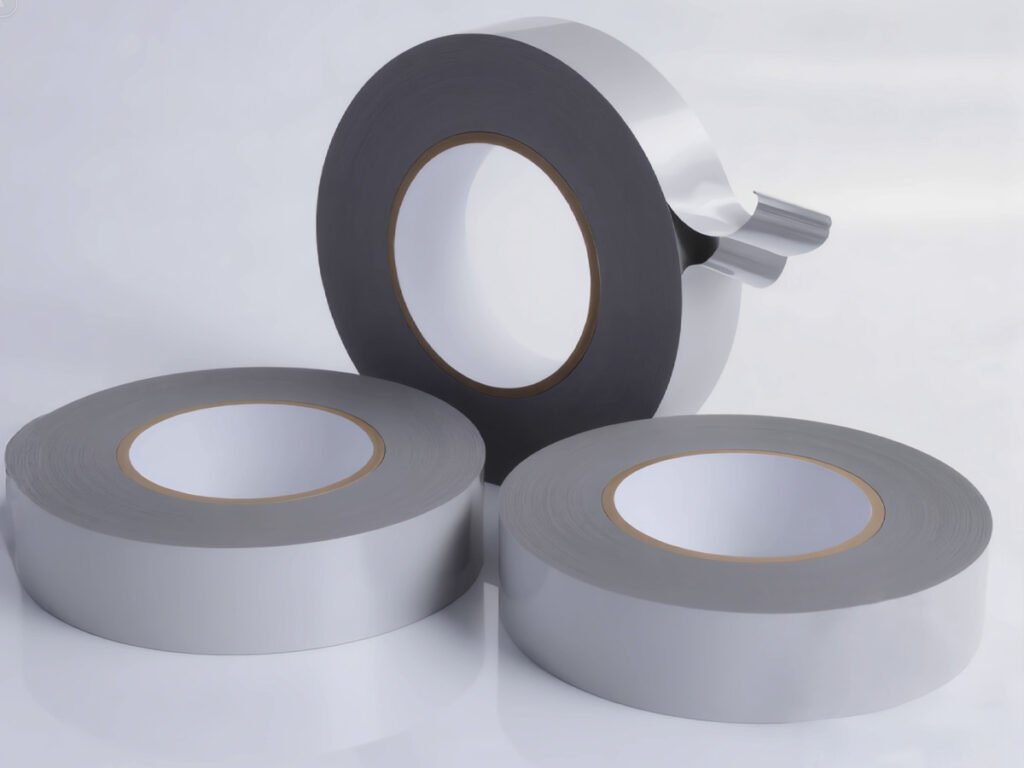
Yes. IXPE foam is one of the most commonly used foam tape substrates due to its smooth surface, dimensional stability, and excellent adhesive compatibility.
4. Can IXPE Foam Be Die-Cut?
Yes. IXPE foam is widely used for precision die-cutting, gasketing, sealing, cushioning, and assembly applications.
5. What Thicknesses Are Available For IXPE Foam?
IXPE foam can be produced from 0.1 mm to 100 mm depending on density, application requirements, and converting processes.
6. Can IXPE Foam Be Customized?
Yes. Density, thickness, width, color, surface finish, lamination, adhesive backing, and converting services can all be customized.
Looking for a cost-effective cross-linked polyethylene foam solution?
Explore our XPE Foam products for flooring underlayment, shock pads, insulation, packaging, and cushioning applications.
Request a Sample or Quote for IXPE Foam
Not sure which IXPE foam grade is suitable? Share your application, density, thickness, size, and converting requirements. Our team will help recommend a suitable IXPE foam option.
How to Start Your IXPE Foam Project
Share your application details, receive material suggestions and samples, then move forward with stable production support.
1
Tell Us Your Application
Share your application, density, thickness, size, quantity, color, and processing requirements.
2
Receive Sample and Quotation
We review your requirements and provide material suggestions, sample support, and quotation details.
3
Test and Move to Production
After sample approval, we support production, packing, and stable supply for your order.