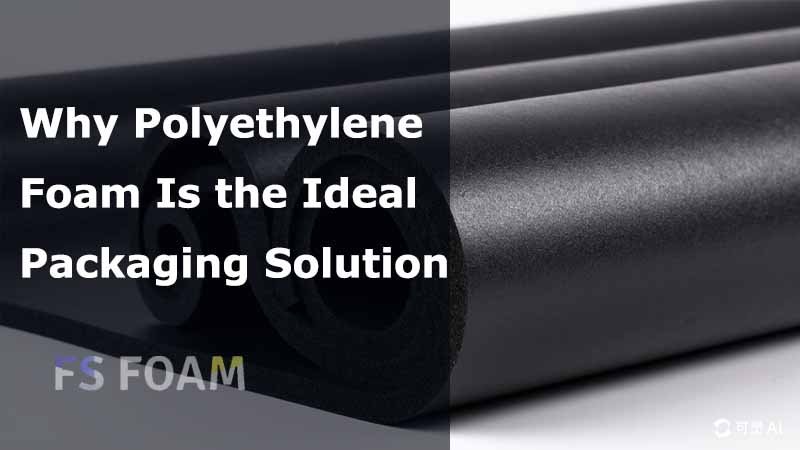
When you’re shipping products, the right packaging can make a huge difference. Whether you’re sending delicate electronics, heavy industrial parts, or temperature-sensitive medical devices, you need packaging that ensures your products get to their destination safely and in one piece. Polyethylene foam is here to help. It offers flexibility, reliability, and cost-effectiveness, making it the go-to packaging material for businesses in all industries. Let’s explore why polyethylene foam is the best choice for your packaging needs.
What is Polyethylene Foam?
Polyethylene foam is a lightweight material made from polyethylene, a type of polymer. It’s widely used in packaging because it absorbs shock, resists impact, and provides great cushioning. So, what makes it so special?
Polyethylene foam is created through an expansion process. The polymer is heated, which causes it to expand and form tiny gas bubbles inside. This structure forms the foam’s unique properties. There are two main types of polyethylene foam: closed-cell and open-cell.
Closed-cell foam is the most common type used in packaging. Each cell in the foam is sealed, creating a strong barrier. This makes it resistant to moisture and more durable. Open-cell foam, in contrast, has interconnected cells.. It’s used for jobs that need flexibility but don’t require the strength of closed-cell foam.
This structure helps polyethylene foam absorb impact and protect fragile items. It’s also very lightweight, which is why it’s so popular for companies looking to cut down on shipping costs.
Key Benefits of Polyethylene Foam in Packaging
Versatility and Customization
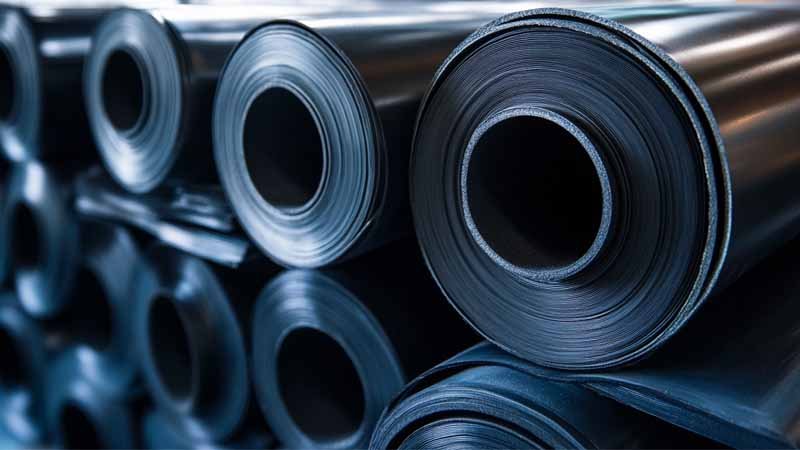
Polyethylene foam is highly customizable. It can be molded into sheets, blocks, or rolls, which makes it perfect for packaging items of any size or shape. Whether you need an insert for a delicate electronic device, a cushion for a heavy industrial part, or a protective layer for a medical device, polyethylene foam can be shaped to fit your product perfectly.
We can even make die-cut inserts to create custom compartments for each item. This ensures that everything stays in place during transit. Whether you need thick foam for heavy-duty products or thin foam for lightweight items, polyethylene foam is adaptable.
Impact Resistance and Shock Absorption
One of polyethylene foam’s best features is its ability to absorb shock. Its closed-cell structure acts like a sponge, soaking up the energy from drops and impacts. This helps keep your products safe, even if they are dropped or bumped during transport. Polyethylene foam is strong enough to protect fragile electronics, glass, or any other sensitive item that could easily be damaged.
When your product needs to travel long distances or handle rough shipping conditions, polyethylene foam provides an extra layer of protection. It absorbs energy and disperses it, preventing breakage or scratches.
Lightweight Yet Strong
Shipping costs are a big deal for businesses. With polyethylene foam, you get both lightweight and strong packaging. Despite being light, polyethylene foam is tough. It’s strong enough to protect your products while keeping shipping costs low. This makes it a great choice for companies that want to save on freight expenses without sacrificing protection.
For example, if your business ships large, heavy items, polyethylene foam keeps the weight down while providing the protection you need. This leads to big savings on shipping.
Water and Chemical Resistance
Polyethylene foam is also resistant to water and chemicals. Its closed-cell structure prevents moisture from getting inside, making it a great choice for packaging goods that might be exposed to humidity or even harsh chemicals during transport. This is why it’s so useful in industries like pharmaceuticals, automotive, and food packaging.
If your products need protection from the elements, polyethylene foam will do the job.
Thermal Insulation
Polyethylene foam also offers basic thermal insulation. While it’s not as effective as materials specifically made for extreme temperatures, it helps keep products at a stable temperature during shipping. This is particularly useful for temperature-sensitive products, like medical devices or perishable food items. It helps maintain the integrity of the product by keeping it within the right temperature range.
Environmental Considerations
Sustainability is a top priority today. Polyethylene foam fits into this trend. Unlike some packaging materials, it’s non-toxic and free from harmful chemicals like CFCs and HCFCs. This makes it safer for both the environment and the people handling it.
Another great thing about polyethylene foam is that it’s recyclable. Businesses can reduce their environmental footprint by reusing or recycling this material. As the demand for eco-friendly packaging grows, polyethylene foam offers a solution that aligns with sustainability goals.
Cost-Effectiveness of Polyethylene Foam
Packaging materials need to deliver value. Polyethylene foam is affordable, helping businesses protect their products without breaking the bank. Its lightweight nature reduces shipping costs, and its durability lowers the chance of damage. This means fewer returns and repairs.
When you factor in the savings on shipping and fewer damages, polyethylene foam often ends up being more cost-effective than heavier, less durable alternatives. You can even customize the foam to fit your products, so you don’t waste material.
Industries That Benefit from Polyethylene Foam Packaging
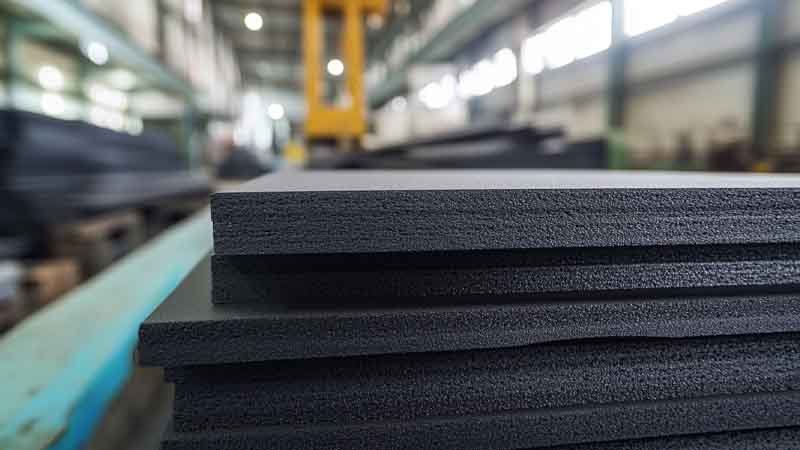
Polyethylene foam is versatile and can be used in many industries. Let’s look at some examples of industries that benefit from this packaging material.
- Electronics: Polyethylene foam is perfect for protecting delicate electronics, such as smartphones, tablets, and computers. Die-cut inserts and custom shapes ensure that sensitive components are cushioned and protected during shipping.
- Automotive: The automotive industry requires packaging that can stand up to tough transportation. Polyethylene foam’s durability ensures that parts arrive undamaged, while its lightweight design helps reduce shipping costs.
- Healthcare and Pharmaceuticals: Medical devices, drugs, and other sensitive items rely on polyethylene foam for protection. Its resistance to moisture and chemicals, combined with its ability to absorb shock, makes it a top choice for healthcare packaging.
- Consumer Goods: For high-end or fragile consumer products, presentation and protection are key. Polyethylene foam can be molded to fit exactly, offering both security and a polished look.
- Food and Beverage: While it’s not the first choice for food packaging, polyethylene foam can be used to insulate perishable items. It helps keep these products at the right temperature during transit.
Real-World Applications and Success Stories
Many companies are already seeing the benefits of polyethylene foam in their packaging solutions. Take a tech company, for example. They use die-cut polyethylene foam inserts to protect their smartphones during shipping. Not only does the foam protect the phones, but the custom inserts also improve the customer’s unboxing experience.
In the automotive industry, another company uses polyethylene foam to protect car parts during shipping. The foam prevents scratches, dents, and other damage, ensuring that the parts arrive in perfect condition.
How to Choose the Right Polyethylene Foam for Your Packaging Needs?
When choosing polyethylene foam, there are a few things to consider:
- Density and Thickness: The density and thickness depend on the weight and fragility of your product. Heavier, more fragile items need thicker, denser foam for the best protection.
- Customization: Think about whether you need custom shapes or die-cut inserts. Working with a manufacturer to create these custom solutions can improve efficiency and reduce waste.
- Environmental Factors: If your product is sensitive to moisture, chemicals, or temperature changes, make sure the foam you choose has the right resistance properties.
Conclusion
Polyethylene foam is the perfect packaging solution for businesses that need a cost-effective, reliable, and versatile way to protect their products. It absorbs shock, resists water and chemicals, and can be customized to fit any product. It also helps lower shipping costs and reduces the risk of product damage. If you want to improve your packaging strategy, we at FS Foam can help you find the ideal polyethylene foam solution for your needs.
FAQs
Can polyethylene foam be recycled?
Yes, polyethylene foam is recyclable. This makes it an eco-friendly option for businesses that want to reduce waste.
What makes polyethylene foam different from other types of foam used in packaging?
Polyethylene foam has a closed-cell structure, making it more durable, water-resistant, and shock-absorbent than open-cell foams or other materials like polyurethane.
Is polyethylene foam cost-effective for small businesses?
Yes, polyethylene foam is affordable. Its lightweight design helps reduce shipping costs, and its durability lowers the risk of damage, saving money in the long run.
Is polyethylene foam suitable for fragile electronics?
Yes, polyethylene foam is perfect for fragile electronics. It absorbs shock, protecting items from damage during shipping.
Can polyethylene foam be customized for unique product shapes?
Yes, polyethylene foam can be molded to fit any product. Whether you need die-cut inserts or custom blocks, it ensures a perfect fit for secure, damage-free shipping.