Why Is ESD Foam Critical for Electronics Protection?
When it comes to electronics manufacturing and storage, one of the most insidious threats is not a physical hazard, but something much more invisible: Electrostatic Discharge (ESD). Even though we can’t see it or feel it, ESD can irreparably damage sensitive electronic components. Think about all the intricate parts that power our smartphones, computers, and other devices—microchips, circuit boards, connectors—each of these delicate components can be destroyed by a mere static charge.
At FS Foam, we understand just how critical it is to protect these fragile components. That’s why in this article, we’ll delve into why ESD foam is essential in safeguarding electronics during handling, manufacturing, and storage. We’ll explore how it works, why it’s necessary, and how it can save your business time, money, and potential setbacks caused by ESD damage.
What Is ESD Foam and How Does It Differ from Other Types of Foam?
What Is ESD Foam?
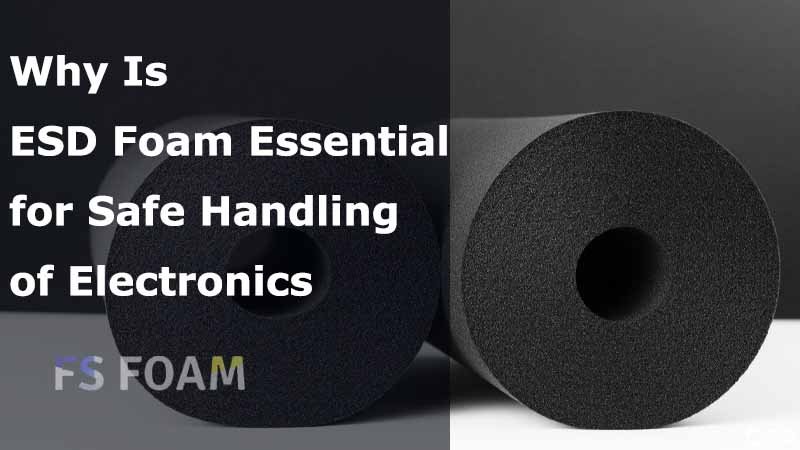
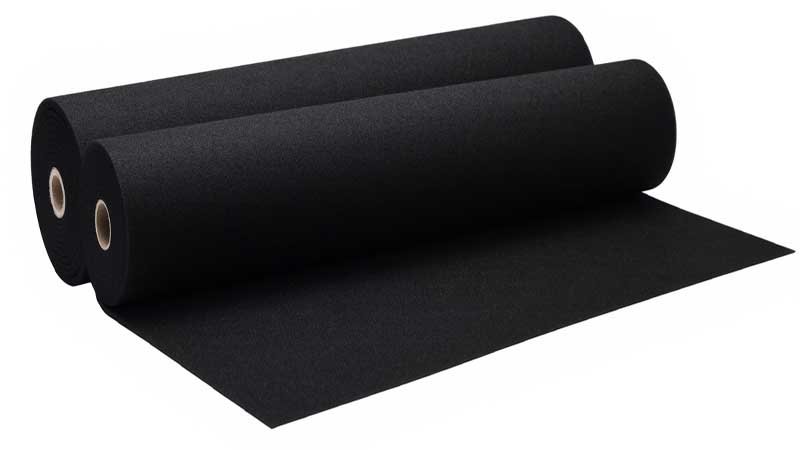
We all know foam—whether it’s soft cushions on a mattress or the padding inside packaging. But ESD foam isn’t your regular foam. ESD (Electrostatic Discharge) foam is specially engineered to manage and control static charges. In simpler terms, it works as a safeguard against the buildup of static electricity that could harm sensitive electronic components.
Unlike regular foam, which might absorb impact but do little else, ESD foam is made from materials that can either dissipate or conduct static charges. This is where the real magic happens. Instead of allowing static charges to build up on the surface of the foam, ESD foam directs those charges away from the electronics and either neutralizes or safely directs them to the ground. The result? No static electricity to cause harm.
What Are the Different Types of ESD Foam?
When we talk about ESD foam, it’s important to know that there are two primary types—anti-static foam and conductive foam—each serving its unique purpose.
- Anti-static Foam: This type of foam is primarily designed to prevent the buildup of static charges. It’s commonly used for protecting components that don’t come into direct contact with high-voltage static or those that are temporarily at risk. Think of it as a barrier that keeps things calm and steady.
- Conductive Foam: On the other hand, conductive foam takes things a step further. It doesn’t just prevent static accumulation—it actively conducts the charges away from the sensitive electronics to the ground. This is critical when you’re dealing with electronics that are in constant danger of exposure to static and need something stronger to protect them.
What Materials Are Used in the Composition of ESD Foam?
The composition of ESD foam is key to its functionality. To achieve its purpose, ESD foam incorporates various additives and materials. For example, carbon-loaded materials are commonly used to make the foam conductive. These materials work to dissipate static electricity safely by absorbing and conducting the static charges away from electronic components. Dissipative materials are also used, which don’t conduct electricity but instead slowly dissipate the charge over time. The result is an effective, controlled environment to keep your sensitive electronics safe.
How Does ESD Foam Protect Electronics?
How Does ESD Foam Prevent Static Charge Buildup?
The effectiveness of ESD foam begins with its ability to prevent the buildup of static electricity. In any manufacturing or storage environment, static charges are constantly being generated—whether from the friction of workers moving across floors, the handling of tools, or even the movement of materials. Without ESD foam, these charges would accumulate, creating a potential risk for dangerous discharges. But when you introduce ESD foam, it actively prevents the buildup of these static charges, reducing the chances of any damage occurring.
How Does ESD Foam Dissipate Static Charges?
Now, what happens when the static charge accumulates? This is where the power of ESD foam comes into play. Unlike regular foam, which just sits there, ESD foam is designed to dissipate the static charges. Through materials like carbon-filled additives or conductive agents, the foam essentially guides the electricity to a safe, grounded area, preventing any discharge that could reach your delicate electronics. It’s a protective shield that neutralizes any threat before it even gets the chance to strike.
How Does ESD Foam Absorb Mechanical Shocks?
But the benefits don’t stop at static protection. ESD foam also plays a critical role in absorbing mechanical shocks. During handling or transportation, components are vulnerable to physical damage. ESD foam’s shock-absorbing qualities reduce the risk of mechanical damage, ensuring that your electronics stay intact. Whether it’s the jolt of a bumpy transport or the accidental drop during assembly, ESD foam provides an added layer of protection against such impacts.
What Are the Dangers of ESD to Electronics?

How Does ESD Damage Electronic Components?
ESD damage isn’t always visible. Most of the time, the damage is latent, meaning it doesn’t show up immediately but takes a toll over time. Electronics are incredibly sensitive to static charges, and even a tiny amount of static electricity can burn out microchips or disrupt delicate circuits. Sometimes, it might cause a visible failure—like a spark or a component malfunctioning—but more often, the damage is subtle, leading to device failures months or even years down the line.
What Are the Potential Consequences of ESD Damage?
The effects of ESD damage are far-reaching. In some cases, it can lead to immediate failures, like an entire circuit board malfunctioning. In others, the damage can accumulate, reducing the lifespan of the device, causing intermittent issues, or even resulting in total failure. These types of failures are costly. Not only do they require expensive repairs or replacements, but the damage to your company’s reputation and the inconvenience to your customers can be devastating.
How Much Does ESD Damage Cost?
ESD-related failures can be expensive. From replacing components to production delays, the costs can quickly add up. Beyond the direct financial impact, consider the cost of lost time—whether, in terms of rework, warranty claims, or shipment delays, the consequences of ignoring ESD protection can cripple productivity and result in significant losses.
How Is ESD Foam Used in Electronics Manufacturing?
How Is ESD Foam Used in Workstations and Assembly Lines?
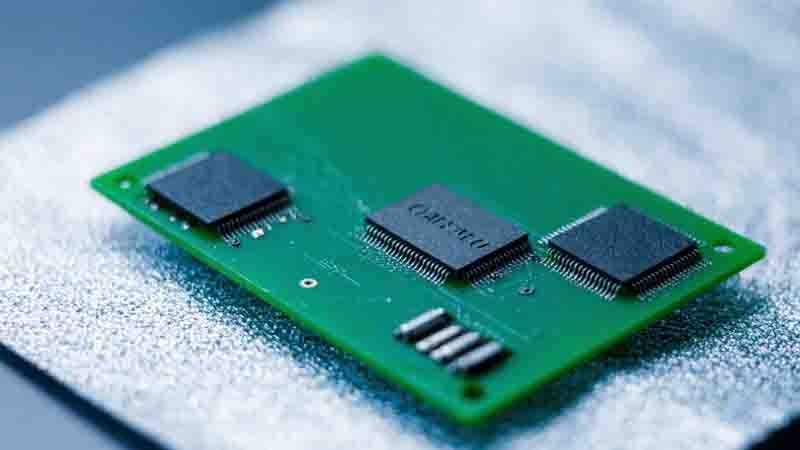
In electronics manufacturing, we rely on ESD foam to create static-free environments on assembly lines and workstations. Whether it’s used to line workbenches or cover floors, the foam helps prevent any static charge from accumulating, ensuring that electronic components are handled safely at every step of the process. By setting up ESD-safe workstations, workers can handle sensitive devices without the fear of accidental ESD damage.
How Does ESD Foam Aid in Tool and Component Storage?
ESD foam is equally important in tool and component storage. Specialized foam inserts are used to store tools and electronics, keeping them organized and static-free. This minimizes the chance of static exposure during assembly or while being transported across the factory floor. When tools and components are stored in ESD-safe foam, they remain protected from potentially damaging static discharges.
How Does ESD Foam Prevent Cross-Contamination?
Cross-contamination is a common risk when handling multiple sensitive components. By using ESD foam, we can effectively separate electronics to ensure that the static from one device doesn’t damage another. Whether it’s through foam compartments or protective inserts, ESD foam ensures safe handling and keeps your components in optimal condition.
How Is ESD Foam Used in the Storage and Shipping of Electronics?
How Does ESD Foam Protect Electronics During Transport?
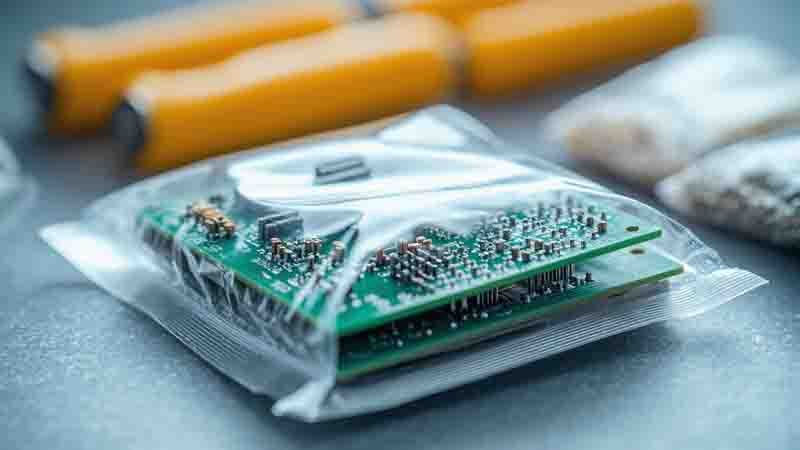
ESD foam is invaluable in protecting electronics during transport. Whether it’s a delicate microchip or a fully assembled circuit board, ESD foam provides the cushioning and protection needed to ensure that components stay static-free during shipping. Foam inserts and packaging materials effectively shield against potential electrostatic discharge, making it safe to transport products across the globe.
How Does ESD Foam Help with Long-Term Storage?
Even when electronics are stored for long periods, ESD foam continues to work its magic. By storing sensitive electronics in protective foam packaging, we ensure that the static risks are minimized. This allows devices to retain their integrity, even if they sit in a warehouse or distribution center for months.
What Are Custom Foam Inserts and How Do They Protect Electronics?
Custom foam inserts are another fantastic tool in the ESD foam arsenal. These inserts are specifically designed to hold electronics in place during storage or transit, preventing movement that could cause both mechanical and static damage. Customization ensures that each component is individually protected, offering superior protection against both physical and electrostatic threats.
What Key Factors Should You Consider When Choosing ESD Foam?
How Do Material Type and Resistance Level Affect ESD Foam Choice?
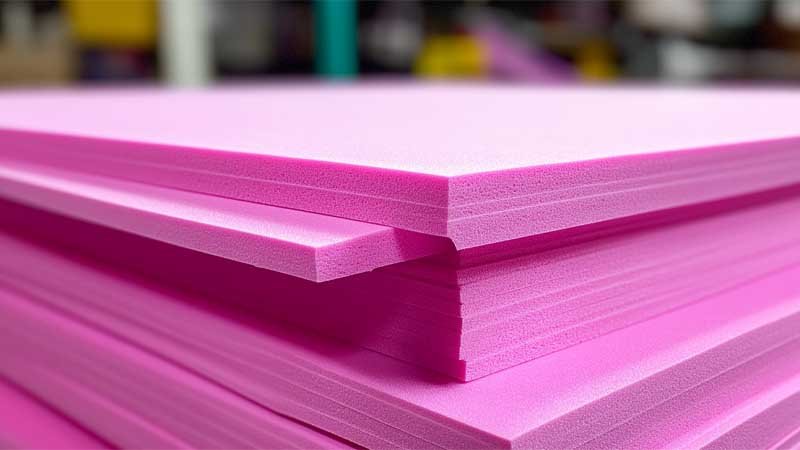
Choosing the right type of ESD foam—whether dissipative or conductive—depends on the specific needs of your electronics. Conductive foam is used for components that are highly sensitive to static, while dissipative foam is best suited for environments where static accumulation is less of a concern.
How Important Are Durability and Longevity When Choosing ESD Foam?
The durability of ESD foam is essential. We want foam that can withstand regular handling without degrading over time. Choosing high-quality
foam ensures that you won’t have to replace it often, saving money in the long run.
How Do Environmental Factors Impact the Effectiveness of ESD Foam?
Lastly, environmental factors like temperature, humidity, and exposure to harsh conditions can impact the performance of ESD foam. It’s important to choose foam that can withstand your operational environment to maintain its effectiveness over time.
What Are the Industry Standards for ESD Protection?
What ESD Standards Should Be Followed (ANSI/ESD, IEC, JEDEC)?
Industry standards such as ANSI/ESD, IEC, and JEDEC guide the proper use and testing of ESD foam. Following these standards ensures that the foam will provide adequate protection against ESD threats.
What Certifications Should ESD Foam Meet?
Certified ESD foam meets industry standards, giving you confidence that it will provide the necessary protection for your electronic components.
Why Are Regular Audits and Testing Necessary for ESD Foam?
We recommend regular audits and testing to ensure that your ESD foam continues to meet the necessary protection levels over time.
Conclusion
To wrap up, ESD foam is not just an accessory—it’s a critical component in protecting electronics from the harmful effects of electrostatic discharge. From manufacturing to storage and shipping, it plays an essential role in preserving product quality, reducing operational risks, and preventing costly damage. When handled properly, it can save your company significant time and money.
If you’re looking to ensure the safe handling of electronics in your facility, don’t hesitate to contact FS Foam for expert advice on selecting the right ESD foam for your needs.
FAQs
What distinguishes anti-static foam from conductive foam?
Anti-static foam prevents the buildup of static charges, offering a safe environment for sensitive electronics. Conductive foam, however, actively channels and dissipates static charges to the ground. While both protect electronics, conductive foam is more effective in environments with high static risk, offering stronger protection.
Can ESD foam be reused, or does it need to be replaced regularly?
ESD foam can be reused, but its effectiveness depends on its condition. Over time, exposure to certain environments or physical wear may degrade its ability to dissipate static. Regular inspection for signs of damage, wear, or contamination is essential to ensure optimal performance and protection.
How do I know if my facility needs ESD foam?
If your facility handles sensitive electronic components, especially during manufacturing or storage, ESD foam is crucial. If you’re unsure, consider factors like the type of components, the risk of static buildup, and industry standards. A thorough risk assessment can help determine if ESD foam is necessary for protection.
What are the risks of not using ESD foam in an electronics manufacturing environment?
Without ESD foam, electronics are vulnerable to electrostatic discharge, which can cause immediate failure or latent damage to components. This can lead to malfunctioning devices, reduced lifespans, costly repairs, or complete failure. Additionally, it increases the risk of production delays and the potential loss of valuable inventory.
How can I test the effectiveness of ESD foam in my operations?
To test ESD foam, conduct resistance tests using an electrostatic discharge tester to check its conductivity. Regularly inspect foam for signs of wear or contamination that may reduce its effectiveness. Ensuring compliance with industry standards, such as ANSI/ESD or IEC, also guarantees reliable performance in protecting your electronics.