The Growing Concern
As cars become more advanced, safety is always at the top of the list. In recent years, one safety issue that has gained a lot of attention is vehicle fires. With electric vehicles (EVs) on the rise, concerns about fire safety have become even more important. In EVs, the batteries can overheat, causing dangerous fires. These fires can spread quickly, endangering lives and damaging vehicles. To prevent these fires, automakers are now turning to a special type of material: fire-resistant foams. These foams are designed to keep fires from spreading and protect the car’s important parts.
This blog will dive into how fire-resistant foam materials work to improve fire safety in vehicles. We’ll explore the role they play in protecting critical car components, how they help save lives, and why automakers are using them more and more in car design.
The Rising Importance of Fire Safety in the Automotive Industry
Fire Risks in Modern Vehicles
Car fires are not a new problem. They’ve been around for as long as cars have existed. But with the rise of electric vehicles, the risk of fire is changing. One of the main causes of fires in EVs is battery malfunctions. If a battery gets damaged or overheats, it can catch fire. Even regular gas-powered cars are at risk of fires from engine issues, fuel leaks, or electrical problems.
Statistics show that vehicle fires are becoming more common. In the United States, it’s estimated that a vehicle fire happens every 2 minutes. That’s a lot of fires! The number of fires is especially high in electric vehicles, which are still relatively new to the market. With more EVs on the road, it’s essential to find ways to keep these fires under control.
The Role of Fire Safety Regulations
Governments around the world have set rules and regulations to make sure vehicles meet safety standards. This includes fire safety. For example, in the United States, there are specific rules for how materials in vehicles should react to fire. These rules help ensure that cars don’t catch fire easily and that if a fire does happen, it won’t spread too quickly.
Automakers are working hard to meet these safety regulations. As fire risks grow, these regulations are getting stricter. That’s why car manufacturers are increasingly using fire-resistant materials, like special foams, to help protect their vehicles from fire hazards.
How Fire-Resistant Foams Can Mitigate Fire Hazards?

What Are Fire-Resistant Foams?
Fire-resistant foams are materials that can resist burning or prevent flames from spreading. They’re made from special chemicals that stop fires from spreading through a car. These foams are designed to protect the most vulnerable parts of the vehicle, such as the battery compartment, engine, interior, and NVH foams.
These foams can be made from different types of materials, including melamine foam, polyimide foam, and polyurethane foam. Each type of foam has different properties, but they all work in similar ways to stop fires.
Types of Fire Resistant Foams in Automotive Applications
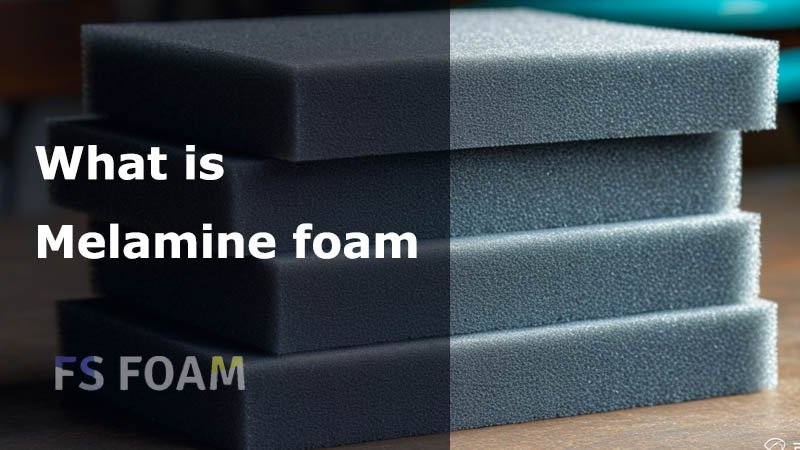
Melamine Foam
Melamine foam is a lightweight material that is known for its fire-resistant properties. It’s often used in car interiors, like seat cushions and headrests, because it can withstand high temperatures and stop flames from spreading. Melamine foam doesn’t release toxic smoke when it burns, making it safer in the event of a fire.
Polyimide Foam
Polyimide foam is another type of fire-resistant material. It’s highly resistant to heat, which makes it ideal for protecting areas of a car that get very hot, like the engine. Polyimide foam is also lightweight and durable, which is essential for car parts that need to last a long time.
Polyurethane Foam
Polyurethane foam is commonly used in a variety of industries, including the automotive industry. It’s often used in car seats and interior panels. When treated with fire-resistant chemicals, polyurethane foam can help prevent fire from spreading inside the car. It’s also effective at absorbing heat, which makes it useful for protecting sensitive components like electronics and wiring.
XPE (Cross-Linked Polyethylene Foam)
XPE foam is a type of foam made from polyethylene. It’s known for its excellent fire resistance and durability. XPE is commonly used in the automotive industry for insulating battery compartments and other critical areas. It helps contain fires and prevent them from reaching the rest of the car. XPE is also lightweight and flexible, which makes it easy to install in various parts of a vehicle.
IXPP (Irradiated Cross-Linked Polypropylene Foam)
IXPP foam is another type of foam used in the automotive industry. It’s similar to XPE but is made from polypropylene instead of polyethylene. IXPP foam is known for its heat resistance, which makes it ideal for use in engine compartments and underbody protection. It helps to keep fires from spreading and provides extra protection to vital car parts.
What Are the Key Properties of Fire Resistant Foams?
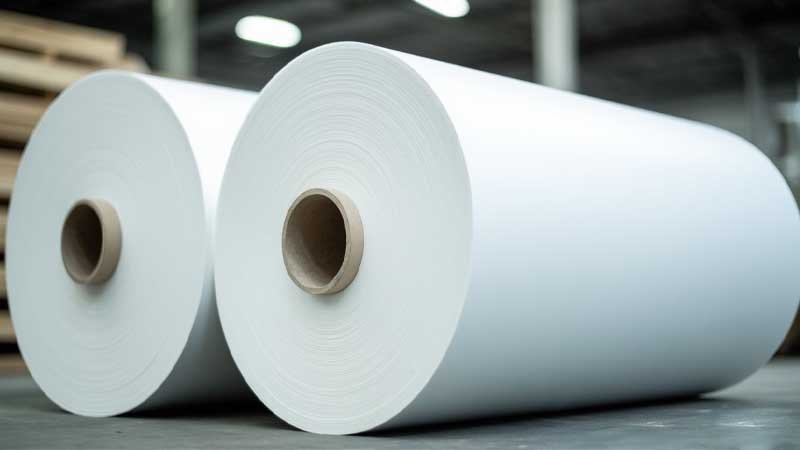
Fire-resistant foams have several key properties that make them effective in preventing fires. These include:
Heat Resistance
Fire-resistant foams can withstand high temperatures without catching fire. This is important for protecting parts of the car that are exposed to heat, like the engine and battery.
Low Flammability
These foams are less likely to catch fire in the first place. When a fire does occur, it burn at a slower rate, giving passengers more time to escape.
Smoke Suppression
Some fire-resistant foams release very little smoke when they burn. This is important because smoke can be just as dangerous as flames in a car fire.
Toxicity Control
Many fire-resistant foams are designed to prevent the release of toxic gases when they burn. This is important for the safety of passengers and first responders in the event of a fire.
What Are the Flammability Standards of Foams in Automotive?
FMVSS 302
FMVSS 302 is a standard set by the U.S. government that tests the flammability of materials used in vehicles. The goal of this standard is to ensure that materials used inside vehicles won’t catch fire easily and that they won’t contribute to the rapid spread of a fire. Fire-resistant foams that pass this test are considered safe for use in cars.
UL94HF-1
UL94HF-1 is another fire safety standard used to test materials in vehicles. This test looks at how quickly a material burns and whether it drips burning material when it catches fire. Materials that pass the UL94HF-1 standard are considered to be highly fire-resistant, making them ideal for use in areas of the car that are at higher risk of catching fire.
Applications of Fire-Resistant Foam Materials in Automotive Manufacturing
Protecting Battery Packs in Electric Vehicles (EVs)
In electric vehicles, the battery is one of the most critical components. But it’s also one of the most dangerous if it catches fire. Fire-resistant foams are used around EV batteries to prevent fires from spreading. These foams act as barriers to contain any flames that might come from the battery, preventing them from reaching other parts of the car.
Enhancing Passenger Safety
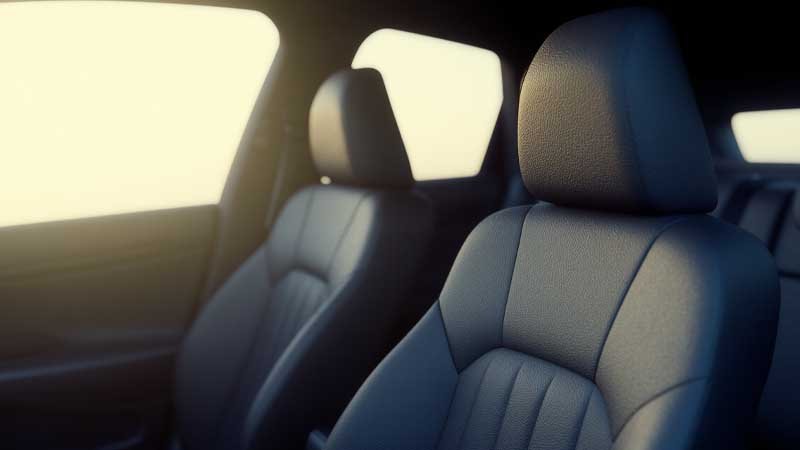
Fire-resistant foams are also used in seats, headrests, and other parts of the interior. In the event of a fire, these foams help to slow down the spread of flames, giving passengers more time to escape. They also reduce the amount of smoke that is released during a fire, which can help prevent injuries caused by inhalation.
Underbody and Engine Compartment Protection
The engine is another area of the car that is at high risk of fire. Fire-resistant foams are used in the engine compartment and underbody to protect against heat and flames. These foams help to contain fires caused by engine malfunctions, fuel leaks, or other issues. They prevent the fire from spreading to other areas of the car, keeping the vehicle safer for everyone.
What Are the Benefits of Fire-Resistant Foams for Automakers?
Improved Vehicle Safety
The most obvious benefit of fire-resistant foams is improved safety. These foams prevent fires from spreading, which can save lives and protect the car’s critical systems. Whether it’s the battery, engine, or interior, fire-resistant foams provide a layer of protection that makes cars safer for passengers and drivers alike.
Meeting Regulatory Compliance
Automakers must follow strict fire safety regulations, and fire-resistant foams help them meet these requirements. By using foams that pass fire safety tests like FMVSS 302 and UL94HF-1, automakers can ensure that their vehicles comply with government standards. This not only helps avoid fines or recalls but also makes the vehicle safer.
Enhancing Brand Reputation
Safety is a huge concern for today’s consumers. When automakers use fire-resistant foams, it shows that they care about their customers’ well-being. This can boost a company’s reputation and lead to increased sales. Customers want to buy cars that are safe and reliable, and using fire-resistant materials is one way to show that a manufacturer is committed to those values.
Challenges and Considerations in Implementing Fire-Resistant Foams
Cost and Material Sourcing
One of the main challenges for automakers is sourcing high-performance fire-resistant foams at an affordable price. These materials can be more expensive than standard foam types, which means manufacturers need to balance the cost of the materials with the need for safety. Additionally, sourcing these specialized foams can be tricky, as they are often produced by a limited number of suppliers.
Automakers must weigh the costs of using fire-resistant foams with the benefits they offer in terms of safety and compliance. While it might seem like a big investment upfront, the long-term benefits—both in terms of safety and regulatory compliance—often make it worthwhile.
Technical Limitations and Innovations
Fire-resistant foam technologies, while improving, still face some technical limitations. For example, some fire-resistant foams are heavier than regular foams, which can add weight to the car and reduce fuel efficiency. In addition, while the foams are effective at resisting fire, they may not always be as durable as needed, especially in high-heat areas like the engine compartment.
To address these challenges, researchers and engineers are continuously working to improve fire-resistant foam materials. Innovations focus on making foams lighter, more durable, and more heat-resistant. These improvements will make fire-resistant foams even more effective and easier to implement in automotive design.
Conclusion
As vehicle fire risks continue to rise—especially with the increase in electric vehicles—fire-resistant foam materials are playing a crucial role in improving vehicle safety. These foams provide essential protection for critical components like batteries, engines, and interiors, preventing fires from spreading and reducing the risk to passengers and drivers.
Automakers are turning to these materials not only to meet regulatory standards but also to improve safety and enhance their brand reputation. Fire-resistant foams help ensure compliance with fire safety regulations like FMVSS 302 and UL94HF-1, which can ultimately save lives and avoid costly recalls or legal issues.
While challenges exist in sourcing and implementing these materials, the ongoing research and development in foam technology are paving the way for safer, more effective materials in the future. Fire-resistant foams are no longer just an option—they’re becoming a must-have component in the automotive industry to ensure that vehicles are as safe as possible.
FAQs
What makes a foam material fire-resistant?
Fire-resistant foams are made from special chemicals that prevent them from catching fire easily. These chemicals help the foam resist high temperatures, slow down the burning process, and reduce smoke and toxic gases during a fire.
What standards do automotive foams need to meet for fire safety?
Automotive foams must meet specific fire safety standards like FMVSS 302 and UL94HF-1. These standards test how quickly the foam burns and whether it releases dangerous smoke or drips when exposed to fire.
How do fire-resistant foams protect EV batteries from fire hazards?
Fire-resistant foams are used in battery compartments to prevent fires from spreading. If a battery overheats or catches fire, the foam helps to contain the flames, protecting other parts of the car and giving passengers more time to escape.
What are the most commonly used fire-resistant foams in the automotive industry?
The most commonly used fire-resistant foams in cars include melamine foam, polyimide foam, polyurethane foam, XPE (cross-linked polyethylene foam), and IXPP (irradiated cross-linked polypropylene foam). Each type has specific benefits and is used in different parts of the vehicle.
What are the challenges in sourcing fire-resistant foams for automotive applications?
Sourcing high-performance fire-resistant foams can be challenging because these materials are often more expensive than regular foams and are produced by only a few suppliers. Automakers need to balance cost and safety while ensuring they meet fire safety regulations.