The automotive industry is undergoing a radical transformation, and electric vehicles (EVs) are at the forefront of this revolution. Once seen as a niche market, electric cars have now moved into the mainstream, driven by environmental concerns, advancements in technology, and changing consumer attitudes. But amid all the buzz about EV performance, range, and sleek designs, one crucial element often goes unnoticed—the battery. And, more specifically, the foam materials play a significant role in making those batteries not only efficient but safe and durable.
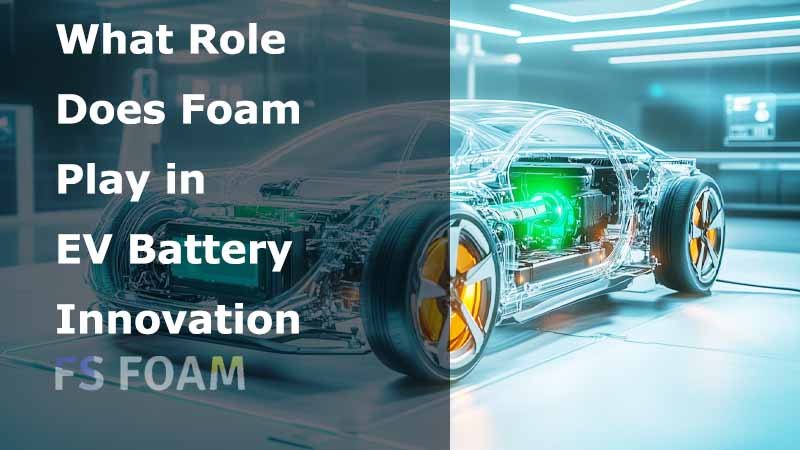
In this article, we’ll delve into the pivotal role foam plays in EV battery innovation. Foam, in its various forms, is integral to improving battery efficiency, enhancing safety, and ensuring long-term durability. So, let’s take a deeper look into how foam contributes to the future of electric vehicles and why it’s quickly becoming a material of choice in EV battery design.
Why is Foam Crucial in EV Batteries?
At first glance, foam might seem like a mundane material, more suited for packing peanuts or mattresses than high-tech, cutting-edge applications like EV batteries. But foam has proven to be a silent hero in the development of EV battery packs. Let’s break down its primary functions.
Temperature Regulation: Preventing Overheating and Thermal Runaway
If you’ve ever used a battery-powered device, you know how quickly it can heat up with extended use. The same applies to EV batteries. High temperatures can cause serious issues, including reducing battery life, overheating, and in some cases, even thermal runaway—a phenomenon that leads to battery fires.
This is where foam comes in. Foam materials like polyurethane and silicone are used as insulating layers within battery packs, effectively regulating temperature and preventing overheating. These foams help distribute heat more evenly across the battery, keeping it within a safe operating range. By providing that crucial insulation, foam not only enhances the battery’s lifespan but also significantly reduces the risk of catastrophic failures, keeping both the vehicle and its passengers safe.
Vibration Dampening: Protecting Battery Cells
Another challenge faced by EV batteries is vibrations. EVs are no strangers to rough roads, bumpy terrain, and even the occasional fender bender. While the battery’s performance is critical to vehicle range and energy efficiency, its structure needs protection. This is where Foam shines as an unsung hero.
Foam’s cushioning properties absorb vibrations and impacts that occur during everyday driving. Whether it’s from the car’s suspension or an unexpected collision, foam helps protect the delicate battery cells from damage. This vibration dampening ensures that the battery cells maintain their integrity over time, reducing the risk of failure or diminished performance.
Energy Efficiency: Optimizing Energy Flow
Foam does more than just protect and insulate—it also plays a role in the overall energy efficiency of the EV battery. Modern EVs are all about maximizing range, and that means every aspect of the battery needs to be optimized. Foam can help with this by enhancing the efficiency of energy flow within the battery pack.
Certain types of foam, especially those with enhanced thermal conductivity properties, help promote better heat dissipation. This means that excess heat is removed from the system more efficiently, and the battery can operate at an optimal temperature. In turn, this keeps the battery functioning at peak capacity and ensures that the vehicle achieves the best possible energy efficiency.
Types of Foam Used in EV Batteries

So, what kinds of foam are being used to support all of these functions? The truth is, that several types of foam are integral to modern EV battery technology. Let’s dive into the most commonly used types and explore how each one contributes to EV performance.
Polyurethane Foam: The Classic Insulator
Polyurethane foam is one of the most commonly used foams in EV batteries, thanks to its excellent thermal insulation properties. It provides an effective barrier against heat and cold, helping to maintain a stable temperature inside the battery pack. This is crucial for preventing overheating and extending the battery’s lifespan.
In addition to its thermal properties, polyurethane foam also offers strong structural support. It acts as a cushion, absorbing shocks and preventing any damage to the cells during vibrations or impacts. This makes it ideal for keeping the delicate internal components safe while maintaining optimal performance.
Silicone Foam: The Moisture Barrier and Fire Retardant
Silicone foam offers a different set of advantages. While it also serves as a thermal insulator, its unique properties make it especially useful for maintaining electrical insulation. Unlike other foams, silicone can withstand high temperatures without degrading, making it a perfect choice for protecting the battery from the internal heat generated during use.
Another critical feature of silicone foam is its resistance to moisture and dust. Since water can be extremely damaging to battery components, silicone foam forms an effective barrier, ensuring that moisture doesn’t make its way into the battery cells. Additionally, its fire-resistant properties add another layer of safety, reducing the risk of fires in the event of a battery malfunction.
Ethylene-Vinyl Acetate (EVA) Foam: Shock Absorption at Its Best
EVA foam is known for its excellent shock-absorbing capabilities, making it an essential material in EV battery packs. Whether it’s from the rough terrains the car drives over or a potential impact during a crash, EVA foam helps cushion the battery, absorbing impact forces and reducing the likelihood of internal damage.
Because of its durability and shock resistance, EVA foam helps to maintain the integrity of the battery cells, ensuring they perform optimally even under harsh conditions. It’s an ideal choice for vehicles that need to operate reliably in varied environments, from city streets to off-road trails.
IXPP Foam: Durability and Thermal Stability
IXPP (irradiated cross-linked polypropylene) foam is rapidly gaining traction in the world of EV batteries. Known for its exceptional durability, IXPP foam offers superior resistance to thermal fluctuations, making it highly effective at protecting batteries from extreme temperature changes. This foam is especially useful in EV applications where temperature stability is a priority, such as high-performance vehicles or in areas with extreme climates.
In addition to its heat resistance, IXPP foam maintains structural integrity under stress, ensuring that the battery remains safe and effective throughout its lifespan. As the demand for more efficient, high-performance batteries grows, IXPP foam is likely to become even more essential in the design of advanced EV battery packs.
Advancements in Foam Technology for EV Batteries

As the demand for electric vehicles continues to rise, so too does the need for more advanced foam technologies. Foam manufacturers are constantly developing new materials to meet the growing challenges of the EV industry. Here are some key advancements in foam technology:
Enhanced Thermal Conductivity
One of the most exciting developments in foam technology is the enhancement of thermal conductivity. Manufacturers are now exploring foam materials that not only provide insulation but also help dissipate heat more effectively. This is crucial for preventing thermal runaway and ensuring the battery operates at an optimal temperature.
Higher Energy Density
Another key area of focus is improving the energy density of foam. By making foam components smaller and lighter, manufacturers can maximize the overall capacity of EV batteries, leading to longer driving ranges and better performance. This is especially important as EVs continue to compete with traditional gas-powered vehicles in terms of range and efficiency.
Eco-Friendly Solutions
With the rise of sustainable transportation, there is also an increasing demand for eco-friendly foam solutions. Many manufacturers are now turning to bio-based or recycled foams, which are not only better for the environment but also contribute to the overall sustainability goals of the EV industry. These innovations are pushing the boundaries of foam technology and helping to ensure that the future of transportation is both efficient and environmentally responsible.
The Future of Foam in EV Battery Innovation

Looking ahead, the role of foam in EV battery innovation is only set to grow. As EV technology advances, foam will continue to play a central role in enhancing battery safety, efficiency, and longevity. The development of new foam materials will drive further innovations, enabling electric vehicles to perform better and last longer than ever before.
At FS Foam, we are committed to staying at the forefront of these advancements. By continuously researching and developing new foam solutions, we are helping shape the future of electric vehicle battery technology and contributing to a more sustainable future.
Conclusion
Foam may not be the most glamorous component of electric vehicles, but it’s undoubtedly one of the most crucial. From temperature regulation and vibration dampening to shock absorption and energy efficiency, foam plays a vital role in ensuring that EV batteries perform optimally and safely. As the demand for electric vehicles continues to grow, so too will the role of foam in enhancing battery performance and contributing to a sustainable future.
At FS Foam, we are proud to be part of this revolution, providing cutting-edge foam solutions that help drive the next wave of EV battery innovation. e part of the movement driving the future of electric transportation.
FAQ
What role does foam play in EV battery safety?
Foam provides critical insulation, protecting EV batteries from overheating and reducing the risk of thermal runaway. It also cushions the cells from vibrations and shocks during operation, preventing internal damage. This combination enhances safety, ensuring long-term reliability and minimizing the risk of catastrophic battery failures.
What types of foam are used in EV battery manufacturing?
Common foam types used in EV batteries include polyurethane foam (thermal insulation and structural support), silicone foam (moisture resistance and fire retardancy), EVA foam (shock absorption), and IXPP foam (thermal stability and durability). These foams play vital roles in temperature regulation, energy efficiency, and battery protection.
How does foam contribute to EV battery efficiency?
The foam helps regulate temperature, ensuring the battery operates within a safe thermal range. This prevents overheating and promotes energy efficiency. Additionally, foam’s role in reducing vibrations protects battery cells, ensuring stable performance over time, and optimizing the overall energy flow within the battery pack for a longer range.
What is IXPP foam, and why is it used in EV batteries?
IXPP foam (irradiated cross-linked polypropylene) is a highly durable material that offers exceptional thermal stability. It helps protect EV batteries from extreme temperature fluctuations while maintaining structural integrity under stress. IXPP foam’s resilience makes it ideal for high-performance batteries, where thermal control and durability are paramount.
Are there eco-friendly foam options for EV batteries?
Yes, there are growing efforts to develop eco-friendly foam materials for EV batteries. Manufacturers are exploring bio-based foams made from renewable resources and recycled foams to reduce environmental impact. These sustainable options align with the green goals of electric vehicles, supporting both performance and environmental responsibility.