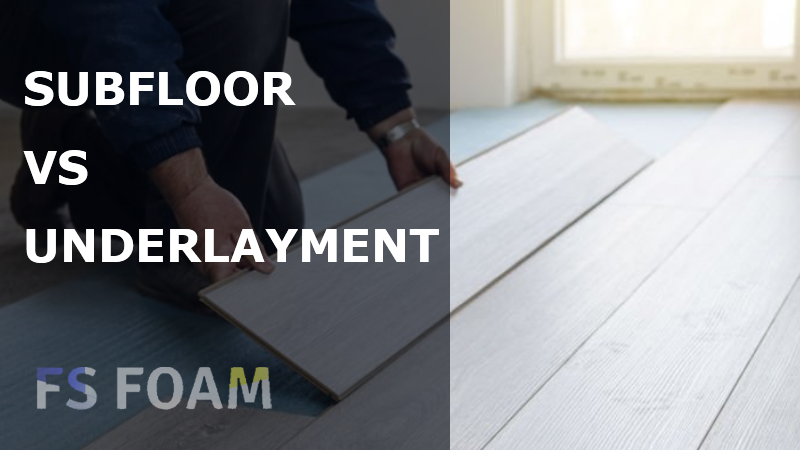
Every floor needs a foundation. That foundation is what keeps your floor stable, quiet, and comfortable. But what lies beneath your floor covering? Two critical layers are responsible: the subfloor and the underlayment. Each layer has a unique role in making your flooring system work effectively. In this article, we’ll break down the purpose of each layer, their differences, and how they work together to create a lasting, functional floor.
What is a Subfloor?
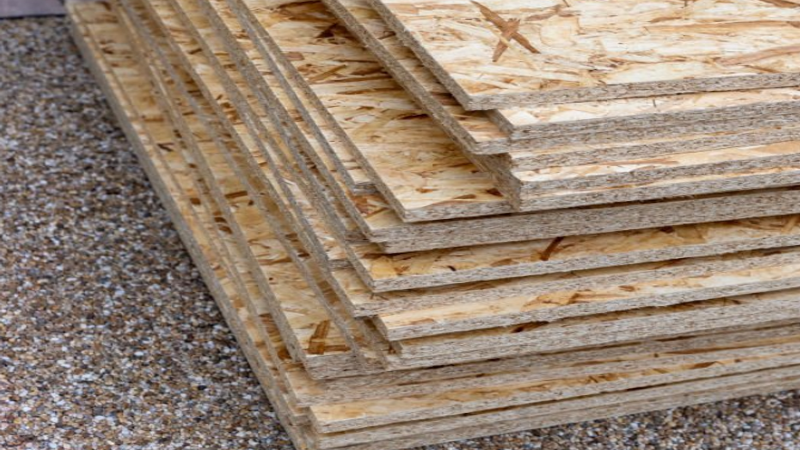
The subfloor serves as the backbone of your entire flooring system. It sits right above the floor joists and is typically made from strong materials like plywood or OSB (oriented strand board). This layer serves as the structural base that holds everything together. Without a solid subfloor, your flooring would lack stability and durability.
Subfloors need to support heavy loads, like furniture and foot traffic. They create a level surface for the rest of the flooring materials. A strong subfloor helps prevent squeaking, bouncing, and other issues that could make your floor uncomfortable or unsafe.
What is Underlayment?
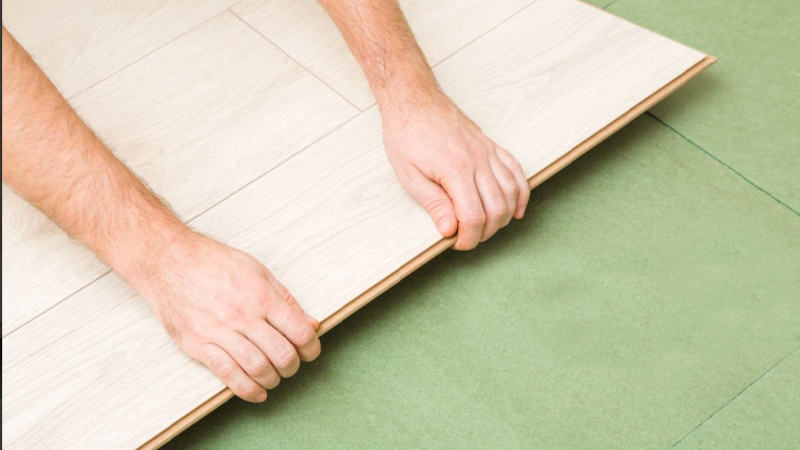
Underlayment is a layer that sits on top of the subfloor and below your final floor covering, like wood, tile, or carpet. Its primary role is to add comfort, insulation, and noise reduction. Unlike the subfloor, underlayment is usually thinner and designed to enhance the performance of the floor finish above it.
Depending on the type of flooring you choose, underlayment can be made from foam, cork, rubber, or even plywood. The right underlayment helps your floor feel comfortable underfoot. It also acts as a barrier against moisture, reducing the risk of mold and mildew.
Comparing Subfloor and Underlayment
Subfloor and underlayment serve different roles in a flooring system. The subfloor is all about structure. It’s thick, durable, and designed to support the weight of the floor and everything on it. The underlayment, on the other hand, focuses on comfort and protection. It’s thinner and improves soundproofing, moisture resistance, and overall comfort.
Think of the subfloor as the foundation of a house and the underlayment as the insulation and weatherproofing. Both are essential, but they serve unique purposes.
Benefits of a Subfloor
A sturdy subfloor is critical for a durable floor system. Here’s why:
- Stability: A solid subfloor prevents shifting or bouncing. It creates a stable base for your floor covering, whether tile, wood, or carpet.
- Load-bearing: Subfloors are designed to support weight. They distribute the load across the floor joists, preventing sagging or damage.
- Level surface: Subfloors provide a flat, even surface. This makes installation of the final floor covering easier and helps avoid issues like uneven wear or cracks.
Benefits of Underlayment
Underlayment offers advantages beyond what a subfloor can provide:
- Comfort: Underlayment adds a layer of cushioning. It makes floors feel softer, especially with materials like laminate or vinyl.
- Soundproofing: Some underlayments reduce noise. Cork and foam options are popular for soundproofing, especially in multi-story buildings.
- Moisture barrier: Underlayment helps protect your floor from moisture, which can prevent mold, mildew, and rot.
Installation Process for Each Layer
Installing the subfloor and underlayment correctly is key to a long-lasting floor. Here’s how it’s done:
Subfloor Installation
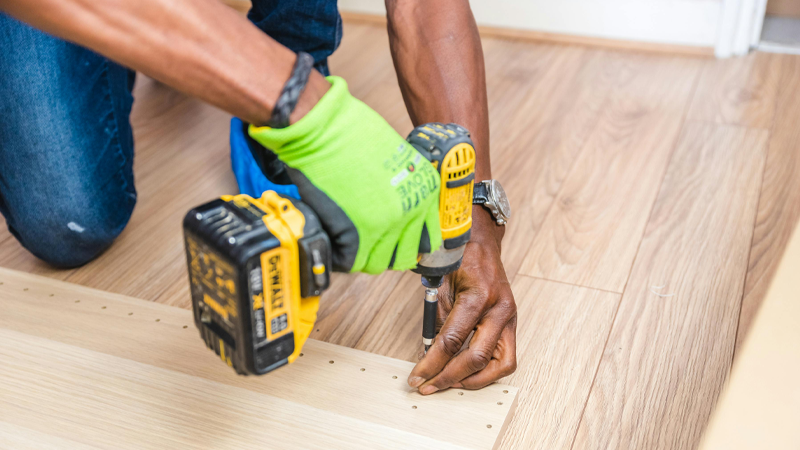
- Step 1: Secure the joists. Make sure they are level and sturdy.
- Step 2: Lay plywood or OSB sheets across the joists. Leave a small gap between sheets for expansion.
- Step 3: Nail or screw down each sheet to secure it. Avoid using adhesives for subfloors.
Underlayment Installation
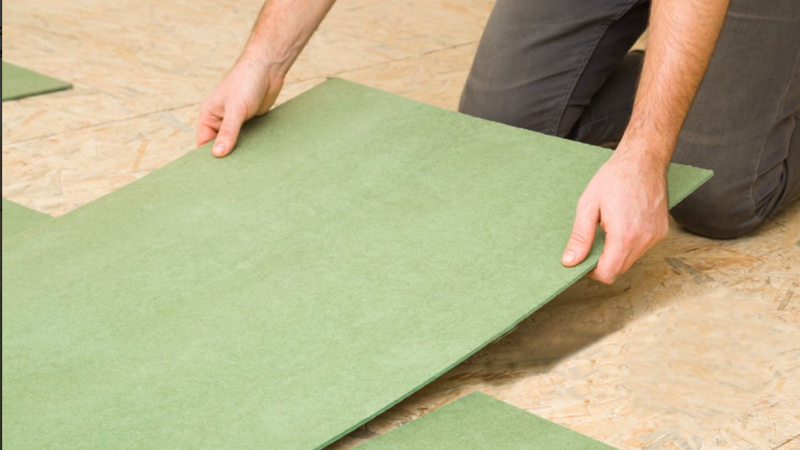
- Step 1: Choose an underlayment material that suits your floor type. Foam and cork are popular for laminate, while plywood works well with tile.
- Step 2: Roll out or lay down the underlayment material. Trim it to fit the space.
- Step 3: Use adhesive if needed, but avoid over-fastening. The underlayment should lay flat without creases.
Moisture Management and Protection
Moisture can damage floors over time. That’s why moisture management is essential. The subfloor alone may resist some moisture, but underlayment provides additional protection. In rooms like bathrooms or basements, underlayment with a moisture barrier is often used to protect the subfloor from water damage.
Noise Control and Soundproofing

Noise is another consideration, especially in apartments or multi-story homes. Underlayment is the primary layer for noise control. Materials like cork and foam absorb sound, reducing noise from footsteps and impact. The subfloor itself doesn’t provide much soundproofing, but together with the right underlayment, it creates a quieter environment.
Thermal Insulation Properties
Underlayment can also insulate floors. This is useful in cold climates, where it helps keep floors warmer and reduces heating costs. Cork, foam, and rubber underlayments are excellent choices for insulation. While the subfloor doesn’t add much insulation, underlayment can make a noticeable difference in energy efficiency.
Compatibility with Different Floor Types
Different floor types require specific subfloors and underlayments. For example:
- Tile floors need a rigid subfloor and a strong underlayment, like cement board, to prevent cracking.
- Hardwood floors benefit from an underlayment that adds cushioning and reduces moisture risk.
- Laminate floors such as SPC, LVT, and WPC flooring, often use foam like IXPE as underlayments, which provide comfort and soundproofing.
Matching the right subfloor and underlayment to your floor type ensures the best performance and longevity.
Common Mistakes to Avoid
Flooring mistakes can lead to costly repairs. Here are some common pitfalls to avoid:
- Skipping moisture protection: Without a moisture barrier, your subfloor is vulnerable to water damage. Choose an underlayment with moisture resistance for rooms like kitchens and bathrooms.
- Choosing the wrong underlayment: Not all underlayments work with every floor type. For example, using a soft underlayment under tile can cause cracking.
- Uneven subfloor: Failing to level the subfloor can result in an uneven floor finish. Make sure the subfloor is smooth and flat before installing the underlayment.
Cost Considerations
Budgeting for both subfloor and underlayment is essential. Subfloor materials, like plywood and OSB, tend to be pricier than underlayment. Foam underlayments are affordable, while cork and rubber are more expensive but offer additional benefits, like soundproofing and insulation.
Choosing materials within your budget doesn’t mean compromising quality. For example, OSB is a cost-effective option for subflooring which is both durable and affordable. Foam underlayment is a budget-friendly choice for adding comfort and noise reduction.
Replacing and Maintaining Each Layer
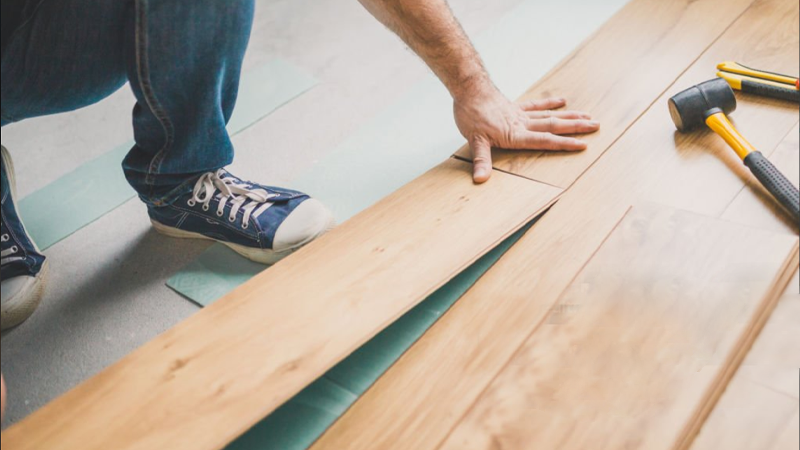
Subfloors are built to last. With proper installation, they can endure for decades. However, moisture damage or shifting foundations may require repairs or replacement. Underlayment, on the other hand, has a shorter lifespan. It may need replacing each time you update your floor covering.
Maintenance is minimal but important. Check for moisture issues, especially if you’re installing in a humid environment. Address any signs of water damage promptly to avoid costly repairs.
Environmental and Health Impacts
Eco-friendly flooring materials are increasingly popular. Many subfloor and underlayment options are sustainable, making them a great choice for environmentally conscious homeowners. For example:
- Eco-friendly subfloor options: Look for sustainably sourced plywood or recycled wood products.
- Green underlayments: Cork and recycled rubber are excellent for both the environment and indoor air quality. They’re also hypoallergenic.
Eco-friendly choices not only help the environment but also improve indoor air quality, benefiting your health and well-being.
Building Codes and Standards
Flooring must meet local building codes, which cover thickness, load-bearing, and moisture protection requirements. Ignoring these codes can lead to issues in the future. Ensuring that your subfloor and underlayment meet the standards is essential for a safe and durable installation.
DIY vs. Professional Installation
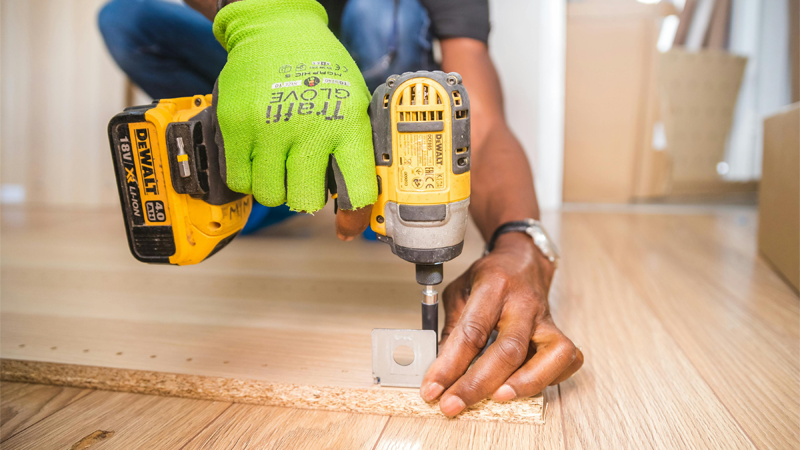
For the best results, professional installation is recommended, especially for subfloors. Installing a subfloor requires precision, and mistakes can be costly. Underlayment installation, however, is often simpler and may be suitable for DIY projects, especially with materials like foam or cork.
Hiring professionals can ensure the job is done right, but DIY enthusiasts can tackle underlayment installation with the proper guidance.
Conclusion
Choosing the right subfloor and underlayment is key to building a comfortable, durable floor. Together, these layers provide stability, insulation, and moisture protection. By understanding their roles and selecting the best materials, you can create a floor that looks great and stands the test of time.
FAQs
1. What is the lifespan of a typical subfloor?
With proper maintenance, subfloors can last 30-50 years, although moisture damage may require earlier repairs or replacement.
2. Can I install a new underlayment over an old one?
Better to remove old underlayment to ensure a smooth, even surface. Layering underlayments can cause unevenness and impact floor performance.
3. Do all floors need underlayment?
Not all floors require underlayment, but it’s beneficial for soundproofing insulation, and moisture protection. Some floors, like carpets with thick padding, may not need additional underlayment.
4. How does underlayment affect soundproofing?
Underlayment significantly reduces noise by absorbing impact sounds and minimizing noise transfer. It’s especially useful in multi-story buildings.
5. What’s the most cost-effective subfloor material?
OSB is affordable and provides durability for residential projects. It’s a popular choice for those on a budget without sacrificing quality.