Introduction
When you think of industrial applications, you might imagine bulky machines, screws, bolts, or heavy-duty equipment. However, there’s an unsung hero in the industrial world that is often overlooked – foam tape. This simple, yet incredibly versatile material plays a critical role across a wide array of industries, from automotive to construction, and even in the realm of electronics.
In this article, we’ll explore the importance of foam tape, how it has evolved into a go-to solution for so many applications, and why it should be part of your toolkit in industrial settings. Let’s take a deeper dive into the world of foam tape and uncover its many advantages.
What is Foam Tape?
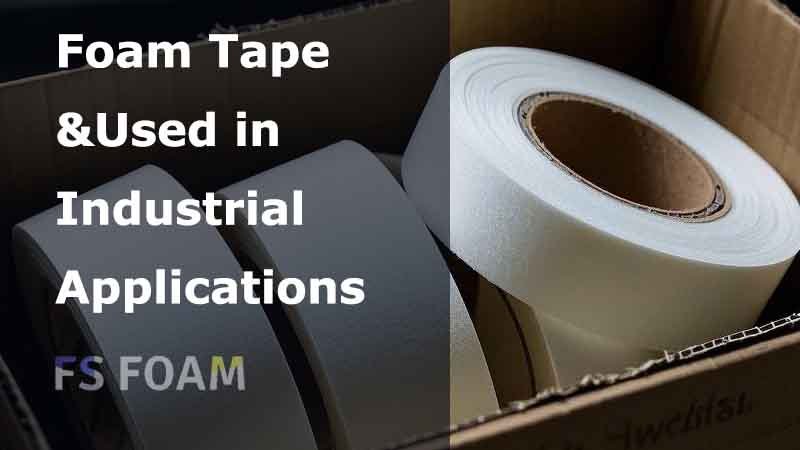
At its core, foam tape is a type of tape that consists of a foam layer with adhesive backing on one or both sides. The foam component adds flexibility and cushioning to the tape, while the adhesive ensures a secure bond with the surface it’s applied to. Depending on the type, foam tape can come in various thicknesses, densities, and materials, making it suitable for a range of uses.
Unlike traditional tapes, which cannot often conform to surfaces or provide cushioning, foam tape excels in these areas. It’s also remarkably durable, offering resistance to heat, moisture, UV exposure, and vibrations. Foam tape can be used in nearly every industry, from sealing gaps in construction projects to damping vibrations in the automotive sector.
What Are the Benefits of Foam Tape?
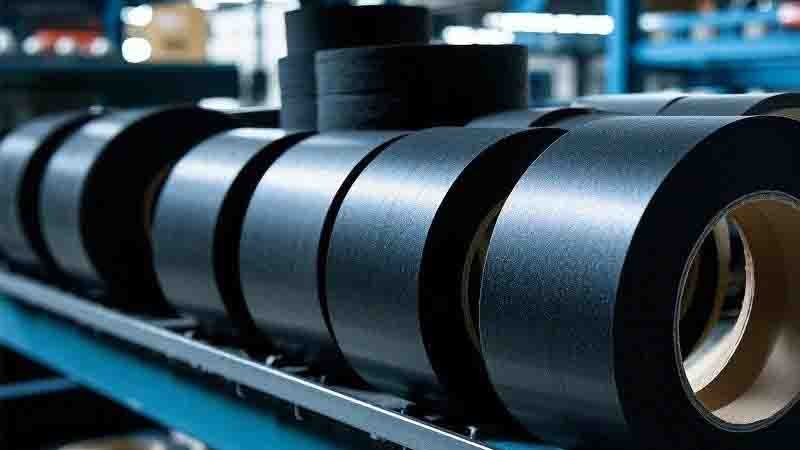
So why has foam tape become such an essential tool across industries? Here are some of the key benefits that make foam tape stand out:
Versatility
Foam tape bonds to a wide variety of surfaces, including metal, wood, glass, plastic, and more. This ability to adhere to different materials makes it a versatile tool, whether you’re working in construction, automotive, or even signage.
Durability
Unlike traditional adhesives or mechanical fasteners, foam tape is built to withstand tough conditions. It’s resistant to extreme temperatures, moisture, UV radiation, and vibrations. These characteristics make it ideal for both indoor and outdoor applications.
Ease of Use
Applying foam tape doesn’t require special tools or expertise. It’s simple to cut, peel, and stick – a quick solution for time-sensitive projects. For industrial applications, this translates to less downtime and increased productivity.
Cost-Effective
In many cases, foam tape is a more affordable alternative to mechanical fasteners like screws and bolts. Not only is it cheaper, but it also eliminates the need for tools and the potential for damage to surfaces that can occur when drilling or screwing.
Clean Appearance
Foam tape often has a sleek, invisible finish once applied. This clean look makes it ideal for applications where aesthetics matter, such as in signage, interior design, or automotive trims.
How Many Types of Foam Tape?
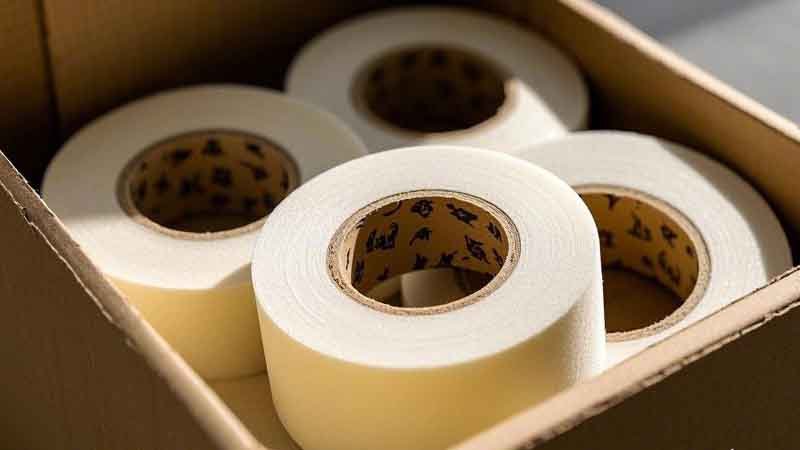
The world of foam tape is more diverse than it may first appear. There are several types, each with unique characteristics and uses. Let’s break them down:
General Foam Tape
- Pros: Easy to apply, widely available, cost-effective. Suitable for a variety of basic tasks.
- Cons: Primarily intended for light-duty, indoor applications. Not as durable or resistant to extreme conditions as other types.
Specialty Foam Tape
- Pros: Features stronger adhesives, designed for tougher jobs. Often used in more demanding environments.
- Cons: Typically more expensive and harder to find. May not always be necessary for basic applications.
Acrylic Foam Tape
- Pros: Known for its high-temperature resistance. Often used in automotive, aerospace, and energy industries.
- Cons: Acrylic foam tape might not be suitable for extremely cold conditions, limiting its versatility in certain climates.
VHB (Very High Bond) Foam Tape
- Pros: Extremely strong, capable of replacing screws, bolts, and even welding. Ideal for permanent, high-strength applications.
- Cons: More expensive and requires careful application. Once applied, it’s challenging to remove.
Double-Sided Foam Tape
- Pros: Bonds two surfaces together without visible fasteners, making it ideal for aesthetic projects. Often used in mounting signage or artwork.
- Cons: Once applied, it can be difficult to remove without damaging the surfaces.
How Many Types of Material of Foam Tape?
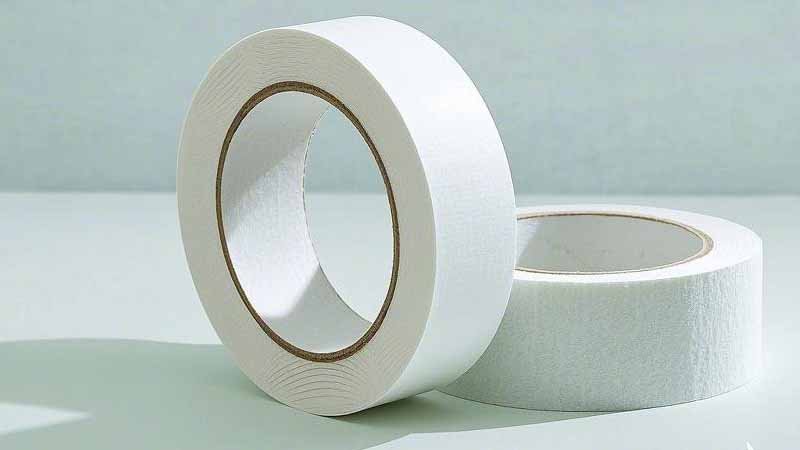
Foam tape can be made from a variety of materials, each suited for different applications based on their unique properties. Here are the most common materials used in foam tape:
Polyethylene (PE) Foam Tape
- Characteristics: Lightweight, flexible, and moisture-resistant. Ideal for general-purpose use.
- Applications: Commonly used for packaging, soundproofing, and sealing applications in construction.
IXPE Foam Tape (Irradiated Cross-Linked PE Foam)
- Characteristics: The closed cell and cross linked structure of IXPE Offers high durability, exceptional temperature, and chemical resistance. Perfect for high-performance applications.
- Applications: Widely used in automotive (e.g., bonding trim pieces), construction (sealing and insulation), and electronics (vibration damping).
Polyurethane (PU) Foam Tape
- Characteristics: Higher density than other foams, with excellent cushioning properties. Ideal for high-impact applications.
- Applications: Often used in vibration absorption, cushioning, and automotive applications.
EVA Foam Tape
- Characteristics: Soft, flexible, and lightweight with strong adhesive properties.
- Applications: Commonly used in packaging, insulating materials, and protective padding.
Neoprene Foam Tape
- Characteristics: Known for its resistance to ozone, weather, and extreme temperatures. It’s durable and versatile.
- Applications: Used in sealing, gaskets, and marine environments due to its superior weather resistance.
What Are the Foam Tape Applications?
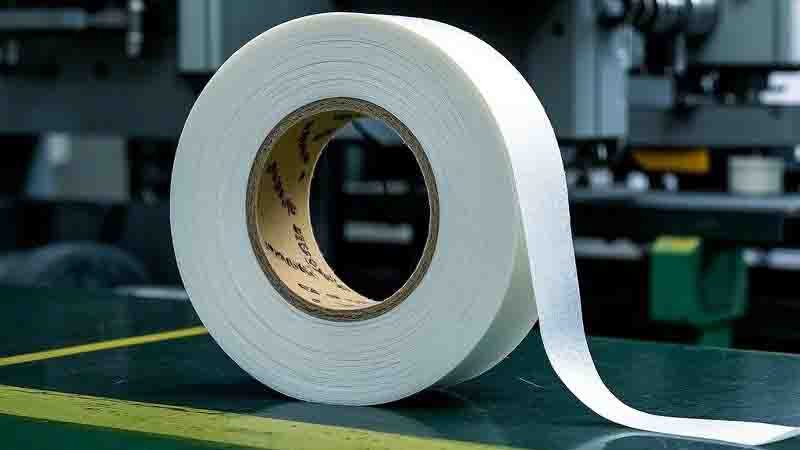
Foam tape has a diverse range of applications, each taking advantage of its unique properties. Let’s dive into some of the most common uses of foam tape:
Bonding
Foam tape is commonly used to bond materials together. It’s a great alternative to screws, bolts, or nails, especially when you need a clean, strong bond that won’t damage surfaces. For example, automotive manufacturers often use foam tape to bond trim pieces or seals in place.
Sealing
When it comes to sealing gaps in construction, foam tape is indispensable. It’s used to prevent air, dust, and moisture from penetrating, helping to create energy-efficient, weatherproof buildings. Whether it’s in windows, doors, or HVAC systems, foam tape provides a quick and effective seal.
Vibration Absorption
In industries like manufacturing and automotive, reducing vibration is crucial to preventing damage to delicate components. Foam tape can be used to absorb vibrations and reduce noise, which is essential in machinery, electronics, and even construction equipment.
Padding and Protection
For sensitive items, foam tape acts as a protective layer. Whether you’re shipping fragile items or looking to prevent scratches and dings during manufacturing, foam tape provides cushioning and protection without the need for bulky packaging materials.
Mounting and Hanging
In commercial settings, foam tape is often used to mount heavy objects like mirrors, signs, and artwork. It’s also used in industrial applications to mount panels and parts securely. The tape’s ability to provide a strong bond without the need for drilling or visible fasteners makes it a preferred choice for these tasks.
Automotive Applications
In the automotive industry, foam tape is used for a variety of bonding and sealing tasks. It helps hold trim, weatherstripping, and other components in place while withstanding the harsh conditions under the hood or on the road.
Electronics
Foam tape is used in electronics for insulation, protection, and vibration damping. It helps prevent damage to sensitive components and can be found in devices ranging from smartphones to large-scale industrial machines.
Construction
In construction, foam tape is used for soundproofing, insulating, and weatherproofing applications. It’s particularly useful in commercial and residential buildings for creating airtight, moisture-resistant seals.
Solar Industry
Foam tape plays a critical role in the assembly and sealing of solar panels. Its UV resistance makes it ideal for outdoor use, and its ability to form airtight seals ensures that solar panels perform optimally over time.
How to Choose the Right Foam Tape?
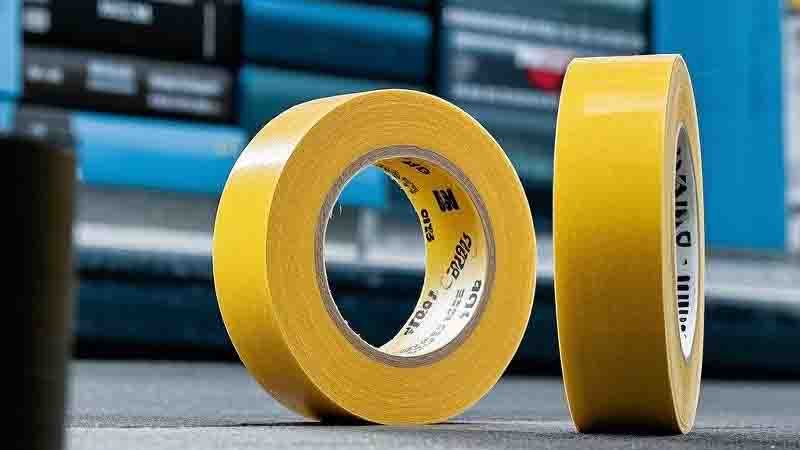
Selecting the right foam tape depends on several factors. Here’s what you need to consider:
Consider the Material
What type of surfaces will the foam tape be bonding to? Foam tape is suitable for a variety of materials, but choosing the right one based on the surface will ensure the best bond.
Check Temperature Resistance
Consider the environmental conditions. Will the foam tape be exposed to high heat, freezing temperatures, or moisture? Choosing a tape with the right temperature resistance ensures its effectiveness in different environments.
Determine Thickness
The thickness of the foam tape matters. Heavier objects will require thicker tape, while lighter objects may need thinner options. Proper thickness ensures the tape holds up under stress.
Adhesive Type
Different adhesives (acrylic, rubber, silicone) offer varying strengths and characteristics. Make sure to choose the one that best suits your project’s specific needs.
Durability Needs
Ensure that the foam tape is durable enough for the application, whether that means withstanding high temperatures, absorbing vibrations, or enduring constant wear and tear.
What is the Best Foam Tape?
The best foam tape for your project depends on the application. Here are some top choices:
- VHB Foam Tape: For permanent, high-strength bonds in demanding environments.
- Acrylic Foam Tape: Perfect for high-temperature and automotive uses.
- General Foam Tape: Ideal for simple, light-duty tasks.
- Specialty Foam Tape: Great for high-stakes applications like mounting heavy items.
Conclusion
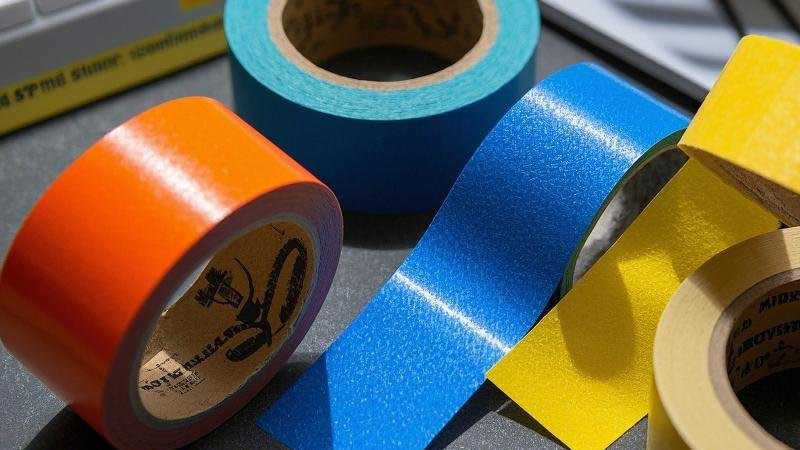
Foam tape is a remarkable material with a wide array of uses across industries. From automotive to construction, electronics to solar, foam tape provides a cost-effective, durable, and versatile solution for a variety of applications. Choosing the right foam tape for your project is crucial, as it ensures both optimal performance and long-lasting results.
“FS Foam has over a decade of expertise in the foam industry. If you need support with your foam tape project, feel free to contact us.”
FAQs
What are the differences between foam tape and regular adhesive tape?
Foam tape has a cushioning foam layer, providing better conformability and vibration damping compared to regular adhesive tape, which typically lacks these features. Foam tape is ideal for more demanding applications like sealing and bonding.
Can foam tape be used outdoors?
Yes, many foam tapes are designed for outdoor use. They offer resistance to UV exposure, moisture, and temperature extremes, making them suitable for applications like sealing and bonding in harsh environmental conditions.
How do you remove foam tape once applied?
Foam tape can be removed by gently peeling it off. If residue remains, it can be cleaned with solvents like rubbing alcohol or adhesive remover. For stronger adhesives, heat from a hairdryer may help loosen the bond.
What is the maximum weight foam tape can support?
The weight foam tape can support depends on the type and adhesive strength. For example, VHB foam tape can support several pounds, while general foam tape is better suited for lighter, non-weight-bearing applications.
Can foam tape be used on rough or textured surfaces?
Yes, foam tape is ideal for rough or textured surfaces. The foam layer conforms to uneven areas, creating a stronger and more reliable bond compared to regular adhesive tape, making it suitable for challenging surfaces.