
Introduction
Imagine this: you’ve spent hours assembling high-end electronic components, ensuring every detail is perfect. The wiring is flawless, the parts fit together seamlessly, and the device is ready for testing. But when the moment arrives, nothing works. No power, no function. What went wrong? The answer might surprise you—it’s a problem that’s invisible to the naked eye but catastrophic in its effects: electrostatic discharge (ESD). A small, almost undetectable spark of static electricity can fry your sensitive components, rendering hours of meticulous work pointless. So, how can we prevent this from happening? The answer lies in one simple but critical tool: anti-static foam.
In this article, we’ll explore what happens when we neglect to use anti-static foam during electronic assembly and why it’s essential for protecting our devices from the unseen dangers of static electricity.
Understanding Electrostatic Discharge (ESD)
Before we dive into the consequences of neglecting anti-static foam, let’s first take a closer look at the villain in this story: electrostatic discharge.
At its core, electrostatic discharge (ESD) is the sudden flow of electricity between two objects caused by a buildup of static charge. This is the same spark you might feel when you touch a metal doorknob after walking across a carpet. While that spark might be harmless to you, it’s anything but harmless to the delicate electronics we assemble every day.
We all know that movement—whether it’s our own body, a piece of equipment, or even the materials we’re handling—can generate static electricity. For example, a simple shuffle of feet on a carpet can generate thousands of volts of static charge. While we might not feel much of it, these static bursts are incredibly powerful on a microscopic scale. Some components are so sensitive that they can be damaged by a mere 100 volts of static electricity—an amount easily produced through routine activities in an assembly environment.
But why is this such a big deal? Well, static can wreak havoc on a wide range of electronic components, especially those with sensitive microchips, capacitors, and circuit boards. A brief, seemingly harmless shock can burn out crucial components, impair their functionality, or degrade their long-term reliability. The worst part? The damage isn’t always immediately visible. Your component might pass testing only to fail later when it’s already been installed into a device.
The Role of Anti-Static Foam in Electronic Assembly
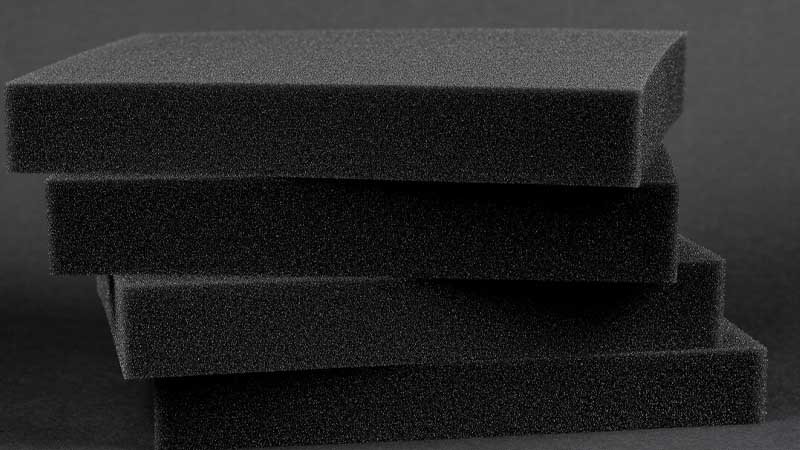
So, how do we keep this silent killer—static electricity—from wreaking havoc on our electronic assembly process? Enter anti-static foam.
At its simplest, anti-static foam is a specially designed material that helps prevent the buildup and transfer of static charges. Think of it as a shield that protects your components from the dangers of ESD, whether you’re handling them during assembly or storing them until they’re ready for use. Anti-static foam comes in several forms, each suited to different needs in the electronic assembly process.
Types of Anti-Static Foam
- Conductive Foam: This type of foam contains materials that allow it to conduct static electricity, safely redirecting the charge away from the components it’s protecting. It’s commonly used for storing and shipping sensitive devices.
- Dissipative Foam: Rather than conducting static, dissipative foam neutralizes the charge by gradually releasing it over time. This type is perfect for use in environments where you need to handle components without risk of sudden discharge.
- Static Shielding Foam: This foam has a conductive outer layer that protects components from external static fields, preventing any outside static from interfering with your devices.
All these types of anti-static foam are designed to safeguard sensitive electronics by either redirecting, neutralizing, or shielding them from static electricity. But what happens if we don’t use them?
Consequences of Not Using Anti-Static Foam
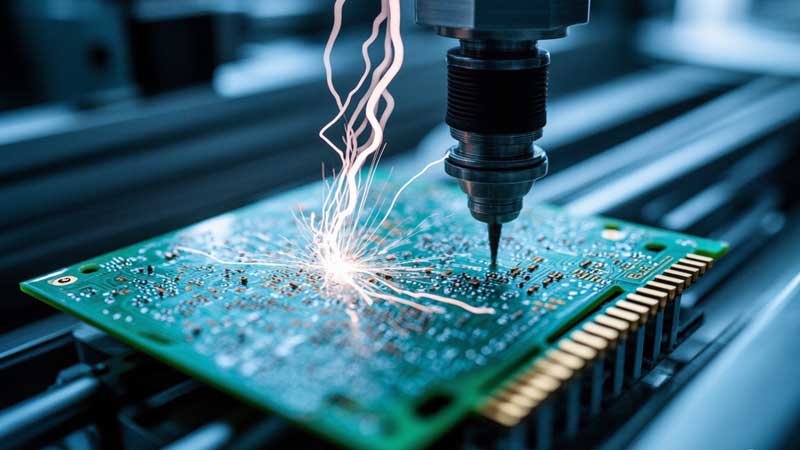
It might seem like a minor oversight to skip the anti-static foam, but the consequences of neglecting this vital step in electronic assembly can be catastrophic.
1. Damage to Components
As we mentioned earlier, electronic components—especially microchips and circuit boards—are highly susceptible to electrostatic discharge. Even a small static shock can permanently damage a component. What makes it worse is that this damage often goes unnoticed until much later, when the product is already in use. This could mean that the assembly line is already moving on to the next phase, only to discover a component failure that wasn’t caught during initial testing.
2. Invisible Damage
What’s truly insidious about ESD is that it often doesn’t show up right away. A microchip, for example, might appear to be perfectly functional at first, but a small static discharge could degrade its internal structure, leading to intermittent failures or a complete breakdown after extended use. This kind of invisible damage can significantly affect the product’s long-term performance and reliability, creating a potential nightmare for manufacturers and consumers alike.
3. Production Delays and Increased Costs
If we don’t use anti-static foam, the risk of damaging critical components rises dramatically. The result? Production delays. When components are damaged during assembly, they need to be replaced, and the entire process starts over. This not only costs time but also money—money that could have been saved if we had simply used anti-static foam. Furthermore, there’s also the risk of wastage when multiple components are ruined, increasing the cost per unit and affecting the bottom line.
Reliability and Safety Risks
The consequences of ESD are not just financial; they can also be life-threatening. In industries like aerospace and medical equipment manufacturing, a small ESD event could result in a malfunction that jeopardizes the safety of the end-user. Imagine an aircraft’s electronics failing mid-flight or a medical device malfunctioning during surgery due to a hidden ESD-induced fault. These risks highlight why anti-static foam is not just a convenience—it’s a necessity.
Real-World Examples of ESD Damage

To better understand the impact of ESD and the importance of anti-static foam, let’s take a look at a few real-world examples where static discharge caused major problems.
Consumer Electronics (Smartphones, Laptops)
One of the most common examples of ESD damage is found in consumer electronics. A smartphone or laptop, with its tiny, sensitive microchips, is particularly vulnerable to static electricity. ESD damage in these devices can be so severe that it renders them entirely inoperable. Manufacturers who don’t use anti-static foam run the risk of sending out products that will fail in the hands of consumers.
Automotive Electronics (ECUs)
In the automotive industry, Electronic Control Units (ECUs) are integral to vehicle function. From engine control to safety systems, ECUs are vital components that need to remain fully operational. A single ESD event during assembly could compromise an ECU, leading to vehicle malfunctions or failures, which could be disastrous for both manufacturers and drivers.
Medical Equipment (Pacemakers, Imaging Systems)
Perhaps the most concerning example of ESD damage is in the medical field. Devices like pacemakers or imaging systems are life-saving technologies. A failure due to undetected ESD damage could result in serious consequences for the patient. For this reason, hospitals and medical equipment manufacturers rely heavily on static control measures, including anti-static foam, to ensure patient safety.
How Anti-Static Foam Protect Electronics?
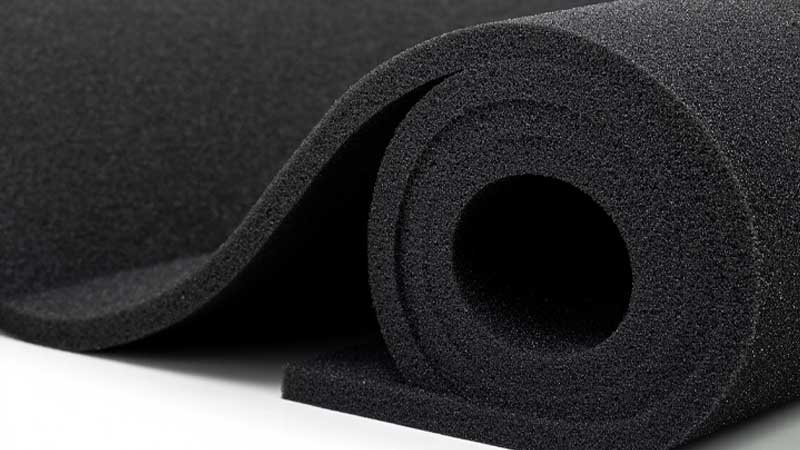
The protective power of anti-static foam lies in its ability to manage static electricity in several key ways.
Dissipation and Shielding
Anti-static foam works by dissipating static charges or shielding sensitive components from external static fields. For example, dissipative foam gradually releases accumulated static, ensuring no sudden discharges occur. Conductive foam, on the other hand, redirects any charges safely away from the components it’s protecting. This ensures that no damaging electricity reaches the delicate microchips or circuits inside.
Application Areas
Anti-static foam is used in various stages of the assembly process: from packing and shipping components to handling them during the assembly process itself. It’s also essential in storage environments, where components might sit for extended periods before installation.
Long-Term Benefits
While anti-static foam is crucial for preventing immediate damage, its long-term benefits are equally important. By preventing ESD damage upfront, manufacturers can avoid costly rework, delays, and the associated risks of compromised product reliability. Additionally, it helps extend the longevity of sensitive components, ensuring they remain functional for years to come.
Conclusion
In conclusion, the risks of not using anti-static foam in electronic assembly are not just theoretical—they’re very real. From irreversible damage to delayed production, increased costs, and even safety risks, neglecting this simple but critical step can have far-reaching consequences. So, what can we do? It’s simple: we must integrate anti-static foam into our assembly processes to protect our components and ensure the reliability and safety of the products we produce.
Now, take a moment to evaluate your assembly environment. Are you using the right type of anti-static foam? If not, it’s time to make a change—before it’s too late.
FAQs
What is the difference between anti-static foam and regular foam?
Anti-static foam is specifically designed to prevent the buildup or discharge of static electricity. It either dissipates or redirects static charges away from sensitive electronics, whereas regular foam lacks these properties and can contribute to static buildup, potentially damaging delicate components during assembly or storage.
Can anti-static foam be reused?
Yes, anti-static foam can be reused, but its effectiveness may diminish over time. Repeated handling, exposure to contaminants, or wear and tear can reduce its ability to protect against static electricity. Regular inspection is essential, and the foam should be replaced if it shows signs of degradation.
How do I choose the right anti-static foam for my products?
To choose the right anti-static foam, consider the sensitivity of your components and the environment in which they’ll be used. For high-risk devices, conductive foam may be best, while dissipative foam is ideal for general use. Always match foam type to the specific static protection required for your assembly process.
Is anti-static foam suitable for all types of electronics?
Anti-static foam is suitable for most types of electronics, especially those with sensitive microchips and circuit boards. However, it’s important to select the appropriate foam type—conductive, dissipative, or shielding—depending on the electronic components’ level of sensitivity. Always check the manufacturer’s recommendations for your specific devices.
Can I use anti-static foam in cleanroom environments?
Yes, anti-static foam can be used in cleanroom environments, but you must select the right type. Many cleanrooms require foam that is both anti-static and lint-free to prevent contamination. Ensure the foam meets the necessary cleanroom standards and is appropriate for the level of static control needed for your products.