When we think about artificial grass, many of us imagine a lush, green lawn that requires very little care. After all, it doesn’t need watering, mowing, or constant fertilization. But what if we told you that there are hidden maintenance costs that could catch you off guard over time? While artificial grass may seem like a low-maintenance, long-term solution, several factors can lead to unexpected expenses. Let’s take a closer look at the hidden costs involved in maintaining artificial grass, some of which you might not have considered at first.
Artificial grass is often marketed as a no-hassle alternative to natural lawns. It’s appealing because it promises a beautiful, green outdoor space year-round without the backbreaking work of traditional lawn care. However, despite its apparent low-maintenance allure, artificial grass comes with its own set of upkeep costs that can surprise homeowners.
What most people fail to realize is that while the upfront costs of artificial grass installation may be high, the hidden maintenance costs over time can add up. From cleaning and repairs to replenishing infill and handling environmental impacts, artificial grass demands attention in ways that are often overlooked at first glance. So, let’s dive deeper into these hidden costs and break them down.
Initial Installation Costs
The first cost to consider when installing artificial grass is the installation itself. Many people are drawn to artificial grass because it can seem like a one-time investment that eliminates ongoing costs associated with natural turf. However, the truth is, that the initial installation can be quite pricey, especially if you opt for high-quality turf and professional installation.
The quality of the turf you choose plays a significant role in determining the price. Higher-quality artificial grass may have a more natural appearance and longer lifespan, but it will also cost more upfront. Professional installation also adds a layer of expense, as the turf needs to be properly laid over a well-prepared base. This base material, which may include gravel or crushed stone, adds another hidden cost that can easily go unnoticed in the budget. Additionally, if you’re installing turf on a sloped area or need complex customizations, the cost can rise even further.
It’s important to consider that the installation process doesn’t end with simply rolling out the grass. A good foundation and proper installation are critical for ensuring longevity and avoiding future repairs. Failing to account for these hidden costs can leave you with a less-than-ideal installation.
Regular Cleaning and Upkeep
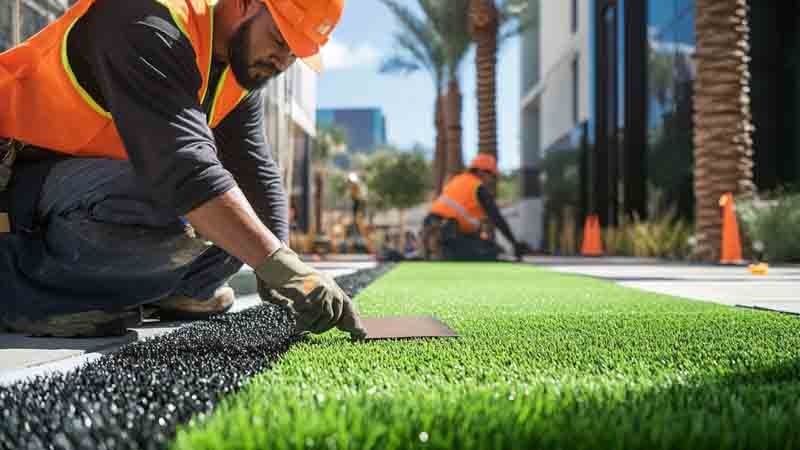
Once your artificial grass is installed, regular cleaning becomes essential. While artificial grass doesn’t require mowing, it still needs attention. Debris, such as leaves, twigs, and dirt, can accumulate over time, making the surface look untidy. Regular brushing and rinsing are necessary to keep the grass looking fresh and to prevent matting. Brushing helps keep the fibers upright and prevents them from becoming flat or worn down.
The cost of cleaning supplies can vary, especially if you use specialized turf cleaners or purchase a vacuum designed for artificial grass. These cleaning tools, while essential for maintaining the aesthetic appeal of your turf, come with their costs. In areas with heavy debris or lots of foot traffic, you may need to clean more frequently, which adds to the overall maintenance budget.
Another consideration is professional cleaning services, especially for larger lawns. If you don’t have the time or equipment to clean your turf regularly, hiring a professional service may be the solution. This service comes with a recurring cost, and depending on the size of your lawn, it can quickly add up over the years.
Repairs and Replacements
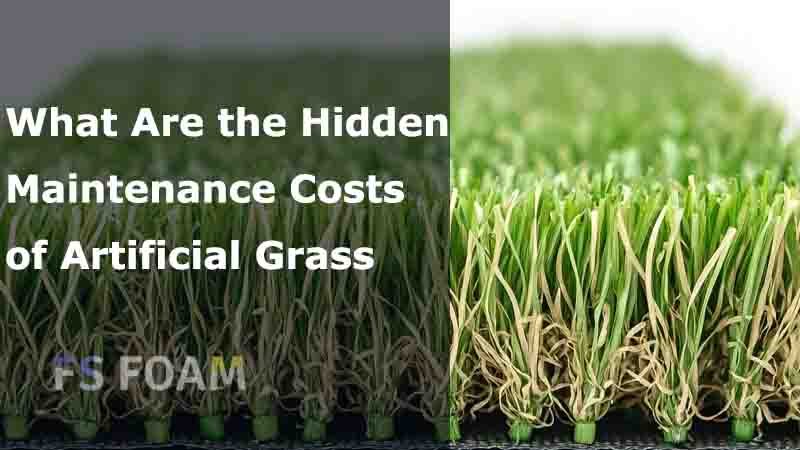
Over time, even the best artificial grass can show signs of wear and tear. Despite its durability, artificial grass is susceptible to issues such as seam separation, worn-down fibers, and discoloration. These issues can arise due to excessive use, poor maintenance, or extreme weather conditions. As the fibers begin to wear down or become matted, the turf will lose its natural look, and repairs may be necessary.
The cost of repairing or replacing sections of your artificial grass can be significant. Seam separation is a common problem that may require professional help to reattach or replace sections of turf. Additionally, discoloration caused by sun exposure can lead to uneven patches that need to be replaced to maintain the aesthetic of the lawn. These repairs often come with a hefty price tag, especially if you need to replace large sections of turf. The more heavily trafficked areas of your artificial lawn, such as pathways or play areas, may require more frequent repairs, pushing up costs even further.
Underlay and Base Layer Maintenance
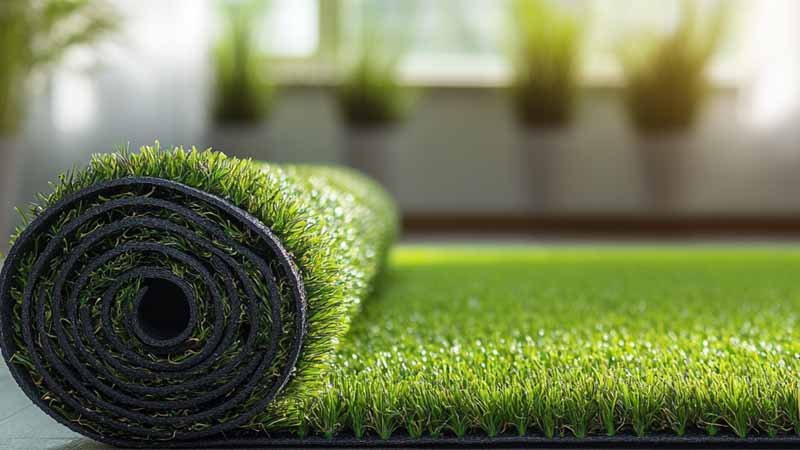
The underlay and base layer beneath your artificial grass play a crucial role in the longevity and performance of the turf. The base layer ensures proper drainage, helps prevent shifting, and supports the weight of the turf. Without proper maintenance, however, these layers can develop issues that impact the overall functionality of your artificial grass.
Drainage problems can arise if the base material shifts, becomes compacted, or clogs over time. In this case, the turf may become uneven or waterlogged, leading to expensive repairs. To address these issues, you may need to reinstate the base layer by adding more gravel or crushed stone. Over time, the base layer may require replacement, especially in areas with heavy foot traffic or poor drainage.
The lifespan of the base layer varies depending on the installation quality and environmental conditions. If not properly maintained, the base can break down, leading to an increase in long-term costs.
Infill Replenishment
Infill is the material placed between the fibers of artificial grass to help maintain its structure, provide cushioning, and prevent matting. Over time, infill can degrade due to weather conditions, foot traffic, or exposure to the sun. This degradation can lead to the need for replenishing the infill, which adds to the ongoing maintenance costs.
The type of infill you use also impacts costs. Sand and rubber are common options, but they require different amounts and frequencies of replenishment. If the infill is not adequately replenished, the artificial grass can lose its durability, causing the fibers to flatten and wear down more quickly. This, in turn, can lead to more frequent repairs or even turf replacement.
Sanitization and Odor Control
Artificial grass can trap odors, especially in pet-heavy areas. Pet waste, in particular, can cause unpleasant smells if not cleaned and sanitized regularly. To prevent odors from becoming a problem, homeowners may need to use sanitizing products or hire professional cleaning services.
These sanitization solutions come at an additional cost, and depending on the size of your lawn and the number of pets, this can become a recurring expense. While some homeowners opt for DIY solutions, others prefer to have professionals handle the sanitization process to ensure it’s done thoroughly and effectively.
Long-Term Durability and Wear
Over time, artificial grass can succumb to the natural elements. UV exposure, harsh weather conditions, and extreme temperatures can cause the fibers to degrade, leading to premature aging or discoloration. The cost of replacing faded or damaged turf can be quite high, especially if large areas are affected.
In comparing the long-term costs of maintaining artificial grass versus natural grass, it’s important to remember that while artificial grass eliminates some expenses, such as watering and fertilizing, it requires ongoing maintenance and eventual replacement. Natural grass may need more frequent care, but it doesn’t require the same level of financial investment for repairs and replenishment.
Energy and Water Costs
Although artificial grass doesn’t require watering, it still has some associated water costs, particularly when cleaning and rinsing the turf. High-pressure washers, used for deep cleaning, require water and energy. Additionally, artificial grass cleaning equipment, such as vacuums and brushes, also consume energy. While the water usage is significantly less than that of natural grass, it’s important to factor in the cost of energy and water used for maintenance.
Hidden Environmental Costs
One of the often overlooked hidden costs of artificial grass is its environmental impact, particularly when it reaches the end of its lifespan. Unlike natural grass, which decomposes over time, artificial turf does not break down easily. This means that when it’s time to replace the turf, it can end up in a landfill, contributing to waste.
Recycling options are available, but they are limited and often costly. The environmental cost of disposing of artificial grass, especially if it cannot be recycled, can add another layer of hidden expenses to the equation.
Conclusion
While artificial grass can offer a low-maintenance solution to traditional lawns, it’s important to recognize the hidden costs that come with it. From the initial installation to ongoing cleaning, repairs, and replacements, maintaining artificial grass can add up over time. However, with proper care and attention, many of these costs can be minimized. The key is to invest in quality materials, hire professionals for proper installation, and stay on top of routine maintenance. By doing so, you
FAQs
How often should I clean my artificial grass?
Regular cleaning is recommended every 2-4 weeks, depending on usage, weather, and pet activity. This ensures debris removal and keeps the turf looking fresh and maintained, reducing the buildup of dirt or moss.
What type of maintenance does artificial grass require?
Artificial grass needs periodic brushing, rinsing, and debris removal. You’ll also need to replenish the infill, check for wear and tear, and address any drainage issues. Regular cleaning and sanitizing are essential for pet-heavy areas.
What should I do if my artificial grass starts to smell?
Persistent odors can be tackled by using specialized sanitizing products or calling professional cleaning services. Routine cleaning and occasional deodorizing treatments prevent unpleasant smells, especially in pet-friendly areas.
Can I repair artificial grass myself?
Minor repairs like adjusting small seams or brushing fibers can be done by homeowners. However, for larger issues like seam separation or discoloration, it’s best to hire a professional for proper repair and replacement.
Is artificial grass recyclable?
Some artificial grass is recyclable, but the process is often costly and not always widely available. Check with local facilities for options, as recycling artificial turf can help reduce its environmental impact.