Introduction
In today’s world of flooring, few materials have captured as much attention as luxury vinyl flooring (LVF). With its sleek look, remarkable durability, and practical qualities, LVF has emerged as a popular choice for both residential and commercial spaces. Why? Because it’s waterproof, durable, cost-effective, and — let’s not forget — stylish. What sets LVF apart from traditional hardwood or stone is its ability to mimic these natural materials while offering a range of advantages. In this article, we’ll dive deep into the world of LVF, with a particular focus on two of the most sought-after varieties: SPC (Stone Plastic Composite) and WPC (Wood Plastic Composite) flooring. Through a comparative lens, we’ll break down their features, benefits, and what makes each of them unique. So, whether you’re considering LVF for your home or business, keep reading to discover which option best suits your needs.
What is Luxury Vinyl Flooring?
Luxury vinyl flooring (LVF) is not your average vinyl. It’s a high-end flooring option that combines modern technology with the timeless appeal of wood, stone, or tile. At its core, LVF is made of multiple layers that come together to offer exceptional durability, beauty, and functionality. The top layer is often a wear layer designed to resist scratches and stains, followed by a high-definition print layer that mimics natural materials like wood or stone. Beneath these layers, there is often a rigid or flexible core, making the flooring waterproof, durable, and suitable for any climate.
What makes LVF so desirable? For one, it’s incredibly waterproof. Unlike hardwood or laminate that can swell or warp when exposed to moisture, LVF is designed to withstand water, making it perfect for bathrooms, kitchens, and basements. Additionally, LVF is easy to maintain. A quick sweep or mop is usually all it takes to keep it looking pristine. But it doesn’t stop there. This flooring is durable, capable of enduring high foot traffic without showing signs of wear. And it brings style — with a vast array of finishes, colors, and textures, LVF can mimic the most sophisticated materials.
How Many Types of Luxury Vinyl Flooring?
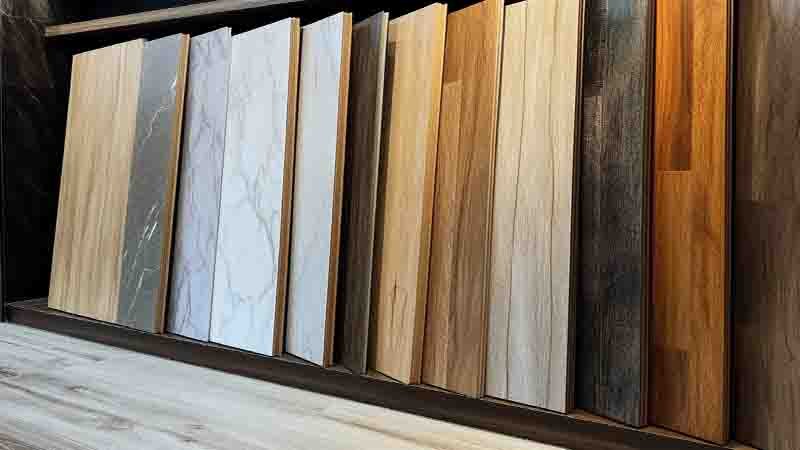
There’s a lot more to LVF than meets the eye. While we’ll focus primarily on SPC and WPC, it’s worth noting that LVF comes in several other forms, each suited for different needs.
- SPC (Stone Plastic Composite): Often referred to as rigid core vinyl, SPC is composed of a blend of stone powder, polyvinyl chloride (PVC), and stabilizers. This combination creates a firm, rigid core that provides strength and durability.
- WPC (Wood Plastic Composite): WPC has a similar look and feel to SPC but differs in its core composition. It’s made from wood fibers mixed with PVC, offering a softer and more comfortable surface underfoot.
- LVP (Luxury Vinyl Plank): LVP refers to LVF that is designed to resemble wood planks. It’s the most common type of LVF and is available in various wood styles and colors.
- LVT (Luxury Vinyl Tile): LVT mimics stone or tile and is often used in kitchens and bathrooms. It’s highly durable, easy to maintain, and adds an elegant touch to any space.
For this article, we’ll zero in on SPC and WPC, two of the most popular and widely used forms of LVF.
What is SPC Flooring?
SPC, or Stone Plastic Composite flooring, is one of the toughest options on the market. The core of SPC is made from a blend of stone powder, PVC, and stabilizers, creating a flooring product that is incredibly durable and water-resistant.
One of the standout features of SPC flooring is its rigid core. Unlike other types of LVF, SPC is not flexible, making it an excellent choice for spaces that see a lot of traffic or have uneven subfloors. This solid core gives SPC an impressive level of impact resistance, which helps it withstand heavy furniture, high foot traffic, and even heavy machinery. Additionally, the waterproof nature of SPC makes it an excellent option for areas prone to moisture, such as bathrooms, kitchens, and basements.
Why is SPC Flooring Important?
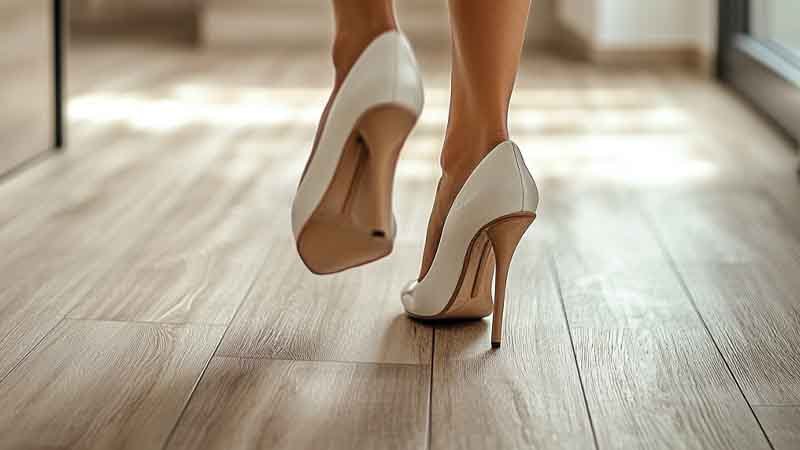
SPC flooring has become a favorite in both commercial and residential applications for several reasons. Its ability to withstand moisture, high traffic, and uneven subfloors makes it versatile and reliable. For businesses, this means less worry about maintenance costs and more time to focus on daily operations. For homeowners, the durability and water resistance ensure a long-lasting floor that can handle everything from kids and pets to potential leaks.
In spaces like bathrooms, kitchens, and basements, where water resistance is key, SPC flooring’s waterproof nature makes it an ideal choice. And let’s not forget its rigid core, which provides unparalleled support, making it the go-to flooring solution for high-traffic areas.
What Are the Pros and Cons of SPC Flooring?
Advantages:
- Extremely Durable: SPC is highly resistant to dents, scratches, and impacts, making it ideal for high-traffic and commercial areas.
- Waterproof: Whether you’re installing in a bathroom, basement, or kitchen, SPC won’t warp or swell when exposed to moisture.
- Low-Maintenance: SPC floors are easy to clean and maintain, requiring only occasional sweeping or mopping.
- Cost-Effective: Compared to other flooring options like hardwood or tile, SPC offers a more affordable alternative without sacrificing quality.
Disadvantages:
- Less Comfortable: SPC can feel harder underfoot than WPC, which may not be ideal for people standing for long periods.
- Colder Feel: The stone-based core can make SPC flooring feel colder, which may be uncomfortable in colder climates.
- Noise: Without the right underlayment, SPC can be noisy, especially in spaces with a lot of foot traffic.
What is WPC Flooring?
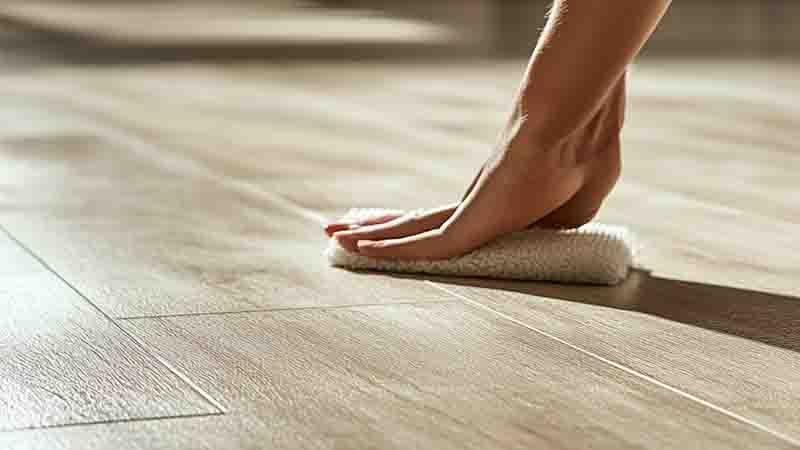
On the other hand, WPC (Wood Plastic Composite) flooring is made by mixing wood fibers with PVC and foaming agents. The result is a softer, more resilient floor compared to SPC. WPC flooring offers excellent comfort underfoot, making it a great choice for residential areas where comfort is a priority. The softcore also provides sound insulation, reducing the amount of noise in your home.
Like SPC, WPC is also waterproof, but it has the added benefit of a warmer, softer feel underfoot. This makes it a great choice for living rooms, bedrooms, and areas where comfort is essential. However, it may not be the best choice for commercial spaces with heavy foot traffic due to its relatively softer core.
What Are the Pros and Cons of WPC Flooring?
Pros:
- Comfortable Underfoot: WPC offers a softer feel than SPC, making it more comfortable to walk on for long periods.
- Warmth: WPC floors feel warmer to the touch, which is a benefit in colder climates.
- Good Sound Insulation: The dense, cushioned core helps to reduce noise, which is great for residential spaces.
- Waterproof: Like SPC, WPC is fully waterproof, making it suitable for kitchens, bathrooms, and basements.
Cons:
- Prone to Dents: WPC is more susceptible to denting compared to SPC, especially under heavy furniture or sharp objects.
- More Expensive: Due to its softer, more complex core, WPC tends to be slightly pricier than SPC.
- Softer Core: WPC’s softer core isn’t ideal for high-traffic commercial spaces, as it can show wear and tear more quickly than SPC.
SPC vs. WPC: Which One is Better?
Comparison Table:
| Feature | SPC Flooring | WPC Flooring |
|---|---|---|
| Durability | Extremely durable, impact-resistant | Less durable, prone to denting |
| Comfort | Harder underfoot | Softer, more comfortable |
| Waterproof | Yes | Yes |
| Price | More cost-effective | Marginally higher cost |
| Sound Insulation | Less effective | Excellent sound insulation |
| Best For | High-traffic, commercial spaces | Residential spaces, comfort |
Which One to Choose?
- If you need durability, affordability, and performance in high-traffic areas, SPC is the way to go.
- If you’re looking for comfort, a warmer feel, and a good option for residential spaces, WPC might be your better choice.
How to Install SPC and WPC Flooring?
SPC Installation:
- Step 1: Prepare the subfloor by cleaning it thoroughly and ensuring it’s dry and level.
- Step 2: Lay down the SPC planks using an interlocking system, making sure each plank clicks into place securely.
- Step 3: Trim the planks at the edges to fit, using a utility knife.
WPC Installation:
- WPC is installed similarly to SPC, with an easy-to-click interlocking system.
- You may need an underlayment for added comfort and noise reduction.
- Ensure there are no gaps between planks, and check for any warping.
How to Maintain SPC and WPC Flooring?
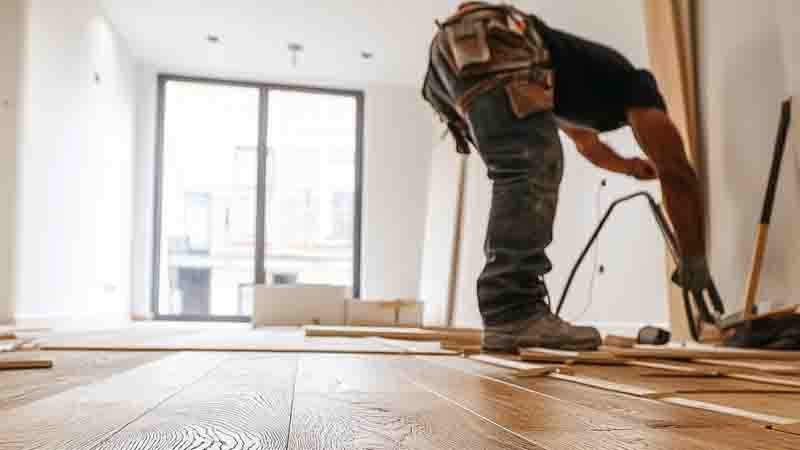
SPC Maintenance:
- Regularly sweep or vacuum to remove dirt and debris.
- Damp mop occasionally using a mild cleaner.
- Use floor protectors under heavy furniture to avoid damage.
WPC Maintenance:
- Similar to SPC, but with extra care to avoid scratches and dents from heavy furniture or sharp objects.
- Regularly check for any moisture buildup that may cause warping.
How to Increase the Lifespan of SPC and WPC Flooring?
When investing in SPC (Stone Plastic Composite) or WPC (Wood Plastic Composite) flooring, ensuring that they last for years is a top priority. These flooring types are known for their durability, but like all products, proper maintenance and installation techniques can make a significant difference in their longevity.
A simple trick for ensuring the longevity of both SPC and WPC flooring is the use of underlayment. Specifically, IXPE foam is an excellent choice. It provides a cushion, reducing noise and helping to protect the floor from damage. It also enhances the comfort of both SPC and WPC floors.
What is IXPE Foam?
IXPE (Irradiated Cross-Linked Polyethylene) foam is a type of closed-cell foam created through a special cross-linking process that enhances its structure and durability. This foam is known for its excellent resistance to wear, moisture, and extreme temperatures. The cross-linking process makes IXPE foam stronger and more resilient, which is why it’s a popular choice in various industries, including flooring.
The Benefits of IXPE Foam Underlayment for SPC and WPC Flooring
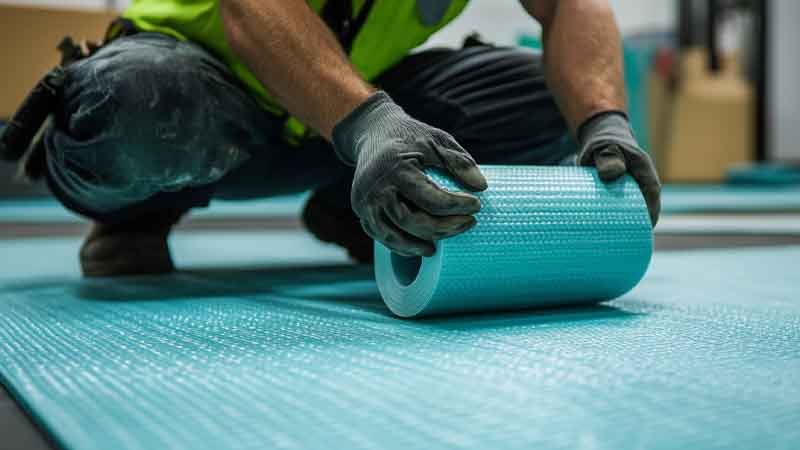
Using IXPE foam as an underlayment for SPC and WPC flooring offers a wide array of benefits that significantly improve the performance and lifespan of the flooring. Here’s how IXPE foam helps protect your floors:
1. Provides Superior Protection Against Moisture
Moisture is one of the leading causes of flooring damage, particularly in areas like kitchens, bathrooms, and basements. SPC and WPC flooring are designed to be waterproof, but moisture can still seep in through the subfloor. IXPE foam provides a barrier that prevents moisture from reaching the flooring, thus reducing the risk of warping, bubbling, or mildew buildup.
2. Enhances Comfort Underfoot
SPC flooring, while highly durable, can sometimes feel rigid and uncomfortable underfoot, especially when walking or standing for long periods. IXPE foam, with its soft and flexible structure, offers an extra layer of cushioning. This added comfort makes it ideal for residential spaces, where a more comfortable surface is preferred. In contrast to SPC, WPC flooring already provides some level of softness, but IXPE foam further enhances its comfort by providing a soft, resilient feel.
3. Improved Sound Insulation
One common issue with both SPC and WPC flooring is that they can produce noise when walked on, especially in larger rooms or high-traffic areas. The solid structure of SPC flooring can result in loud footsteps, while WPC flooring, although quieter than SPC, can still benefit from added soundproofing. IXPE foam serves as an excellent sound insulator. It dampens the sound of foot traffic, making it a great choice for multi-level homes or commercial spaces that require a quieter environment.
4. Shock Absorption and Impact Resistance
Both SPC and WPC flooring are highly resistant to scratches and dents, but they can still be affected by heavy impacts. IXPE foam adds an extra layer of protection by absorbing shocks, preventing damage from furniture or dropped items. The foam’s cushioning effect helps maintain the floor’s appearance and structural integrity over time, preventing dents and keeping the surface smooth.
5. Enhances Floor Stability
Even though SPC and WPC flooring are designed for easy installation, the subfloor can sometimes be uneven. If the subfloor isn’t perfectly smooth, it can cause the flooring to shift, creak, or even get damaged over time. IXPE foam underlayment provides a stabilizing effect by filling in gaps and leveling out minor imperfections in the subfloor. This ensures the flooring remains securely in place, reducing the chances of damage caused by instability.
6. Increases Thermal Insulation
Another major benefit of IXPE foam is its ability to enhance thermal insulation. The foam helps trap heat in colder environments and prevents heat loss, which can be especially beneficial in colder climates. By maintaining consistent room temperature, it contributes to a more energy-efficient home. In addition, the thermal insulation properties of IXPE foam can help make both SPC and WPC floors feel more comfortable during the winter months.
7. Easy Installation
IXPE foam is easy to install, often available in convenient rolls or planks that can be quickly laid under SPC or WPC flooring. It’s designed to interlock seamlessly with these flooring types, requiring minimal adjustments during the installation process. The ease of installation not only saves time but also ensures that the underlayment stays intact for optimal performance.
8. Non-toxic and Eco-Friendly
As a non-toxic and eco-friendly material, IXPE foam adds value to any flooring installation. It doesn’t release harmful chemicals or odors into the environment, making it a safe choice for homes, especially those with children or pets. It’s also recyclable, contributing to sustainable living practices.
9. Long-Term Durability
One of the standout features of IXPE foam is its durability. The foam maintains its integrity over time without compressing or degrading, ensuring that your SPC or WPC floors stay protected for the long haul. Its ability to withstand high pressures, combined with its moisture resistance and shock absorption capabilities, makes IXPE foam a valuable investment for flooring applications in both residential and commercial spaces.
To maximize the lifespan of your SPC or WPC flooring, incorporating a high-quality underlayment like IXPE foam is a smart choice.
FS Foam has been specializing in IXPE foam flooring underlayment manufacturing for over 10 years. If you’re working on an underlayment project, we’d be happy to assist you with our expertise and support. Don’t hesitate to contact us for guidance or assistance!
Conclusion
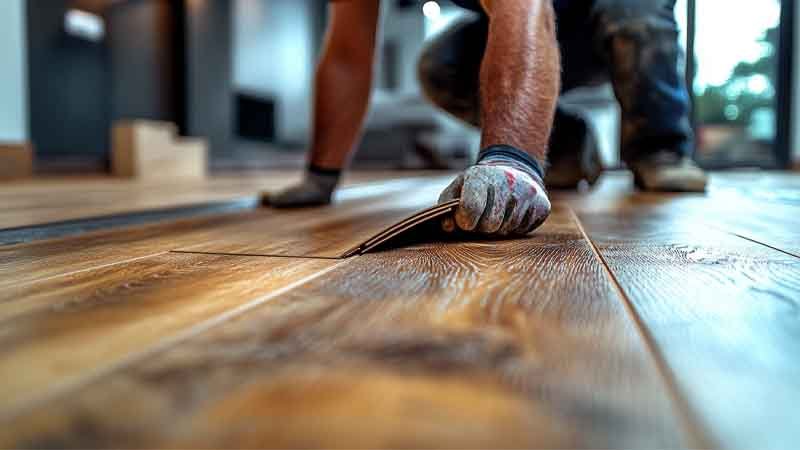
Both SPC and WPC are fantastic flooring options. They are waterproof, durable, and low-maintenance. When choosing between them, consider the traffic levels in your space, the comfort you desire, and your budget. Whether you opt for the rigid durability of SPC or the comfort of WPC, both will add value and style to your home or business.
FAQ
1. What is the cost difference between SPC and WPC flooring?
SPC is typically more affordable than WPC due to its simpler construction. WPC flooring tends to be slightly more expensive because of its wood-fiber core, which provides additional comfort and insulation. Prices may vary based on brand and features, but SPC remains the budget-friendly option.
2. Which is better for commercial spaces, SPC or WPC?
SPC is better suited for high-traffic commercial spaces due to its rigid core and exceptional durability. It can withstand heavy foot traffic, furniture, and impacts, making it ideal for retail, offices, or public areas. WPC is better for residential spaces where comfort is a priority.
3. Can SPC and WPC flooring be installed over existing floors?
Yes, both SPC and WPC flooring can be installed over most existing floors, including tile, wood, and vinyl. Ensure the surface is clean, dry, and level before installation. Using underlayment can improve comfort and sound insulation, especially for WPC flooring.
4. How long does SPC and WPC flooring last?
Both SPC and WPC flooring are highly durable and can last 20-30 years with proper care. SPC is known for its resistance to wear, scratches, and impacts, while WPC offers comfort and resilience. Regular maintenance, such as sweeping and mopping, helps prolong their lifespan.
5. Is WPC flooring better for cold climates?
Yes, WPC flooring is better for cold climates because of its softer, warmer feel underfoot compared to SPC’s rigid core. The wood-fiber core provides better insulation, keeping floors warmer, which is ideal for areas where comfort and temperature control are important, such as living rooms and bedrooms.