Introduction
In the world of foam materials, EPDM (Ethylene Propylene Diene Monomer) and Silicone Foam are two highly sought-after options, each offering a range of properties that make them ideal for a variety of industrial applications. Understanding the differences between these two materials is crucial, especially in specialized industries such as automotive, aerospace, and construction.
Both EPDM and Silicone foam are durable and flexible, and offer excellent resistance to environmental factors like UV radiation and weathering. However, the choice between these two foams largely depends on the specific requirements of the application, such as temperature, chemical exposure, flexibility, and cost-effectiveness.
This article will explore the key properties of EPDM Foam and Silicone Foam, compare their strengths and weaknesses, and provide guidance on which material is better suited for various industrial applications, particularly in automotive uses.
What is EPDM Rubber?
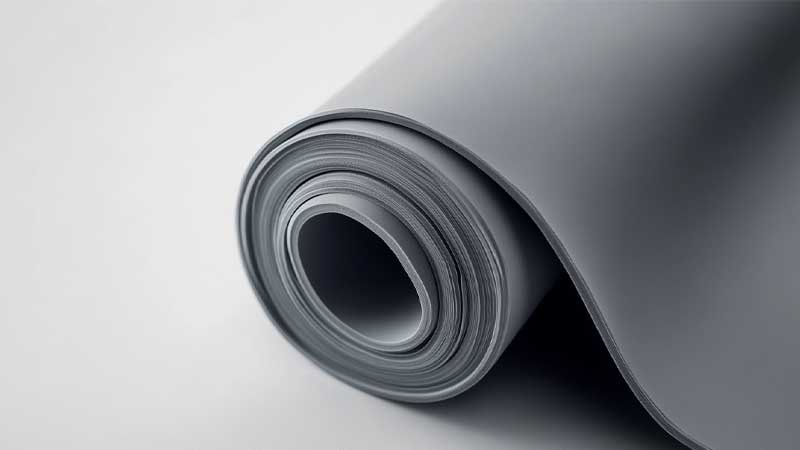
EPDM (Ethylene Propylene Diene Monomer) is a synthetic rubber compound made from a combination of ethylene, propylene, and a small amount of a diene component. This diene allows cross-linking during the vulcanization process, which enhances the material’s properties, making it durable and flexible. EPDM is primarily known for its excellent resistance to various environmental factors, making it ideal for outdoor and automotive applications.
Key Properties of EPDM
EPDM rubber is known for its impressive range of benefits, which include:
Pros:
- Weather Resistance: EPDM is highly resistant to weathering, making it suitable for outdoor use where it will be exposed to varying climates.
- UV, Ozone, and Oxidation Resistance: EPDM rubber excels at resisting UV radiation and ozone, preventing degradation over time, which is particularly important for automotive and outdoor applications.
- Flexibility at Low Temperatures: EPDM maintains its flexibility even in extremely cold temperatures, making it an ideal material for seals, gaskets, and weatherproofing.
- Good Electrical Insulation: EPDM offers excellent electrical insulating properties, making it a good choice for electrical components.
- Chemical Resistance: EPDM is resistant to a wide range of chemicals, including alkalis, acids, and ketones, making it useful in industrial environments.
Cons:
- Poor Resistance to Oils and Fuels: EPDM does not perform well in environments where it will be exposed to oils, fuels, or certain solvents.
- Limited High-Temperature Resistance: While it can withstand moderate temperatures, EPDM’s high-temperature resistance is lower than that of some other materials like Silicone.
- Degrades under High UV Exposure: Over long periods of UV exposure, EPDM can degrade, particularly in outdoor settings with continuous sunlight.
What is the Application of EPDM?
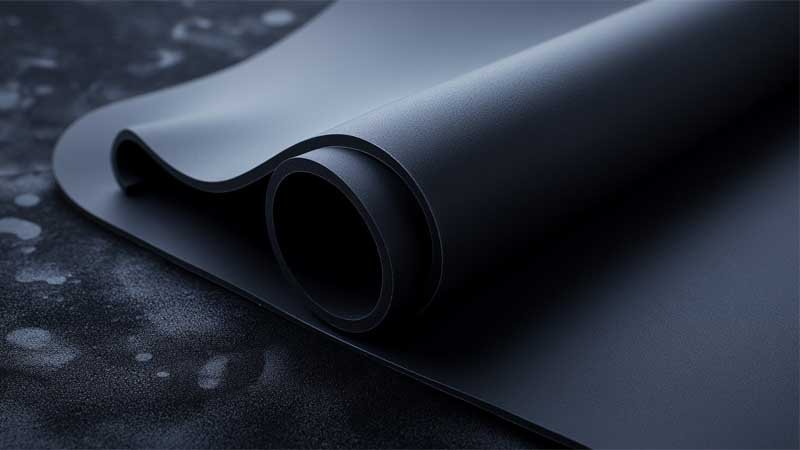
EPDM foam is widely used in various industries, particularly where exposure to harsh weather conditions, temperature fluctuations, and chemicals is a concern. Some of the key applications include:
- Automotive Industry: EPDM is commonly used in automotive seals, gaskets, and weatherstripping due to its excellent resistance to the elements.
- Outdoor and Construction Applications: EPDM is frequently used for weatherproofing and insulation in roofing, windows, and doors.
- Electrical Insulation: EPDM’s electrical insulating properties make it a choice material for cables and electrical components.
- HVAC Systems: EPDM is used for gaskets and seals in HVAC systems to prevent leaks and maintain efficiency.
- Other Industrial Uses: EPDM is also used in industrial seals, hoses, and vibration dampening applications.
What is Silicone Foam?
Silicone Foam is a flexible, open-cell foam material made from silicone rubber. It is created by incorporating a foaming agent into silicone elastomers, which then cure to form a lightweight and resilient foam structure. Silicone foam offers a broad range of advantages, particularly in applications where high-temperature stability and chemical resistance are required.
Key Properties of Silicone Foam
Silicone foam is characterized by the following features:
Pros:
- High-Temperature Resistance: Silicone foam can withstand temperatures up to 232°C, making it ideal for high-temperature environments, such as in aerospace, automotive, and industrial applications.
- Excellent Weather Resistance: Like EPDM, silicone foam offers superior resistance to UV radiation, ozone, and extreme weather conditions, ensuring long-term performance even in harsh outdoor environments.
- Superior Chemical and Electrical Insulation: Silicone foam provides excellent resistance to chemicals and solvents, making it highly suitable for industrial and electrical applications.
- Flexibility at Low Temperatures: Silicone foam maintains its flexibility even in extremely low temperatures, which is crucial for seals and gaskets in cold climates.
- Resistance to a Wide Range of Chemicals: Silicone foam resists various chemicals, oils, and solvents, making it suitable for more demanding industrial environments.
Cons:
- Lower Abrasion Resistance: Silicone foam generally has lower abrasion resistance compared to EPDM, meaning it may wear down more quickly under mechanical stress.
- High Cost: Silicone foam tends to be more expensive than EPDM, which may make it less appealing for cost-sensitive applications.
- Poor Compression Set: Silicone foam has a higher tendency to deform under pressure, making it less suitable for applications where compression set resistance is critical.
- Limited Resistance to Certain Solvents: While silicone foam is highly resistant to many chemicals, it may not perform well with certain aromatic hydrocarbons and fuels.
What is the Application of Silicone Foam?
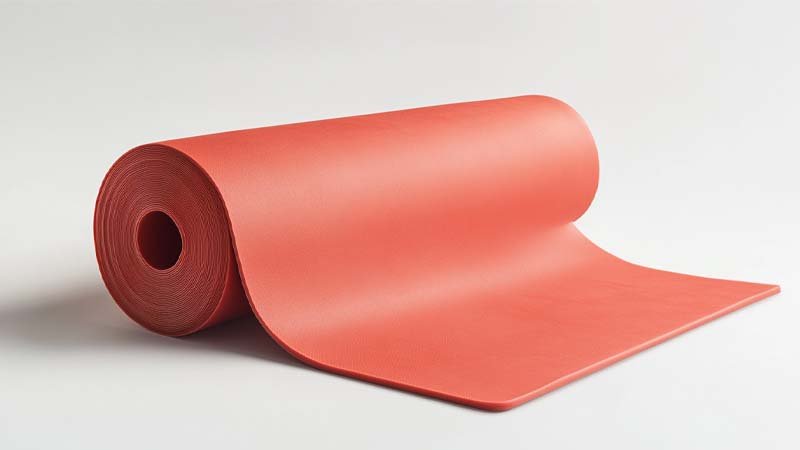
Silicone foam is used in industries where high-temperature resistance, chemical stability, and flexibility are essential. Key applications include:
- High-Temperature Environments: Silicone foam is ideal for high-temperature seals, gaskets, and insulation in industries such as aerospace, automotive, and industrial manufacturing.
- Medical and Food-Grade Applications: Due to its biocompatibility and non-toxicity, silicone foam is used in medical devices, food-grade seals, and gaskets.
- Electronics and Electrical Insulation: Silicone foam’s excellent electrical insulation properties make it a popular choice for sealing and insulating electronic components.
- Automotive: Silicone foam is used in automotive applications where high-temperature resistance is critical, such as in engine seals, gaskets, and heat shields.
- Marine Applications: Silicone foam’s resistance to UV radiation and saltwater makes it an ideal choice for marine applications, including seals, insulation, and flotation devices.
What Are The Differences Between EPDM and Silicone Foam?
The differences between EPDM foam and Silicone foam stem from their composition, properties, and performance in various conditions. Understanding these distinctions helps manufacturers make an informed decision on which material to use for a specific application.
Key Distinctions in Material Composition
- EPDM Foam: Made from ethylene, propylene, and a diene monomer, EPDM is a synthetic rubber that offers good weather resistance and low-temperature flexibility.
- Silicone Foam: Silicone foam is made from silicone elastomers, offering superior high-temperature resistance and flexibility in extreme conditions.
Performance Differences in Various Conditions
- Temperature Resistance: Silicone foam outperforms EPDM in high-temperature environments. It can withstand temperatures up to 232°C, while EPDM typically operates up to around 120°C to 150°C.
- UV and Weather Resistance: Both materials are resistant to UV radiation and ozone; however, silicone foam generally has superior long-term weathering resistance.
- Chemical Resistance: Both materials offer excellent chemical resistance, but silicone foam has a broader range of chemical resistance, especially in high-temperature industrial settings.
Cost Considerations
- EPDM: Generally more affordable than silicone foam, EPDM is an economical option for applications where temperature and chemical resistance are less critical.
- Silicone: Silicone foam, due to its high-performance characteristics, comes at a higher price point, which may be prohibitive for some applications.
EPDM vs Silicone: A Detailed Comparison
| Property | EPDM Foam | Silicone Foam |
|---|---|---|
| Temperature Resistance | Up to 150°C | Up to 232°C |
| Weather & UV Resistance | Excellent | Superior |
| Chemical Resistance | Good (alkalis, acids, ketones) | Excellent (wide range of chemicals) |
| Flexibility | Good at low temperatures | Superior at low and high temperatures |
| Cost | Lower cost | Higher cost |
| Compression Set | Moderate | Poor (prone to deformation) |
| Abrasion Resistance | Excellent | Lower than EPDM |
| Lifespan | 10-15 years (depends on exposure conditions) | 15-20 years (longer in extreme conditions) |
Which is Better, EPDM or Silicone?
Choosing between EPDM and Silicone depends on the specific requirements of the application:
Choose EPDM if:
- The application involves moderate temperatures (under 150°C).
- Cost is a significant factor.
- The material is exposed to weathering and UV but not extreme heat.
Choose Silicone if:
- High-temperature resistance (above 150°C) is required.
- The application involves exposure to extreme weather, UV radiation, or chemicals.
- Cost is less of a concern, and performance in extreme conditions is paramount.
Conclusion
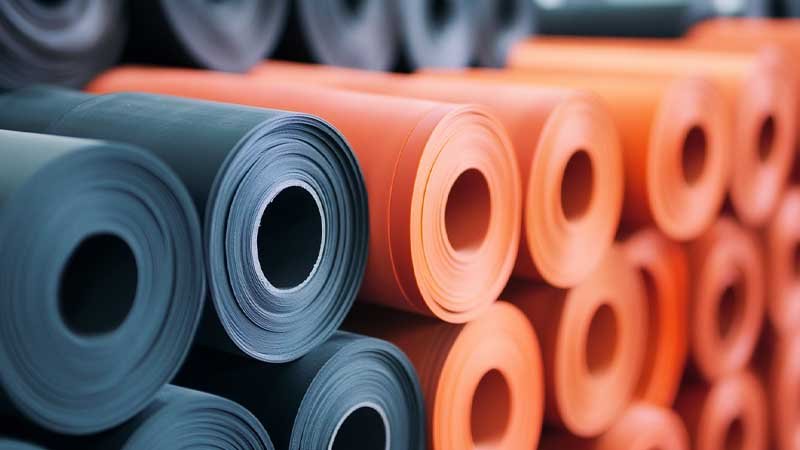
Both EPDM and Silicone foam are excellent materials with distinct advantages depending on the specific application needs.
EPDM foam excels in providing a cost-effective solution for applications involving moderate temperatures, good chemical resistance, and outdoor exposure. It is widely used in automotive seals, gaskets, and weatherproofing, where its flexibility at low temperatures and resistance to UV, ozone, and weathering make it a reliable choice.
However, EPDM’s limited high-temperature resistance and susceptibility to oils, fuels, and certain solvents may make it less suitable for some industrial applications.
Silicone foam offers superior high-temperature resistance, outstanding chemical and electrical insulation, and excellent flexibility across a broad temperature range, making it the preferred material for high-performance applications in industries like aerospace, automotive, medical, and electronics.
While it is more expensive than EPDM and may have lower abrasion resistance, its ability to perform under extreme conditions—such as high temperatures and harsh chemicals—makes it invaluable in critical applications where durability and long-term reliability are essential.
If you’re unsure about whether to choose EPDM or Silicone foam, feel free to reach out to us. Our foam experts are always here to help you make the right choice.
FAQs
1. What is the difference between EPDM and silicone foam in terms of temperature resistance?
EPDM foam is designed to handle temperatures up to around 150°C, making it suitable for most standard applications. Silicone foam, on the other hand, can withstand much higher temperatures, up to 232°C, making it ideal for high-temperature environments such as those found in aerospace, automotive engines, and industrial applications.
2. Can EPDM be used in high-temperature applications?
While EPDM foam can handle moderate temperatures, it is not ideal for high-temperature applications beyond 150°C. For applications involving continuous exposure to heat above this temperature, Silicone foam would be a better choice due to its superior high-temperature resistance.
3. Is silicone foam more expensive than EPDM foam?
Yes, Silicone foam generally costs more than EPDM foam due to its superior performance in extreme conditions and its ability to withstand higher temperatures, chemicals, and UV exposure. The additional costs are often justified for high-performance applications, but for more standard uses, EPDM provides a more economical solution.
4. Which foam material is better for automotive seals?
Both EPDM foam and Silicone foam are used in automotive applications, but the choice depends on the specific requirements. EPDM is commonly used for general automotive seals and gaskets due to its excellent weather resistance, flexibility, and cost-effectiveness. Silicone foam is preferred in high-temperature areas, such as engine seals, where it can withstand higher operating temperatures and extreme conditions.
5. Can both EPDM and silicone foam be used for electrical insulation?
Yes, both EPDM foam and Silicone foam provide excellent electrical insulation properties. EPDM is commonly used for electrical insulation in general industrial applications, while Silicone foam is often chosen for more demanding environments, such as in electronics and medical devices, where higher temperatures and more severe conditions are encountered.