
The automotive industry is all about performance—speed, efficiency, and comfort. But there’s one crucial element that often gets overlooked: the driving experience itself. And when we talk about improving that experience, noise, vibration, and harshness (NVH) play a huge role.
Noise and vibration can make a drive feel uncomfortable or even stressful. Harshness? Well, it can make the vehicle feel like it’s falling apart. That’s where NVH foam comes in. It’s the unsung hero that absorbs, dampens, and controls unwanted sounds and vibrations.
In this post, we’ll dive into the world of NVH foam, focusing on two standout materials: IXPP foam and closed-cell polyethylene foam. Both are making waves in the automotive industry for their ability to reduce NVH, improve comfort, and enhance vehicle durability. Let’s break it down.
What is NVH Foam?
Before we dive into the specifics, let’s first understand what NVH foam is.
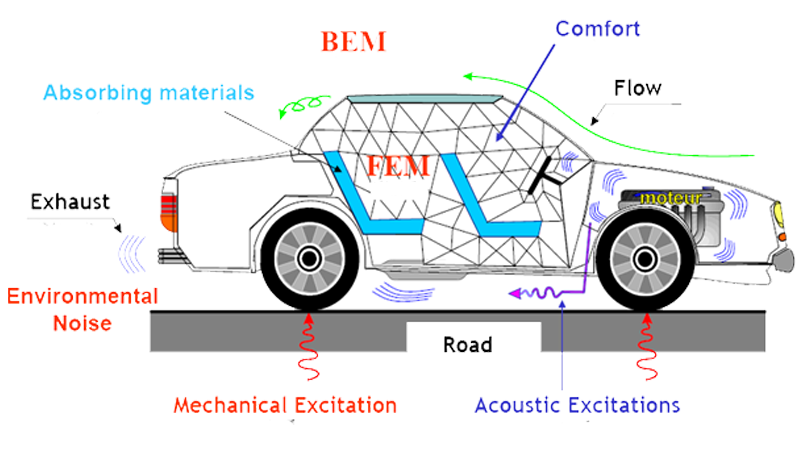
At its core, NVH foam is a specialized material used to manage and minimize the noise, vibration, and harshness inside vehicles. Whether it’s road noise, engine hum, or vibrations from the suspension system, NVH foam is designed to absorb or dampen these elements to create a quieter, smoother ride.
Why is NVH Important?
NVH is a key factor in vehicle performance. Noise can create distractions for the driver and passengers. Vibration can affect the structural integrity of the car over time. Harshness makes the driving experience uncomfortable, especially on long trips.
Controlling NVH not only improves the comfort of a vehicle but also contributes to its overall durability. This is why automakers are increasingly relying on materials like IXPP and cross-linked PE foam for effective NVH control.
Types of NVH Foam Materials in the Automotive Industry
There are several types of materials that automakers use to combat NVH, but foams are among the most effective. Let’s take a closer look at some of the key types, with a focus on IXPP foam and closed-cell polyethylene foam.
Polyurethane Foams
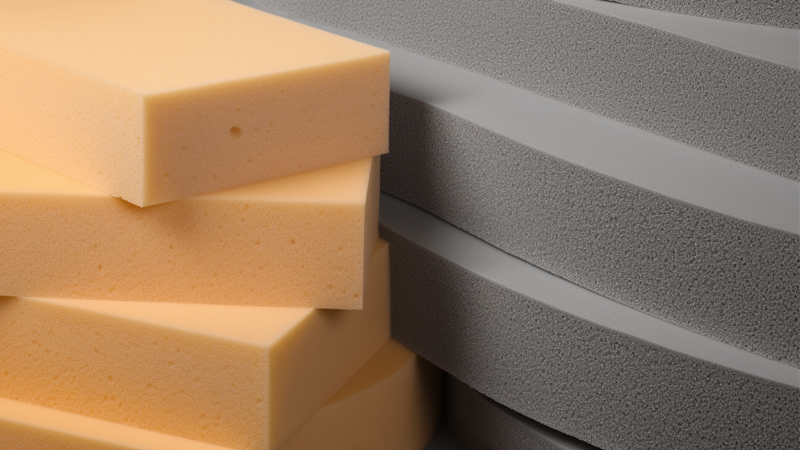
Traditional polyurethane foams have been used in NVH applications for decades. They are lightweight, versatile, and can be engineered to offer varying densities and properties.
However, polyurethane foams have limitations. They may not be as durable as other foams, especially in high-stress automotive environments. Plus, they can degrade over time when exposed to heat, moisture, or chemicals.
IXPP Foam (Cross-Linked Polypropylene)
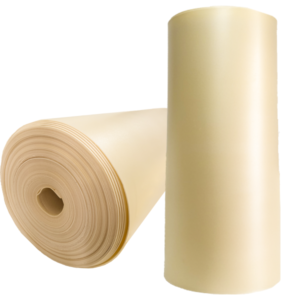
IXPP foam is a type of cross-linked polypropylene foam that’s quickly gaining popularity in the automotive industry. It stands out for its excellent vibration damping properties, light weight, and durability.
IXPP foam is produced through a process called cross-linking, which enhances the material’s strength, resilience, and heat resistance. This makes it ideal for automotive applications where parts are exposed to extreme temperatures and heavy use.
Why is IXPP Foam Great for NVH?
- Vibration Damping: IXPP foam is particularly effective at dampening vibrations, which is crucial for reducing noise and harshness. This makes it an ideal material for parts like door trims, headliners, and dashboards—areas where vibration reduction is key.
- Lightweight and Durable: IXPP foam is lightweight, which is a critical factor in the automotive industry as manufacturers aim to reduce vehicle weight for fuel efficiency and performance. But don’t let the light weight fool you—IXPP foam is incredibly durable and resistant to wear and tear.
- Heat Resistance: The cross-linking process gives IXPP foam high heat resistance. It can withstand high temperatures without losing its form, making it ideal for automotive parts that are exposed to engine heat or direct sunlight.
- Environmental Resistance: IXPP foam is resistant to moisture, UV rays, and chemicals, making it a great option for parts that need to stand up to the elements over time.
Closed-cell polyethylene foam
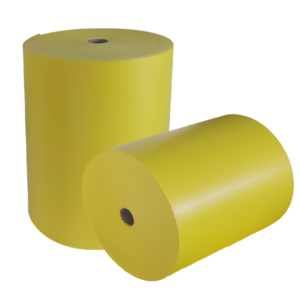
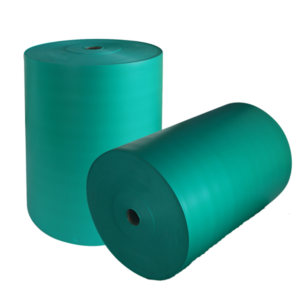
Another key player in NVH applications is closed-cell polyethylene foam, which is a type of polyethylene foam that has undergone a process called cross-linking, which improves its strength, resilience, and performance.
Unlike IXPP, which is derived from polypropylene, closed-cell polyethylene foam is made from polyethylene, a material known for its versatility and ease of processing. This makes it an attractive option for a wide range of automotive applications.
The two main closed-cell polyethylene foams are XPE and IXPE.
Why is closed cell polyethylene foam Ideal for NVH?
- Noise Absorption: closed cell polyethylene foam is excellent at absorbing sound waves. This is especially important for reducing road noise and engine hum inside the cabin, leading to a quieter and more comfortable ride.
- Thermal Insulation: In addition to noise absorption, closed-cell polyethylene foam offers excellent thermal insulation. This helps maintain a stable temperature inside the vehicle, making it more comfortable for passengers. It’s often used in HVAC systems, floor mats, and under the hood to control temperature.
- High Resilience: closed-cell polyethylene foam can withstand repeated compression and deformation without losing its shape. This makes it durable and long-lasting, even under constant use.
- Customizable: closed-cell polyethylene foam can be easily modified to meet specific needs. Whether it’s adjusting the density, thickness, or stiffness, manufacturers can tailor the foam to suit different automotive applications.
Advantages of Using IXPP and closed-cell polyethylene foam for NVH Control
Both IXPP and closed cell polyethylene foam offer several benefits over traditional materials like rubber, felt, or fiberglass. Let’s look at some of the key advantages.
1. Lightweight and Flexible
Both IXPP and closed cell polyethylene foam are lightweight materials, which is essential for the automotive industry. Automakers are constantly striving to reduce the overall weight of their vehicles to improve fuel efficiency and performance. These foams help achieve that goal without sacrificing strength or durability.
2. Durability and Longevity
Durability is a big selling point for both IXPP and closed-cell polyethylene foam. They are resistant to wear and tear, UV rays, and moisture, making them suitable for use in tough automotive environments. Whether it’s the interior or exterior of the car, these foams can withstand long-term use.
3. Thermal Insulation Capabilities
Both foams offer excellent thermal insulation properties, helping to maintain a comfortable interior temperature. Whether it’s hot or cold outside, these foams help to minimize temperature fluctuations within the cabin, providing a more enjoyable driving experience.
4. Customization and Versatility
Both IXPP and closed cell polyethylene foam are highly customizable. Manufacturers can adjust properties like density, thickness, and stiffness to meet specific requirements. This versatility makes them ideal for a wide range of automotive applications, from door panels to engine compartments.
5. Fire retardant
Both IXPP foam and closed-cell polyethylene foam can meet the automotive fire retardant standard FMVSS302.
Applications of IXPP and closed cell polyethylene foam in the Automotive Industry
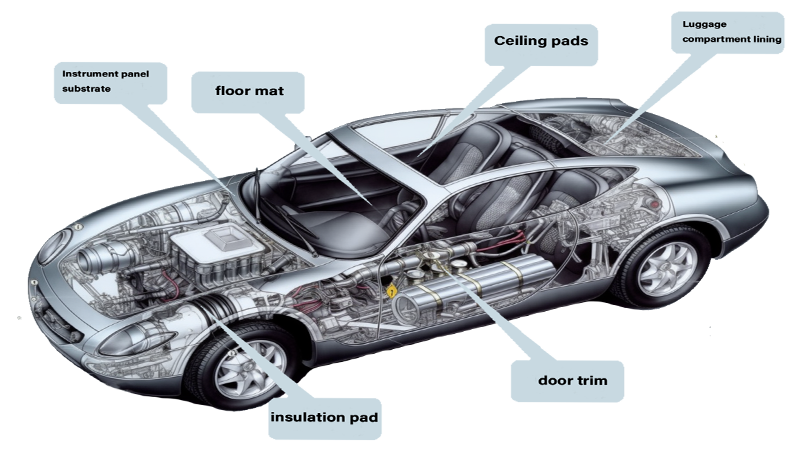
So where do IXPP and closed cell polyethylene foam fit into modern vehicles? Here are some common applications:
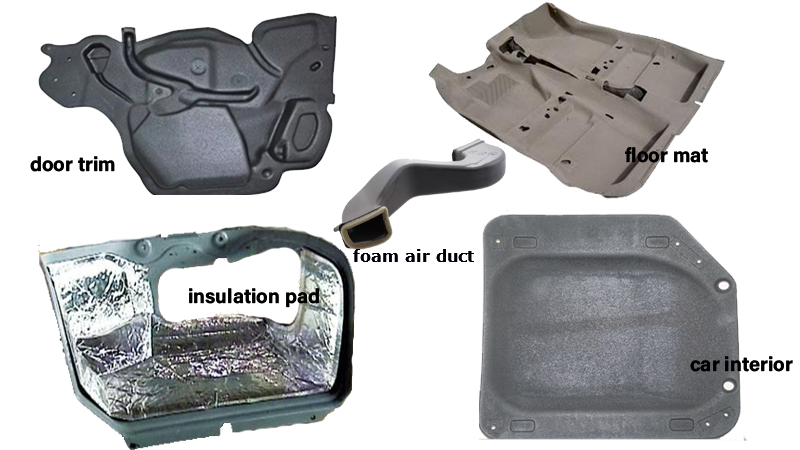
1. Door Trims and Panels
Both IXPP and closed cell polyethylene foam are widely used in door trims and panels. The foam helps to absorb vibrations and reduce road noise, making the cabin quieter and more comfortable. It also helps with insulation, keeping the vehicle cooler or warmer as needed.
2. Headliners and Dashboards
Headliners and dashboards are other key areas where NVH foam is used. IXPP foam, with its vibration-damping properties, is often used in these areas to minimize vibrations that can make the ride feel rough.
3. Floor Mats and Underbody Insulation
Closed cell polyethylene foam is used in floor mats and underbody insulation to absorb sound and reduce vibrations from the road. This not only improves comfort but also helps to protect the vehicle’s undercarriage from moisture and corrosion.
4. HVAC Systems
Closed-cell polyethylene foam is also used in HVAC systems to improve thermal insulation and noise reduction. It helps to prevent the air conditioning and heating systems from becoming noisy or inefficient, ensuring a more comfortable environment for the driver and passengers.
5. Air duct
Closed-cell polyethylene foam is an ideal material for automotive air ducts due to its excellent thermal insulation, noise reduction, and durability. Its lightweight, flexible nature allows for easy molding into complex shapes, while its resistance to moisture and chemicals ensures long-lasting performance in challenging automotive environments.
Why Choose IXPP and closed cell polyethylene foam Over Other Materials?
While many materials can be used for NVH control, IXPP, and closed cell polyethylene foamoffer several distinct advantages. Here’s why they stand out:
- Cost-Effectiveness: Both foams offer excellent performance at a lower cost compared to more traditional materials like rubber and fiberglass.
- Eco-Friendliness: Many manufacturers are seeking sustainable alternatives in their materials, and both IXPP and cross-linked PE foam are recyclable, making them an environmentally friendly option.
- Better Performance: Thanks to their durability, lightweight nature, and excellent insulation properties, these foams outperform many of their competitors when it comes to NVH control.
Conclusion
In the world of automotive manufacturing, comfort is king. And when it comes to improving comfort, controlling NVH is crucial. Both IXPP foam and closed cell polyethylene foam offer an effective and reliable solution for reducing noise, vibration, and harshness inside the vehicle.
FS FOAM has been focused on the foam industry for more than 10 years, Let us help you tailor the foam’s density, thickness, and other properties to your specific needs. We can help you identify the right material for the right application, ensuring optimal NVH control and vehicle performance.
FAQs
1. What is the difference between IXPP foam and closed cell polyethylene foam?
IXPP foam and cross-linked PE foam are both used for NVH control, but they are made from different materials. IXPP foam is derived from polypropylene and is known for its excellent vibration-damping properties, heat resistance, and durability. It’s often used in automotive door trims, dashboards, and headliners.
Closed cell polyethylene foam, on the other hand, is made from polyethylene and is known for its superior noise absorption, thermal insulation, and high resilience. It’s frequently used in applications like floor mats, HVAC systems, and underbody insulation.
While both are excellent for NVH applications, IXPP foam is typically better at handling vibration, while cross-linked PE foam excels at absorbing sound and providing thermal insulation.
2. How does IXPP foam help reduce vibration in cars?
IXPP foam is effective at reducing vibration because of its cross-linked structure, which improves its ability to dampen and absorb mechanical vibrations. This foam material is designed to absorb the high-frequency vibrations that occur in vehicles, such as those from the engine or suspension, preventing them from reaching the cabin and affecting the ride quality. As a result, it creates a quieter and more comfortable driving experience, especially in high-vibration areas like door trims and headliners.
3. Can cross-linked PE foam be used for thermal insulation in vehicles?
Yes, cross-linked PE foam is excellent for thermal insulation. Its closed-cell structure helps trap air, providing a barrier that reduces the transfer of heat. This makes it ideal for use in HVAC systems, floor mats, and engine compartments. The foam helps keep the vehicle interior cooler in the summer and warmer in the winter, improving comfort and reducing the load on the vehicle’s heating and cooling systems.
4. Are IXPP foam and closed cell polyethylene foam environmentally friendly?
Both IXPP foam and closed cell polyethylene foam have environmentally friendly properties. These materials are recyclable, meaning they can be repurposed at the end of their life cycle rather than ending up in a landfill. This makes them a more sustainable option compared to other materials like rubber and fiberglass, which may not be as easily recyclable. Additionally, both materials are durable, which means they last longer and need to be replaced less frequently, further reducing environmental impact.
5. How can I incorporate IXPP or closed cell polyethylene foam into my automotive designs?
Incorporating IXPP or closed cell polyethylene foam into automotive designs depends on your vehicle’s specific application and NVH control needs. If you’re looking to reduce vibration in areas like door panels or dashboards, IXPP foam would be an excellent choice. Cross-linked PE foam is ideal for noise absorption and thermal insulation in floor mats, underbody insulation, or HVAC systems.