The automotive world is constantly evolving, pushing the boundaries of what’s possible in terms of performance, safety, and sustainability. A new player in this arena? IXPP foam. It’s not just another material; it’s a game-changer, offering solutions that many didn’t even know they needed. So, what is IXPP foam, and why is it becoming so crucial in car manufacturing? Let’s dig deeper.
What is IXPP Foam?
IXPP foam also named Irradiated Cross-Linked Polypropylene foam, is like the unsung hero in the automotive world. It starts with polypropylene—a lightweight, robust plastic. But here’s where the magic happens. This material doesn’t just stay the same. It transforms. First, it’s mixed with foaming agents and additives. Then, the material is subjected to radiation, causing its molecular structure to reconfigure, creating a foam that’s not just stronger but also heat-resistant. This process is known as cross-linking, and it’s a big deal.
But it doesn’t stop there. After cross-linking, the foam is exposed to high temperatures, forming tiny sealed cells inside. These cells—almost like microscopic air pockets—are what give IXPP foam its insulating properties and shock-absorbing qualities. And here’s the kicker: this foam isn’t just functional; it’s eco-friendly, too. It’s made from low-emission materials, which helps reduce waste during production.
Key Features of IXPP Foam
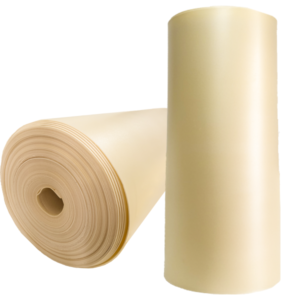
What makes IXPP foam stand out in a sea of other materials? Let’s break it down:
Thermal Properties
One of the best features of IXPP foam is its ability to handle high temperatures. It can withstand temperatures up to 120°C, and some versions can handle even higher temperatures. This makes IXPP foam perfect for places in the car that get hot, like the engine area or battery compartments.
The foam also has low thermal conductivity, which means it can keep heat in or out. This helps keep the car at a stable temperature, and for preventing overheating of sensitive parts.
Elasticity & Impact Resistance
Here’s another trick IXPP foam has up its sleeve: elasticity. It bounces back after compression—no crumpling or permanent dents. This makes it a superb material for shock absorption, protecting both the car and its passengers from the jarring impacts of bumps or vibrations on the road.
When you think about the wear and tear a car experiences—constant jolts, vibrations, and bumps—it’s clear why this foam is a crucial part of keeping everything intact.
Closed-Cell Structure
Now, let’s talk about those sealed cells. The foam’s closed-cell structure means that most of the cells are sealed off from each other. This is an important feature because it prevents the foam from absorbing water. It also makes the foam stronger and more durable. A closed-cell structure helps improve the foam’s ability to insulate and resist moisture.
In cars, where parts are exposed to water and humidity, this feature is especially useful. It helps ensure that the foam stays effective for a long time.
Chemical Resistance
Cars aren’t exactly clean. With exposure to oils, fuels, and all sorts of chemicals, materials need to stand up to these harsh conditions. IXPP foam does just that. Its resistance to chemicals boosts its lifespan and keeps it performing well, even in the most demanding automotive environments.
Environmental Benefits
Sustainability isn’t a buzzword—it’s a necessity. IXPP foam is eco-friendly, made with non-toxic materials and producing minimal emissions. It’s even recyclable, which means it can be reused, reducing the overall environmental footprint of car production.
Using IXPP foam isn’t just good for the vehicle; it’s good for the planet, too.
Processing & Handling
Here’s the kicker: IXPP foam is highly versatile. It’s easy to work with, whether you’re die-cutting it, thermoforming it, or processing it into complex shapes. It’s highly flexible and capable of stretching up to 1000% at room temperature and even more at higher temperatures. This adaptability makes it a go-to material for a variety of automotive applications.
Where Does IXPP Foam Fit into the Automotive World?
Thanks to its unique properties, IXPP foam isn’t just limited to one application. It’s everywhere, from the car’s interior to under-the-hood components. Let’s take a look at some key areas where it makes a difference:
1. Automotive Interior Parts

- Headliners: IXPP foam lines the ceiling of the car, helping absorb sound and vibration, making the cabin quieter and more comfortable.
- Side Trims: Whether in door panels or side trims, this foam helps reduce noise and enhances insulation, contributing to a smoother ride.
- Energy-Absorbing Pads: IXPP foam provides shock absorption in armrests, seat cushions, and other interior parts, adding comfort while improving safety.
The result? A quieter, more comfortable ride, with less noise and vibration disrupting the passenger experience.
2. High-Temperature Areas

Some car parts just can’t escape the heat. IXPP foam, however, can. It’s used in areas like:
- Sunshades: It helps reflect heat and insulate, protecting the car’s interior from the scorching sun.
- Dashboard Insulation: Keeps the dashboard from absorbing excessive heat, safeguarding sensitive electronics and improving the car’s longevity.
- Under-Hood Applications: IXPP foam insulates engine compartments, ensuring that sensitive parts stay cool, even under the hood.
In each case, it’s helping to extend the life of critical components by managing heat effectively.
3. Thermal Insulation for Batteries and Engines
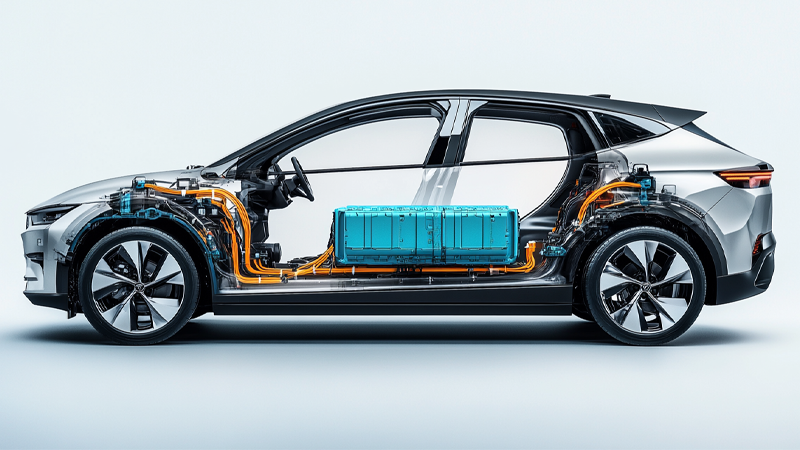
For electric vehicles, temperature control is paramount. IXPP foam helps maintain the optimal temperature for battery packs, preventing overheating and minimizing risks like fires or failure. It’s also used in engine compartments to insulate and maintain steady temperatures, helping both the engine and battery perform at their best.
The Tangible Benefits of IXPP Foam
Let’s recap why IXPP foam is such a valuable asset to the automotive industry:
1. Enhanced Safety
Flame-retardant properties? Check. Shock absorption? Check. IXPP foam plays a vital role in improving vehicle safety, reducing the risk of fire, and protecting both passengers and delicate components from damage.
2. Improved Vehicle Performance
Lightweight yet robust, IXPP foam helps reduce a vehicle’s weight, leading to better fuel efficiency and handling. Plus, it helps maintain the right temperature, ensuring peak performance and extending the lifespan of key parts.
3. Cost Efficiency
Although IXPP foam may seem expensive compared with XPE or IXPE foam, it helps save money in the long run. Its durability means that parts made from the foam last longer and don’t need to be replaced as often. The foam’s insulating properties also reduce the need for other materials, like extra soundproofing or heat protection, which cuts down on overall costs for manufacturers.
4. Sustainability
As the automotive industry moves toward greener practices, IXPP foam fits in perfectly. It is recyclable, and it helps improve fuel efficiency by reducing the weight of the car. This means that cars made with IXPP foam have a smaller carbon footprint and are more eco-friendly.
5. Design Flexibility
IXPP foam is easy to mold and shape into different parts, which allows manufacturers to create custom solutions for different vehicle designs. Whether it’s for comfort features like seats and armrests or protective applications like battery insulation, IXPP foam offers plenty of flexibility to meet design requirements.
Conclusion
IXPP foam is more than just a material—it’s a cornerstone of modern automotive manufacturing. Its unique blend of heat resistance, elasticity, chemical resistance, and sustainability makes it an essential component in creating safer, more efficient, and environmentally friendly vehicles.
As automakers continue to innovate and push for greener, more efficient solutions, IXPP foam will remain a key player, contributing to the future of automotive design in ways we’re only beginning to realize.
FAQs
1. What is IXPP foam and why is it used in the automotive industry?
IXPP foam, or Irradiated Cross-Linked Polypropylene foam, is a durable, heat-resistant material used in cars for insulation, shock absorption, and enhancing safety. It plays a critical role in improving vehicle performance and sustainability.
2. What are the main benefits of IXPP foam in vehicles?
IXPP foam provides enhanced safety, improved performance, chemical resistance, and sustainability. It’s lightweight, flame-retardant, and reduces the need for other materials like soundproofing.
3. How is IXPP foam made?
IXPP foam is made by mixing polypropylene with foaming agents and additives, then exposing the material to ionizing radiation. This process, known as cross-linking, strengthens the material and improves its heat resistance. After cross-linking, the foam undergoes high-temperature foaming to create a closed-cell structure, making it lightweight, durable, and a great insulator.
4. What are the common applications of IXPP foam in the automotive industry?
IXPP foam is used in car interiors (headliners, trims, cushions), high-temperature areas (engine insulation, sunshades), and for battery and engine thermal management, among other applications.
5. How does IXPP foam help with vehicle fuel efficiency?
By reducing vehicle weight, IXPP foam improves fuel efficiency. Its insulating properties also help maintain optimal engine and battery temperatures, contributing to better overall vehicle performance.