What is Underlayment?
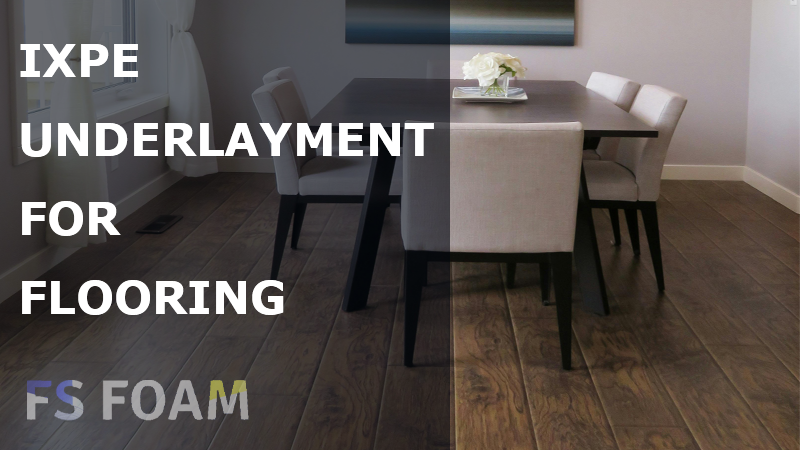
Underlayment is the hidden layer that sits between the subfloor and the top floor covering, such as vinyl, laminate, or hardwood. Though often overlooked, underlayment plays a vital role in the functionality and comfort of a flooring system. It not only provides additional support and insulation but also offers noise reduction and moisture protection. Think of underlayment as the cushion or “shock absorber” for your flooring—it enhances stability and comfort, making your floor more enjoyable to walk on.
Without a good underlayment, floors might feel harder underfoot, sound noisier, and wear out faster. It’s an essential part of high-quality flooring systems, especially in homes with multi-level floors or areas that experience a lot of foot traffic. Choosing the right underlayment can significantly impact the overall performance and longevity of the floor.
Why Underlayment is Important
The benefits of underlayment go beyond just adding an extra layer. Here’s why it’s so important:
- Stability: Underlayment adds structural stability, spreading weight evenly across the floor. This reduces wear, minimizing the stress on both the subfloor and floor covering. Over time, it helps prevent damage like cracking, denting, or sagging.
- Noise Reduction: Soundproofing is one of the most appreciated benefits of underlayment. It absorbs impact sound, making each footstep quieter. For those in multi-level homes or apartment buildings, this feature can be a game-changer, reducing noise between floors and rooms.
- Comfort: Imagine walking barefoot on a cold, hard floor. With underlayment, there’s a layer of cushioning that softens the surface. This makes walking more comfortable and can make a noticeable difference in areas like bedrooms or living rooms.
- Moisture Protection: Moisture is a common issue in flooring, especially in rooms like kitchens, bathrooms, or basements. Underlayment acts as a barrier, helping to prevent water from seeping into the subfloor or floor covering. This moisture protection can prevent mold and mildew buildup, keeping floors safer and extending their life.
- Thermal Insulation: Another unsung benefit of underlayment is insulation. By adding an extra layer, it helps maintain warmer floor temperatures, which is particularly beneficial in colder climates. This thermal insulation also aids in energy efficiency, potentially lowering heating costs.
What is IXPE?
IXPE stands for Irradiated Cross-Linked Polyethylene. It’s a high-quality foam material used widely in flooring underlayment applications. What makes IXPE unique is its closed-cell structure, which makes it lightweight yet incredibly durable. It’s known for its flexibility and moisture resistance, as well as its excellent soundproofing qualities. IXPE is commonly used in residential and commercial buildings for these reasons.
Unlike standard foam materials, IXPE undergoes a process called cross-linking, where its molecular structure is enhanced to increase durability, strength, and elasticity. This process helps IXPE maintain its shape under pressure, resisting compression over time. Its structure also gives it an edge in moisture resistance, making it an ideal choice for areas where spills or humidity might be an issue.
IXPE’s Advantages as Underlayment

Moisture Barrier
Moisture can damage flooring over time, causing issues like warping, buckling, and mold. IXPE’s closed-cell structure prevents water from penetrating, making it an effective moisture barrier. This feature is particularly valuable in rooms where moisture is common, such as kitchens, bathrooms, and basements.
By keeping water from seeping into the subfloor or floor covering, IXPE reduces the risk of water damage, mold, and mildew. This moisture barrier not only protects the flooring but also maintains a healthier indoor environment by preventing conditions that could lead to mold growth.
Superior Soundproofing
IXPE excels at soundproofing, a crucial feature in multi-level homes or busy commercial spaces. Its dense, fine structure absorbs impact sounds, making footsteps quieter. For those living in apartment buildings or shared housing, IXPE underlayment can greatly reduce noise transfer between floors, creating a more peaceful atmosphere.
In addition to impact noise, IXPE also reduces airborne sound, which means that loud noises in one room are less likely to be heard in another. This soundproofing feature is particularly beneficial in living spaces where quietness is a priority, such as bedrooms, nurseries, or offices.
Thermal Conductivity
IXPE is suitable for underfloor heating systems due to its thermal conductivity. It helps retain warmth, creating a more comfortable environment, especially during colder months. This ability to hold warmth makes IXPE a great option for living areas where a consistently warm floor is desirable.
For homes or buildings with underfloor heating, IXPE is an ideal match. Its thermal properties not only contribute to a cozy feel but also enhance energy efficiency, as the flooring retains heat for longer periods. This makes heating more economical, ultimately lowering energy costs.
Eco-Friendly
IXPE is both non-toxic and recyclable, which makes it a safe choice for environmentally-conscious homeowners. It produces low emissions and has no harmful chemicals, ensuring indoor air quality remains high. By choosing IXPE, homeowners are selecting a sustainable material that’s less impactful on the environment.
As more people prioritize eco-friendly building materials, IXPE stands out as a great option. It combines high performance with sustainability, making it an attractive choice for anyone looking to reduce their environmental footprint without sacrificing quality.
Easy Installation
IXPE is lightweight, flexible, and easy to cut, simplifying the installation process. It can be laid flat over various surfaces and adapts well to different room shapes and sizes. Whether it’s a DIY project or a professional installation, IXPE’s user-friendly qualities make it a convenient option.
Its ability to lie flat without curling or bunching also ensures a smooth installation. This helps prevent issues that could arise from uneven underlayments, such as lumps or shifting beneath the flooring. With IXPE, installation is straightforward and hassle-free.
IXPE Underlayment in SPC, LVT, and WPC Flooring Systems
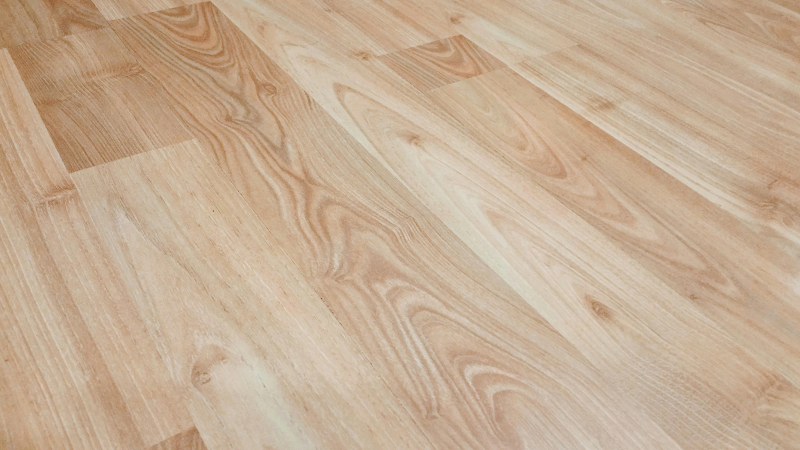
Understanding SPC, LVT, and WPC Flooring
- SPC Flooring (Stone Plastic Composite): SPC is known for its rigidity and durability, making it ideal for high-traffic areas. It’s water-resistant and highly stable, making it a popular choice for commercial spaces and busy households.
- LVT Flooring (Luxury Vinyl Tile): LVT offers flexibility and durability, replicating the look of natural materials like wood and stone. It’s softer and quieter underfoot compared to SPC, making it great for residential areas.
- WPC Flooring (Wood Plastic Composite): WPC combines wood pulp and plastic, creating a resilient and comfortable surface. It’s waterproof and slightly softer than SPC, making it ideal for homes and apartments.
How IXPE Complements Each Flooring Type
- SPC Flooring: IXPE underlayment provides soundproofing and cushioning, enhancing the comfort of SPC’s rigid structure. The moisture barrier also complements SPC’s water resistance, making it suitable for kitchens and bathrooms.
- LVT Flooring: With IXPE, LVT floors gain extra comfort and noise reduction, ideal for residential spaces where sound insulation matters. IXPE also offers a softer feel, which works well with LVT’s flexibility.
- WPC Flooring: IXPE underlayment enhances WPC’s natural comfort by adding moisture protection and thermal insulation. This combination is especially beneficial in living rooms and bedrooms, creating a warm, quiet, and comfortable environment.
How to Install IXPE Underlayment
Prepare the Subfloor
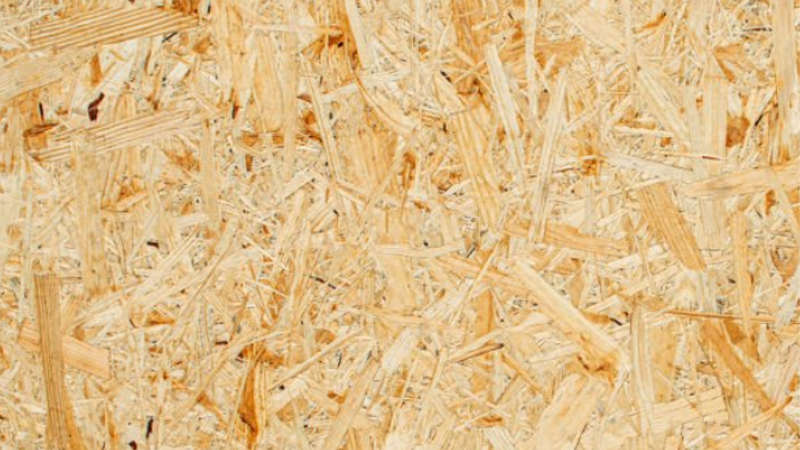
Before installing IXPE underlayment, it’s essential to prepare the subfloor. Ensure that the surface is clean, dry, and free from any debris or small objects. This will help the underlayment lay flat, preventing bumps or uneven surfaces.
Roll Out the IXPE Underlayment
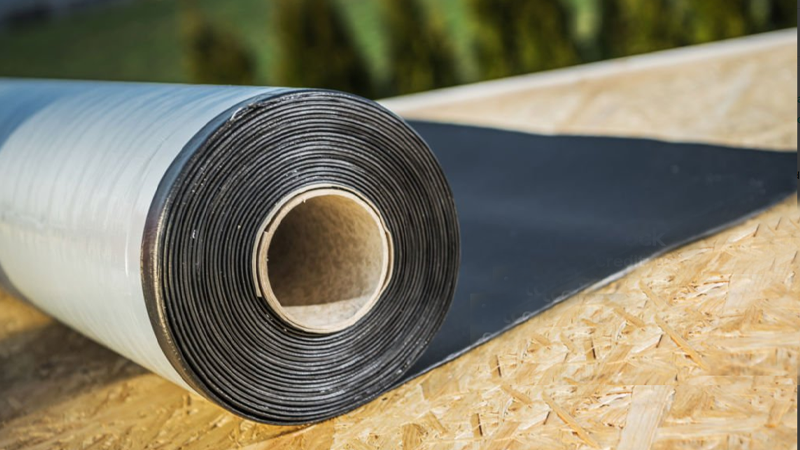
Start by rolling out the underlayment along one wall. Carefully ensure it lays flat without curling or wrinkling. Avoid overlapping the edges onto the walls, as this can cause unevenness.
Lay Down Consecutive Rolls
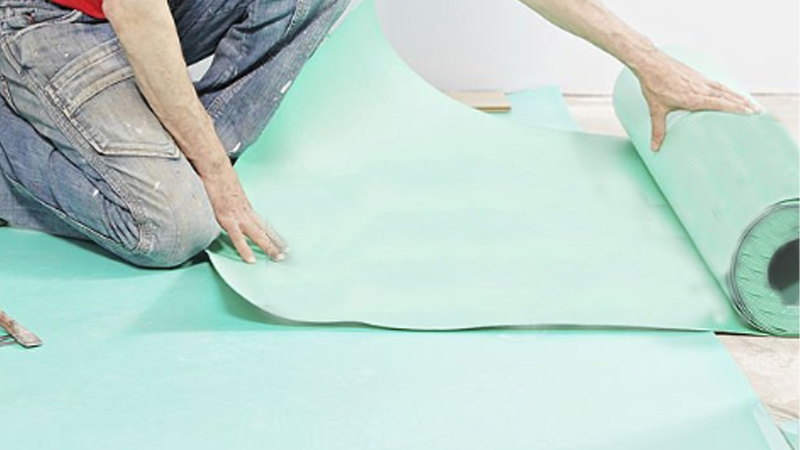
Place them edge-to-edge with the previous one without overlapping when adding additional rolls. This alignment creates a smooth, even surface for the entire floor, ensuring that the underlayment won’t shift or bunch up after installation.
Seal Seams with Tape
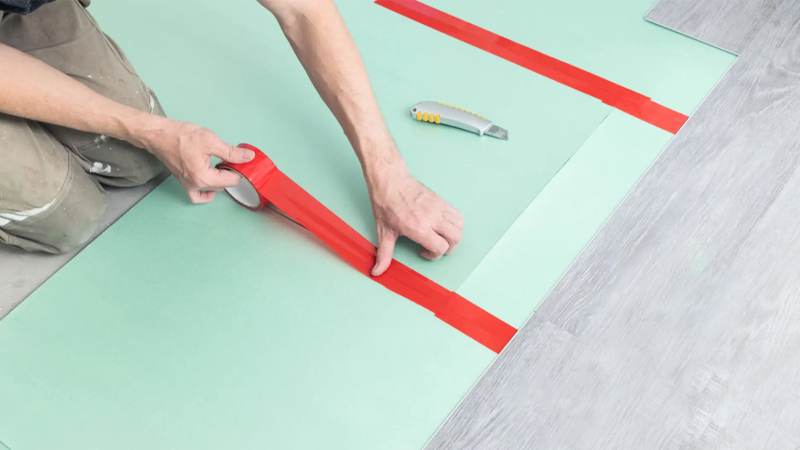
To keep the underlayment in place and prevent any shifting, use underlayment tape to seal the seams. This step also helps create a continuous moisture barrier, improving the floor’s resistance to water damage.
Install the Flooring Over the Underlayment
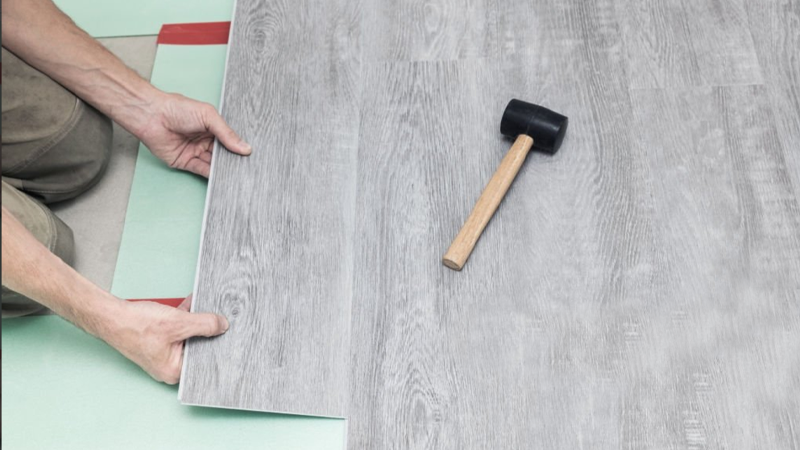
With the IXPE underlayment, you’re now ready to install your flooring. The installation is easy and you just need around one day for that.
Conclusion
IXPE underlayment is a valuable addition to any flooring system, offering a combination of comfort, durability, and protection. It enhances the performance of
popular flooring types like SPC, LVT, and WPC by adding soundproofing, moisture resistance, and insulation. With its easy installation, eco-friendly attributes, and long-lasting quality, IXPE underlayment is a smart investment for creating a high-quality, resilient floor.
FAQs
1. What is IXPE underlayment?
IXPE underlayment is a high-quality, cross-linked polyethylene foam placed beneath flooring to add cushioning, moisture protection, and soundproofing. It’s designed to enhance the comfort and durability of your floor.
2. What is IXPE material?
IXPE, or Irradiated Cross-Linked Polyethylene, is a durable closed-cell foam known for its moisture resistance, soundproofing, and eco-friendly properties. It’s lightweight and flexible, making it ideal for flooring applications.
3. Is IXPE a moisture barrier?
Yes, IXPE’s closed-cell structure makes it an effective moisture barrier. It prevents water from penetrating, protecting floors from potential water damage and mold growth.
4. Is IXPE foam safe?
IXPE foam is non-toxic, recyclable, and has low emissions, making it safe for indoor environments. Its eco-friendly qualities make it a good choice for health-conscious and environmentally-conscious users.
5. How does IXPE compare to other underlayment materials?
IXPE offers superior moisture resistance, soundproofing, and insulation compared to many other options, making it one of the top choices for modern flooring systems.