
When I first started camping, I grossly underestimated the importance of a sleeping pad. I figured my sleeping bag and a patch of grass would suffice. Big mistake. I spent a sleepless night battling the cold seeping through the ground and the discomfort of uneven terrain. That’s when I learned: a sleeping pad isn’t a luxury—it’s a necessity.
Over the years, I’ve tested countless sleeping pads on camping trips ranging from rugged backcountry treks to casual car camping weekends. In this guide, I’ll share my hard-earned knowledge to help you find the perfect sleeping pad for your adventures.
What is a Sleeping Pad?
A sleeping pad is your best friend when camping. It’s a lightweight mat that cushions your body from the ground while providing insulation to keep you warm. Without it, even the best sleeping bag can’t protect you from the chill of the earth.
On one of my earliest camping trips, I underestimated the importance of insulation. I skipped the sleeping pad entirely, thinking my sleeping bag alone would suffice. I was freezing despite my thick bag by the middle of the night. The ground was so cold it felt like it was pulling the warmth straight out of me. After that sleepless night, I invested in a foam sleeping pad and never looked back.
Why is Quality Sleep Important in Camping?

A restful night under the stars isn’t just a matter of comfort—it’s your body’s lifeline to recovery. After long days spent hiking rugged trails, scaling cliffs, or wandering through uncharted terrain, your muscles crave restoration, and your mind needs a reset. Missing out on quality sleep and even the thrill of adventure can morph into a grueling test of endurance.
I learned this lesson on a three-day trip with a group of friends. One of them brought a cheap inflatable pad that deflated by the middle of the first night. He woke up stiff and cold and struggled to keep up with the group the next day. Meanwhile, I was using a foam sleeping mat. Despite the rocky campsite, I slept soundly and had the energy to enjoy the trip fully. That experience made me realize how much a reliable sleeping pad can influence your overall experience.
Challenges of Sleeping Outdoors
- Uneven Ground: Rocks and roots can make lying down a painful experience.
- Cold Temperatures: The ground absorbs your body heat, leaving you shivering.
- Noise: Wind, rustling leaves, and animal sounds can keep you awake.
A good sleeping pad addresses all these issues, making it one of the most essential pieces of gear you’ll pack.
Popular Types of Sleeping Mats
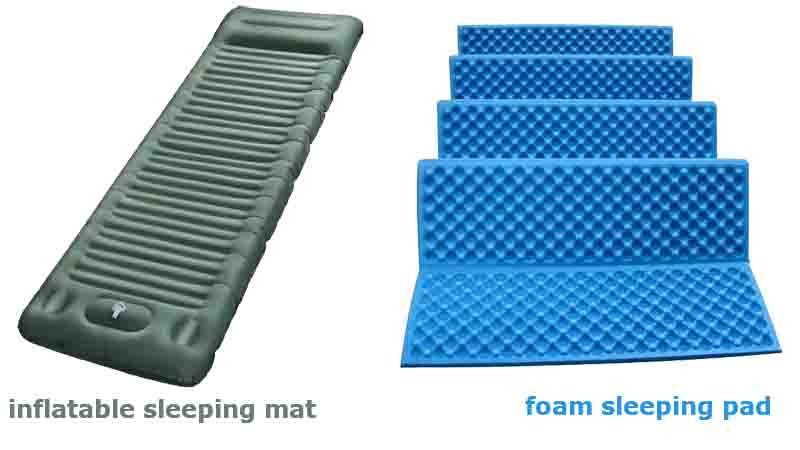
Sleeping pads come in two main types: inflatable sleeping mats and foam sleeping pads. Each type has strengths and weaknesses; your choice will depend on your camping style, budget, and comfort preferences. Both have their advantages and disadvantages, but foam sleeping mats consistently stand out for their reliability and ease of use.
Inflatable Sleeping Pads
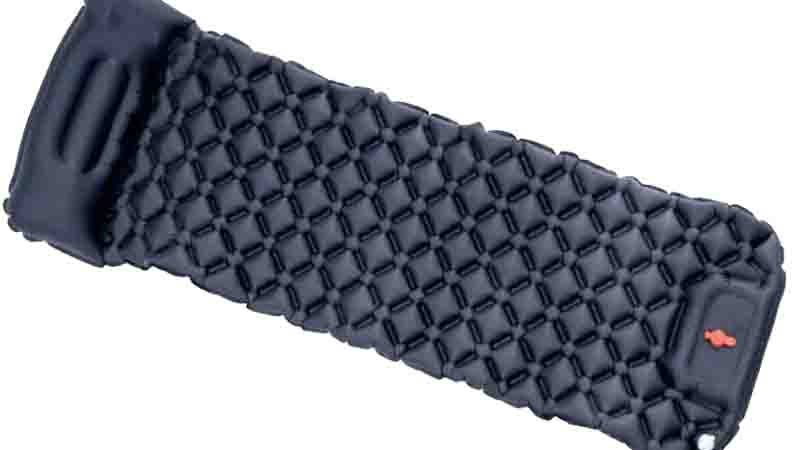
Inflatable sleeping pads offer customizable comfort and pack down smaller than foam mats. However, they’re more delicate and require careful handling.
On one trip, a fellow camper brought an inflatable mat. The pad was compact and comfortable when fully inflated, but on the second night, a small tear left him sleeping on the hard ground. Watching him patch the leak in the middle of the night made me appreciate the simplicity of my foam mat.
Key Features
- Customizable Firmness: Inflate to your desired level of comfort.
- Compact Storage: Packs down small for easy transport.
- Lightweight Materials: Great for ultralight backpacking.
Disadvantages
- Prone to Damage: Punctures can leave you without a usable pad.
- More Expensive: Inflatable mats often cost more than foam options.
- Requires Inflation: After a long day, manually inflating a pad can be exhausting.
Foam Sleeping Pads

Foam sleeping mats are made from durable, closed-cell foam(XPE foam). They’re lightweight, long-lasting, and ready to use without any setup. I’ve relied on foam mats for years, especially in situations where durability is critical.
During one particularly rainy trip, my campsite became a mud pit. My foam pad was soaked on the surface but still provided excellent insulation and didn’t lose any functionality. If I had been using an inflatable mat, it likely would have been slippery and harder to manage in those conditions.
Key Features
- Instant Setup: No inflation required—just unroll and go.
- Rugged Durability: Can handle sharp rocks, rough ground, and heavy use.
- All-Weather Performance: Works well in rain, snow, or heat without losing effectiveness.
- Lightweight Design: Easy to carry, even for long backpacking trips.
The Therm-a-Rest Z-Lite Sol is my go-to for ultralight backpacking trips. I appreciated its low weight and rugged design. It handled rocky campsites with ease, and I didn’t have to worry about punctures.
Advantages
- Reliable Performance: Foam pads are immune to punctures, making them ideal for rough terrains. I’ve dragged my foam pad over sharp rocks and roots, and it still holds up like new.
- Affordable: Foam mats are budget-friendly, offering excellent value for beginner and experienced campers alike.
- Easy Maintenance: Unlike inflatable mats, foam pads require no repairs or special care. I once used mine as a seat cushion during lunch breaks, and it held up perfectly without any wear.
- Versatile: Foam mats can double as a sitting mat or gear cushion during the day.
Disadvantages
- Less Comfortable: If you’re a side sleeper like me, the firmness can be a downside.
- Fixed Thickness: What you see is what you get—no adjusting for more cushion.
Foam vs. Inflatable Sleeping Pads: A Comparison
Feature |
Foam Pads |
Inflatable Pads |
|---|---|---|
|
Comfort
|
Moderate, but supportive
|
Plush and adjustable
|
|
Durability
|
Extremely durable
|
Prone to punctures
|
|
Weight
|
Lightweight
|
Ultra-light
|
|
Setup
|
Instant
|
Requires inflation
|
|
Insulation
|
Reliable, even when wet
|
Higher R-values available
|
|
Cost
|
Affordable
|
Expensive
|
How to Choose the Right Sleeping Pad
Choosing the perfect sleeping pad means balancing comfort, weight, durability, and your budget. Here’s what to consider:
1. Budget
The foam sleeping mat is more cost-effective compared with the inflatable sleeping mat. So, if you are on a tight budget, foam sleeping mat might be your priority.
2. R-Value (Insulation)
The R-value measures how well a pad insulates you from the ground. Inflatable sleeping mats have a higher R-value than foam sleeping mats, so if you go camping in very cold weather, better to use the inflatable one. If the weather is not that cold, a foam sleeping pad should be enough to keep you warm. I used a mat with an R-value of 5.7 and stayed warm despite sub-zero temperatures. For summer camping, a lower R-value (1-3) will suffice.
3. Weight
Foam mats are lightweight but take up more space. If you prioritize durability over compact storage, foam is the way to go.
4. Durability
If you camp in rough terrains, foam pads are unbeatable. I’ve used the same foam mat for years without worrying about punctures or tears.
5. Camping Style
For car camping, I always bring the most comfortable inflatable pad I own. For minimalist backpacking, foam pads are my choice because of their weight and reliability.
Conclusion

A good sleeping pad is the foundation of a restful night outdoors. Whether you prefer the no-nonsense reliability of a foam pad or the luxurious comfort of an inflatable one, the right choice will elevate your camping experience.
Think about your needs: Is weight a priority? Do you camp in cold weather? Are you on a tight budget? By answering these questions, you’ll find a pad that suits your style.
For me, the perfect sleeping pad depends on the trip. For rugged backpacking, my foam pad never fails. For car camping, I’ll always reach for my trusty inflatable mat. Whichever you choose, one thing’s for sure: a good night’s sleep in the wild makes every adventure better.
So, what’s your pick? The rugged simplicity of foam or the adjustable luxury of inflatable?
FS Foam is a closed cell foam sleeping pad supplier in China; we have more than 10 years of experience in this industry. If you want to expand your foam sleeping mat business, we would love to help.
FAQs
1. What are the main advantages of foam sleeping mats compared to other types of pads?
Foam sleeping mats are the champions of durability, simplicity, and reliability. Unlike inflatable pads that can fall victim to punctures or leaks, foam mats stand tough, making them perfect for rugged terrains where reliability is non-negotiable. No inflation, no setup—just unroll and you’re ready to rest. Their lightweight design and budget-friendly price tag make them ideal for beginners, frugal adventurers, or anyone who values practicality over plushness.
2. How do I store my foam sleeping mat to maintain its durability?
Foam sleeping mats require little maintenance, but proper storage can keep them in peak condition for years. For best results, store them flat or loosely rolled in a dry, cool space. Steer clear of stacking heavy items on top, as prolonged compression can reduce the foam’s effectiveness over time.
3. What is an R-value, and why is it important for a sleeping pad?
An R-value is a magic number that determines how well a sleeping pad can resist heat loss to the ground. The higher the R-value, the better the insulation. For cold-weather camping, an R-value above 4 is a must to keep the chill at bay. Foam mats typically offer moderate R-values but excel as part of a layered system when paired with an inflatable pad for extra warmth during extreme conditions.
4. Are foam sleeping mats comfortable for side sleepers?
While foam sleeping mats are firm and supportive, side sleepers might find them less forgiving compared to inflatable options. Thicker foam mats can provide extra cushioning, and for added comfort, you can layer a foam mat with a softer inflatable pad to create a cozier setup. This approach balances durability with the plushness side sleepers often prefer.
5. Can I use a foam sleeping mat for other purposes?
Absolutely! Foam sleeping mats are the Swiss Army knife of camping gear. Use them as a seat for mid-hike breaks, a protective base for delicate equipment, or even an impromptu yoga mat at camp. Their versatility and toughness make them an invaluable tool for any outdoor enthusiast looking to maximize their gear’s utility.