Introduction
Pipe insulation might not be the first thing on your mind when you think about home improvement or industrial maintenance. But if you’ve ever felt the chill of a frozen pipe or watched your energy bills climb higher than they should, you know its importance. Insulating pipes properly is a game-changer, offering everything from energy efficiency to protecting against the elements. Yet, the question remains—how do you choose the right pipe insulation thickness? Too thick and you’re wasting resources; too thin and you’re not getting the full benefit. This article will guide you through determining the ideal insulation thickness, ensuring you strike that perfect balance for your needs.
Understanding Pipe Insulation
Before diving into the nitty-gritty of thickness, let’s take a moment to understand what pipe insulation is and why it’s essential.
What is Pipe Insulation?
Pipe insulation refers to the material wrapped around pipes to help maintain their temperature, whether it’s keeping heat in or preventing cold from freezing them. The insulation acts as a barrier between the pipe and the outside environment, minimizing heat transfer and protecting pipes from extreme weather.
Different Types of Insulation Materials
Several materials are available for pipe insulation, each with unique properties and benefits. Let’s take a look at the most common types:
- Foam Insulation: XPE foam is Lightweight and cost-effective, it provides excellent thermal resistance. It’s widely used for cold and hot water pipes.
- Fiberglass Insulation: More durable and fire-resistant, fiberglass is often used for high-temperature applications, like steam pipes.
- Rubber Insulation: Flexible and moisture-resistant, rubber is commonly used in both residential and commercial setups.
- Mineral Wool Insulation: Ideal for high-temperature systems, mineral wool is fire-resistant and offers good thermal protection.
Benefits of Pipe Insulation
Now, why does it matter? Well, pipe insulation offers a long list of benefits that make it a must for many homeowners and businesses:
- Energy Efficiency: Proper insulation keeps the heat where you want it and minimizes heat loss, leading to reduced energy consumption and lower utility bills.
- Cost Savings: Insulating your pipes can save you from costly repairs. For example, preventing frozen pipes is far cheaper than replacing them after they burst.
- Condensation Prevention: Insulation helps keep condensation from forming on cold pipes, preventing mold growth and damage to your property.
- Noise Reduction: Insulation can also dampen noise from running water, making your home or workspace quieter and more comfortable.
Factors Affecting Pipe Insulation Thickness
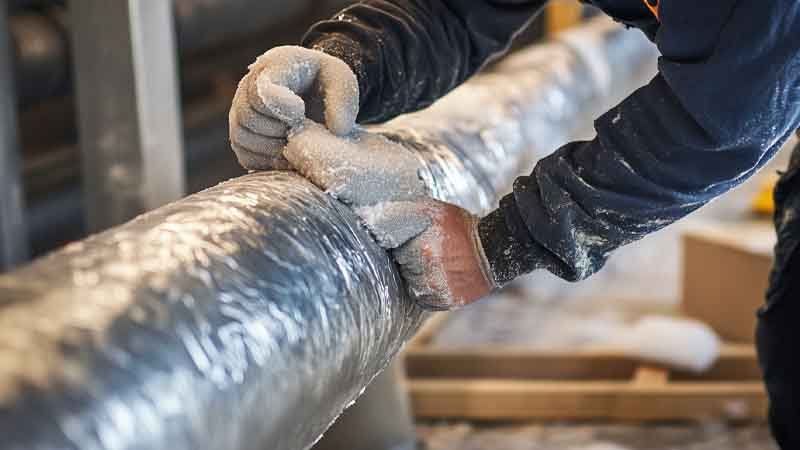
Choosing the right insulation thickness isn’t always as simple as “more is better.” Several factors come into play, each influencing the thickness you need.
Pipe Material
The type of pipe material you’re working with plays a significant role in determining the required insulation thickness. Copper, for example, conducts heat more effectively than PVC, so you might need a thicker layer of insulation for copper pipes to achieve the same level of energy efficiency.
Steel pipes may require a different thickness compared to plastic pipes, as they handle temperature fluctuations differently. And if you’re dealing with pipes that carry hot water, you’ll need a different approach than for cold water pipes.
Temperature Requirements
The surrounding temperature affects how much insulation is needed. In cold climates, for example, you’ll need to insulate your pipes thicker to prevent them from freezing. On the other hand, hot pipes, like those running hot water through your home, need insulation to reduce heat loss, which also saves energy.
Energy Efficiency Goals
Your insulation thickness should align with your energy efficiency goals. If you’re aiming for substantial energy savings, investing in a thicker insulation layer can make a significant difference. However, if the pipes are in a relatively mild environment and energy efficiency isn’t a major concern, a thinner layer may suffice.
Location of the Pipes
Where your pipes are located—inside or outside—also affects insulation thickness. Pipes exposed to external elements, like those running through attics, basements, or crawl spaces, will need more insulation than those inside the walls of heated spaces. Outdoor pipes are more vulnerable to temperature extremes and need thicker insulation to protect them from freezing.
Building Code Requirements
It’s important not to overlook local building codes when determining insulation thickness. Many jurisdictions have specific guidelines for pipe insulation in various areas, especially when it comes to freezing protection. Ignoring these codes can lead to unnecessary fines or future complications. Make sure to check your local regulations to ensure compliance.
How to Calculate the Correct Insulation Thickness
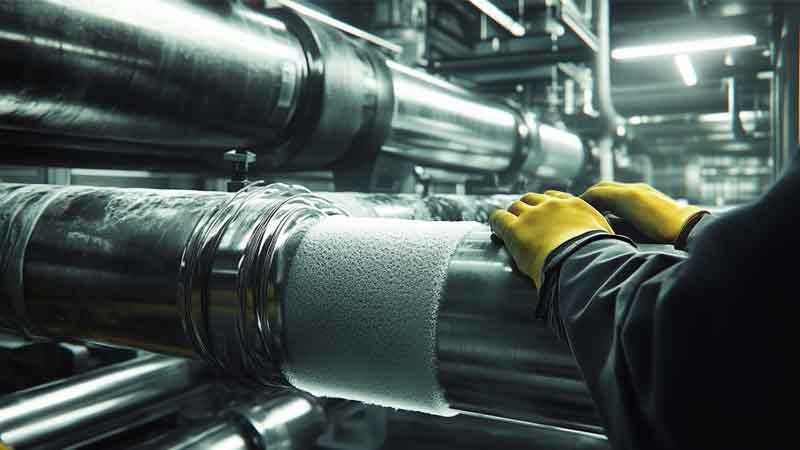
Okay, now for the fun part—calculating the thickness! While there are specific formulas and guidelines, keep in mind that the required insulation thickness will vary depending on the factors mentioned above.
Step-by-Step Guide
- Determine the Pipe Size: Measure the outer diameter of the pipe that needs insulation. This will be the starting point for determining thickness.
- Assess the Temperature Conditions: Are you insulating pipes in freezing temperatures, or is it to prevent heat loss? This affects the insulation’s R-value (thermal resistance).
- Consider the Insulation Material: Different materials have different thermal resistance properties. For example, fiberglass has a higher R-value than foam, so you may need less thickness with fiberglass.
- Consult Industry Standards: Based on the pipe size, material, and location, consult industry charts or insulation guides that specify thickness ranges. The charts are usually based on typical energy efficiency and freeze protection needs.
- Adjust for Local Climate: In colder climates, you’ll likely need thicker insulation than in temperate zones. If you’re unsure, it’s always a good idea to err on the side of caution.
Example Scenarios
- Freezing Prevention (cold climates): For exposed copper pipes in a region where winter temperatures can drop below freezing, a minimum of 1-inch thick insulation is usually recommended.
- Energy Savings (hot water pipes in warm climates): For indoor hot water pipes, you may only need ½-inch thick insulation to reduce heat loss efficiently.
Types of Insulation Materials and Their Thicknesses
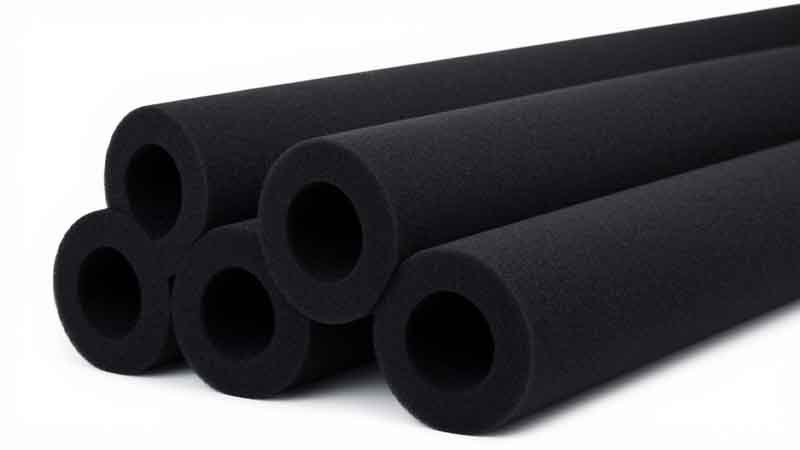
The material you choose for pipe insulation impacts the thickness needed. Here’s a breakdown of common materials and their recommended thicknesses:
Fiberglass Insulation
Fiberglass is a top choice for high-temperature pipes, providing excellent thermal resistance. For hot water pipes, you might use 1-2 inches of fiberglass insulation, while for colder pipes, you might need up to 3 inches.
Polyethylene Foam Insulation
Polyethylene foam is a cost-effective, easy-to-install option for residential use. It typically requires ½ to 1-inch thickness for most standard applications, such as cold water pipes.
Rubber Insulation
Rubber insulation is highly flexible and resistant to moisture, making it an excellent choice for both cold and hot water pipes. Depending on the application, 1 to 1.5 inches of rubber insulation will generally do the trick.
Mineral Wool Insulation
Mineral wool is ideal for pipes exposed to very high temperatures. For pipes carrying steam or other hot liquids, 1-2 inches of mineral wool insulation will ensure they stay at the desired temperature.
Common Mistakes to Avoid When Choosing Insulation Thickness
Choosing the right insulation thickness isn’t always straightforward. Here are some common pitfalls to avoid:
- Over- or Under-Insulating: Too much insulation leads to wasted materials and costs. Too little, and you won’t achieve the desired temperature protection. Always base your decision on proper calculations and guidelines.
- Ignoring Building Codes: Local regulations exist for a reason—don’t ignore them! They can affect everything from energy efficiency to safety.
- Failing to Account for Long-Term Savings: Short-term savings may seem appealing, but if you skimp on insulation, you’ll be paying higher energy bills in the future.
- Choosing the Wrong Material: Not all insulation materials are suitable for every climate or pipe type. Make sure you choose a material that suits your specific needs.
When to Seek Professional Advice
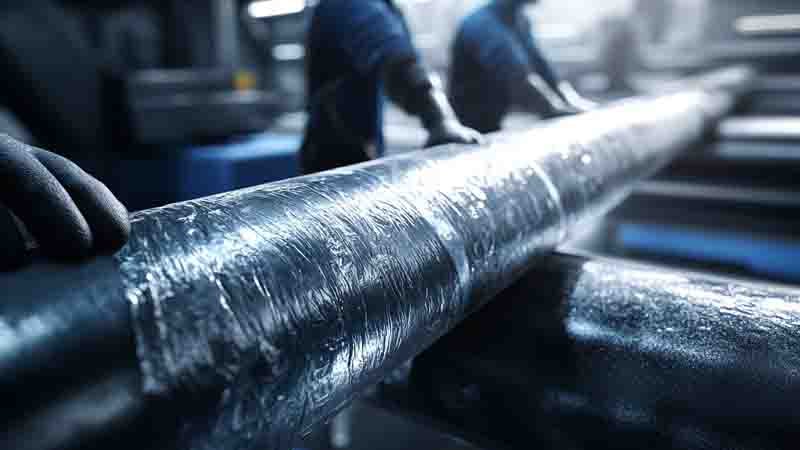
Sometimes, you might need a professional’s help to determine the right insulation thickness. If your pipes are in hard-to-reach places, exposed to extreme conditions, or part of a larger complex system, it’s worth seeking expert advice. A professional can help you navigate building codes, select the best materials, and ensure your insulation will work effectively for years.
Conclusion
Choosing the right pipe insulation thickness isn’t just about slapping a layer of foam or fiberglass around your pipes. It’s about considering factors like pipe material, temperature conditions, energy efficiency goals, and location. By following the guidelines in this article, you’ll be well on your way to making an informed decision that ensures maximum protection and efficiency. And if you’re unsure, don’t hesitate to seek professional guidance to ensure your pipes are insulated the right way.
Call to Action: Ready to get started? Whether you’re insulating for the winter or trying to cut down on energy costs, our team is here to help. Reach out to us today for expert advice or to purchase high-quality pipe insulation.
FAQs
Why is pipe insulation important?
Pipe insulation helps maintain the temperature of the water inside pipes, preventing heat loss in hot water pipes and freezing in cold water pipes. It also improves energy efficiency, reduces condensation, prevents pipe bursts, and lowers utility bills by minimizing the need for excessive heating or cooling.
What factors affect pipe insulation thickness?
Pipe insulation thickness depends on factors like pipe material (copper, PVC, etc.), temperature conditions (cold or hot), energy efficiency goals, the location of the pipes (indoor or outdoor), and local building codes. Each factor influences the insulation’s effectiveness and the material needed for optimal protection.
How do I calculate the required insulation thickness?
To calculate insulation thickness, measure the pipe diameter, assess the surrounding temperature (freezing or heat loss concerns), and consider the insulation material. Industry charts provide typical thickness ranges based on pipe type, temperature, and location. For complex needs, consulting an expert ensures accuracy and compliance with building codes.
Can I use any insulation material for all pipes?
Not all insulation materials suit every pipe type. For example, rubber insulation is ideal for both hot and cold water pipes, while fiberglass is better for high-temperature applications. Each material has specific properties, like flexibility, moisture resistance, and heat resistance, making some more appropriate than others for certain pipes.
When should I consult a professional for pipe insulation?
Consult a professional if your pipes are in complex or hard-to-reach areas, exposed to extreme temperatures, or part of a larger, intricate system. Experts help ensure the correct insulation thickness, comply with building codes, and select suitable materials for maximum energy efficiency, preventing costly mistakes down the road.