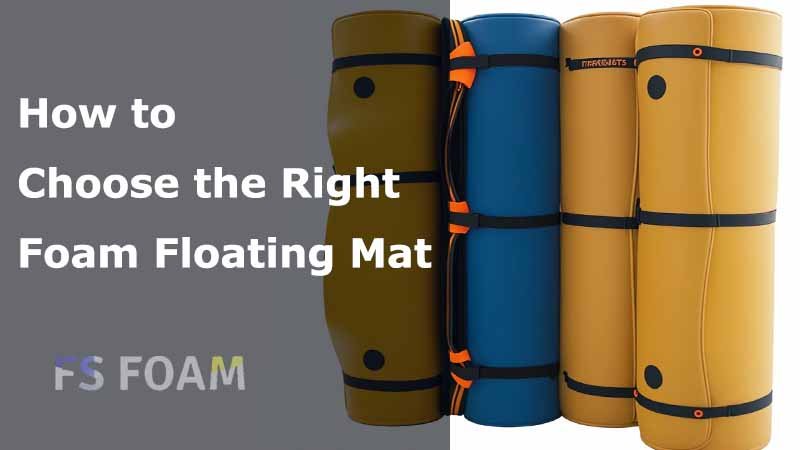
Floating mats have surged in popularity, and for good reason. Whether you’re soaking up the sun on a lazy afternoon at the lake or hosting a weekend pool party, these water mats provide a fun and comfortable way to relax and unwind. But with so many options on the market, how do you choose the perfect foam floating mat for your needs? That’s where we come in.
In this article, we’ll guide you through the essential details to help you select the right floating mat for your lake or pool, by exploring the different types of foam, the benefits of using a foam floating mat, and the key factors to consider before making your purchase.
What is a Foam Floating Mat?
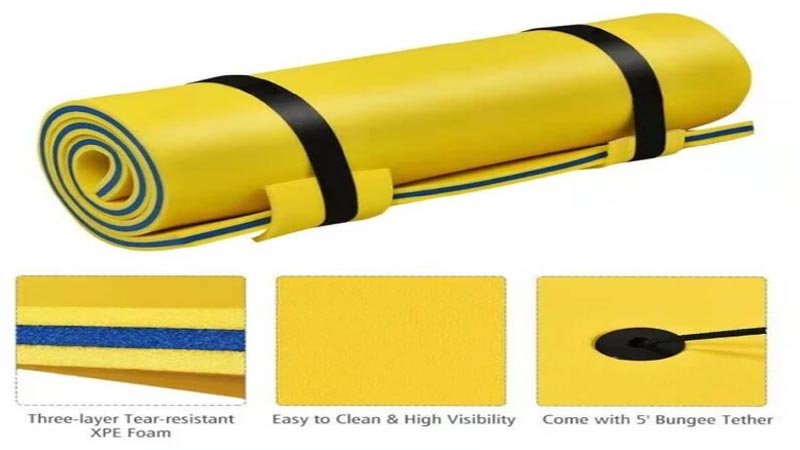
A foam floating mat is essentially a large, buoyant surface designed to provide a comfortable, stable platform for lounging, playing, or even practicing water sports. Unlike inflatable mats, which can be prone to punctures and air leakage, foam mats are made of durable foam materials that offer more consistent performance in the water. These mats come in various sizes and thicknesses, often featuring multiple foam layers bonded together and encased in a durable outer coating for additional protection.
The unique foam structure makes them resilient, offering a soft but supportive surface on water. Foam floating mats are commonly used at lakes, pools, and other bodies of water, serving as a platform for everything from casual lounging to active water games.
What Are the Benefits of Using a Foam Floating Mat?
When it comes to enjoying time on the water, there’s no denying the numerous advantages of using a foam floating mat. But let’s break it down.
1. Comfort
The surface of a foam floating mat is soft yet supportive, which makes it an ideal resting place when you’re out on the water. Unlike hard, slippery pool surfaces or rocky lake bottoms, foam mats provide an inviting place to relax. Whether you’re lying back, doing yoga, or just soaking in the view, foam mats offer the kind of comfort you can’t get from many other floating platforms.
2. Buoyancy
Perhaps the most important feature of any floating mat is its buoyancy. A foam mat allows you to float effortlessly, no matter your size or weight. Thanks to the buoyant properties of high-quality foam like closed-cell XLPE, these mats support you even when you’re stretched out across their surface. The foam’s density ensures that it remains buoyant throughout extended use, making them the ideal solution for water activities that demand stability.
3. Durability
Foam floating mats are incredibly durable compared to inflatable alternatives. With proper care, they can last for many seasons without losing their shape or buoyant properties. Whether you’re using the mat on rough lake waters or relaxing in a calm pool, you can count on foam mats to remain intact and fully functional, unlike inflatable mats which are vulnerable to punctures and wear over time.
4. Safety
Safety is another major selling point. Foam mats often come with built-in non-slip features that prevent you from sliding off when the mat is wet. Additionally, the soft foam minimizes the risk of injury if you happen to fall. Whether you’re jumping onto the mat from the poolside or stepping off a boat into the lake, foam mats provide a stable and safe environment.
5. Convenience
One of the biggest draws of foam mats is their portability. Unlike inflatable mats, which require inflation and deflation before and after use, foam mats are ready to go as soon as you unroll them. They’re lightweight, easy to carry, and roll up into a compact size for storage. When you’re ready for fun in the sun, just unroll, and you’re set!
What Types of Foam Floating Mats Are Available?
Now that we’ve covered the benefits of foam mats, let’s dive into the different types of foam materials used in these mats. The foam type you choose can have a significant impact on the mat’s performance, durability, and comfort level.
1. Open-Cell Foam
Open-cell foam is a softer, more flexible option compared to closed-cell foam. Commonly made from materials like polyurethane, this type of foam allows water to permeate the mat, making it less buoyant than its closed-cell counterpart.
Pros:
- Lightweight: Open-cell foam is easier to carry around and store.
- Comfortable: The foam is softer and more flexible, offering a plush feel when lying on it.
- Budget-friendly: Open-cell mats are typically cheaper than their closed-cell counterparts.
Cons:
- Absorbs Water: One of the major drawbacks is that open-cell foam soaks up water, causing it to become heavy and lose buoyancy over time.
- Less Durable: It tends to break down more quickly, especially under UV exposure and prolonged use in water.
2. Closed-Cell Foam
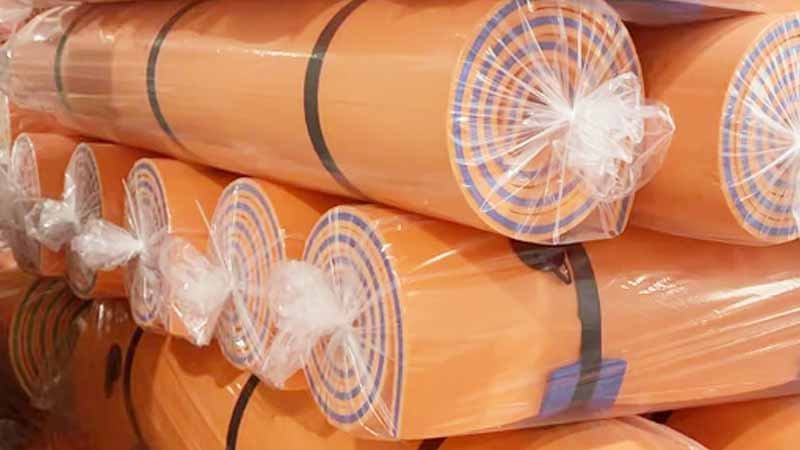
Closed-cell foam, such as Cross-Linked Polyethylene (XLPE), is a more durable and buoyant option. The foam’s structure prevents water from being absorbed, keeping it lightweight and buoyant even after extended exposure to water.
Pros:
- Waterproof: The sealed structure of closed-cell foam ensures that it won’t absorb water, keeping the mat light and buoyant.
- Durable: These mats last much longer than open-cell options and are resistant to UV damage, punctures, and compression.
- Retains Shape: Closed-cell foam doesn’t lose its structure over time, maintaining its buoyancy and comfort.
Cons:
- Heavier: Closed-cell foam is denser, making the mats a bit heavier than open-cell mats.
- More Expensive: The durability and performance of closed-cell foam come with a higher price tag.
XLPE foam vs Polyurethane foam, which one is better?
We now introduce the main two kinds of foam floating mats, XLPE foam water mats, and Polyurethane foam water mats, below is a detailed comparison of both of them.
| Feature | XLPE Foam Floating Mat | Polyurethane Foam Floating Mat |
|---|---|---|
| Material Type | Closed-cell foam (Cross-linked Polyethylene) | Open-cell foam (Polyurethane) |
| Water Resistance | Waterproof, does not absorb water | UV-resistant maintains performance longer |
| Durability | Highly durable, resistant to UV rays, retains shape | Less durable, prone to compression and wear over time |
| Comfort | Firm yet comfortable, provides good buoyancy | Soft, flexible, more comfortable but less supportive |
| Weight | Heavier due to denser structure | Lighter, easier to carry and store |
| Buoyancy | Excellent, provides stable flotation | Good, but may lose buoyancy over time due to water absorption |
| UV Resistance | Easier to maintain cleans quickly, resists mold | UV exposure may cause degradation and color fading |
| Price | More expensive, higher investment | Budget-friendly, less costly |
| Maintenance | Easier to maintain, cleans quickly, resists mold | Requires more maintenance, absorbs water and dirt |
| Ideal Usage | Ideal for long-term use, lakes, and pool activities | Best for short-term, light recreational use in controlled environments |
| Storage | Rolls up, can be bulky when stored | Easier to store, more compact when rolled up |
How to Choose the Right Foam Floating Mat for Your Lake or Pool?
Now that we’ve covered the various foam options available, let’s explore how to choose the right mat for your needs.
1. Size and Thickness
When selecting a floating mat, think about the number of users and how much space you want. Larger mats can accommodate more people but may be more difficult to transport and store. Thicker mats offer better buoyancy and comfort but may also be heavier. It’s a matter of balancing comfort and practicality.
2. Weight Capacity
Not all foam mats are created equal in terms of weight support. Higher-quality materials like XLPE foam tend to offer better weight capacity. Ensure that the mat you choose can support the number of people who will be using it at once.
3. Durability and Material
Consider how often you plan to use the mat and in what conditions. If you’re looking for a long-lasting option, closed-cell foam like XLPE is a good investment. It’s more expensive upfront, but its longevity and performance make it worth the cost.
4. Comfort and Non-Slip Features
The surface texture of the foam is important for comfort and safety. Softer foams, like EVA or XLPE, provide a comfortable lounging experience, while non-slip textures prevent accidents. If you plan to use the mat for active water sports, non-slip properties are especially important.
5. Portability and Storage
If you need a mat that’s easy to store and transport, look for one that rolls up neatly and comes with carrying handles. Mats made of lighter materials like open-cell foam may be easier to manage but at the cost of durability.
6. Price and Value
It’s tempting to go for a cheaper option but keep in mind that a quality foam mat is an investment. Don’t compromise on durability and comfort just to save a few bucks. Remember, a high-quality mat like an XLPE foam mat will offer years of reliable service.
What Mistakes Should You Avoid When Using a Floating Mat?

To ensure the longevity of your foam floating mat and maximize your enjoyment, here are some common mistakes to avoid:
- Not Protecting from UV Damage: Don’t leave your mat exposed to direct sunlight for prolonged periods. UV rays can degrade the foam over time.
- Incorrect Storage: Always store the mat properly—rolling it up and securing it is essential to prevent creases or damage.
- Overloading the Mat: Pay attention to the weight limit to avoid unnecessary wear or potential damage.
- Using Harsh Chemicals: Avoid using harsh cleaning products that can break down the foam material.
- Ignoring Manufacturer Guidelines: Each mat comes with care instructions—following them will help maintain the mat’s performance.
Conclusion
Choosing the right foam floating mat depends on factors like comfort, durability, and convenience. Whether you prefer the lightweight flexibility of open-cell foam or the durable, waterproof qualities of closed-cell foam like XLPE, always consider your specific needs. Investing in a high-quality mat ensures longevity, safety, and optimal performance for all your lake or pool activities.
FS Foam has been specializing in XLPE foam floating mat manufacturing for over 10 years. Feel free to contact us for assistance with your floating mat projects.
FAQs
How long does a foam floating mat last?
The lifespan of a foam floating mat depends on its material and care. High-quality closed-cell mats like XLPE can last for several years, while open-cell mats may degrade faster, especially with regular exposure to water and sunlight.
Can I leave my foam floating mat in the water all the time?
It’s not recommended to leave foam mats in the water constantly, as prolonged exposure to UV rays and chemicals can cause degradation. Always store your mat properly after use to extend its lifespan.
How do I clean my foam floating mat?
Clean your foam mat with mild soap and water. Avoid harsh chemicals or abrasive scrubbers that could damage the material. Let the mat air dry completely before storing it to prevent mold or mildew growth.
Can I use a foam floating mat for both lake and pool activities?
Yes, foam floating mats are versatile and can be used in both lakes and pools. However, materials like XLPE are better suited for lakes due to their resistance to UV damage, while open-cell mats may perform better in pools where water quality is more controlled.
What is the best foam for a floating mat: open-cell or closed-cell?
Closed-cell foam, such as XLPE, is the best option for floating mats due to its durability, waterproof nature, and resistance to UV damage. It maintains its shape better and offers greater support, though it may be heavier and more expensive than open-cell foam.