Introduction
When it comes to choosing the right material to insulate pipes, the decision is more important than it might seem at first. The material you choose can have a big impact on the performance of your plumbing system. It can help keep your pipes from freezing, improve energy efficiency, and even reduce noise. In this guide, we’ll dive into the different types of pipe insulation, how they work, and how to choose the right one for your needs.
What is Pipe Insulation?
Pipe insulation is a protective covering that wraps around pipes to reduce heat loss or gain. It helps to keep the temperature of the water inside the pipes stable, which can save energy and protect pipes from freezing in cold weather. Insulation also prevents condensation from forming on pipes, reducing the risk of water damage and mold growth. It is a simple but effective solution that can make a big difference in both residential and commercial systems.
Why Pipe Insulation is Important?
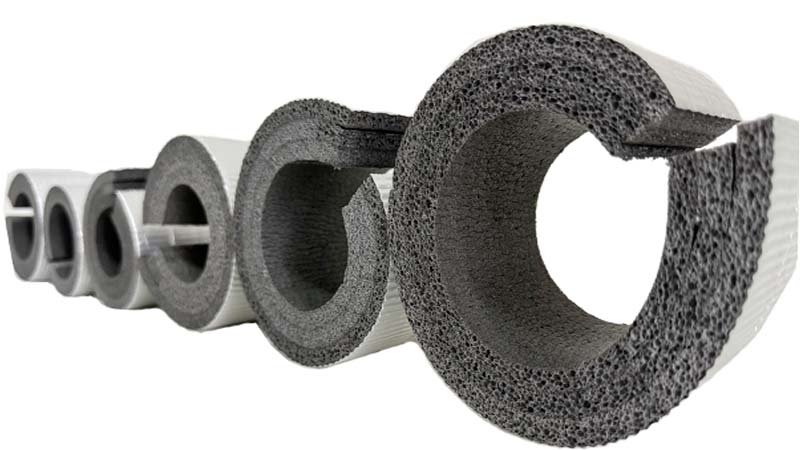
Pipe insulation isn’t just a luxury—it’s a necessity in many cases. Here’s why:
- Energy Efficiency: Insulating pipes keep the water inside at the right temperature. This reduces the need for heating or cooling, saving you money on energy bills.
- Protection from Freezing and Condensation: In colder climates, pipes that aren’t insulated can freeze, which can cause them to burst and lead to expensive repairs. Insulation helps to prevent freezing. It also helps reduce condensation in warmer areas, which can prevent rust and mold.
- Cost Savings and Environmental Benefits: By using less energy to heat or cool your water, insulation reduces your energy consumption. This not only lowers your bills but also helps protect the environment by reducing your carbon footprint.
What Materials Are Widely Used in Pipe Insulation?
There are a variety of materials available for pipe insulation, and each has its own benefits. Some of the most commonly used materials are:
- XLPE Foam (Cross-linked Polyethylene): This material offers excellent thermal resistance and is durable, flexible, and resistant to water absorption.
- Rubber Foam: Known for its flexibility and durability, rubber foam works well for both hot and cold pipes.
- Fiberglass: A more traditional option, fiberglass is great for high-temperature applications but can be hard to handle.
- Mineral Wool: Fire-resistant and durable in high temperatures, mineral wool is used in industrial settings but is heavier than foam options.
- Polyethylene (PE): Affordable and easy to install, PE is commonly used for cold water pipes.
- Polyurethane Foam: A high-performance material used for refrigeration and HVAC systems due to its excellent insulating properties.
Common Materials Comparison (Pros and Cons)
When choosing pipe insulation, it’s important to consider the pros and cons of each material. Here’s a breakdown:
| Material | Pros | Cons | Best For |
|---|---|---|---|
| XLPE Foam | Excellent thermal resistance, water-resistant, durable, flexible | More expensive than other options | General-use insulation, especially in humid areas |
| Rubber Foam | Flexible, durable, resistant to aging, works for hot and cold pipes | Higher cost than basic foam materials | High-performance systems needing flexibility |
| Fiberglass | High heat resistance, affordable | Can irritate skin, hard to install, not water-resistant | High-temperature or industrial applications |
| Mineral Wool | Fire-resistant, great for extreme temperatures | Brittle, heavier, difficult to install | Fire-prone areas, industrial or HVAC systems |
| Polyethylene (PE) | Not as durable, and not effective for hot pipes | Not as durable, not effective for hot pipes | Basic insulation for cold water pipes |
| Polyurethane Foam | Excellent thermal performance, lightweight, great for refrigeration | Breaks down over time, not suitable for harsh conditions | Refrigeration or HVAC systems requiring high thermal performance |
Each material has a specific set of benefits, so you should choose based on your particular needs—whether it’s durability, thermal performance, or cost.
What Are the Benefits of Using Pipe Insulation?
There are many advantages to insulating your pipes:
- Energy Savings: Insulation helps maintain the temperature of the water inside the pipes, so your heating or cooling system doesn’t have to work as hard. This results in lower energy bills.
- Noise Reduction: If you’ve ever noticed the noise from water rushing through pipes, insulation can help muffle that sound, making your home or business quieter.
- Safety and Longevity: Pipe insulation helps protect your pipes from damage caused by extreme temperatures. It also reduces the risk of leaks or breaks, which can result in costly repairs and replacements.
- Fire and Condensation Protection: Some types of insulation, such as fiberglass and mineral wool, are fire-resistant. Closed-cell foams like XLPE also help reduce condensation, preventing the growth of mold and mildew.
What Are the Standard Sizes for Pipe Insulation?
To make sure your insulation fits properly, it’s important to know the standard sizes. Here’s a handy table of typical pipe diameters and the corresponding insulation thickness:
| Pipe Diameter (Inches) | Insulation Thickness (Inches) | Common Applications |
|---|---|---|
| 1/2 inch | 1/2 inch to 1 inch | Small pipes, water lines, residential systems |
| 3/4 inch | 1/2 inch to 1 inch | Household plumbing, smaller HVAC systems |
| 1 inch | 1 inch to 1 1/2 inches | Residential and commercial plumbing systems |
| 1 1/2 inches | 1 inch to 2 inches | Industrial pipes, large HVAC, and refrigeration systems |
| 2 inches | 1 1/2 inches to 2 inches | Industrial pipes, large HVAC and refrigeration systems |
| 3 inches | 2 inches to 2 1/2 inches | Industrial applications, large-scale HVAC systems |
| 4 inches and above | 2 1/2 inches to 4 inches | High-capacity plumbing, industrial applications, and large pipes |
Choosing the right size is crucial for ensuring that your pipes stay properly insulated, which will help maintain their temperature and reduce energy costs.
How to Choose the Pipe Insulation Material?
The best material for your pipes depends on several factors:
- Pipe Type: Some materials, like rubber foam and XLPE foam, are more flexible and easier to install around curved or irregularly shaped pipes. Fiberglass, on the other hand, is often used for straight pipes.
- Temperature Requirements: If you need insulation for hot water pipes, you’ll want a material that can handle high temperatures, like rubber foam or fiberglass. For cold water pipes, polyethylene and XLPE foam work well.
- Environment: In areas where humidity is high, you’ll want a closed-cell material like XLPE foam to prevent moisture absorption. For colder climates, thicker insulation is needed to prevent freezing.
- Budget: While premium materials like XLPE and rubber foam offer excellent performance, they come at a higher cost. If you’re looking for a more budget-friendly option, polyethylene or fiberglass may be more suitable.
What Are the Benefits of Using XLPE Foam Pipe Insulation?
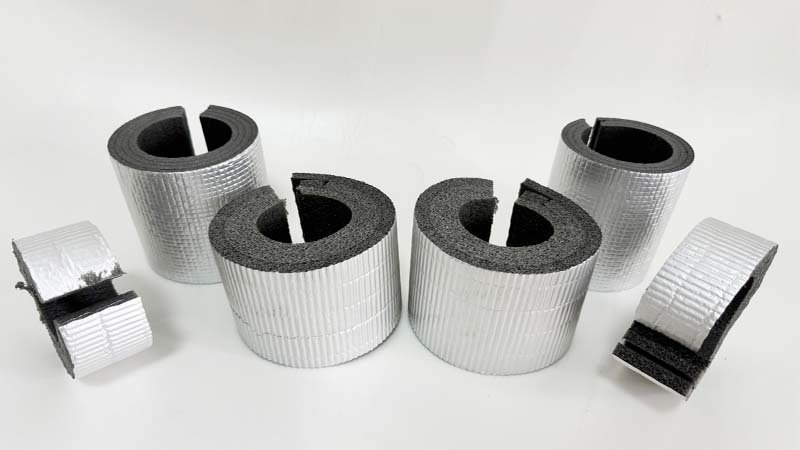
XLPE foam is one of the top choices for pipe insulation, and it has several key advantages:
- Superior Thermal Resistance: XLPE foam offers excellent heat retention, which helps keep your water at the right temperature, reducing the energy needed to heat or cool the water.
- Closed-Cell Structure: This makes XLPE foam resistant to moisture, which helps prevent rust, mold, and mildew from forming. It also ensures that the insulation maintains its performance over time.
- Durability and Flexibility: XLPE foam is strong and flexible, making it easy to install around various types of pipes. It’s also durable, ensuring long-term protection.
- Eco-Friendly and Non-Toxic: If you’re looking for a more environmentally friendly option, XLPE foam is a great choice. It’s non-toxic and recyclable, helping to reduce its impact on the environment.
How to Maintain Pipe Insulation?
To ensure your pipe insulation lasts and continues to perform well, regular maintenance is essential:
- Inspection: Regularly check the insulation for any signs of wear and tear, such as cracking, moisture buildup, or mold growth. Identifying issues early can help avoid larger problems in the future.
- Cleaning: Keeping your insulation clean is important, especially in areas where dust or dirt may accumulate. This ensures the insulation continues to work as efficiently as possible.
- Repairs and Replacements: If your insulation gets damaged, repair or replace it immediately. Damaged insulation can lead to heat loss, increased energy bills, and potential damage to your pipes.
Conclusion
Choosing the right pipe insulation material is an important decision that affects your energy bills, the safety of your pipes, and your overall system efficiency. Whether you’re insulating pipes in a
residential home, an industrial setting, or a commercial building, it’s crucial to consider the type of material, its performance, and its suitability for your needs. By understanding the benefits and drawbacks of each material, you can make an informed decision that helps protect your system and save money in the long run.
FAQs
What is the most energy-efficient pipe insulation material?
XLPE foam and rubber foam are the most energy-efficient because they offer superior thermal resistance.
Can pipe insulation prevent pipes from freezing?
Yes, materials like XLPE foam and rubber foam are designed to prevent freezing by maintaining the temperature inside the pipes.
How long does pipe insulation last?
With proper maintenance, pipe insulation can last for 20 years or more.
Is XLPE foam pipe insulation environmentally friendly?
Yes, XLPE foam is eco-friendly, recyclable, and non-toxic, making it a great choice for sustainable projects.
Can I install pipe insulation myself?
Yes, many types of foam-based insulation, like XLPE foam, are easy to install yourself with simple tools.