As a mother of two, I know how important it is to create a safe, comfortable, and stimulating environment for our little ones, especially during their early years.
One of the most essential items in our home has been the baby mat. It’s become a must-have, not just for safety, but for the developmental support it provides.
Choosing the right baby mat can be overwhelming whether you’re a new parent or already experienced.
With so many options on the market, how do you know which is right for your baby and home? Let’s break it down together.
What is a Baby Mat?
At its core, a baby mat is a padded surface designed for babies to play, explore, and develop in a safe, comfortable environment. Think of it as the ultimate play area, offering not just comfort, but protection from hard floors, sharp edges, and cold surfaces.
Key purposes of a baby mat:
- Safety: Baby mats cushion falls, softening the blow when your little one takes their first tumbles. This is particularly important as babies begin to crawl, roll over, or sit up. Without a mat, these early adventures can lead to bruises or bumps.
- Developmental Support: These mats aren’t just about safety; they also serve a developmental role. During tummy time, babies start building the strength they need for later milestones like crawling, sitting, and walking. A well-designed baby mat supports those efforts by providing a soft, safe space for your child to develop motor skills.
- Convenience: For us parents, convenience is key. Baby mats are portable, lightweight, and easy to clean, which makes them perfect for home use or trips to visit family and friends. A quick wipe-down, and they’re good to go!
Why Baby Mats Are Popular?
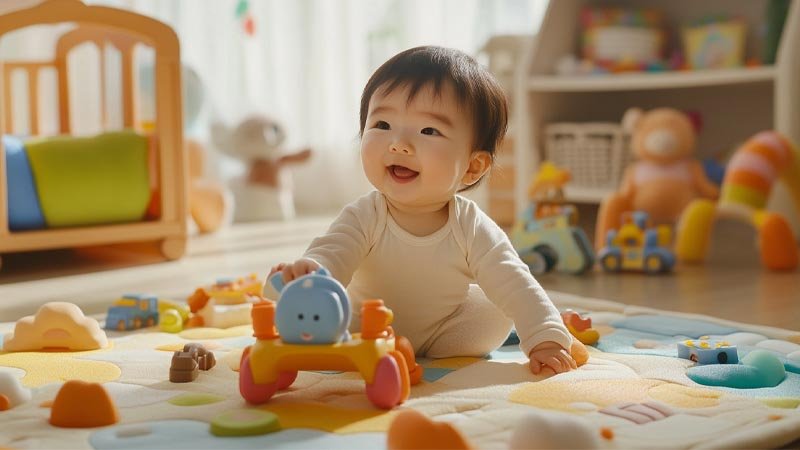
If you’ve noticed that baby mats have skyrocketed in popularity recently, you’re not imagining things. These mats aren’t just a trend—they’ve become a parenting essential.
Growing demand for baby mats
As more parents look for ways to protect their babies from hard floors and create stimulating environments for development, baby mats have surged in popularity. They’ve evolved beyond just a play surface; now, they often come with vibrant colors, shapes, and textures designed to engage and stimulate babies.
How baby mats help in child development
Developmental experts recommend tummy time for infants, and baby mats offer the perfect space for this activity. Tummy time helps strengthen neck, shoulder, and back muscles, which are essential for sitting up, crawling, and walking. Additionally, many mats include interactive designs—think bright colors, animal shapes, and textures—that stimulate your baby’s cognitive and sensory development.
Convenience and safety for parents
Let’s face it—parenting can be hectic. Baby mats save you the stress of worrying about whether your little one is safe while they explore their environment. Whether you’re in the living room, a friend’s house, or even outside, a baby mat provides a clean, safe, and cushioned spot for your baby to play.
The role of baby mats in modern parenting trends
In today’s world of modern parenting, baby mats reflect the shift toward prioritizing both child safety and convenience for parents. With the rise of minimalistic, functional home decor, baby mats have seamlessly integrated into homes as both a safety feature and an aesthetic addition. Plus, with eco-conscious parents becoming more mindful of materials and sustainability, choosing a baby mat made from non-toxic, eco-friendly materials is now a key factor in decision-making.
The Benefits of Using a Baby Mat?
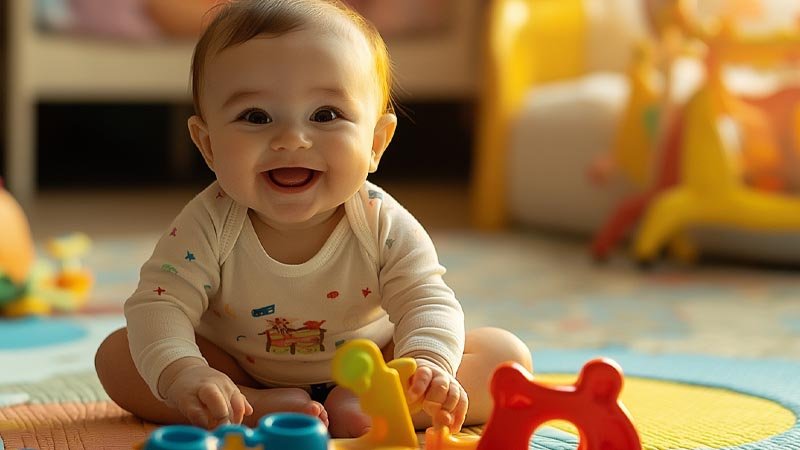
There’s more to a baby mat than just providing a soft place for your baby to play. Let me tell you why baby mats have become an essential part of every parent’s toolkit.
Safety and protection from hard floors
We all know that babies are bound to take a tumble. Hard floors, no matter how clean, are risky for a baby learning to sit up or crawl. A baby mat provides that extra layer of protection, helping to soften falls and keep your baby safe from sharp edges or cold, hard surfaces.
Cognitive and motor skills development
A baby mat isn’t just a surface—it’s a platform for growth. As your baby spends time on the mat, they’ll begin to develop motor skills like rolling, crawling, and sitting up. Many mats also feature fun, engaging designs and textures that encourage sensory development and curiosity.
Comfortable play area
I’ll never forget the first time I saw my baby on a mat, giggling as she played. Baby mats create a comfortable space for babies to engage in play, tummy time, and exploration. They’re soft, cushioned, and free of harmful chemicals, so I can rest easy knowing my child is safe while she’s learning and growing.
Versatility and portability
Whether you’re heading out to the park or visiting grandma’s house, a baby mat is easy to take along for the ride. The portability is a game-changer for busy parents, and you’ll appreciate how easy it is to roll up, fold, and stow away when not in use.
What Materials Are Commonly Used in Baby Mats?
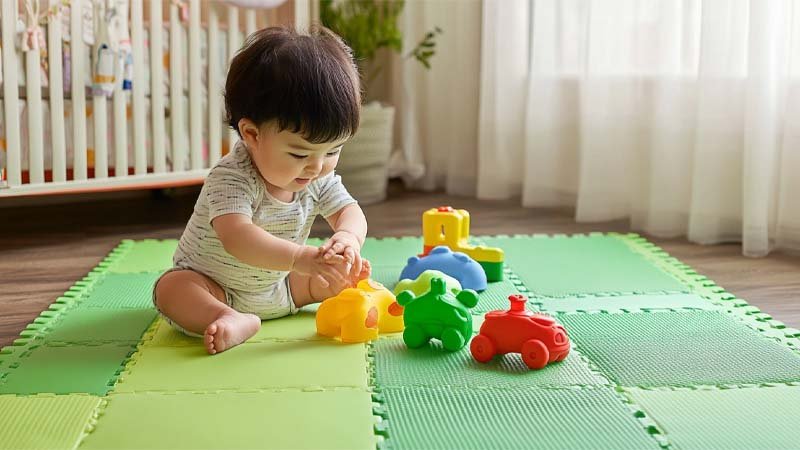
When it comes to baby mats, not all materials are created equal. As a mother of two little ones, I understand that choosing the right material for your baby’s mat is crucial for both safety and comfort. Here are the most common materials used in baby mats and how they stack up:
- XPE Foam XPE (cross-linked polyethylene) foam has become a favorite in the market due to its excellent properties. It’s non-toxic, eco-friendly, and incredibly durable. XPE foam mats provide excellent cushioning, which is a big plus when your baby starts crawling and rolling. This material is not only safe but also easy to clean and maintain, making it a go-to for parents who value both safety and practicality.
- EVA Foam EVA (Ethylene Vinyl Acetate) foam is another common material. It’s widely used because it’s affordable and offers decent cushioning. However, it’s important to be aware that some EVA mats may contain harmful chemicals, so it’s crucial to check for certifications that guarantee safety.
- TPU (Thermoplastic Polyurethane) TPU mats are often on the pricier side but for good reason. These mats are non-toxic, highly durable, and offer a level of cushioning that rivals XPE foam. TPU is also waterproof and easy to wipe down, which makes it a favorite for busy parents who want a low-maintenance option.
- PVC (Polyvinyl Chloride) PVC is one of the more budget-friendly options, but it’s also a material that you should be cautious about. While it may be colorful and attractive, PVC often contains harmful additives like phthalates, which can be dangerous for babies. The lifespan of PVC mats is also shorter compared to XPE or TPU mats.
- Cotton Fabric Cotton fabric mats are soft, breathable, and often machine washable, making them an appealing choice for parents. However, they lack the durability and waterproof qualities of foam mats, which means they need more frequent cleaning. Additionally, they don’t provide the same level of support or cushioning that foam mats offer.
Comparison Table of Materials
| Material | Cost | Ease of Cleaning | Toxicity | Durability | Lifespan |
|---|---|---|---|---|---|
| XPE Foam | Mid-range | Easy to Clean | Non-toxic | High | 5-7 years |
| EVA Foam | Low | Easy to Clean | May contain harmful chemicals | Moderate | 3-5 years |
| TPU | High | Wipeable | Non-toxic | High | 5-7 years |
| PVC | Low | Wipeable | May contain phthalates | Low | 2-3 years |
| Cotton Fabric | Affordable | Machine washable | Non-toxic | Quite low | 1-3 years |
This comparison table should help you weigh the pros and cons of each material based on your priorities, whether it’s safety, durability, or ease of cleaning. For my family, the safety and durability of XPE foam made it an easy choice when looking for a long-lasting, non-toxic baby mat that could stand up to the rigors of daily use.
The Benefits of XPE Foam Baby Play Mats
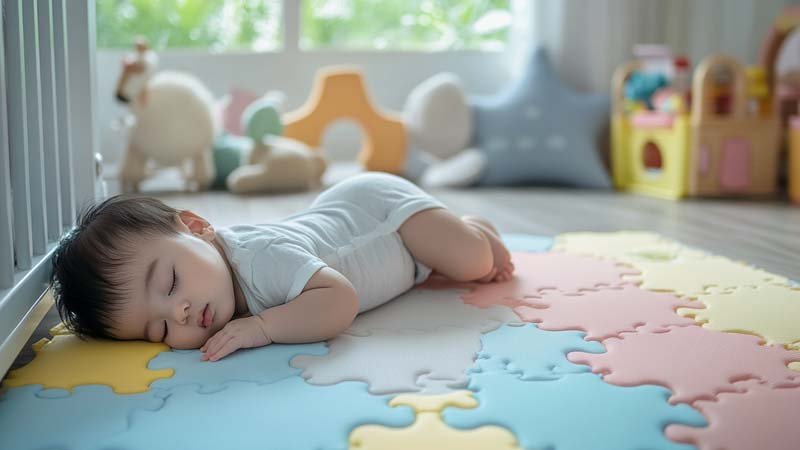
XPE foam is a fantastic choice for baby mats, and here’s why:
Non-toxic and eco-friendly
As a mother, I want the best for my babies, and that means choosing products made from safe, non-toxic materials. XPE foam is free from harmful chemicals like phthalates, making it one of the safest options on the market. Plus, it’s eco-friendly, so I’m doing my part to protect the planet for my kids.
Waterproof and durable
XPE foam mats are waterproof, which means spills, drool, or even accidents are no big deal. Simply wipe it down, and you’re all set!. They’re also highly durable, meaning they’ll last for years, even with daily use.
Provides excellent cushioning and support
The soft, cushioned surface of an XPE foam mat provides the perfect amount of support for your baby as they develop motor skills. The shock absorption is ideal for those first wobbly attempts at sitting and crawling.
Easy to clean and maintain
Unlike fabric mats, which require regular washing, XPE foam mats are super easy to clean. A quick wipe with a damp cloth, and it’s as good as new. It’s an absolute time-saver for busy parents like me.
Lightweight and portable
XPE foam mats are lightweight and foldable, making them a breeze to move and store. Whether you’re using it at home or on the go, it’s one of the most practical options available.
How to Choose the Baby Mat?
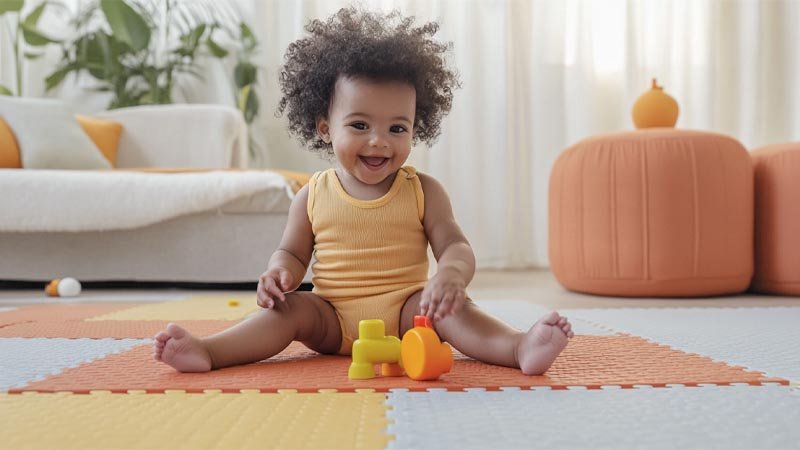
Now that you know what to look for in a baby mat, let’s talk about how to choose the right one for your family. Here are some key considerations:
Safety
Always prioritize safety when selecting a mat. Look for materials that are free from toxic chemicals and that have certifications like ASTM, EN71, and OEKO-TEX® to ensure your mat meets safety standards.
Material type
Depending on your needs, you might opt for a foam mat for durability and comfort or a fabric mat for softness and breathability. Choose the material that fits your lifestyle, budget, and aesthetic.
Size and design
Think about the space you have at home and the design that will suit your baby’s play area. Mats come in various sizes, from compact options for small spaces to large mats that can cover the floor of an entire room. Consider your baby’s growth and mobility as well.
Certifications
Look for certifications that guarantee the product is safe, non-toxic, and free of harmful chemicals. ASTM, EN71, and OEKO-TEX® are widely recognized, so check for these labels when shopping.
How to Take Care of the Baby Mat?
General cleaning steps
To keep your baby mat looking fresh and clean, wipe it down regularly with a damp cloth and mild soap. Be sure to rinse off any soap residue afterward to avoid irritation for your baby.
Deep cleaning tips
If your mat is looking a little worse for wear, it might be time for a deep clean. Soak it in warm water with a mild detergent, scrub it gently with a soft brush, and rinse thoroughly.
Products to Avoid
Avoid using harsh chemicals, bleach, or abrasive scrubbers on your baby mat. These can damage the material and pose a risk to your baby’s health.
Drying and storage
After cleaning, allow your baby mat to air dry completely. Store it in a dry, cool place to prevent any mold or mildew growth.
FAQs
Can I use a baby mat on a carpeted floor?
Yes, you can! Baby mats are versatile and can be used on both hardwood and carpeted floors.
How often should I clean my baby mat?
It’s best to clean your mat regularly, especially if your baby is using it daily. Give it a quick wipe after each use to keep dirt from accumulating.
Is XPE foam safe for babies?
Yes! XPE foam is non-toxic, eco-friendly, and free from harmful chemicals, making it a safe choice for babies.
How long do baby mats last?
The lifespan of a baby mat depends on the material. XPE foam mats can last 5-7 years with proper care.
Can I use a baby mat outdoors?
Absolutely! Many baby mats, especially XPE foam ones, are designed for both indoor and outdoor use, offering convenience for family outings.