Introduction
When it comes to roofing, insulation is often the unsung hero. We all know how vital it is to have a sturdy, well-constructed roof over our heads, but did you know that the right roof insulation foam can make all the difference in comfort, cost, and even the environment? It’s more than just a technical necessity—it’s a game-changer. The right foam can regulate temperature, improve energy efficiency, and reduce noise. But how do you choose the right type of roof insulation foam for your specific needs?
In this guide, we’re going to walk you through everything you need to know about roof insulation foam—from what it is, to how to choose the right type, to maintaining it properly. Whether you’re building a new roof or upgrading an existing one, we’ve got you covered.
What is Roof Insulation Foam?
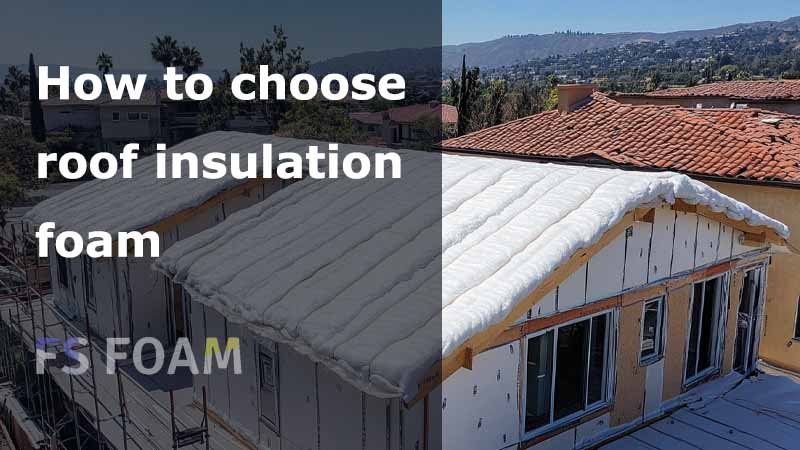
At its core, roof insulation foam is a material that acts as a barrier to heat flow, essentially regulating the temperature inside your building by preventing heat loss in winter and heat gain in summer. This type of foam is installed in or on top of the roof structure, ensuring that your home or commercial building remains comfortable year-round, no matter the weather outside.
But how does it work exactly? Think of it this way: roof insulation foam creates a kind of protective layer, much like a thermal jacket. This barrier prevents air from leaking through gaps and cracks, something that happens naturally in most buildings. Roof insulation foam essentially acts as a sponge, soaking up heat or cold and locking it in—or out—depending on the season. This not only reduces the energy required to heat or cool the interior but also lowers your energy bills and minimizes your environmental footprint. It’s no wonder that this material is becoming an increasingly popular choice for modern roofing solutions.
Benefits of Using Roof Insulation Foam
We could talk all day about the benefits of roof insulation foam, but let’s narrow it down to the key reasons why it’s indispensable for any building, whether residential or commercial. It’s more than just about keeping your space warm in winter or cool in summer—though that’s already a significant advantage. There are deeper benefits that make roof insulation foam an essential investment.
Improved Energy Efficiency and Lower Utility Bills
The most immediate benefit we notice from roof insulation foam is its impact on energy efficiency. Insulation foam significantly reduces the transfer of heat, meaning your heating or cooling systems don’t need to work as hard. As a result, you’ll see a noticeable reduction in energy consumption and, inevitably, lower utility bills. Properly insulated roofs can cut down energy expenses by up to 50%. It’s a long-term saving that pays for itself over time.
Noise Reduction and Soundproofing Properties
Roof insulation foam doesn’t just keep temperatures steady—it also helps reduce noise. Whether you’re living in a noisy urban environment, near an airport, or even in a busy neighborhood, roof insulation foam acts as a sound barrier. Closed-cell foam, in particular, is incredibly effective at dampening sounds from the outside, turning your roof into a noise-canceling zone. This makes your space quieter and more peaceful, which is something we all appreciate.
Enhanced Comfort (Temperature Control)
Roof insulation foam maintains a more consistent indoor temperature. During the blistering heat of summer, it keeps cool air inside, preventing the oppressive heat from entering. In winter, it traps warmth, creating a cozy, inviting atmosphere. This regulation ensures that there’s no extreme temperature fluctuation inside your home, leading to better comfort for the occupants.
Moisture and Mold Resistance
One of the less obvious—but incredibly important—benefits of roof insulation foam is its ability to prevent moisture buildup. Foam insulation, especially closed-cell types, acts as a barrier to water, reducing the risk of leaks and dampness. Over time, moisture can lead to mold and mildew growth, which can damage both your roof and the interior of your building. By preventing water from getting in, foam insulation extends the lifespan of your roof while maintaining a healthy living environment.
Environmental Benefits (Eco-Friendly Options)
We can’t ignore the environmental benefits of roof insulation foam, especially with today’s growing focus on sustainability. Many foam types are now available in eco-friendly options. For example, closed-cell polyethylene foam and other materials are made from recyclable or biodegradable substances. By reducing energy consumption, you’re also decreasing your carbon footprint and doing your part to combat climate change.
Types of Roof Insulation Foam
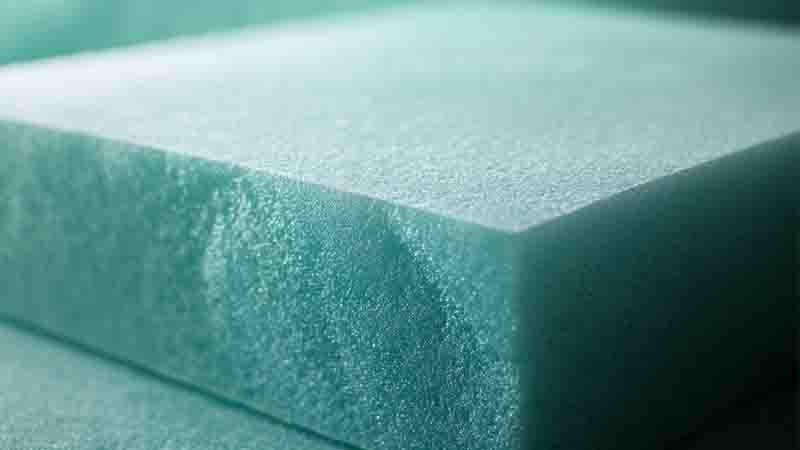
Not all roof insulation foam is created equal. When selecting foam, it’s crucial to choose one that meets your specific needs. Several types of foam offer unique benefits and performance characteristics.
Polyurethane Foam
This is one of the most common types of foam used in roofing. Polyurethane foam is spray-applied, forming a seamless, monolithic layer that adheres directly to the roof structure. It’s known for its superior insulating properties, particularly its high R-value per inch. It’s perfect for irregular roof shapes or hard-to-reach areas. However, it can be vulnerable to UV degradation unless coated with a protective layer.
Polyisocyanurate Foam (ISO Foam)
If you’re looking for an insulation material that offers both thermal and fire-resistant properties, polyisocyanurate foam is a strong contender. It has one of the highest R-values of any foam material, making it highly effective in extreme climates. Polyisocyanurate foam is often used in commercial roofing, where higher insulation performance is necessary.
Expanded Polystyrene Foam (EPS)
EPS foam is a cost-effective option, known for its relatively low cost and lightweight structure. However, it’s not as efficient as some of the other types when it comes to insulating properties. It tends to absorb moisture, so it’s not ideal for areas that experience heavy rainfall or snow. That said, it’s still a solid choice for many roofing applications.
Extruded Polystyrene Foam (XPS)
XPS foam is similar to EPS but with enhanced water resistance and better compressive strength. This foam type is ideal for roofing systems that require additional durability and moisture resistance. It provides a good balance between cost and performance, making it suitable for both residential and commercial buildings.
Closed-Cell Polyethylene Foam
Closed-cell polyethylene foam is one of the most durable options available. It’s highly resistant to moisture, which makes it perfect for roofs exposed to harsh weather conditions. It also has excellent soundproofing qualities and is highly effective at maintaining thermal control. The closed-cell structure of this foam makes it incredibly rigid and stable, providing long-term protection.
Closed-Cell vs Open-Cell Foam
A critical decision in choosing roof insulation is whether to go for closed-cell or open-cell foam. Closed-cell foam is denser and offers better moisture resistance, making it ideal for roofs exposed to rain, snow, or extreme humidity. Open-cell foam, on the other hand, is lighter and less expensive, but it absorbs water more readily and is typically used in areas where moisture is less of an issue.
Comparison of these foams
| Foam Type | R-Value | Moisture Resistance | Lifespan | Cost |
|---|---|---|---|---|
| Polyurethane Foam | High (R-6 to R-7 per inch) | Moderate to High | 20-30 years | High |
| Polyisocyanurate Foam (ISO Foam) | Very High (R-6 to R-7 per inch) | Moderate | 20-30 years | Moderate to High |
| Expanded Polystyrene Foam (EPS) | Moderate (R-3.6 to R-4 per inch) | Low to Moderate | 10-15 years | Low |
| Extruded Polystyrene Foam (XPS) | High (R-5 per inch) | Moderate to High | 20-30 years | Moderate |
| Closed-Cell Polyethylene Foam | Moderate (R-3 to R-4 per inch) | Very High | 20-40 years | Moderate to High |
Closed cell foam offers very high moisture resistance with a long lifespan, it’s a good choice in roof insulation. Let’s see what it can bring to our roof.
Benefits of Using Closed-Cell Polyethylene Foam in Roof Insulation
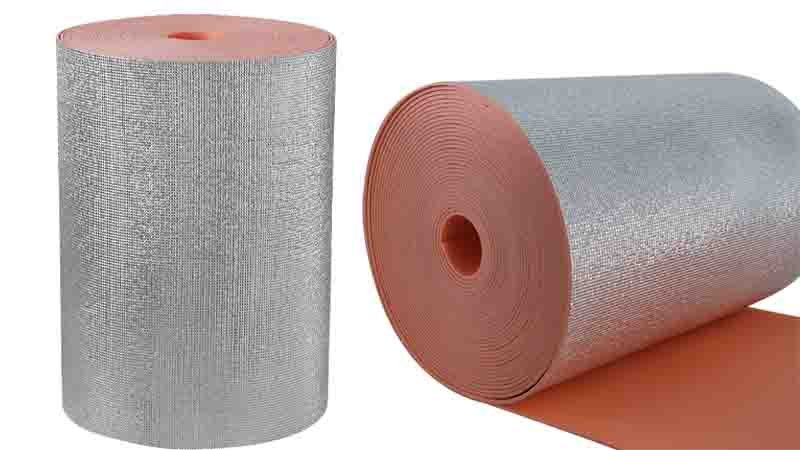
When it comes to selecting the right foam for your roofing needs, closed-cell polyethylene foam stands out as a top contender. This specialized foam type offers an array of benefits that make it an excellent choice for both residential and commercial roofing applications. Here, we’ll delve deeper into why closed-cell polyethylene foam is such a valuable addition to your roof insulation strategy.
Superior Moisture Resistance
One of the key advantages of closed-cell polyethylene foam is its exceptional moisture resistance. Unlike open-cell foams that tend to absorb water over time, closed-cell polyethylene foam doesn’t allow water to pass through its dense structure. This property makes it highly suitable for roofs in areas that experience heavy rainfall, snow, or humidity. By keeping water from infiltrating the insulation layer, this foam prevents mold and mildew growth, which can otherwise compromise both your roofing material and indoor air quality.
High R-Value and Thermal Insulation Efficiency
Closed-cell polyethylene foam is known for its high R-value per inch, which is a critical factor in its thermal insulation efficiency. It provides excellent thermal protection, which helps regulate indoor temperatures by preventing heat transfer from the roof. During hot summer months, it keeps the interior cooler by blocking heat from entering, while in winter, it traps warmth, reducing the need for excessive heating. This level of insulation efficiency translates into energy savings and lower utility bills over time.
Soundproofing Capabilities
While closed-cell polyethylene foam excels in its thermal and moisture control properties, it also serves as an effective sound barrier. The dense, compact structure of the foam helps to absorb and reduce sound waves, making it an ideal choice for buildings that require additional noise insulation. Whether you’re in a busy city environment or near a noisy industrial area, this foam can significantly contribute to creating a quieter and more peaceful interior space.
Durability and Long-Lasting Performance
Another critical benefit of closed-cell polyethylene foam is its durability. This foam type is tough and resilient, capable of withstanding extreme weather conditions, such as heavy rain, snow, and intense sunlight, without degrading. Its closed-cell structure also protects it from compression, maintaining its insulating properties over time. This longevity ensures that the foam will perform consistently for many years, with minimal degradation, thus extending the overall lifespan of your roof insulation system.
Environmental Impact
In today’s world, choosing eco-friendly materials is more important than ever. Closed-cell polyethylene foam is often made from recyclable and non-toxic materials, making it a more sustainable option compared to some other types of foam. Additionally, its ability to improve energy efficiency directly contributes to reducing the carbon footprint of your building by decreasing the amount of energy needed for heating and cooling. This makes it an environmentally responsible choice for those looking to make their buildings more eco-friendly.
Easy Installation and Flexibility
Closed-cell polyethylene foam is available in both sheets and spray-applied forms, offering flexibility in installation methods. Whether you have a large commercial roofing project or a residential space, the foam can be easily tailored to fit different shapes and sizes. The spray-applied version ensures an airtight seal, further improving its effectiveness by eliminating any gaps that might compromise insulation performance. This ease of application makes it a versatile option for new constructions and roof refurbishments alike.
Protection Against Corrosion
In addition to its other benefits, closed-cell polyethylene foam is highly resistant to corrosion. This makes it an excellent choice for roofs exposed to saline environments, such as coastal areas, where saltwater can accelerate the corrosion of roofing materials. By acting as a protective layer, it helps extend the life of your roof and other building materials.
FS FOAM offers high quality closed cell polyethylene roof insulation foam, please feel free to reach us.
How to Choose the Right Roof Insulation Foam?
When choosing the right roof insulation foam, there are several key factors to consider. It’s not just about picking any foam off the shelf—it’s about selecting one that meets the specific needs of your building and climate.
Consider Climate and Weather Conditions
The first thing to consider is the climate where you live. If you’re in an area with heavy rain or snow, you’ll want a foam type that’s water-resistant, like closed-cell polyethylene or XPS foam. If you live in a hot, dry climate, you’ll want to focus on foam materials that excel at heat resistance, like polyisocyanurate foam.
Thickness and R-value
The thickness of the foam and its R-value (which measures the foam’s resistance to heat flow) are essential considerations. Higher R-values mean better insulation, but thicker foam may not always be necessary, depending on your specific needs. It’s important to find the right balance for your roof’s structure and insulation requirements.
Durability and Lifespan
Roof insulation foam can last anywhere from 10 to 50 years, depending on the material and conditions. Be sure to consider the lifespan of the foam when making your decision. If your roof is exposed to severe weather or heavy foot traffic, you’ll want a durable foam that can withstand wear and tear.
Cost vs Performance
Cost is always a factor. While some foams may be more expensive upfront, they might save you money in the long run with better energy efficiency and longer lifespans. Always weigh the initial cost against the long-term benefits of performance and durability.
Environmental Impact
As we become more conscious of sustainability, choosing eco-friendly foam options is an increasingly important consideration. Closed-cell polyethylene foam, for example, is often made from recyclable materials, making it a good choice for environmentally conscious builders.
How to Maintain Roof Insulation Foam?
To get the most out of your roof insulation foam, proper maintenance is key. While foam insulation is relatively low-maintenance, taking a few precautions can significantly extend its lifespan.
Regular Inspection and Cleaning
We recommend inspecting your foam insulation every year to ensure there are no cracks, tears, or signs of degradation. Cleaning it occasionally can help prevent dirt buildup that could impact its performance.
Prevent Moisture Damage and Mold Growth
If your roof insulation foam becomes damp, it can lead to mold growth and reduce the foam’s insulating properties. Ensure that your roof is properly ventilated to prevent moisture buildup, and repair any leaks as soon as possible.
Repair Damage Promptly
Small issues can turn into big problems if left unchecked. If you notice any signs of damage, address them immediately. Cracks, holes, or tears can compromise the effectiveness of your insulation, leading to higher energy costs and potential structural issues.
Ensure Proper Ventilation
Ventilation is crucial. Without proper airflow in the attic or roof space, moisture can accumulate, leading to mold and mildew growth. Make sure that your roof has adequate ventilation, especially if you live in a humid climate.
Conclusion
Choosing the right roof insulation foam is no small task, but with the right knowledge and considerations, we can make an informed decision that will benefit us in the long run. From improved energy efficiency to enhanced comfort and environmental benefits, roof insulation foam is one of the best investments you can make for your home or business.
Remember, it’s all about balancing cost, performance, and the specific needs of your building. Take your time to research, weigh the options, and select the foam that will give you the best long-term value.
FAQs
How long does roof insulation foam last?
Roof insulation foam can last anywhere from 10 to 50 years, depending on the material and the conditions it’s exposed to.
Can I install roof insulation foam myself, or do I need a professional?
While some types of foam, like spray foam, require professional installation, others (like foam boards) can be installed by DIY enthusiasts.
What is the R-value, and why is it important for roof insulation?
The R-value measures the thermal resistance of insulation. The higher the R-value, the more effective the insulation will be at resisting heat transfer.
Is roof insulation foam environmentally friendly?
Yes, many foam options, including closed-cell polyethylene foam, are eco-friendly and made from recyclable materials.
How much roof insulation foam do I need for my roof?
The amount of foam needed depends on the size of your roof, the thickness of the foam, and the insulation performance you require.