Introduction
When it comes to pool ownership, one of the most important investments you can make is choosing the right pool cover. It may not be the glamorous part of pool care, but a quality pool cover can significantly impact your pool’s safety, efficiency, and longevity. From keeping debris out to conserving energy, the right cover can do wonders for your wallet and the environment. So, if you’re ready to protect your pool and ensure it stays in tip-top shape, let’s dive into the details.
In this guide, we’ll walk you through everything you need to know about pool covers—from what they are and the benefits they offer to the various types and materials available. By the end of this article, you’ll be equipped with the knowledge to make an informed decision and select the perfect pool cover for your needs.
What is a Pool Cover?
A pool cover is essentially a protective barrier that covers the surface of your swimming pool. Pool covers can be made from various materials and are designed to fit snugly over the pool, either as a custom or standard fit. They serve a number of purposes—most importantly, keeping your pool safe, clean, and efficient.
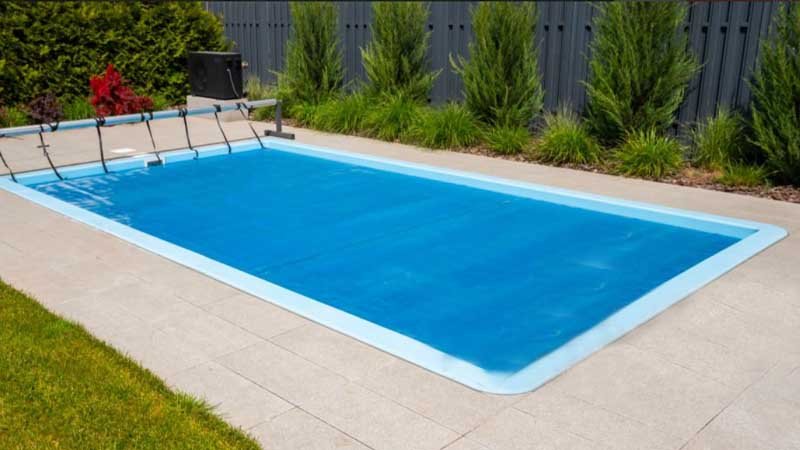
At its core, a pool cover is a piece of durable material that either floats on top of the water or is securely fastened around the perimeter of the pool. Some are manually operated, while others are automatic or even solar-powered, offering a wide range of convenience and protection levels.
A pool cover acts as a shield against environmental factors like debris, UV rays, and weather. It not only helps to keep the pool clean but also enhances the pool’s energy efficiency by maintaining water temperature and reducing evaporation. Additionally, pool covers are a vital safety feature, especially for households with children or pets.
What Are the Benefits of Using a Pool Cover?
We all know that a pool cover is important, but what exactly does it bring to the table? Let’s break down the major benefits:
Protection from Debris
A pool cover prevents leaves, twigs, insects, and other debris from falling into the water, saving you time and energy spent cleaning. Whether you’re dealing with tree branches or autumn leaves, a good pool cover keeps your water sparkling clear.
Safety
A pool cover is a safety essential, particularly for families with young children or pets. It provides a physical barrier that prevents accidental falls into the pool, reducing the risk of drowning. Knowing that your loved ones are safe provides priceless peace of mind.
Energy Conservation
Ever noticed how much energy your pool heater uses? A pool cover helps to retain heat, reducing the need to run the heater constantly. This not only lowers your electricity bills but also minimizes your environmental footprint. By keeping the water warmer for longer, it extends swimming seasons, allowing you to enjoy your pool even during cooler months.
Water Conservation
Water evaporation can be a real concern, especially in dry climates. A pool cover reduces water loss, meaning fewer top-ups and less chemical usage. You’re saving both water and money—what’s not to love?
Maintenance
Maintenance becomes a breeze with a pool cover. It reduces the amount of cleaning you need to do, as it prevents debris from entering the water in the first place. With less debris and fewer chemicals required, you’ll find yourself spending less time maintaining the pool and more time enjoying it.
Longevity
By protecting your pool from the harsh elements, a pool cover prolongs its lifespan. It reduces the wear and tear on the pool surface, liner, and filter system. Additionally, it shields your pool from the damaging effects of UV rays, preventing fading and degradation.
What Materials Are Used in Pool Covers?
When it comes to choosing a pool cover, the material plays a huge role in its performance and durability. Different materials offer varying levels of protection, insulation, and convenience. Let’s take a closer look at the most common materials used in pool covers:
Polyethylene (PE)
Polyethylene is lightweight, strong, and flexible. It’s also resistant to mold and mildew, making it a popular choice for pool covers. Known for its excellent insulation properties, PE helps keep the pool warm by reducing heat loss.
This material is commonly used in both solid and mesh pool covers. Its cost-effectiveness and durability make it a go-to for pool owners looking for a budget-friendly option that still delivers on quality.
Polypropylene (PP)
Polypropylene is slightly less durable than polyethylene but still offers a high degree of strength. It is resistant to most chemicals and has a high bursting strength, making it suitable for pool covers that need to handle a bit more wear and tear.
Polypropylene is typically used in safety mesh covers. These covers allow water to drain through while preventing debris from entering the pool, offering an ideal balance of affordability and strength.
Vinyl
Vinyl is strong, durable, and resistant to moisture and humidity. It’s heavier than polyethylene or polypropylene, providing added protection against the elements. Its thick, robust structure makes it highly effective in safeguarding pools.
Vinyl is commonly used in solid pool covers, offering long-lasting protection. These covers are ideal for protecting your pool from wind, rain, and sunlight, especially during off-season months.
PVC Tarpaulin
PVC Tarpaulin is incredibly versatile, offering excellent mechanical resistance and waterproof properties. It’s resistant to UV rays, ensuring that the cover won’t degrade quickly in the sun.
Often used in commercial pool covers, PVC tarpaulin provides robust protection, especially for large pools. It’s a favorite choice for areas with harsh weather conditions due to its durability and UV resistance.
IXPE Foam (Irradiated Cross-Linked Polyethylene Foam)
IXPE foam is a premium material known for its insulation capabilities. It’s lightweight, durable, and resistant to wear and tear. It’s also environmentally friendly, adding an eco-conscious element to your pool care routine.
IXPE foam is often used in high-end pool covers. It offers excellent moisture resistance and helps keep the pool water warm, reducing the need for external heating systems. Plus, it provides added comfort and insulation, making it an excellent choice for energy-conscious pool owners.
Types of Pool Covers
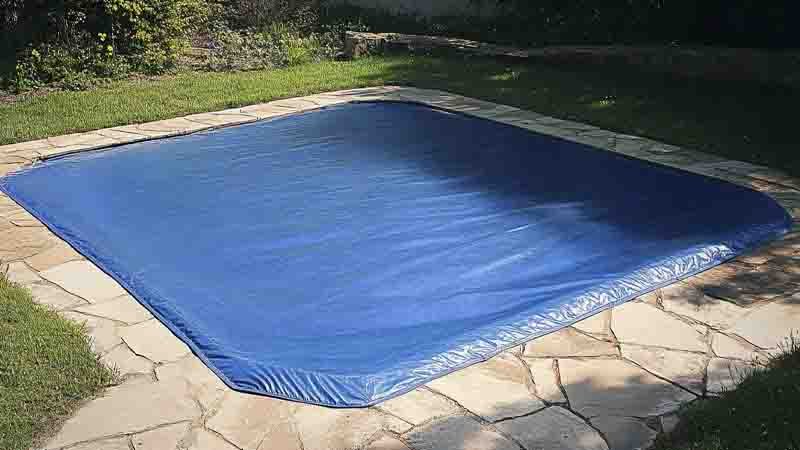
Choosing the right pool cover isn’t just about the material—it’s also about the type of cover that fits your needs. Let’s explore the various types of pool covers available today:
Safety Pool Covers
Safety covers are designed to protect your family and pets from falling into the pool. They come in two main types: mesh and solid. Mesh covers allow water to drain through but keep debris out, while solid covers provide a more complete barrier against dirt and leaves. Both options provide enhanced safety for those with young children or pets.
Solar Pool Covers
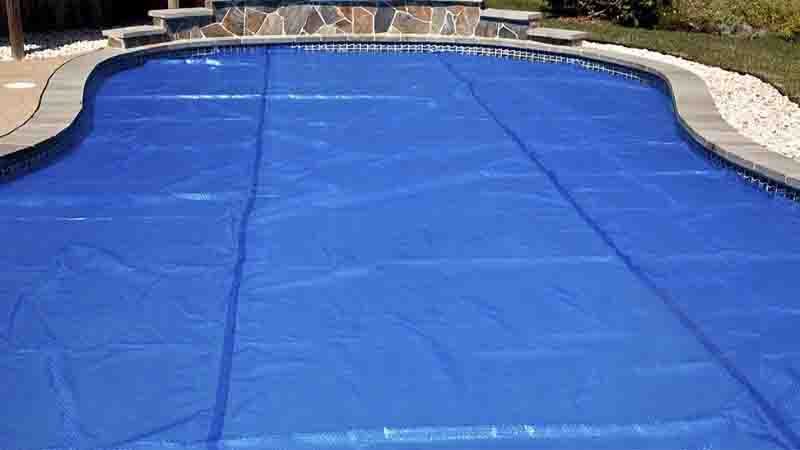
Solar covers are designed to harness the sun’s energy to heat your pool. They are typically made from lightweight, UV-resistant materials that help trap heat and reduce water evaporation. Solar covers are perfect for extending your swimming season by warming the water naturally.
Automatic Pool Covers
For ultimate convenience, automatic pool covers offer a quick and easy solution. These covers open and close with the push of a button, providing both safety and efficiency. They are ideal for those looking to reduce maintenance time and increase pool security.
Manual Pool Covers
Manual covers are more budget-friendly and easy to install. They are operated by hand—either by rolling them out or using a pulley system. While they require a bit more effort than automatic options, they are still effective at keeping your pool protected.
Winter Pool Covers
Winter covers provide excellent protection during the off-season. These covers are designed to handle the weight of snow and rain, preventing debris from entering the pool while keeping it sealed tightly until the next swim season.
IXPE Pool Covers
The structure of the IXPE pool cover is this: double-sided PE tarpaulin laminated with IXPE foam. both raw materials are LDPE, so it’s very tight in the lamination.
IXPE foam pool covers are a step up in terms of insulation, offering excellent protection against both debris and weather conditions. These covers are lightweight and durable, with superior insulation properties that help to maintain water temperature and minimize energy consumption. They are an excellent choice for those looking for a high-performance pool cover.
How to Choose the Right Pool Cover?
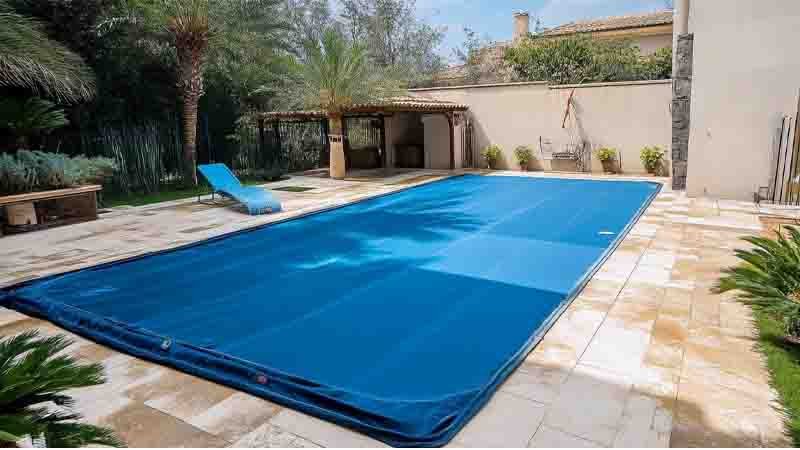
Choosing the perfect pool cover isn’t as simple as picking one off the shelf. There are several factors to consider to ensure it meets your needs. Here’s a breakdown:
Consider Your Pool Size and Shape
First, measure your pool to determine whether you need a custom or standard-fit cover. Pool covers are available in various shapes—rectangular, oval, and even irregular—so make sure the cover fits snugly over your pool for maximum protection.
Climate and Weather Considerations
Think about the weather in your area. Do you experience hot summers or cold winters? Do you need a cover that helps retain heat or one that can withstand snow and ice? Choose a material and type of cover that suits your local climate and seasonal needs.
Safety Needs
If you have young children or pets, safety should be your top priority. Opt for a safety cover that can handle the weight of an adult, such as a mesh or solid cover, and ensure that it is properly anchored to prevent accidents.
Budget
Pool covers vary in price depending on material, size, and type. Though the cheapest option might be tempting, it’s important to think about the long-term benefits and durability. In the end, investing in a high-quality cover may save you money on pool maintenance, energy costs, and repairs.
Ease of Use
Think about how often you’ll use your cover. If you prefer convenience, an
automatic cover may be the way to go. If you’re more hands-on, a manual cover could fit the bill, and it will be kinder on your budget.
Maintenance
Lastly, think about the maintenance required for your cover. Some covers, like mesh ones, require little upkeep, while others, such as solid vinyl covers, need more attention to keep them in good shape. Make sure you’re prepared for the cleaning and storage requirements of the cover you choose.
How to Store and Maintain Your Pool Cover?
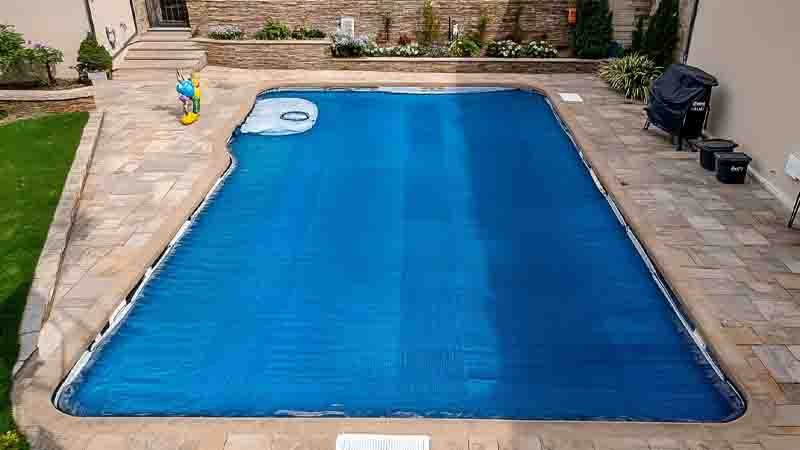
Proper storage and maintenance of your pool cover are crucial for its longevity. Here’s how to do it right:
Proper Storage
When not in use, clean your pool cover thoroughly to remove debris. Then, roll or fold it carefully and store it in a cool, dry place. Avoid storing it in areas where it may be exposed to direct sunlight or moisture to prevent damage.
Cleaning and Care
Regularly clean your pool cover to ensure it remains in good condition. For mesh covers, use a gentle wash and rinse to avoid damaging the material. Vinyl and solid covers require wiping down to remove dirt and prevent mold buildup. Always check the cover for any tears or holes and repair them immediately.
Seasonal Maintenance
Before storing your cover for the winter or off-season, make sure it is thoroughly cleaned and dry. Inspect the cover for any damage, and if necessary, perform repairs or replace it. This will ensure your cover is ready to go when you open your pool again.
Conclusion
Choosing the right pool cover is crucial for maintaining the safety, efficiency, and longevity of your pool. By considering factors such as material, type, climate, and safety needs, you can make an informed decision that fits your pool’s requirements. Remember, a good pool cover isn’t just an investment in your pool—it’s an investment in your peace of mind.
FS FOAM is good at making IXPE core pool cover, please feel free to reach us if you need help for your pool cover project.
FAQs
How much does a pool cover cost?
Pool cover prices vary depending on size, material, and type. On average, you can expect to spend anywhere from $100 to $2,000, depending on your pool’s specifications and the cover’s features.
Can I use a pool cover in all seasons?
Yes! Different covers are designed for different seasons. Solar covers are perfect for summer, while winter covers provide the ultimate protection during colder months.
How do I know which type of pool cover is best for my pool?
Consider your pool’s size, shape, and the climate in your area. Safety features should be prioritized if you have children or pets, and material durability will determine how long the cover will last.
Is the IXPE foam pool cover better than other materials?
IXPE foam offers excellent insulation and durability, making it ideal for those who want a premium cover. Its resistance to moisture and wear also makes it a great choice for energy efficiency and long-term use.
How long should my pool cover last?
The lifespan of a pool cover depends on its material and how well it’s maintained. Generally, with proper care, a pool cover can last anywhere from 3 to 10 years.