When it comes to flooring, choosing the right material can be daunting. There are a myriad of options out there, each offering unique benefits and challenges. Among the most popular choices in both residential and commercial spaces is LVT flooring—a versatile, durable, and stylish option that has gained significant traction in recent years. Whether you’re renovating your living room, outfitting a high-traffic commercial space, or revamping your kitchen, LVT (Luxury Vinyl Tile) could be the solution you’re looking for. In this guide, we’ll dive deep into everything you need to know about LVT flooring—from its characteristics to its pros and cons, and how it compares to other flooring types like SPC and WPC.
What is LVT Flooring?
Luxury Vinyl Tile (LVT) is a type of synthetic flooring designed to mimic the look of natural materials like wood, stone, or ceramic while offering more practical benefits. LVT is composed of several layers, each serving a specific function. The wear layer is the topmost layer, offering protection against scratches, stains, and wear. Beneath that, the design layer replicates the look of real wood or stone, giving you the aesthetic appeal without the cost or upkeep. The core layer provides the structure, while the backing layer ensures the flooring is moisture-resistant.
What makes LVT so appealing, aside from its visual appeal, is its flexibility. It’s a waterproof material, making it perfect for spaces like kitchens, bathrooms, and basements. Moreover, LVT can be installed over most existing floors, reducing the time and cost involved in a full renovation. It’s also available in a range of formats, including planks and tiles, giving homeowners and business owners plenty of options to create the look they desire.
LVT has risen in popularity thanks to its affordability compared to hardwood or stone tiles, all while offering durability and a rich aesthetic appeal. Whether you’re in a residential setting or outfitting a commercial area, LVT can be tailored to suit your needs.
What Are the Pros and Cons of LVT Flooring?
Like any material, LVT flooring comes with its set of advantages and potential drawbacks. Here’s a breakdown to help you weigh the pros and cons before making a decision:
Pros:
- Durability and Resistance to Wear and Tear: LVT flooring is known for its high resilience. The wear layer provides excellent protection against scratches, stains, and scuffs, making it ideal for high-traffic areas. Whether it’s your busy kitchen or a bustling office, LVT can handle it.
- Water Resistance: Unlike hardwood, LVT is completely waterproof, making it a go-to option for areas that are prone to moisture, such as bathrooms, kitchens, and basements. You won’t have to worry about warping, rotting, or mold growth.
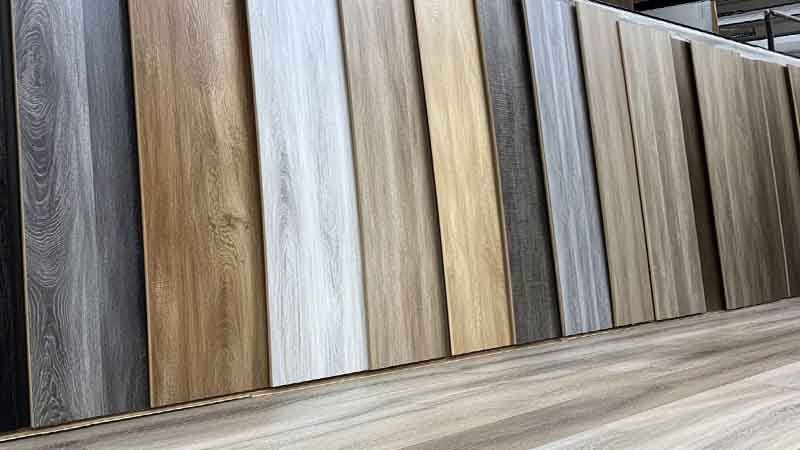
- Versatility in Design: LVT flooring can replicate the appearance of high-end materials like wood, stone, and tile, offering a look that’s nearly identical to the real thing but at a fraction of the cost. Whether you prefer a rustic hardwood look or a sleek, modern stone appearance, LVT can fit the bill.
- Cost-Effective: Compared to natural wood or stone flooring, LVT is a budget-friendly option. It provides the same aesthetic appeal without the hefty price tag. Plus, its durability and ease of maintenance mean you’ll save on replacement costs in the long run.
Cons:
- Susceptibility to Scratching (depending on quality): While LVT is generally quite durable, it can be prone to scratching, especially if it’s not high quality or if sharp objects are dragged across the surface. Regular maintenance can help reduce this risk.
- Potential for Expansion and Contraction: LVT is susceptible to expansion and contraction with temperature changes, which means it may slightly change in size over time. This is especially true in rooms that experience high heat or humidity.
- Not Biodegradable: A key concern for environmentally conscious individuals is that LVT is made from synthetic materials and is not biodegradable. While it’s durable and low-maintenance, it doesn’t contribute to eco-friendly building practices in the same way as natural materials like wood or stone.
What are the Differences Between LVT, SPC, and WPC Flooring?
With so many options on the market, it’s easy to get lost in the alphabet soup of flooring types. LVT, SPC, and WPC are all types of vinyl-based flooring, but they have distinct characteristics.
LVT vs SPC (Stone Plastic Composite)
- Material Composition: SPC is made from a mix of limestone, PVC, and stabilizers, which gives it a more rigid core than LVT. This rigid core makes SPC even more durable and stable, particularly in areas that experience heavy foot traffic or fluctuating temperatures.
- Installation Methods: Both LVT and SPC flooring are typically designed with click-lock systems, meaning they can be installed without glue or nails. However, SPC’s added rigidity can make it easier to install in large areas as it’s less likely to shift or warp.
- Cost and Durability: SPC tends to be a bit more expensive than LVT due to its superior durability, making it an excellent choice for commercial spaces. However, LVT’s flexibility and variety in design still make it a popular option for many homeowners.
LVT vs WPC (Wood Plastic Composite)
- Material Composition: WPC flooring has a core made from a mixture of wood flour and PVC. This gives it a slightly softer feel underfoot compared to LVT, which is made entirely of synthetic materials. This softness can offer a more comfortable walking surface, especially in areas where you stand for long periods.
- Pros and Cons of WPC: WPC flooring offers excellent sound absorption, making it ideal for multi-level homes or apartments. However, it may not be as durable as SPC in high-traffic areas. It’s also not quite as rigid as SPC, making it more prone to indentations from heavy furniture or high heels.
- Best Applications: WPC is best used in residential spaces where comfort is key. LVT, however, is more versatile for both residential and commercial spaces due to its durability and range of design options.
Detailed Comparison of LVT, SPC, and WPC Flooring
| Feature | LVT | SPC | WPC |
|---|---|---|---|
| Core Material | Vinyl | Stone Plastic Composite | Wood Plastic Composite |
| Durability | Durable, but softer | Extremely durable, rigid | Durable, but softer |
| Comfort | Moderate | Harder, less comfortable | Softer, more comfortable |
| Water Resistance | Great | Great | Great |
| Installation | Click-lock or glue-down | Click-lock | Click-lock |
| Cost | Affordable, budget-friendly | Higher, premium pricing | Moderate, often more expensive than LVT |
| Ideal Use | Residential/Commercial | Commercial/Heavy traffic | Residential |
| Sound Insulation | Moderate (depends on underlayment) | Excellent (rigid core reduces sound) | Good (soft core provides sound absorption) |
How to Increase the Lifespan of LVT Flooring?
LVT flooring is durable, but like any other flooring, it requires proper care to ensure it lasts. Here are some tips on how to extend the lifespan of your LVT floors:
- Regular Cleaning and Maintenance: Sweep and mop regularly to prevent dirt and grime from wearing down the surface. Avoid harsh chemicals that could damage the wear layer, and instead use a mild, pH-neutral cleaner.
- Use Floor Mats and Rugs: In high-traffic areas, use floor mats or rugs to protect the floor from dirt and scratches. This will also help maintain the aesthetics and reduce wear.
- Prevent Heavy Furniture from Leaving Dents: Place furniture coasters or felt pads under heavy furniture to prevent dents and scratches. Avoid dragging furniture across the floor, as this can cause permanent damage.
- Install Underlayment: Adding underlayment beneath your LVT flooring can increase its longevity by providing extra cushioning and soundproofing. We recommend IXPE foam flooring underlayment, which offers superior support and reduces noise, adding a layer of protection to your floor.
How to Choose the Right LVT Flooring?
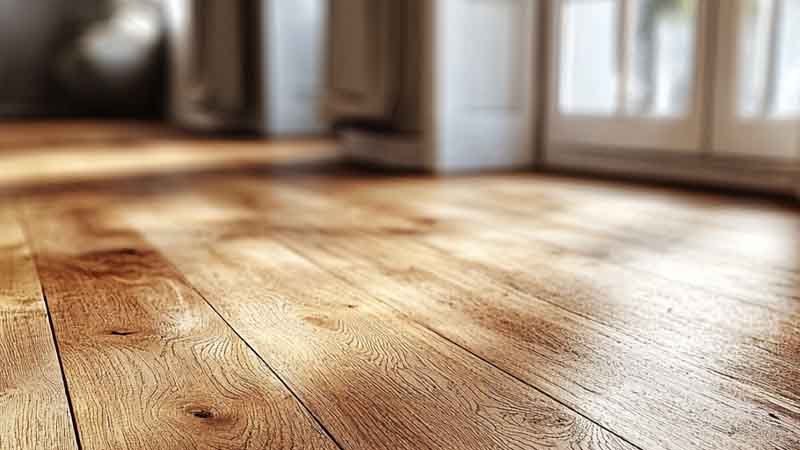
Choosing the right LVT flooring is crucial for both aesthetics and functionality. Here are the factors to consider:
- Residential vs. Commercial Use: If you’re installing LVT in a high-traffic commercial space, you’ll need a more durable, thick wear layer. For residential use, a thinner layer may be sufficient.
- Foot Traffic and Durability: Consider how much foot traffic the area will experience. High-traffic areas like hallways or kitchens will need thicker, more durable LVT.
- Style and Design: With a wide range of styles and designs available, think about the overall aesthetic of your space. Whether you prefer the look of natural wood or sleek stone, LVT can meet your needs.
- Thickness and Wear Layer: LVT flooring comes in various thicknesses, with the wear layer usually ranging from 0.3mm to 0.7mm.The greater the thickness of the wear layer, the more durable and resistant the flooring will be to scratches and daily wear.
- Installation Type: Choose between click-lock and glue-down options based on your preferences and installation skills. Click-lock systems are easier for DIY projects, while glue-down options are often better for commercial settings.
How to Install LVT Flooring?
Installing LVT is relatively simple, especially with the click-lock system. Here’s how to do it:
- DIY vs. Professional Installation: LVT can be installed by homeowners with basic DIY skills. However, professional installation is recommended for large spaces or areas with complex layouts.
- Click-Lock Installation: Simply click the planks together, ensuring the seams are aligned. This is the easiest method and is often used for residential projects.
- Glue-Down Installation: For more secure installation, apply glue to the subfloor and press the tiles or planks into place. Make sure the subfloor is clean, dry, and level before beginning installation.
- Subfloor Preparation: Ensure your subfloor is smooth, dry, and clean. Any imperfections could affect the alignment and lifespan of your LVT flooring.
How to Maintain LVT Flooring?

Proper maintenance is key to ensuring the longevity of your LVT floors:
- Regular Cleaning: Sweep regularly to prevent dirt from scratching the surface. Mop occasionally with a mild cleaner.
- Stains and Spills: Clean spills promptly to avoid staining.For stubborn stains, use a soft cloth along with a mild cleaner.
- Repair Minor Damage: Scratches and dents can be repaired with a floor repair kit, or by replacing individual planks if necessary.
Conclusion
In conclusion, LVT flooring is a fantastic choice for anyone looking for a durable, versatile, and cost-effective solution for their flooring needs. Whether you’re outfitting a home or a commercial space, LVT offers a wide range of styles and designs to suit any aesthetic. With proper care, LVT can last for many years, making it an investment worth considering.
FAQ
How durable is LVT flooring compared to hardwood floors?
LVT flooring is generally more durable than hardwood, especially in moisture-prone areas like kitchens and bathrooms. It’s resistant to water damage and stains but may be prone to scratches. Hardwood floors are durable but require more maintenance to prevent damage from moisture and wear.
Can LVT flooring be installed in bathrooms or kitchens?
Yes, LVT flooring is waterproof, making it an excellent choice for moisture-prone areas such as bathrooms and kitchens. Its ability to withstand water and humidity helps prevent warping and damage, unlike hardwood or laminate flooring, which can swell or peel in these environments.
What is the best underlayment for LVT flooring?
The best underlayment for LVT flooring is IXPE foam. It offers excellent cushioning, soundproofing, and moisture protection, helping to prolong the life of the flooring. It also reduces footfall noise, making it ideal for residential and commercial spaces that require a quieter, more comfortable surface.
Is LVT flooring suitable for pets and heavy foot traffic?
Yes, LVT flooring is suitable for homes with pets and heavy foot traffic. Its durable surface resists scratches and scuffs, and it’s easy to clean. For optimal performance, choose LVT with a strong wear layer that offers additional protection against pet claws and high foot traffic areas.
Is it possible to install LVT flooring myself, or should I hire a professional?
LVT flooring is designed for DIY installation, particularly click-lock planks, which don’t require glue. However, for larger projects or complex layouts, professional installation ensures proper alignment, smooth subfloor preparation, and a more efficient installation process. It’s a personal decision based on experience and space size.