Introduction
In today’s rapidly advancing technological landscape, static electricity is an invisible, yet ever-present force that can wreak havoc in industries ranging from electronics to manufacturing. We’ve all seen a spark when you touch a doorknob after walking across a carpet, a tiny shock that can leave you momentarily stunned. Now, imagine that shock transferred to expensive electronic equipment or a delicate circuit board. That small jolt could render a multi-million-dollar piece of machinery useless. The culprit? Electrostatic discharge, or ESD.
Fortunately, there’s a simple solution: conductive foam. As a critical player in the world of static control, conductive foam helps mitigate the risks associated with ESD, safeguarding the integrity and functionality of sensitive electronic components. In this guide, we will dive deep into the world of conductive foam, explore its uses, types, and benefits, and provide clear guidance on how to select the right foam for your specific needs.
So, whether you’re designing an ESD-sensitive workstation or packaging delicate electronics for shipping, you’re about to discover how to make an informed choice when it comes to choosing conductive foam.
What is Conductive Foam?
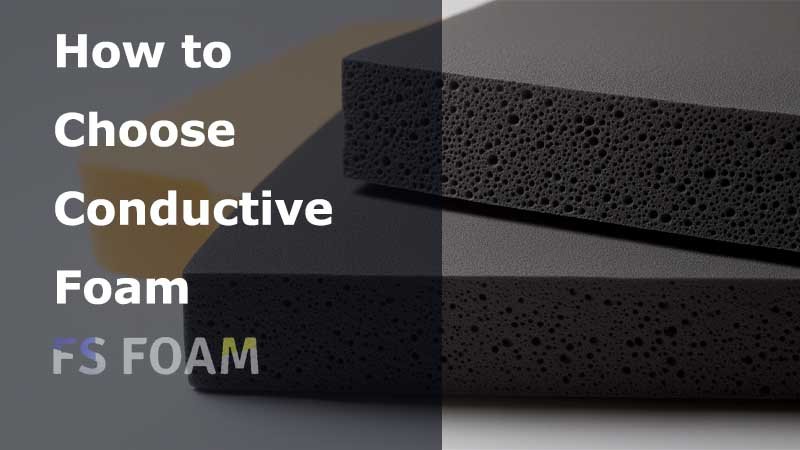
At its core, conductive foam is a material designed to prevent the buildup of electrostatic charge, thereby safeguarding electronics from the damaging effects of ESD. Unlike other types of foam that are designed to either dissipate or prevent static, conductive foam specifically works by providing a direct path for the electrostatic charge to flow to the ground.
There are different categories of foam used in ESD protection, each designed for specific needs. Conductive foam is the most robust of these, ensuring that any static electricity is rapidly neutralized. But how does it compare to anti-static and dissipative foams, you ask?
- Anti-static foam: This type of foam inhibits the generation of static charges but doesn’t conduct them to the ground. It’s more of a passive approach to managing ESD.
- Dissipative foam: Similar to anti-static, but with slightly different properties—it slows the accumulation of static electricity, allowing it to dissipate gradually.
Conductive foam, on the other hand, offers an active solution, ensuring that static charge is not only controlled but is immediately redirected away from sensitive components.
The primary uses of conductive foam are in the electronics and packaging industries, where the need for precise, reliable protection of electronic components is paramount. This foam is used extensively in the storage, transportation, and handling of circuit boards, chips, and other delicate devices.
Why is Conductive Foam Important?

Let’s take a step back and understand the problem conductive foam is designed to solve. Electrostatic discharge (ESD) is the sudden flow of electricity between two electrically charged objects. If you’ve ever felt the shock of touching a metal object after walking on a carpet, you’ve experienced ESD firsthand. But for most people, the shock is harmless. Not so for electronics.
For sensitive electronic components—especially semiconductors and integrated circuits (ICs)—even the smallest ESD event can cause catastrophic failure. The damage can range from minor malfunctions to destruction of the component. Imagine an entire circuit board rendered useless by a single, seemingly harmless spark. The financial and operational consequences are severe, and the need to protect these components cannot be overstated.
Conductive foam comes to the rescue by ensuring that any static buildup in its vicinity is immediately redirected to the ground, preventing the risk of ESD. It’s a preventative measure that plays a critical role in maintaining the reliability and longevity of electronic devices, thus saving businesses from costly damages and production delays.
Types of Conductive Foam
Now, let’s explore the different types of conductive foam available. Not all conductive foams are created equal. The type of foam you choose depends on the specific demands of your application.
- Polyurethane Conductive Foam: Polyurethane is a popular choice for conductive foam because of its excellent balance of performance, durability, and flexibility. It’s commonly used in electronics packaging, as well as in workstations where handling sensitive components is a daily task. Polyurethane foam is especially effective in applications that require soft cushioning while still offering reliable conductivity.
- Polyethylene Conductive Foam: Polyethylene is a more rigid material compared to polyurethane, offering superior durability. The most common types are conductive IXPE foam and EPE foam. It is commonly used in applications that require stiffness and structural support, such as transportation and long-term storage of electronic components. Polyethylene conductive foam is ideal for situations where the foam needs to maintain its shape under stress while providing effective ESD protection.
- Other Conductive Foam Materials: Though less common, there are a variety of other materials used for conductive foam, such as PVC-based foams and conductive rubber foams. These materials may offer specialized properties like greater heat resistance or flexibility, depending on the specific requirements of the application.
Each type of foam has its own set of advantages, and choosing the right one requires an understanding of your application’s unique needs.
Applications of Conductive Foam

Conductive foam serves a multitude of functions across various industries. Let’s explore some of the most common uses of this essential material.
- Electronics Packaging: One of the most widespread uses of conductive foam is in the packaging of electronic components. Whether it’s for shipping or storage, the foam serves as a protective barrier, ensuring that circuit boards and chips are shielded from static buildup during transit. Without proper protection, even a minor static shock could damage these delicate components, resulting in costly failures.
- Storage and Handling: In manufacturing environments, conductive foam is used to store and handle sensitive parts, especially those in clean rooms or ESD-controlled areas. The foam ensures that components like semiconductors, microchips, and ICs remain free from static-induced damage while being handled or processed.
- Workstation Use: When assembling or testing electronics, the conductive foam provides a safe, static-free environment for workers to interact with sensitive components. Whether it’s a repair workstation or a production line, the foam serves as an effective grounding medium, ensuring that ESD doesn’t disrupt the workflow.
- Transportation: Transporting delicate electronics, whether across town or around the world, can expose them to hazardous conditions. Conductive foam provides a layer of protection that ensures static is prevented during movement, offering peace of mind that products arrive in perfect condition.
How to Choose the Right Conductive Foam?

Choosing the right conductive foam isn’t a one-size-fits-all decision. Several factors must be considered to ensure that the foam you select meets your specific requirements. Let’s walk through these critical factors.
- Conductivity Range (Surface Resistivity and Volume Resistivity): The conductivity of the foam is a key determinant of its effectiveness in ESD protection. Surface resistivity and volume resistivity are two important parameters to measure. Surface resistivity indicates how easily electricity can flow along the surface of the foam, while volume resistivity measures how easily current can pass through the foam. You’ll need to match the foam’s resistivity with the needs of your application.
- Foam Density and Thickness: The density and thickness of the foam affect its ability to cushion and protect components, as well as its resistance to wear over time. Thicker and denser foam generally offers more protection, but it also tends to be stiffer and less flexible. The foam’s density should be chosen based on how much cushioning is needed, while its thickness should align with the size of the components being protected.
- Material Compatibility with Electronic Components: Different foams offer different levels of compatibility with various materials. Polyethylene and polyurethane are often used because they are gentle on electronics while providing effective conductivity. It’s crucial to consider the chemical properties of the foam to ensure it doesn’t react negatively with the components you’re protecting.
- Industry Certifications and Standards: It’s essential to ensure that the conductive foam you choose meets industry standards and certifications, such as ESD S20.20 or IEC 61340-5-1. These standards outline the requirements for effective ESD control in electronics manufacturing environments and will help guide your selection.
How Conductive Foam Works?
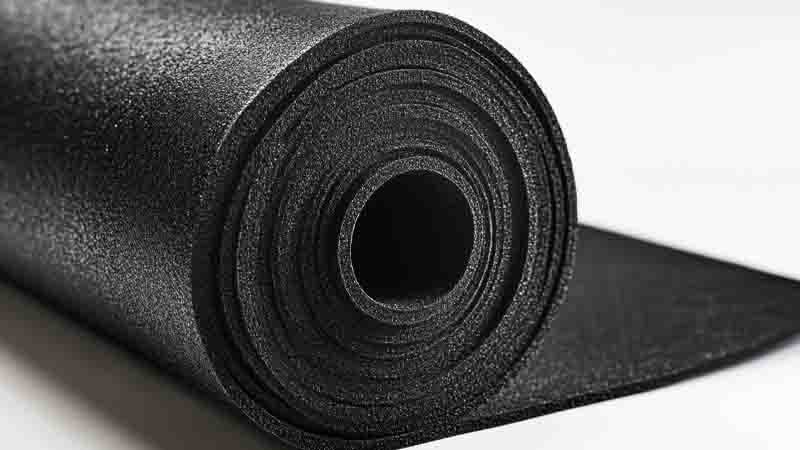
You might be wondering—how exactly does conductive foam work? The secret lies in its ability to provide a continuous, low-resistance path to the ground. When static electricity begins to accumulate on the foam’s surface, it’s immediately transferred to the ground, neutralizing the charge and preventing any dangerous buildup.
Unlike dissipative foam, which simply slows down the buildup of static electricity, conductive foam actively channels the charge away from sensitive electronics, ensuring that no dangerous spark is ever allowed to form. It’s this combination of active protection and rapid discharge that makes conductive foam an indispensable tool in the world of ESD control.
Benefits of Using Conductive Foam
When it comes to ESD protection, conductive foam provides several benefits that make it an invaluable material. Here’s why you should consider using it in your operations:
- Effective Prevention of ESD Damage: The primary benefit is obvious—conductive foam prevents ESD damage, keeping sensitive electronic components safe from static-induced failure.
- Increased Reliability and Longevity of Electronics: By shielding electronics from ESD, the conductive foam helps ensure that your devices perform optimally and have a longer lifespan.
- Cost-Effectiveness: Compared to the cost of replacing damaged electronic components or dealing with production downtime, the price of conductive foam is minimal, making it a highly cost-effective solution.
- Enhanced Safety: In environments with high static risks, conductive foam adds an extra layer of safety, ensuring that ESD is not a concern for workers, technicians, or products.
How to Care for and Maintain Conductive Foam?
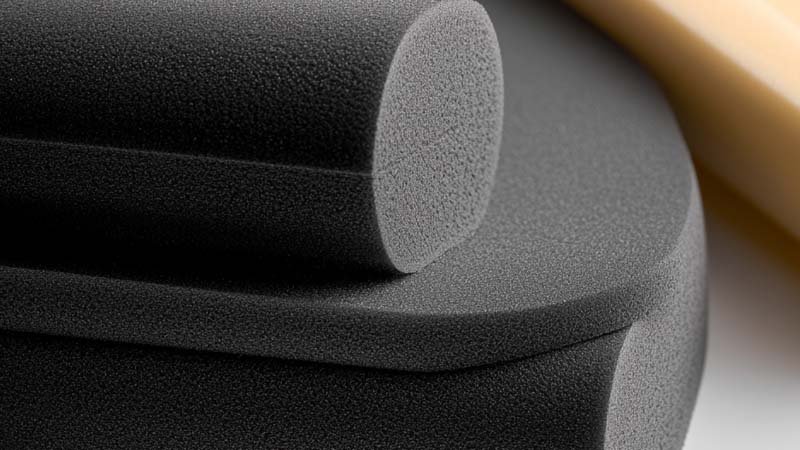
Like any other material, conductive foam requires proper care
to maintain its effectiveness. Store foam in a cool, dry place and avoid exposing it to harsh chemicals, dust, or excessive heat. Proper cleaning and maintenance practices will ensure that the foam retains its conductivity over time, continuing to provide top-notch ESD protection.
Common Mistakes to Avoid
When choosing and using conductive foam, it’s easy to make mistakes that can result in insufficient ESD protection. Common pitfalls include:
- Choosing Foam with Improper Conductivity: Make sure to select foam with the correct resistivity range for your application.
- Using Foam in Non-ESD-Sensitive Environments: Conductive foam is not needed in all environments—using it where it’s not required can be wasteful.
- Neglecting Proper Maintenance: Keeping foam clean and well-maintained is crucial to its performance. Regular inspections and care will prevent degradation over time.
Conclusion
In conclusion, conductive foam is an essential tool for protecting sensitive electronics from the dangers of electrostatic discharge. By understanding the different types of conductive foam, their applications, and how to select the right foam for your needs, you can ensure that your electronics remain safe and reliable.
FAQs
What is the difference between conductive and anti-static foam?
Conductive foam allows static electricity to flow directly to the ground, protecting sensitive electronics. Anti-static foam prevents static buildup but doesn’t provide a path for discharge.
Can conductive foam be reused?
Yes, conductive foam can be reused as long as it remains clean and undamaged. Ensure it is stored properly to maintain its conductivity.
What certifications should conductive foam have?
Look for ESD S20.20 and IEC 61340-5-1 certifications to ensure the foam meets industry standards for effective electrostatic discharge (ESD) protection.
Is conductive foam suitable for all electronic components?
Conductive foam is best for protecting sensitive components like circuit boards, chips, and semiconductors. It’s not necessary for non-ESD-sensitive components.
How do I choose the right conductive foam for my application?
Consider factors like conductivity (resistivity), foam density, material compatibility, and specific application needs (e.g., storage, transport, or handling) to choose the correct conductive foam for your products.