Introduction
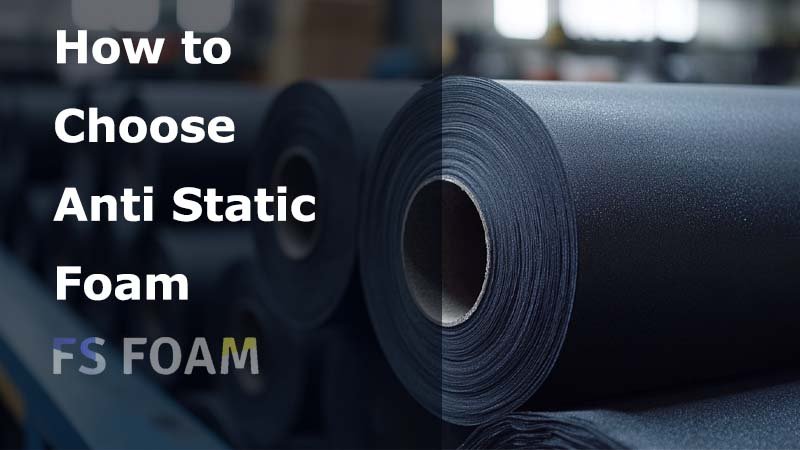
When it comes to protecting electronics, anti-static foam is a must-have. Whether you’re packaging, storing, or handling electronic components, this foam helps keep them safe from electrostatic discharge (ESD). ESD happens when static electricity builds up and suddenly releases, which can damage sensitive devices like circuit boards and integrated circuits. In this guide, we’ll explain what anti-static foam is, why it’s important, how to choose the right kind, and how it helps protect your electronic equipment.
What is Anti-Static Foam?
Anti-static foam is a special type of foam that helps prevent the buildup of static electricity. It works by slowly releasing any static charge that might build up on it, rather than letting it build up and cause damage. This makes it an essential material for protecting electronics from electrostatic discharge (ESD).
There are different types of anti-static foam, and they provide different levels of protection:
- Anti-static foam: Prevents the build-up of static electricity but does not conduct electricity.
- Dissipative foam: Slows down the release of static, allowing it to discharge gradually.
- Conductive foam: Quickly releases static by letting it flow through the foam.
Depending on how sensitive the electronics are, you’ll need to choose the right type of foam.
Why is Anti-Static Foam Important?
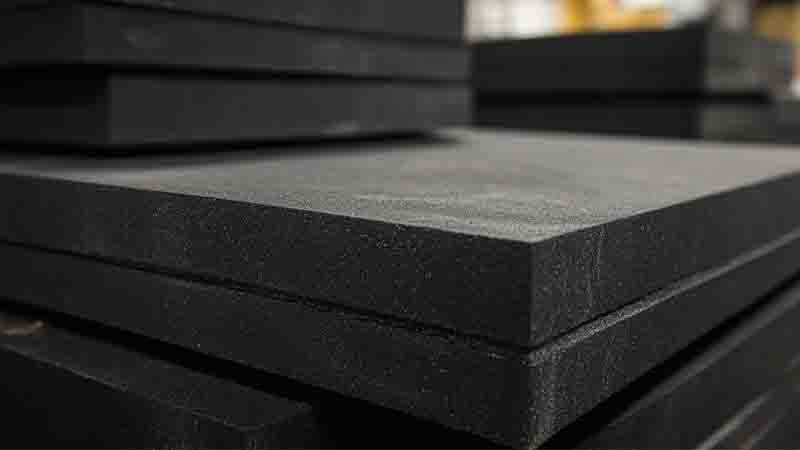
Static electricity can cause huge problems for sensitive electronics. Even a tiny amount of ESD can damage PCBs (Printed Circuit Boards), ICs (Integrated Circuits), and other delicate parts. This can lead to malfunctions, failure, or even complete breakdowns of electronic devices.
Anti-static foam protects electronics by preventing static charges from building up. This protection is especially important when packaging, shipping, or storing electronic components. Without it, you risk damaging your valuable electronics just from handling them or moving them around.
Types of Anti-Static Foam
When choosing anti-static foam, it’s important to understand the different types available. Each type has different properties and is suited to different applications.
Anti-Static PE Foam
Anti-static polyethylene (PE) foam is commonly used in general applications. It prevents the build-up of static electricity, making it a good choice for most everyday use cases where high-level protection isn’t needed. It is also lightweight, flexible, and relatively low-cost.
Conductive Foam
Conductive foam provides the highest level of protection because it allows static electricity to flow through it. This type of foam is ideal for highly sensitive electronics, such as those used in military or aerospace applications, where even the smallest ESD can cause serious damage. It is typically used for long-term storage or shipping of very delicate components.
Dissipative Foam
Dissipative foam falls between anti-static and conductive foam in terms of protection. It allows static electricity to slowly discharge, making it suitable for situations where a moderate level of protection is needed. This type of foam is commonly used in environments where the risk of static build-up is lower but still present, like in assembly lines or storage areas for electronics.
Features of Anti-Static Foam
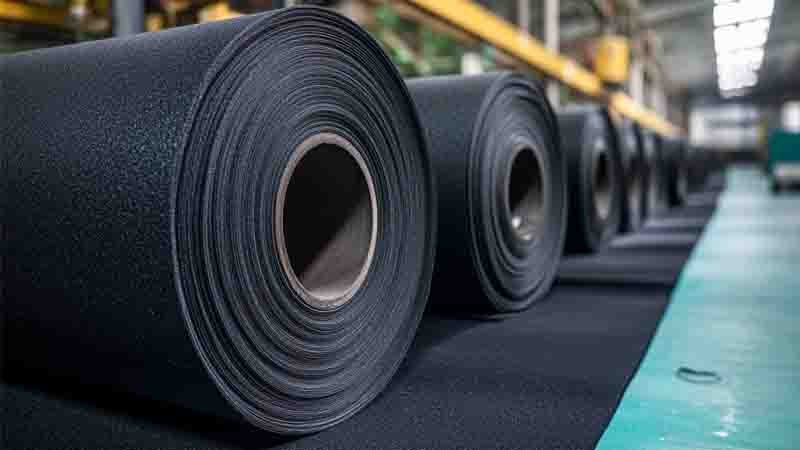
Anti-static foam is not just about preventing static. It also has other important features that make it useful for various applications.
- Long-lasting Protection: Anti-static foam maintains its ability to dissipate static for a long time, ensuring your electronics stay safe during storage and transport.
- Non-toxic and Eco-Friendly: Most anti-static foams are safe for the environment. They are often recyclable and do not release harmful chemicals.
- Shockproof and Weather-resistant: Besides protecting from static, anti-static foam also helps protect electronics from physical damage caused by shocks or extreme weather conditions.
- Variety of Forms: Anti-static foam can be made in many shapes and sizes, such as sheets, blocks, trays, or rolls. This allows you to choose the right form for your specific needs.
- Color Options: While black is most common, pink and other colors are used to indicate the level of protection the foam offers.
Physical Properties of Anti-Static Foam
When choosing the right anti-static foam, it’s important to know its physical properties. These include factors like density, resistivity, and strength, which determine how well the foam will protect your electronics.
Here’s a table comparing the properties of anti-static foam, conductive foam, and dissipative foam:
| Property | Anti-Static Foam | Conductive Foam | Dissipative Foam |
|---|---|---|---|
| Surface Resistivity | 10⁶ to 10⁹ ohms | <10⁴ ohms | 10⁵ to 10⁶ ohms |
| Density | 40-100 kg/m³ | 40-100 kg/m³ | 40-100 kg/m³ |
| Tensile Strength | >0.5 MPa | >0.5 MPa | >0.5 MPa |
| Elongation | >150% | >150% | >150% |
| Tearing Strength | >1.2 N/mm | >1.2 N/mm | >1.2 N/mm |
| Electrostatic Attenuation | <5 seconds | Instant discharge | <5 seconds |
| Abrasion Resistance | <100 V | <100 V | <100 V |
- Surface Resistivity: This is a measure of how much resistance the foam offers to the flow of static electricity. Conductive foam has the lowest resistivity, meaning it releases static electricity the fastest, while anti-static foam has higher resistivity and releases static more slowly.
- Density and Tensile Strength are important because they tell you how durable and strong the foam is. Higher density usually means the foam is sturdier.
- Electrostatic Attenuation: This tells you how quickly the foam will discharge static electricity. Conductive foam discharges static instantly, while dissipative foam takes a little longer.
4 Types of ESD Foam
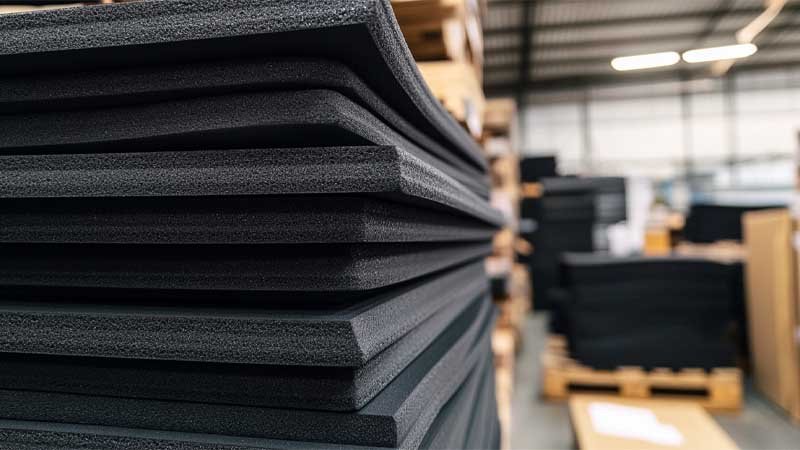
While anti-static foam is commonly used to protect electronics from static buildup, there are also several ESD foam options, each suited for different needs. These foams work similarly to anti-static foam but are specifically designed to dissipate or prevent static electricity in environments where electrostatic discharge (ESD) is a concern.
ESD PE Foam
ESD polyethylene (PE) foam, also named ESD IXPE foam, is a lightweight, cost-effective option often used for packaging and protecting delicate electronics. It offers a balance of protection from static while being gentle enough for long-term storage. ESD PE foam is commonly used for low-risk applications where moderate protection is needed.
ESD EVA Foam
ESD EVA foam is a more flexible and shock-absorbing type of foam. It combines ethylene-vinyl acetate (EVA) with anti-static properties, making it ideal for applications where both static protection and cushioning are necessary. ESD EVA foam is commonly used in packaging delicate electronics like mobile phones and laptops.
ESD EPE Foam
ESD expanded polyethylene (EPE) foam is a strong and durable foam that provides both shock absorption and static protection. It is ideal for packaging applications where protection from both physical impacts and ESD is critical. It is often used for heavy-duty electronics packaging, such as computers and TVs.
ESD PU Foam
ESD polyurethane (PU) foam is a high-density foam with excellent shock absorption and static dissipation properties. ESD PU foam is often used for applications that require extra durability, such as storing or transporting sensitive machinery or medical equipment. Its high durability makes it suitable for both long-term storage and transportation.
Comparison of the 4 types of ESD Foam
| Property | ESD PE Foam | ESD EVA Foam | ESD EPE Foam | ESD PU Foam |
|---|---|---|---|---|
| Color | Typically Black | Typically Black, Blue, Red | Typically Black, Pink, Red | Typically Black or Pink |
| Material | cross link Polyethylene (PE) | Ethylene-Vinyl Acetate (EVA) | Expanded Polyethylene (EPE) | Polyurethane (PU) |
| Size | Available in sheets, rolls, or custom shapes | Available in sheets, rolls, or custom shapes | Available in sheets, rolls, or custom shapes | Available in sheets, rolls, or custom shapes |
| Surface Resistance | 103 – 105 or 10⁶ – 10⁹ ohms | 103 – 105 or 10⁶ – 10⁹ ohms | 108– 1011ohms | 103 – 105 or 10⁶ – 10⁹ ohms |
| Cell Structure | Open or Closed Cell | Closed Cell | Closed Cell | Open Cell |
| Anti-Static Time | Permanently | Permanently | Around half a year | Around half a year |
Applications of Anti-Static Foam
Anti-static foam is used in many industries to protect sensitive electronics. Here are some key areas where it’s commonly applied:
- Electronics Packaging: One of the most common uses of anti-static foam is for packing delicate electronic components. PCBs, ICs, and other parts are often stored or shipped in anti-static foam to prevent any ESD damage.
- Manufacturing: During the production of electronics, anti-static foam can be used on assembly lines to prevent static build-up as parts are handled.
- Military and Aerospace: In industries where electronics are mission-critical, such as military or aerospace, anti-static foam is essential to keep components safe from damage during transport or storage.
- Storage: Anti-static foam is also used for storing sensitive electronics when they are not in use. This ensures that the components stay safe from static build-up during long-term storage.
How to Choose the Right Anti-Static Foam?
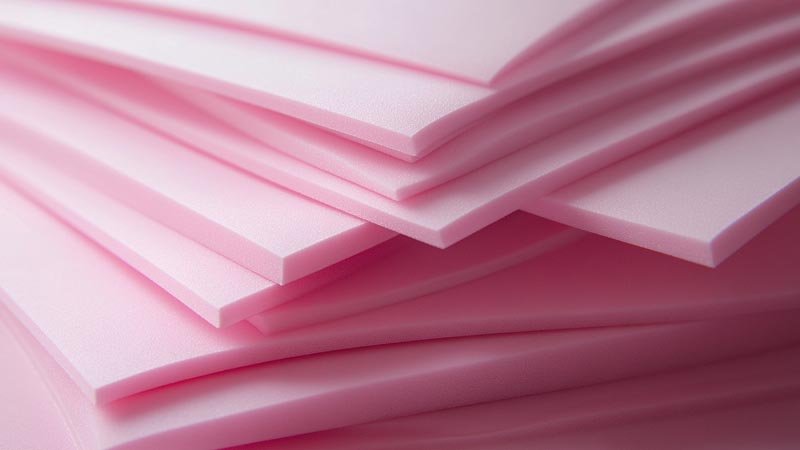
When selecting anti-static foam, consider the following factors:
- Type of Foam: Decide whether you need anti
- static, dissipative, or conductive foam based on the level of protection your electronics require.
- Density and Strength: Choose foam with the right density and strength to match your needs. For heavy-duty applications, opt for high-density foam.
- Shape and Size: Ensure that the foam fits the electronic components you need to protect, whether you need sheets, blocks, or custom-cut foam.
- Compliance: Check if the foam complies with relevant standards like RoHS (Restriction of Hazardous Substances) and REACH for environmental safety.
Conclusion
Anti-static foam plays a crucial role in protecting electronics from static electricity, which can cause serious damage. Whether you’re looking to package, store, or transport delicate components, choosing the right foam material ensures that your electronics stay safe and functional. Consider factors like foam type, durability, and application to make the best choice for your needs.
FS FOAM has more than 10 years of experience in the foam industry, if you need your help in your anti-static foam project, please feel free to reach us.
FAQs
What is the difference between anti-static foam and conductive foam?
- Anti-static foam prevents static from building up, whereas conductive foam allows static electricity to discharge quickly. Conductive foam provides a higher level of protection, especially for sensitive electronics.
Is anti-static foam reusable?
- Yes, anti-static foam is reusable, but it may lose its anti-static properties over time depending on exposure to moisture and other environmental factors. It’s important to check periodically to ensure it still offers effective protection.
Can I use anti-static foam for all types of electronics?
- Anti-static foam is suitable for most electronic components, but for highly sensitive equipment, conductive foam or dissipative foam may be needed for better protection.
How should anti-static foam be stored?
- The anti-static foam should be stored in a dry, cool place to maintain its anti-static properties. Avoid direct exposure to sunlight or harsh chemicals that might degrade its performance.
What is the lifespan of anti-static foam?
- The lifespan of anti-static foam varies depending on usage and environmental conditions. Typically, it can last for several years if stored and handled correctly.