
When it comes to surfing, picking the right surfboard can make all the difference between catching the perfect wave and wiping it out. Whether you’re a beginner feeling the thrill of your first wave or an experienced surfer looking for a board that matches your style, the right surfboard can transform your experience. But with so many options, how do we know which one to pick? That’s where this guide comes in. We’ll walk you through everything you need to know, from understanding what a surfboard is to how to choose the right size and materials.
What is a Surfboard?
In simple terms, a surfboard is a long, buoyant board used for riding waves. Surfers stand or lie on the board and use the power of the ocean to glide across the water. But there’s so much more to it than that! The surfboard has evolved over centuries, changing in shape, size, and materials as surf culture has grown.
A Brief History
Surfboards trace their origins to ancient Hawaii, where the first surfers carved boards out of wood. These wooden boards were often heavy and difficult to maneuver, but they were the foundation of modern surfing. Over time, boards became lighter and more flexible with the introduction of new materials like foam, fiberglass, and resin. Today, surfboards come in various shapes, sizes, and designs, tailored for different styles of surfing and wave conditions.
Common Types of Surfboards
- Shortboards: These are the go-to choice for surfers looking for performance. They’re designed for quick turns and fast maneuvers.
- Longboards: Larger and more stable, longboards are great for beginners and those who enjoy a more relaxed, traditional style of surfing.
- Funboards: A hybrid between shortboards and longboards, these boards offer a balance of stability and maneuverability.
No matter your level of experience, there’s a surfboard designed to help you ride the waves.
Why is surfing popular?

Surfers are a unique breed, and surfing isn’t just a sport—it’s a lifestyle. For many, it’s a way to connect with nature and experience the thrill of riding the ocean’s waves.
The Appeal of Surfing
The sense of freedom and exhilaration that comes with catching a wave is unmatched. Surfing allows people to experience the ocean in a way few other activities can. It’s not just about the ride; it’s about the entire experience—the sound of the waves, the sun on your face, and the connection to nature.
Fitness and Relaxation
Surfing is an excellent full-body workout. It builds strength, balance, and endurance, especially for your core and upper body. But it’s not just about physical fitness—surfing is also incredibly relaxing. The ocean has a calming effect, and many surfers report a sense of mental clarity and stress relief after a session in the water.
Cultural Significance
From California’s sunny beaches to Australia’s rugged coastlines, surfing has become part of the global culture. Surfing has its language, fashion, and art, creating a unique community of people who share a love for the waves.
Surfboard Structure
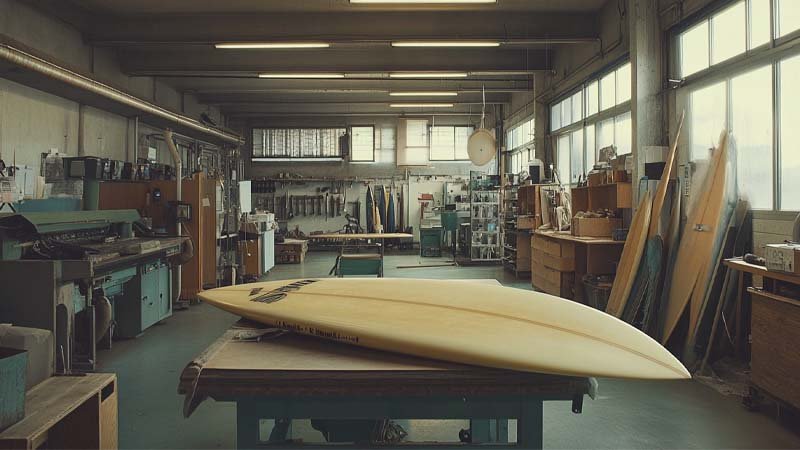
Understanding the basic components of a surfboard is essential when choosing the right one. A surfboard is made up of several key parts, each of which affects how the board performs.
Key Components of a Surfboard
- Nose: The front tip of the board. The shape of the nose affects the board’s ability to catch waves.
- Tail: The rear part of the board. Different tail shapes influence how the board turns in the water.
- Deck: The top surface of the board, where the surfer stands.
- Rails: The edges of the board. Rails affect how the board carves through the water.
- Bottom: The underside of the board. The shape of the bottom impacts speed and control.
Rocker, Concave, and Other Structural Elements
- Rocker: This refers to the curve of the surfboard from nose to tail. A board with more rocker is better for maneuverability, while a flatter rocker helps with speed.
- Concave: This is the slight dip in the board’s bottom. Concaves increase lift and control, making the board easier to handle.
Each of these components plays a role in how the surfboard performs in different conditions.
Materials for Making Surfboards
Traditional surfboards were made from wood, but today’s boards use a variety of materials, each with different properties that affect performance.
Traditional Materials
- Wood: The original material for surfboards. While still used in some boards, wood is heavy and less durable than modern materials.
- Fiberglass and Resin: These materials are used to coat the foam core, providing strength, flexibility, and a smooth finish.
Modern Materials
- Carbon Fiber: Lightweight and incredibly strong, carbon fiber is used in high-performance boards. It’s also more responsive to changes in speed.
- Epoxy: A more eco-friendly option, epoxy resin is lighter and stronger than traditional fiberglass.
The Role of Materials
The materials used in a surfboard affect its durability, weight, and performance. Lightweight materials help with maneuverability, while stronger materials offer better durability. Modern materials like epoxy and carbon fiber also improve the board’s responsiveness.
Several Foam for Surfboard Blanks: PU, EPS, XPS
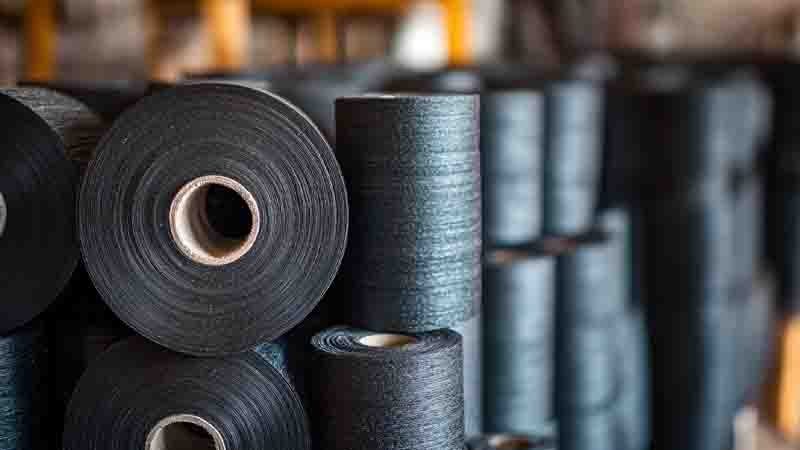
The core of the surfboard, or “blank,” is made from different types of foam. Let’s break down the three most common types of foam used in surfboard blanks: PU, EPS, and XPS.
PU (Polyurethane)
PU foam is the classic choice for surfboards. It’s flexible, responsive, and has a great feel in the water. These boards tend to be heavier than other types, but they offer a smooth, buttery ride. For experienced surfers who like to feel the board under their feet, PU boards are a favorite.
EPS (Expanded Polystyrene)
EPS foam is a lightweight, strong, and eco-friendly option. It’s less dense than PU foam, which means it offers better buoyancy. EPS boards are often used in boards that require a high strength-to-weight ratio, like performance shortboards. They also tend to be more environmentally friendly, as the foam is recyclable.
XPS (Extruded Polystyrene)
XPS foam is a more durable option. It’s water-resistant and is used in high-performance surfboards. These boards are typically more durable and can withstand the rigors of heavy surf. XPS boards are also denser, giving them a more responsive feel in the water.
Comparison of PU, EPS, and XPS
| Feature | PU (Polyurethane) | EPS (Expanded Polystyrene) | XPS (Extruded Polystyrene) |
|---|---|---|---|
| Weight | Heavier than EPS and XPS | Lightest among the three | Moderate weight, heavier than EPS but lighter than PU |
| Buoyancy | Moderate | Highest buoyancy, making it great for beginners | Moderate buoyancy |
| Strength | Less durable, prone to water absorption | Less durable, more prone to damage | Most durable, resistant to water absorption |
| Environmental Impact | Not eco-friendly, non-recyclable | More eco-friendly, recyclable | Moderate environmental impact |
| Flexibility | Flexible, good for high-performance surfboards | Stiff, less flexible than PU | Stiff, but offers better durability than EPS |
| Water Resistance | Prone to absorbing water, can be damaged easily | Susceptible to water damage but can be treated | Highly resistant to water damage |
| Cost | Higher cost | Lower cost, budget-friendly | Moderate cost, more affordable than PU |
| Performance | Great for traditional boards and smooth rides | Ideal for performance boards, excellent for small waves | Best for durability-focused boards in heavy surf |
| Eco-Friendliness | Not environmentally friendly | More eco-friendly, as EPS foam is recyclable | Fairly eco-friendly compared to PU but less than EPS |
IXPE Foam in Surfboards
One material that has gained popularity in recent years is IXPE foam. It’s typically used in the surface layer of a surfboard, with a thickness of about 4-5mm. IXPE foam is a high-density, closed-cell foam that adds durability and comfort to the board. It can be customized in various colors and densities, often with a density of around 100kg/m³, to suit different types of surfers.
Benefits of IXPE Foam
- Durability: IXPE foam is incredibly durable and resistant to wear and tear, making it ideal for surfers who want a board that lasts.
- Comfort: The foam’s cushioning properties provide extra comfort, especially when paddling out.
- Performance: While it’s primarily used for the outer layer, IXPE foam can help increase the board’s responsiveness and performance.
How to Choose a Surfboard?

Choosing the right surfboard depends on several factors: your skill level, the type of waves you plan to surf, and your surf style.
Factors to Consider
- Skill Level: Beginners should look for longer, wider boards, like a longboard or funboard, as they offer more stability. Advanced surfers may prefer a shortboard for quick turns and agility.
- Wave Conditions: For small, mushy waves, a bigger board will give you more paddling power. In bigger, more powerful waves, a smaller board helps with maneuverability.
- Surf Style: Your preferred style of surfing can also affect your board choice. If you like aggressive maneuvers, a shortboard might be best. For a more relaxed style, a longboard could be the right fit.
How to Choose the Right Size of Surfboard?
Board Size and Shape
The size of your surfboard is determined by your height, weight, and the wave conditions. A larger board provides more stability and is easier to paddle, while a smaller board is more maneuverable.
Tips for Beginners
For beginners, we recommend a longboard or funboard with a size between 8 and 9 feet. These boards offer better balance and are easier to catch waves with. As you gain experience, you can move down to a smaller board.
Experience Level and Size
If you’re an advanced surfer, you’ll want a smaller, lighter board, as it will give you more control and speed in the waves.
How to Choose the Types and Shapes of Surfboard?

The shape of your surfboard plays a big role in how it performs
. From the nose to the tail, the curvature of the board can make a huge difference in speed, control, and maneuverability.
- Shortboards: These boards are great for aggressive turns and quick maneuvers. They have a pointed nose and narrow tail.
- Longboards: These boards are better for stability and are easier to paddle. They typically have a rounder nose and a wider tail.
- Fish boards: With a wide nose and a split tail, these boards are excellent for smaller waves and offer a fun, loose ride.
How to Care for and Maintain a Surfboard?
To keep your surfboard in top condition, it’s essential to take care of it properly.
Cleaning and Storing
After each surf session, rinse your board with fresh water to remove salt and sand. Always store your board in a cool, dry place, away from direct sunlight.
Common Issues and Repairs
Dings and cracks are common but can be easily repaired with epoxy resin. If the board gets too damaged, consider getting it professionally repaired.
Preventing Damage
Keep your board covered when not in use to prevent sun damage and minimize the risk of cracking.
Conclusion

Choosing the right surfboard is about finding the right balance of size, shape, and materials for your unique needs. Whether you’re just starting or a seasoned surfer, the right board can make a world of difference. So, think about your skill level, wave conditions, and personal preferences. With the right surfboard, you’re not just catching waves—you’re living the dream.
FAQs
What is the best surfboard for beginners?
Longboards or funboards are great for beginners because they offer stability and are easier to paddle.
How do I know if my surfboard is the right size?
Your surfboard should be proportional to your weight and height, with larger boards providing more stability for beginners.
Can I repair a cracked surfboard myself?
Yes, with some epoxy resin and a bit of time, small cracks and dings can be repaired easily at home.
How long should a surfboard last?
With proper care, a surfboard can last several years. However, exposure to the sun, salt water, and impacts can shorten its lifespan.
Are there eco-friendly surfboard options available?
Yes, eco-friendly surfboards are made from recycled materials like EPS foam, plant-based resins, and sustainable wood.