Introduction
When we think of vehicle safety, we typically imagine seatbelts, airbags, or even crumple zones—features that protect passengers in the unfortunate event of a collision. Yet, behind many of these safety measures lies a material that is often overlooked: polyurethane foam.
In today’s automotive design, polyurethane foam is playing an increasingly crucial role in enhancing vehicle safety, particularly when it comes to crash protection.
As cars evolve to meet higher standards of safety, efficiency, and comfort, the materials used in their construction must not only perform well under everyday driving conditions but also during extreme events like crashes.
Polyurethane foam, with its remarkable ability to absorb impact energy, reduce weight, and improve interior comfort, has proven itself indispensable.
Let’s dive deeper into the world of polyurethane foam, its benefits, and its significant role in making vehicles safer.
What is Polyurethane Foam?
Polyurethane foam is a polymer material created through a chemical reaction between polyols and isocyanates.
Depending on the specific formulation and application, it can be made into rigid or flexible foams.
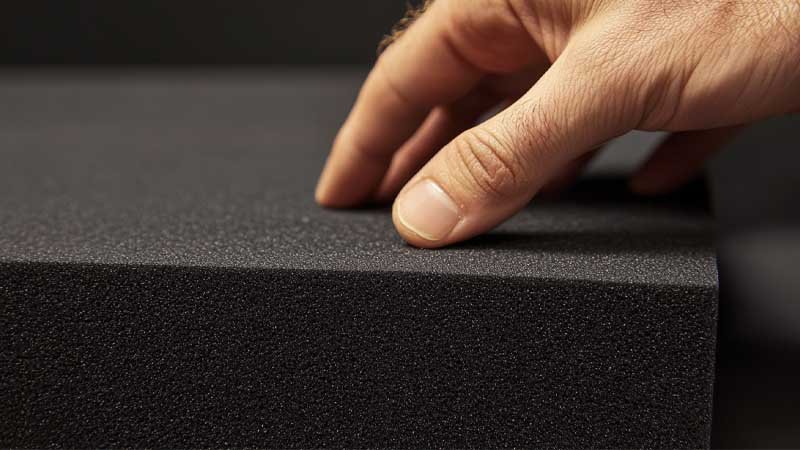
Rigid polyurethane foam has a dense, sturdy structure that offers excellent thermal insulation, while flexible polyurethane foam is soft, resilient, and highly adaptable.
Polyurethane foam is formed by a foaming process where gases are introduced into a liquid mixture, causing it to expand and harden into foam.
This transformation happens in just a few moments, making it ideal for mass production and custom molding.
The material’s unique ability to trap air bubbles within its structure contributes to its lightweight nature and remarkable shock-absorbing qualities.
We manufacture polyurethane foam in various densities and forms, which makes it an incredibly versatile material. Its ability to be molded into virtually any shape allows it to be tailored to the precise needs of automotive design—whether for comfort, safety, or performance.
What are the Benefits of Polyurethane Foam?

Polyurethane foam offers a host of benefits, making it one of the go-to materials in the automotive industry. These advantages make it indispensable in both vehicle safety and overall vehicle performance.
1. Lightweight Yet Durable
One of the most significant advantages of polyurethane foam is its lightweight nature. In the automotive industry, reducing vehicle weight is crucial for improving fuel efficiency, reducing CO2 emissions, and increasing overall vehicle performance. Polyurethane foam provides the perfect solution, offering a lightweight alternative to heavier materials like metal, without compromising durability.
2. Sound-Dampening Properties
Beyond safety, polyurethane foam is also known for its ability to reduce noise. By absorbing sound vibrations, it significantly improves the cabin environment for passengers, reducing road and engine noise. A quieter cabin doesn’t just enhance comfort—it also ensures that drivers can stay focused, especially in high-stress, emergencies where clear communication or hearing emergency signals is vital.
3. Absorbing Impact Energy
Polyurethane foam’s shock-absorbing properties make it an ideal material for improving vehicle crash protection. During a collision, it can absorb a significant amount of the impact energy, distributing the force more evenly across the vehicle structure and thereby reducing the force that is transmitted to the passengers. This can mean the difference between a minor injury and a more severe one in the event of a crash.
4. Versatility and Molding
Whether we’re looking to add comfort to a seat or provide structural integrity to a vehicle, polyurethane foam is incredibly adaptable. Its ability to be molded into different shapes and sizes allows it to serve a variety of roles within a vehicle, from cushioning seats to reinforcing structural elements. This adaptability makes it an ideal material in modern vehicle design, where flexibility and customizability are key.
Types of Polyurethane Foam
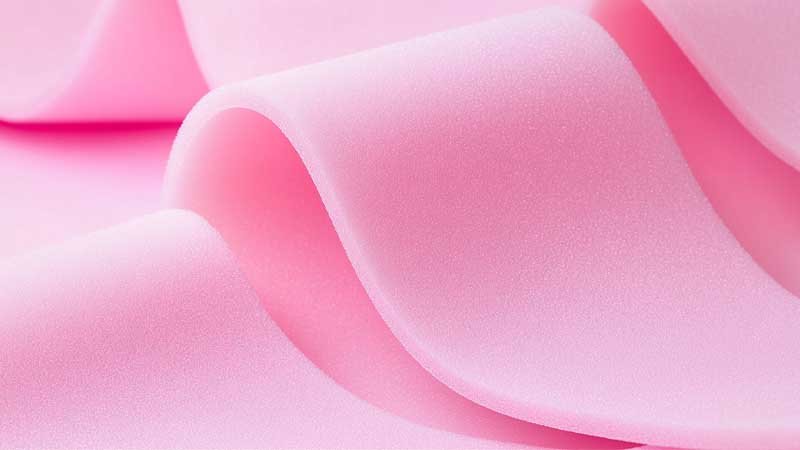
Not all polyurethane foam is created equal. There are different types designed for specific applications, each with its unique set of properties.
Normal Polyurethane Foam
The most common form of polyurethane foam used in automotive applications is regular flexible foam. This foam is typically used in seats, armrests, headrests, and interior panels. Its flexibility, resilience, and cushioning properties make it an excellent choice for providing comfort while also offering a degree of protection in the event of a collision.
Conductive/Anti-static Polyurethane Foam
In addition to standard flexible and rigid foams, polyurethane can be engineered to serve specific needs, such as conductive or anti-static foams. These foams have been treated or designed to control electrical charge, making them ideal for automotive applications that require electrical insulation. For example, these foams might be used in the electronics of modern vehicles, ensuring safe operation and preventing potential electrical hazards during a crash.
What Are the Applications of Polyurethane Foam in Vehicles?
Polyurethane foam plays an essential role in a variety of vehicle components, improving both safety and comfort.
Here are some of the most common and critical applications of polyurethane foam in vehicles:
Interior Applications
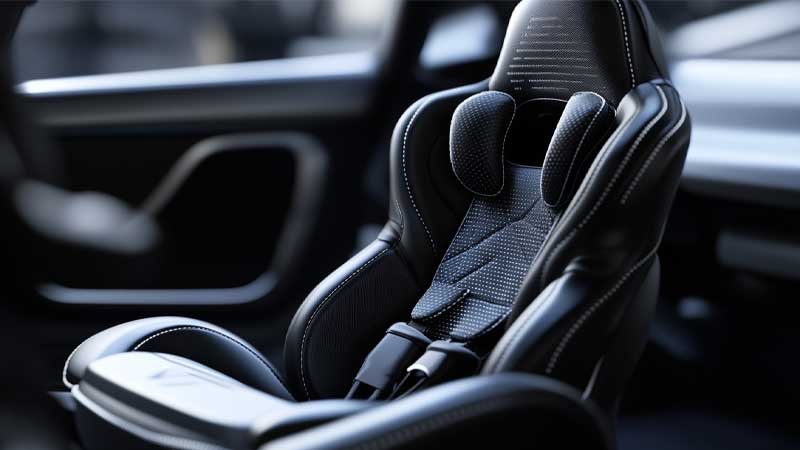
We see polyurethane foam’s impact on vehicle interiors every day. It’s used extensively in seating (both for comfort and safety), headrests, armrests, and even door panels. Its versatility allows for a wide range of customizations, and it provides support where it’s needed most, like in seats that conform to the passenger’s body shape. In terms of safety, polyurethane foam is used in vehicle door panels, dashboards, and other areas to absorb and distribute impact energy.
Crash Safety Applications
In the event of a crash, polyurethane foam serves as an energy-absorbing material in bumpers, side-impact protection panels, and other vehicle structures. Its ability to absorb shock and reduce the force transmitted to passengers makes it an invaluable material in crash safety. Foam-filled bumpers, for instance, can absorb the impact of a collision, protecting both the vehicle and its occupants.
Additional Applications
Polyurethane foam also plays a significant role in vehicle acoustics. By acting as a sound-dampening material, it helps reduce noise from the road, engine, and suspension, allowing for a quieter and more comfortable cabin experience. Moreover, it is used in lightweight structural components, such as the roof and cladding, that contribute to improved crash safety by maintaining vehicle integrity.
How does Polyurethane Foam improve vehicle Safety?
Crash Protection
Polyurethane foam’s primary contribution to vehicle safety is its ability to absorb and dissipate impact energy. When a collision occurs, foam absorbs a significant portion of the shock, spreading it out over a larger area and reducing the force transmitted to passengers. This helps mitigate injuries, particularly in high-impact areas like the front and rear bumpers, side panels, and door structures. Foam-filled bumpers, for example, are designed to crumple upon impact, reducing the force experienced by the vehicle’s occupants.
Safety in Structural Design
In addition to its role in crash protection, polyurethane foam is used to reinforce vehicle structures. Its ability to bond with other materials allows it to be incorporated into various parts of the vehicle, from the front and rear bumpers to side panels. By reinforcing the vehicle’s body, polyurethane foam helps maintain vehicle integrity, keeping the passenger compartment intact during a crash and minimizing injury risk.
Impact on Crash Test Results
In crash tests, vehicles with polyurethane foam perform better in terms of crashworthiness and occupant safety. When standardized tests are conducted, the foam’s ability to absorb impact energy improves overall safety ratings. This makes it an essential component for manufacturers aiming to achieve top crash safety ratings, which are a key factor in consumer decision-making.
Comparison of Polyurethane Foam to Other Materials in Crash Safety
Polyurethane Foam vs. Expanded Polystyrene (EPS)
While expanded polystyrene (EPS) is another commonly used material for crash protection, polyurethane foam offers superior performance. EPS is rigid and can crack under certain impacts, whereas polyurethane foam is more flexible and can absorb energy more efficiently. This makes polyurethane foam a more effective material for automotive applications, especially in areas where the foam needs to deform and absorb energy over a longer period.
Polyurethane Foam vs. Airbags
Airbags are often thought of as the primary means of protecting passengers in a crash, but polyurethane foam plays a complementary role. Airbags deploy rapidly to cushion the passenger during impact, while polyurethane foam absorbs additional shock and impact energy, providing a secondary line of defense. Together, these materials work in tandem to enhance overall crash safety.
Polyurethane Foam vs. Metal
While metal is essential for providing structural rigidity, it lacks the impact-absorbing properties of polyurethane foam. In a crash, metal components may provide some protection due to their strength, but they don’t absorb energy in the same way foam does. This is why polyurethane foam is often used alongside metal in crash-prone areas to enhance the vehicle’s ability to absorb and dissipate impact forces.
Conclusion
Polyurethane foam has proven itself as a pivotal material in improving vehicle safety, particularly in crash protection. Its ability to absorb and distribute impact energy, coupled with its lightweight, sound-dampening, and durable properties, make it an indispensable part of modern vehicle design. As safety standards continue to evolve, the role of polyurethane foam in automotive safety will only grow, ensuring that vehicles remain as safe as possible for passengers, no matter what the road throws their way.
FAQs
1. How does polyurethane foam improve crash safety in vehicles?
Polyurethane foam absorbs impact energy during a collision, reducing the force transmitted to passengers and lowering the risk of injury.
2. What types of polyurethane foam are used in vehicle safety?
Normal polyurethane foam is used in seating and interior components, while conductive and anti-static foams are used for electrical insulation in specific components.
3. Is polyurethane foam recyclable in automotive applications?
Yes, polyurethane foam can be recycled, making it a sustainable option in the automotive industry.
4. Can polyurethane foam be used in electric vehicle crash safety?
Absolutely! Polyurethane foam is used in both traditional and electric vehicles to enhance crash protection and occupant safety.
5. What are the advantages of polyurethane foam over other crash protection materials?
Polyurethane foam excels at energy absorption and flexibility, providing superior protection compared to materials like EPS and metal.