Introduction
When we think about the comfort inside our homes or workplaces, we often focus on the temperature and air quality. But there’s something quietly working behind the scenes, ensuring that every room maintains a comfortable environment: the HVAC system. Heating, ventilation, and air conditioning (HVAC) systems are the backbone of climate control, providing the perfect balance of warmth in the winter, coolness in the summer, and fresh, clean air year-round. However, for these systems to perform at their best, we need to consider every element, including one crucial, often overlooked factor—pipe insulation.
Insulating the pipes of an HVAC system is not just a small addition; it’s an investment that directly impacts the system’s efficiency, energy consumption, and lifespan. In this article, we’ll take a closer look at how pipe insulation plays a role in optimizing HVAC performance, the best materials for this purpose, and how to install and maintain it for long-lasting benefits.
What is an HVAC System?
HVAC stands for Heating, Ventilation, and Air Conditioning. These systems work together to regulate the indoor environment, ensuring that buildings stay at the right temperature and that the air quality remains fresh and breathable.
An HVAC system typically consists of a series of components:
- Heating: This usually includes furnaces, heat pumps, or boilers, designed to heat air or water and distribute it throughout a building.
- Ventilation: A network of ducts and fans that circulate air and remove pollutants, ensuring that there’s a consistent flow of fresh air while expelling stale air.
- Air Conditioning: Cooling units, usually centralized or individual units, that regulate temperature and humidity to maintain a comfortable living space.
The goal of an HVAC system is simple—maintaining indoor comfort. But, behind the scenes, the efficiency of these systems is paramount, as they contribute significantly to energy consumption and indoor air quality. With energy bills rising and environmental concerns increasing, maintaining a highly efficient HVAC system has never been more critical.
How Does Pipe Insulation Impact Your HVAC System’s Efficiency?
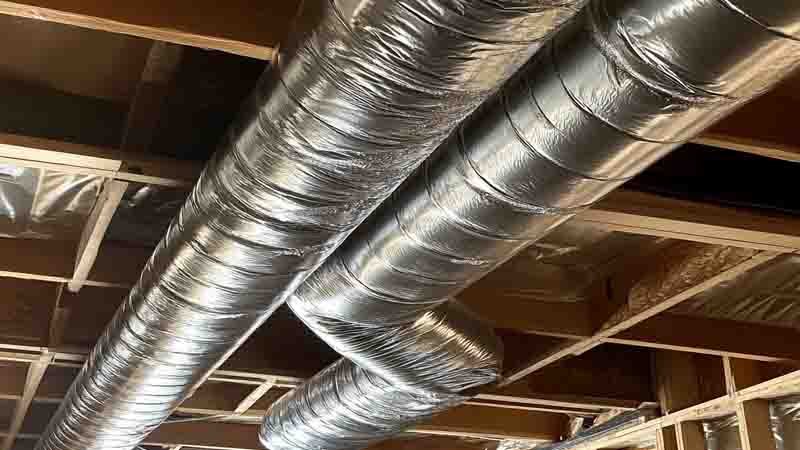
Pipe insulation is often the unsung hero when it comes to improving HVAC system efficiency. While it may not be immediately visible, it performs several vital functions that can drastically improve your system’s overall performance. Here’s how:
Reduces Heat Loss or Gain:
Whether your system is heating water or air, the pipes transporting those fluids are highly susceptible to temperature changes. Insulation acts as a barrier, preventing heat from escaping in cold weather or entering in hot weather. This means your HVAC system doesn’t have to work as hard to maintain the desired temperature, reducing energy consumption.
Prevents Condensation and Water Damage:
When cold water runs through pipes in warm, humid environments, condensation forms, which can lead to water damage, mold, and mildew. Proper pipe insulation helps prevent this, keeping your home dry and your pipes intact.
Improves Energy Efficiency:
Insulating your pipes helps reduce the load on your HVAC system. The less energy it needs to maintain temperatures, the more efficient the system becomes. This results in reduced energy costs and a smaller environmental footprint.
Extends the Lifespan of HVAC Components:
When pipes are insulated, they are less likely to experience temperature fluctuations, which can cause wear and tear over time. By reducing these stresses, the life expectancy of HVAC components such as pipes, pumps, and compressors can be extended.
Enhances System Performance and Airflow:
Insulated pipes also prevent the HVAC system from overcompensating due to energy losses, thus maintaining smooth airflow. This enhances overall system performance, ensuring the system operates optimally and without strain.
What is the Best Material for HVAC Pipe Insulation?
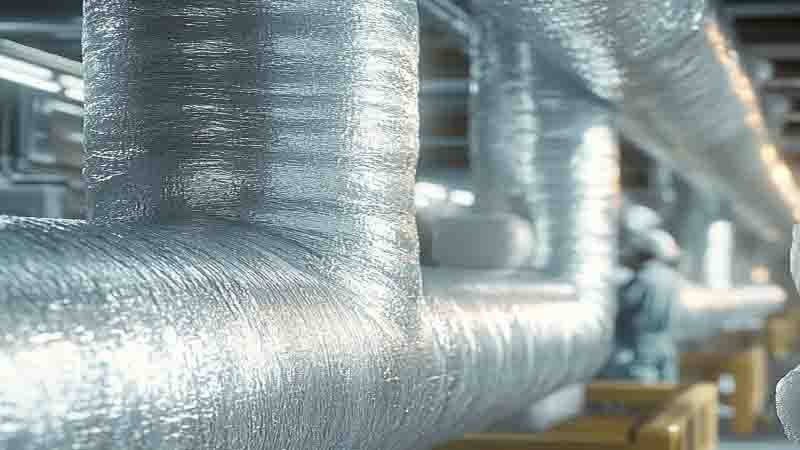
When it comes to selecting the best material for HVAC pipe insulation, there are several options available, each with its pros and cons. Let’s have a quick look at them:
Fiberglass
Fiberglass has been a staple in insulation for decades. It’s relatively inexpensive and provides good thermal insulation. However, it has some drawbacks:
- Pros: Good thermal resistance, affordable.
- Cons: It can be challenging to install, is prone to moisture absorption if not sealed properly, and can irritate the skin.
Foam Rubber
Foam rubber is commonly used for its flexibility, making it an ideal choice for odd-shaped pipes. It’s easy to install, but it doesn’t offer the same level of thermal resistance as other materials.
- Pros: Flexible, easy to install.
- Cons: Less durable over time, especially when exposed to harsh weather conditions.
Mineral Wool
Mineral wool is a great choice for fire resistance, which is why it’s often used in commercial settings. It provides excellent soundproofing and thermal insulation.
- Pros: High fire resistance, and great soundproofing.
- Cons: More expensive and heavier compared to other materials.
Polyethylene
Polyethylene foam is lightweight and easy to install, offering good thermal resistance. However, it may not be as durable in extreme conditions.
- Pros: Easy to install, effective thermal insulator.
- Cons: Can be prone to cracking in very cold temperatures.
XLPE Foam (Cross-Linked Polyethylene)
XLPE foam, however, is the material we consider the best for HVAC pipe insulation. Here’s why:
- High Thermal Resistance (R-value): XLPE foam offers exceptional thermal performance, ensuring that your HVAC system runs efficiently with minimal energy loss.
- Durability and Flexibility: It’s resistant to wear, tear, and temperature fluctuations, making it perfect for long-term use.
- Moisture Resistance: Unlike some other insulation materials, XLPE foam does not absorb water, which reduces the risk of mold or mildew growth.
- Eco-friendly and Non-toxic: It’s a safer choice for both the environment and your indoor air quality.
- Cost-Effectiveness and Ease of Installation: XLPE foam is relatively affordable, and with its flexible design, it’s easy to install on a variety of pipe sizes and shapes.
Here’s a detailed comparison of the most common options:
| Material | Thermal Resistance (R-value) | Durability | Moisture Resistance | Eco-Friendliness | Ease of Installation | Cost |
|---|---|---|---|---|---|---|
| Fiberglass | Moderate (R-2 to R-3) | Durable, but degrades with time | Can absorb moisture | Not the most eco-friendly | Moderate (requires fitting & sealing) | Low to Moderate |
| Foam Rubber | Moderate (R-3 to R-4) | Very durable and flexible | Good moisture resistance | Not highly eco-friendly | Easy to install (flexible) | Moderate |
| Mineral Wool | High (R-3 to R-4) | Very durable, fire-resistant | Good moisture resistance | Not eco-friendly (high energy consumption) | Difficult to install | High |
| Polyethylene (PE) | High (R-3 to R-5) | Durable, flexible | Excellent moisture resistance | Generally non-toxic, recyclable | Easy to install (slit tubing) | Low to Moderate |
| XLPE Foam (Cross-linked Polyethylene) | Very High (R-4 to R-5) | Very durable, flexible | Excellent moisture resistance | Highly eco-friendly, non-toxic | Easy to install (slit tubing or pre-formed shapes) | Moderate to High |
Choosing the right type of pipe insulation material takes seriously for your HVAC system. Among these options, XLPE Foam stands out as the premier choice for HVAC pipe insulation. Its superior thermal resistance, exceptional durability, moisture resistance, and eco-friendly properties make it an excellent investment. While the initial cost may be higher, it delivers outstanding performance and easy installation, offering excellent long-term value.
How to Install HVAC Pipe Insulation?
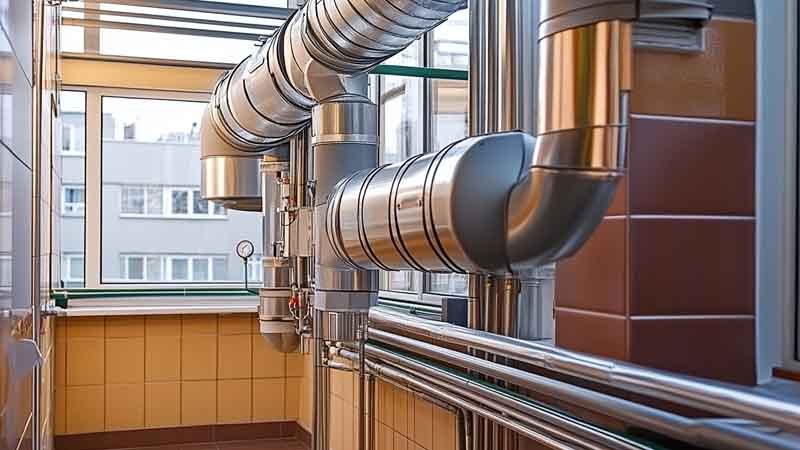
Installing HVAC pipe insulation is a straightforward process that can be done by homeowners or professionals. However, ensuring that it’s done correctly is key to maximizing efficiency.
Step 1: Measure the Pipe Length and Diameter
Before purchasing insulation, carefully measure the length and diameter of the pipes you plan to insulate. Accurate measurements ensure that you buy the right amount of insulation and avoid unnecessary wastage.
Step 2: Choose the Correct Insulation Material
We highly recommend XLPE foam for its outstanding performance. Ensure you select the right thickness and size based on the pipe’s dimensions.
Step 3: Cut the Insulation to Size
Using a utility knife, cut the insulation material to fit the length of the pipes you’re insulating. Ensure the cut is clean for a snug fit.
Step 4: Secure the Insulation Around the Pipes
Wrap the insulation around the pipes, ensuring full coverage. For XLPE foam, use adhesive or tape to secure it in place.
Step 5: Seal Seams and Joints
Use tape or adhesive to seal any seams or joints where two pieces of insulation meet. This step is critical to ensuring there are no gaps where heat or moisture can escape.
Safety Tips During Installation:
- Always wear gloves and eye protection while handling insulation materials.
- If working in tight spaces, make sure you have proper ventilation to avoid inhaling fumes.
What Mistakes Should You Avoid When Installing HVAC Pipe Insulation?
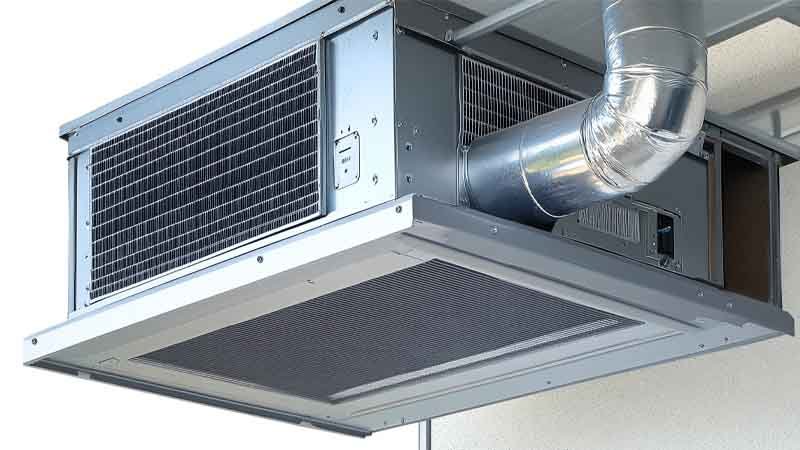
While installing pipe insulation is relatively easy, some common mistakes can undermine the effectiveness of the process:
Not Properly Sealing Seams or Joints:
Gaps in insulation allow air and moisture to infiltrate, reducing thermal resistance and potentially leading to condensation and rust.
Using the Wrong Insulation Material:
Choosing the wrong material can lead to poor performance, increased energy consumption, or even damage to the pipes over time.
Inadequate Coverage:
Ensure that every exposed pipe is covered completely. Even small gaps can cause substantial energy loss.
Rushing the Installation Process:
Take your time during installation. A rushed job can lead to poor results, affecting the efficiency of the HVAC system.
Not Following Safety Guidelines:
Insulation materials like fiberglass can irritate. Be sure to wear proper protective gear.
How to Maintain the HVAC System for a Longer Lifespan?
Once your pipes are insulated, maintaining your HVAC system is key to ensuring its longevity. Here are some tips:
Regularly Check for Leaks or Damage:
Insulation can degrade over time. Inspect for wear and tear, and replace any damaged sections as soon as possible.
Ensure Proper Airflow:
Keep pipes clean and fully insulated to maintain good airflow. This will help reduce the system’s workload.
Schedule Professional Inspections:
Regular inspections by a professional can identify issues early, preventing costly repairs down the line.
Replace Filters Periodically:
Clean filters promote better airflow and efficiency. Replace them every 1 to 3 months to maintain optimal performance.
Monitor System Performance:
Keep an eye on your system’s performance. If you notice unusual noise or temperature fluctuations, address the issue immediately.
Conclusion
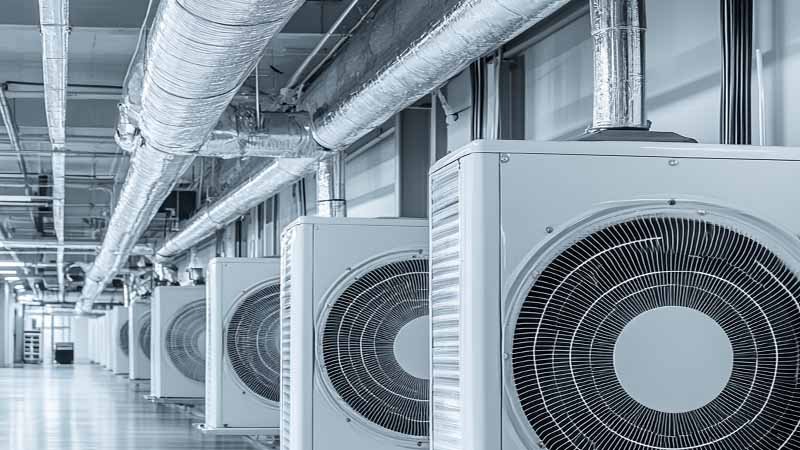
Pipe insulation plays an essential role in maintaining HVAC system efficiency, energy savings, and longevity. With the right material—XLPE foam—your HVAC system can work more effectively while reducing energy consumption and preventing costly repairs. By following proper installation techniques and
avoiding common mistakes, you can ensure that your HVAC system operates at peak performance for years to come.
FAQs
Why is pipe insulation essential for HVAC systems?
Pipe insulation is essential for HVAC systems because it helps to prevent heat loss or gain during the transport of heated or cooled fluids. This reduces energy consumption, enhances system efficiency, and prevents moisture-related issues, like condensation, that can damage pipes and surrounding areas.
How does pipe insulation save on energy costs?
Insulated pipes help maintain consistent temperatures by minimizing heat transfer, reducing the need for the HVAC system to work harder. This leads to significant energy savings by preventing heat loss in cold water pipes or heat gain in hot water pipes, lowering overall heating and cooling costs.
Can I install HVAC pipe insulation myself?
Yes, you can install HVAC pipe insulation yourself. The process is straightforward, involving measurements, selecting the right insulation material (like XLPE foam), and securing it around the pipes. However, ensure you follow proper safety protocols and installation guidelines for maximum efficiency and effectiveness.
How long does HVAC pipe insulation last?
HVAC pipe insulation, especially high-quality materials like XLPE foam, can last for decades with proper maintenance. It is resistant to moisture, wear, and environmental factors, which ensures longevity. However, regular checks for damage or degradation are recommended to ensure continued performance and efficiency.
What happens if HVAC pipes are not insulated properly?
Improperly insulated HVAC pipes can lead to significant energy losses, higher utility bills, and potential system strain. Without adequate insulation, pipes may experience temperature fluctuations, condensation buildup, and even corrosion, which can reduce system efficiency, increase maintenance needs, and shorten the lifespan of HVAC components.