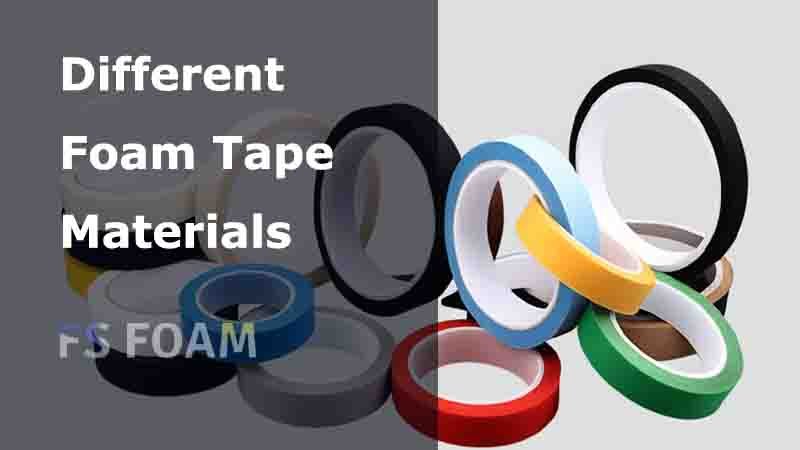
At first glance, foam tape might seem like a simple tool tucked away in a toolbox or a warehouse corner. Yet, its impact on industries—whether automotive, construction, packaging or beyond—is anything but simple. Foam tape is growing in importance, and it’s easy to see why. From bonding to sealing to insulating, its versatility and functionality have made it a go-to solution for countless applications.
In this article, we’ll dive into the specifics of foam tape: what it is, why it’s so crucial, the different types and materials, and how you can choose the right one for your needs. We’ll also walk you through the best practices for application and removal, ensuring that you can make the most of this incredibly useful material. Let’s begin.
What is Foam Tape?
Foam tape is an adhesive tape that is backed with foam, which serves a variety of purposes depending on the application. The foam itself can be made from various materials, and its adhesive properties give it the ability to bond surfaces together, seal gaps, insulate, and cushion. Foam tape is different from traditional adhesive tapes in that it incorporates foam as its main structure, providing not only a strong bond but also a unique combination of flexibility, durability, and impact absorption.
While standard tapes are designed primarily for bonding or adhering, foam tapes can be used to address a broader range of needs. They can cushion surfaces, reduce noise, seal out moisture, and protect delicate components during transportation or installation. The foam’s ability to compress and conform to uneven surfaces gives it an advantage over flat adhesives, making it an ideal choice for applications where irregularities in surface texture and shape exist.
Why Foam Tape is Important?
Foam tape isn’t just another adhesive; it’s an essential tool for many industries. Its importance lies in its unique combination of features that make it a versatile solution across many different tasks.
Flexibility
One of the most critical properties of foam tape is its flexibility. Whether you’re dealing with curved surfaces, uneven edges, or odd-shaped gaps, foam tape molds to the shape of the surface. This makes it a perfect material for use in applications like sealing, insulating, and bonding, where traditional flat tapes might struggle.
Durability
Durability is another standout feature. Foam tapes are designed to withstand a range of environmental conditions, including temperature fluctuations, humidity, and exposure to chemicals. This durability makes foam tape particularly useful in industries like automotive, where parts are exposed to harsh conditions like high heat and UV light.
Cushioning
The foam itself serves as a cushion, making it an ideal choice for applications that require shock absorption. This property is especially useful in packaging, where foam tape is used to prevent damage to sensitive or fragile items. In automotive applications, the cushioning effect can protect delicate surfaces from scratches and dents during the assembly process.
Weather Resistance
Whether it’s used in construction, outdoor signage, or vehicle assembly, weather resistance is crucial. Foam tapes made from materials like PVC, acrylic, or IXPE can withstand rain, snow, and UV exposure, ensuring that the adhesive bond remains strong even under extreme conditions.
The flexibility, durability, and cushioning properties make foam tape an indispensable material for sealing gaps, insulating, mounting, and even noise reduction. Without foam tape, many processes across various industries would be slower, less effective, or even impossible.
Common Types of Foam Tape
Foam tape comes in several variations, each suited for different types of applications. The two main categories of foam tape are single-sided and double-sided, each with distinct advantages.
Single-Sided Foam Tape
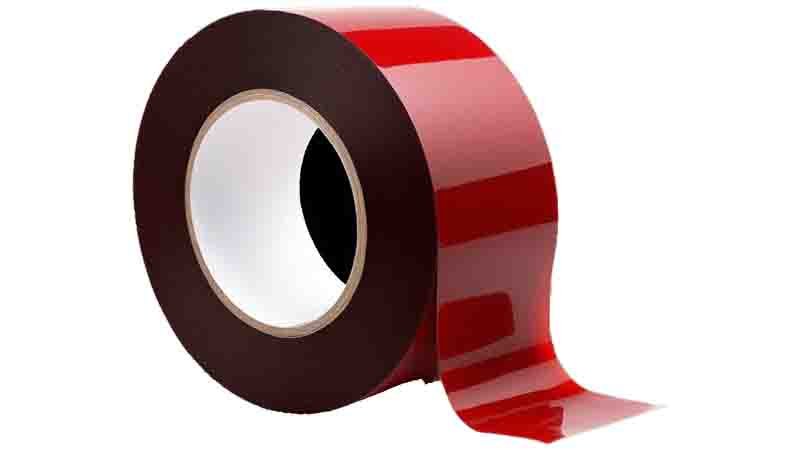
Single-sided foam tape has adhesive on only one side, with the other side being foam. This makes it perfect for tasks like masking, priming, or preventing overspray during painting or assembly. The foam’s ability to absorb excess materials, such as paint or resin, ensures that only the designated areas are coated, while surrounding surfaces remain clean.
The primary benefits of single-sided foam tape include:
- Ease of application: It’s simple to apply and remove, making it ideal for short-term applications or temporary setups.
- Flexibility: The foam can conform to uneven surfaces, ensuring a tight seal or even distribution of materials.
- Versatility: It’s commonly used in automotive applications, such as masking off edges during painting or priming processes.
Double-Sided Foam Tape
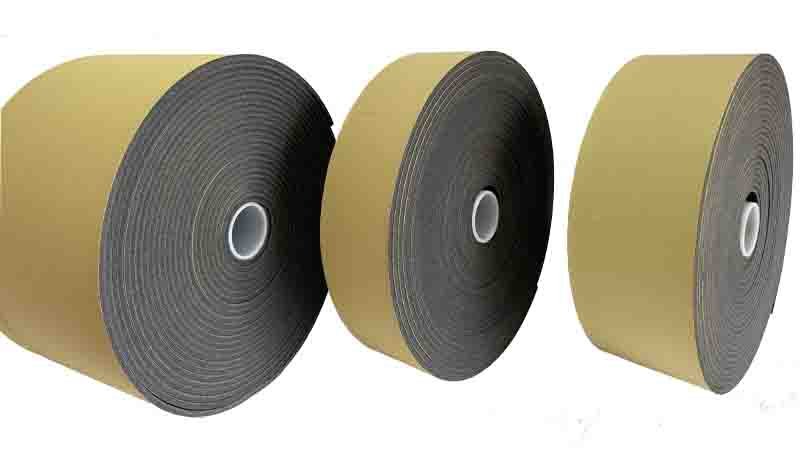
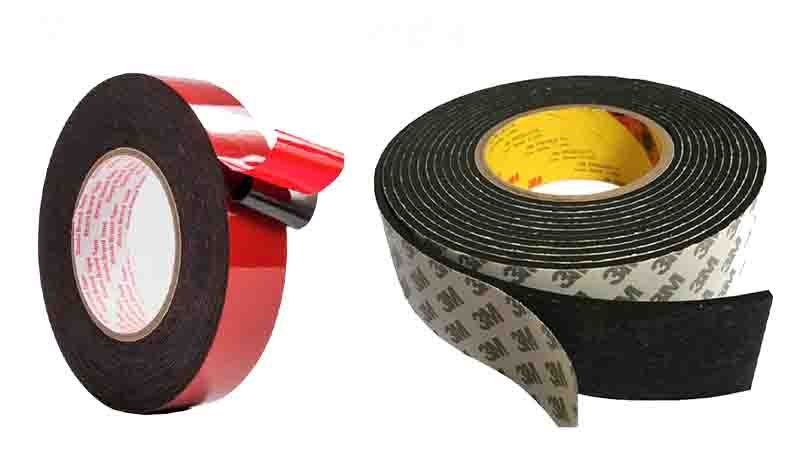
Double-sided foam tape features adhesive on both sides, enabling it to securely bond two surfaces.
This makes it an excellent choice for mounting, bonding, or sealing materials in a variety of settings. In automotive applications, for example, double-sided foam tape is often used to secure components, such as trim or weather stripping, in place.
The benefits of double-sided foam tape include:
- Stronger bond: The adhesive on both sides ensures that the bond between surfaces is strong and secure, making it ideal for permanent or semi-permanent applications.
- Greater versatility: From mounting heavy objects to sealing gaps, double-sided foam tape is versatile enough to handle a variety of tasks.
- Surface protection: It’s often used for bonding delicate components or surfaces without the risk of damage, as the foam helps distribute pressure evenly.
What Materials Are Commonly Used in Foam Tape?
The performance of foam tape depends heavily on the materials used to create the foam itself. Different types of foam offer various advantages, and selecting the right one for your application is crucial. Let’s take a closer look at some of the most common materials used in foam tape.
Polyethylene (PE) Foam Tape
Polyethylene foam is lightweight, durable, and offers excellent resistance to chemicals and moisture. This makes it ideal for applications in which sealing and mounting are crucial. For instance, PE foam tape is commonly used in packaging, automotive, and construction industries to create a reliable bond or seal between surfaces. It’s also cost-effective, which makes it a popular choice for large-scale projects.
Polyurethane Foam Tape
Polyurethane foam is known for its temperature-resistant properties, which make it well-suited for automotive applications. It can withstand the high temperatures found in automotive respraying processes, where other foam tapes might break down. Its durability and flexibility also allow it to conform to irregular surfaces, ensuring a tight, lasting seal.
PVC (Vinyl) Foam Tape
PVC foam tape is an excellent choice for applications where chemical resistance and weatherability are important. It’s commonly used in the sealing of apertures, gaps, and joints in both indoor and outdoor environments. PVC foam is particularly durable, providing a long-lasting bond that can withstand exposure to harsh elements.
Acrylic Foam Tape
Acrylic foam tape offers a unique combination of flexibility and high strength. It is often used in both automotive and construction applications to secure parts and provide a long-lasting bond. With high resistance to UV rays and extreme temperatures, acrylic foam tape can be used in both indoor and outdoor environments without losing its adhesive properties.
Silicone Foam Tape
Silicone foam tape is heat-resistant and provides a strong, consistent bond, making it suitable for heavy-duty mounting applications. It is often used in industries that require both heat resistance and flexibility, such as automotive manufacturing and electronics. While it’s not typically used for intricate masking or priming, it excels at mounting and bonding heavy materials.
IXPE (Irradiated Cross-Linked Polyethylene) Foam Tape
IXPE foam is created through a process that irradiates polyethylene foam, creating a cross-linked structure that gives it enhanced durability and performance. It is particularly valued for its ability to withstand high temperatures and resist chemicals, making it ideal for automotive and industrial sealing applications. IXPE foam tape also boasts excellent insulating properties, making it suitable for applications where thermal or acoustic insulation is required.
How to Choose the Right Foam Tape?
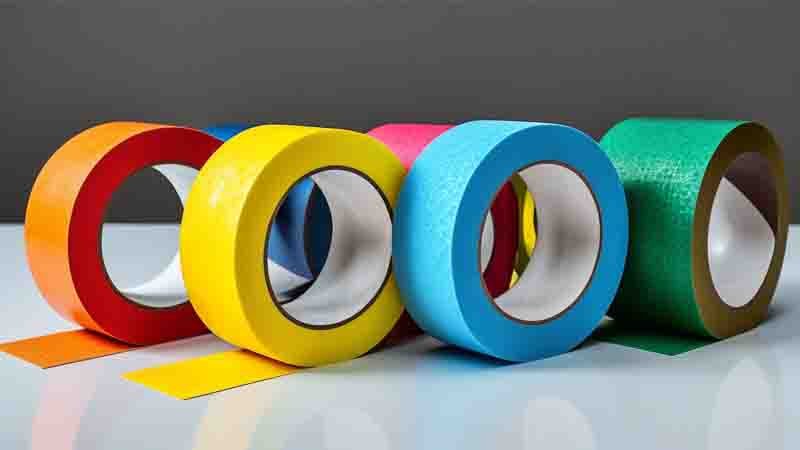
Choosing the right foam tape isn’t as simple as picking up the first roll you find. There are several factors to consider to ensure that the tape you select is the best option for your application. Here are some key points to keep in mind:
Material Compatibility
The material of the foam tape must be compatible with the surfaces you plan to apply it to. For instance, while polyethylene foam is great for sealing and mounting, applications in automotive or industrial settings may require a more temperature-resistant option, such as polyurethane or IXPE foam.
Adhesive Type
The type of adhesive on the tape also plays a significant role in its effectiveness. Rubber-based adhesives are often used for temporary applications, while acrylic and silicone adhesives are better for long-term, high-strength bonds.
Application Environment
Consider the environment in which the foam tape will be used. Will it be exposed to high temperatures, humidity, or outdoor elements? Foam tapes like acrylic, PVC, and IXPE are highly resistant to weather conditions, making them ideal for outdoor or industrial environments.
Thickness, Density, and Flexibility
The thickness of the foam tape will determine how much compression it can handle, while its density will affect its strength and durability. Flexibility is also important—if you’re working with uneven surfaces, choose a tape that can conform easily to those surfaces.
How to Remove Foam Tape?
Removing foam tape without damaging the surface it’s adhered to can be tricky, but with the right approach, it’s manageable. Here’s a step-by-step guide to help you:
- Peel the tape slowly: Start by gently pulling one corner of the tape. Try to peel it away from the surface at a slow, steady pace to avoid damaging the material underneath.
- Use heat: If the tape proves difficult to remove, apply heat using a heat gun or hairdryer. Heat softens the adhesive, making it easier to peel the tape away.
- Remove residue: Once the tape is off, there may be adhesive residue left behind. Use a solvent such as rubbing alcohol or an adhesive remover to clean the surface. Apply the solvent to a cloth and gently rub the residue away.
- Scrape carefully: For stubborn adhesive, use a plastic scraper to gently scrape off the residue. Do not use metal tools, as they might scratch the surface
Conclusion
Foam tape is much more than a simple adhesive. With its ability to bond, seal, cushion, and insulate, it is an indispensable tool in many industries. Understanding the different types, materials, and best practices for choosing and using foam tape can make all the difference in the success of your projects.
Whether you’re sealing gaps in construction, mounting components in automotive assembly, or packaging delicate items for shipment, foam tape is a versatile and reliable solution that can enhance your work. By choosing the right foam tape for your application, you’ll ensure long-lasting, secure results.
FAQs
1. What is the difference between single-sided and double-sided foam tape?
Single-sided foam tape has adhesive on one side and is used for masking or overspray prevention. Double-sided foam tape has adhesive on both sides, allowing for a stronger bond between two surfaces, making it ideal for mounting and bonding.
2. Can foam tape be used for outdoor applications?
Yes, foam tapes made with acrylic, PVC, and IXPE materials are weather-resistant and suitable for outdoor applications. These tapes can withstand exposure to rain, UV light, and temperature fluctuations.
3. How do I know what thickness of foam tape to use?
The thickness of the tape depends on the size of the gap you are sealing or the type of material you’re bonding. Thicker tapes are better for larger gaps, while thinner tapes are suitable for light-duty bonding.
4. What should I do if foam tape leaves residue after removal?
If foam tape leaves residue behind, use a solvent like rubbing alcohol or adhesive remover to clean the surface. Heat can also help loosen the adhesive for easier removal.
5. Is foam tape safe for use on delicate surfaces?
Yes, foam tape is often safe for delicate surfaces, but it’s important to choose the right type. Make sure the adhesive is gentle enough for the surface, and test on a small area first to avoid damage.