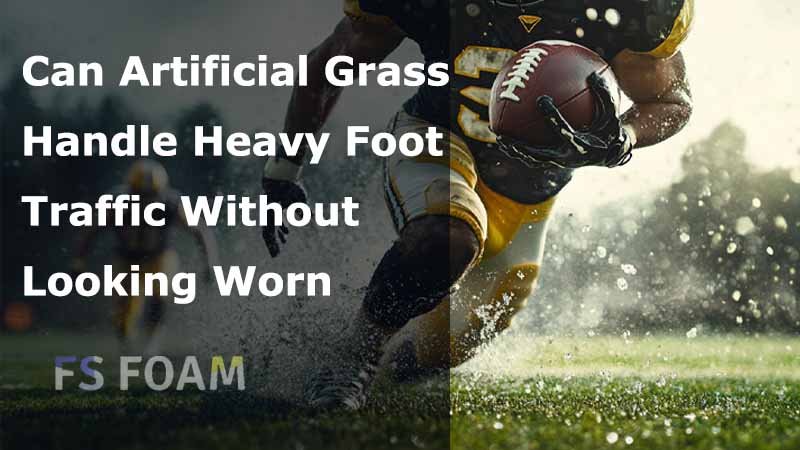
When it comes to landscaping, the benefits of artificial grass are hard to ignore. It offers a lush, green appearance all year round, requires minimal upkeep, and stands up to weather conditions in ways that natural grass simply cannot. However, one of the most common concerns when considering artificial grass—is how well it handles heavy foot traffic. Can it maintain its pristine look, or does it start to show signs of wear and tear? In this article, we’ll dive into the durability of artificial grass, the factors that affect its longevity, and offer tips for ensuring it stays looking great even in high-traffic areas.
Understanding Artificial Grass Construction
Before we dive into the specifics of durability, it’s important to understand what makes artificial grass so resilient. At its core, artificial grass is designed to withstand the elements and, in some cases, heavy foot traffic. But what gives it this ability?
Artificial grass is typically made from a blend of synthetic fibers like polyethylene, polypropylene, and sometimes nylon. Each of these materials is chosen for its ability to resist wear, UV rays, and weather conditions. Polyethylene, for example, is known for its softness, which makes it ideal for areas where people will be walking or playing. Polypropylene is often used for its strength and resistance to UV degradation, while nylon, though more expensive, provides superior durability and resilience.
The way these fibers are woven and tufted into the backing is also crucial for durability. The tuft bind—the process of securing the fibers to the backing material—plays a significant role in ensuring that the grass stays intact, even under the pressure of constant use. A high-quality tuft bind means the fibers won’t easily pull out, even with repeated foot traffic.
In addition, the backing material used in artificial grass is designed with durability in mind. High-quality turf uses a reinforced backing with UV resistance to prevent fading and deterioration from prolonged exposure to sunlight. This backing also serves as a foundation for ensuring proper drainage, allowing water to flow through without damaging the turf.
Factors Affecting Durability Under Foot Traffic
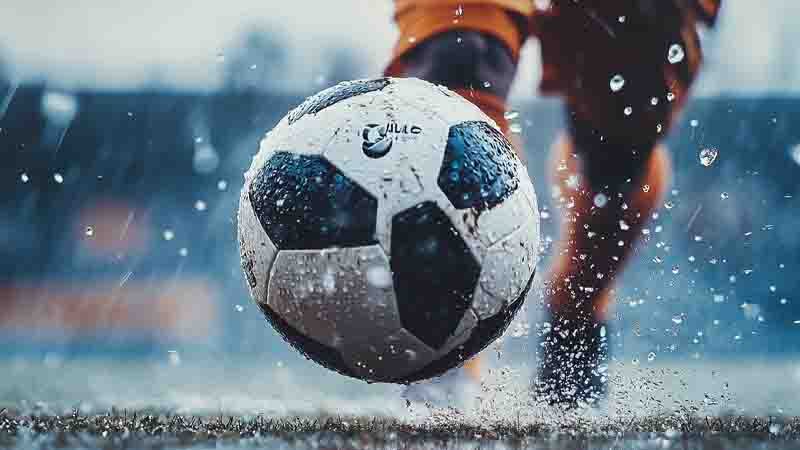
The ability of artificial grass to withstand foot traffic is influenced by a variety of factors. These range from the quality of the turf to the installation process and maintenance practices. Let’s take a closer look at some of the key elements that contribute to how well artificial grass holds up under heavy foot traffic.
Quality of the Turf
Not all artificial grass is created equal. While budget-friendly options may seem appealing, they often come with compromises in terms of durability. Higher-end artificial grass tends to use superior materials, better tuft bind, and more robust backing that helps it withstand wear and tear much better than cheaper alternatives. The fibers used in premium turf are also generally denser and longer, contributing to a more durable surface overall.
Pile Height and Density
The pile height (how tall the grass fibers are) and density (how tightly packed the fibers are) play a significant role in durability. Turf with a higher pile height looks more realistic but also tends to experience more wear over time if the fibers aren’t dense enough. Dense turf helps to cushion and protect the grass fibers from flattening or matting, providing better resistance to high foot traffic.
In high-traffic areas, dense turf with moderate pile height is typically the best choice. This combination provides a balance between a natural look and durability.
Infill Material
Infill is the material that sits between the grass fibers and supports them. This is particularly important for durability under heavy foot traffic. The infill helps to keep the grass fibers upright, mimicking the support that soil provides to natural grass. Common infill materials include sand, rubber, and organic options like coconut husk or cork. Each type of infill serves a different purpose.
For high-traffic areas, rubber infill is often recommended. It provides superior cushioning, which reduces the likelihood of the fibers being crushed or matted down under pressure. It also helps with the drainage of water, ensuring that the turf remains in optimal condition for longer periods.
Backing and Drainage
Proper drainage is essential for the longevity of artificial grass, particularly in high-traffic areas. If the turf becomes waterlogged, it can become compacted, leading to uneven surfaces and the potential for premature wear. High-quality turf often features a perforated backing designed to allow water to flow through easily, reducing the risk of pooling and compaction.
Proper installation plays a big role in ensuring that drainage is optimized. If the turf isn’t installed correctly, with an appropriate sub-base and proper sloping, foot traffic can lead to compaction, which damages the grass fibers and the overall structure.
How Foot Traffic Impacts Artificial Grass
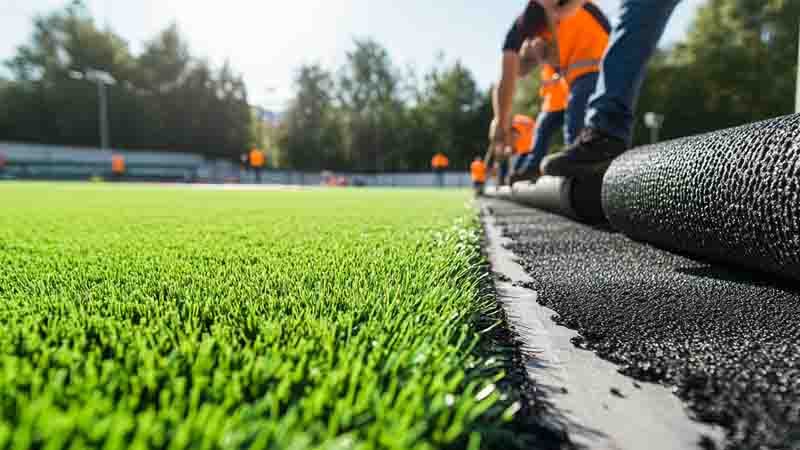
We all know that natural grass wears down in high-traffic areas—think about the worn patches in a soccer field or the bare patches on your front lawn where the kids play. The same can happen with artificial grass, but the rate at which it wears depends on several factors.
Potential Signs of Wear
When artificial grass is exposed to constant foot traffic, the most common signs of wear include flattening or matting of the fibers. While artificial grass doesn’t die or turn brown like natural grass, it can start to lose its lush, upright appearance if the fibers become too compressed.
Fading is another potential issue, though it’s less common in high-quality turf that is UV-resistant. Over time, the color may start to dull, particularly if the turf is exposed to harsh sunlight or excessive foot traffic without proper care.
Light vs. Heavy Foot Traffic
Not all foot traffic is created equal. Light foot traffic, such as occasional use in a backyard, might cause minimal wear. However, heavy foot traffic—such as that found in high-traffic commercial spaces, parks, or sports fields—will put much more strain on the fibers. The areas most affected by foot traffic are typically entryways, walkways, and spots used for sports or events.
Areas Most Affected
High-traffic areas are generally the first to show signs of wear. Whether it’s a backyard play area, a sports field, or a commercial space, the same principles apply. For example, the parts of a sports field used for drills and running will see more wear than the outer edges or less-used areas. Similarly, walkways and entrance areas in commercial spaces are prime spots for flattening and matting.
Maintenance Tips for High-Traffic Areas
To keep your artificial grass looking fresh and vibrant, regular maintenance is essential. In high-traffic areas, the stakes are even higher.
Regular Brushing and Maintenance
Brushing the turf regularly helps to keep the fibers upright, which is particularly important in high-traffic areas. A stiff-bristled broom or a power brush can help restore the fibers to their original position, preventing them from matting down over time.
Use of Infill
Adding infill to the turf can enhance both resilience and longevity. The infill helps to cushion the grass fibers, reducing the chances of them being flattened under heavy foot traffic. It also contributes to the overall drainage of the turf, which is essential for keeping it in good shape.
Spot Cleaning and Repairs
Like any surface, artificial grass can suffer from localized damage. If you notice any areas where the grass has been flattened or if there are any tears, it’s essential to address them promptly. Using turf glue or tape can help repair small tears while replacing sections of turf is necessary for more significant damage.
Proper Installation
Proper installation is key to ensuring the turf’s longevity. When installing artificial grass in high-traffic areas, make sure the base is compacted correctly, and there’s adequate drainage. Professional installation will ensure that your turf is laid out in a way that minimizes wear and maximizes lifespan.
Are There Alternatives for High-Traffic Areas?
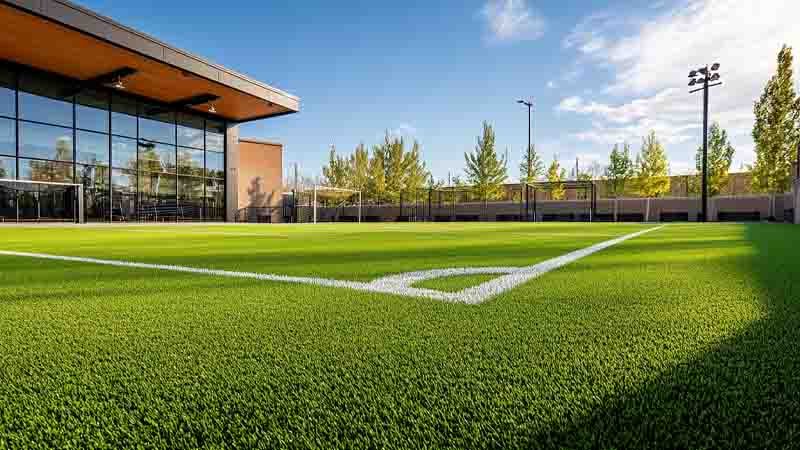
In some cases, it might make sense to reinforce the turf to better withstand high traffic. If you’re installing artificial grass in a commercial space or a sports field, additional support in the form of underlayment like XPE foam shock pads can significantly improve the turf’s lifespan. These pads provide extra cushioning, prevent compaction, and absorb the impact of foot traffic, allowing the turf to maintain its appearance for longer.
Real-World Examples
Take a look at some of the success stories of artificial grass handling heavy foot traffic. Many sports facilities, for example, use high-quality artificial grass that is designed for intense use. These fields often incorporate advanced drainage systems and infill materials to ensure durability.
In commercial spaces, artificial grass is increasingly being used for everything from park areas to outdoor event venues. The key to success in these applications is proper installation and regular maintenance, ensuring that the turf stays vibrant even with constant use.
Conclusion
Artificial grass can indeed handle heavy foot traffic, but its ability to maintain a pristine look depends on a variety of factors. The quality of the turf, the infill used, and how well the turf is installed all play critical roles in determining its durability. Regular maintenance, such as brushing and adding infill, can significantly extend the life of artificial grass, even in high-traffic areas.
For areas that are particularly prone to wear, using a quality underlayment like XPE foam shock pads can provide additional support and help the grass remain looking its best. By choosing the right materials, maintaining your turf, and understanding how foot traffic impacts it, you can ensure that your artificial grass stays beautiful and functional for years to come.
FS Foam has specialized in the manufacturing of XPE foam shock pads for over ten years. Feel free to contact us for more information or assistance.
FAQs
Can artificial grass get damaged by heavy foot traffic?
Yes, heavy foot traffic can cause artificial grass to experience flattening, matting, and fading over time, particularly in high-traffic zones. While artificial grass is durable, consistent pressure from walking, running, or playing on it can impact its appearance. Maintenance is key to minimizing these effects.
What can I do to prevent wear in high-traffic areas?
To prevent wear, regularly brush the fibers to keep them upright, use quality infill to provide cushioning and support, and consider adding XPE foam shock pads underneath the grass for extra protection. Proper installation and routine maintenance help preserve the grass’s look and prolong its lifespan.
How long does artificial grass last under heavy foot traffic?
With proper maintenance, high-quality artificial grass can last anywhere from 10 to 15 years, even in areas with heavy foot traffic. However, the durability depends on the turf’s quality, the level of care it receives, and whether it’s exposed to constant heavy use or extreme conditions.
Is there a difference between residential and commercial-grade artificial grass?
Yes, commercial-grade artificial grass is designed to be more durable and resistant to wear, making it ideal for high-traffic environments like sports fields or commercial properties. It typically features stronger fibers, denser construction, and better drainage properties compared to residential turf, offering enhanced longevity under constant use.
How do I repair damaged artificial grass?
Small tears or localized damage can be repaired with turf glue or specialized adhesive tape. For larger areas of damage, you may need to replace sections of the turf. Ensure that the grass is properly cleaned before applying repairs, and maintain regular upkeep to avoid further issues.