Fire safety is not just an option—it’s an absolute necessity. Whether it’s in construction, automotive, or packaging, the materials we use every day must undergo rigorous fire safety testing to ensure they don’t turn into hazardous fire hazards. Enter ASTM E84, a standard that analyzes a material’s surface burning characteristics in-depth. It measures how far flames can spread across a surface and how much smoke a material generates. Understanding this testing is paramount when it comes to polyethylene foam, a widely used material in various industries.
In this article, we’ll break down ASTM E84, how it applies to materials like polyethylene foam, and why it’s so critical for industries focused on fire safety. We’ll also explore how this test can significantly impact a material’s compliance with regulations and its overall safety performance.
ASTM E84 and its Importance in Fire Safety
If you’ve ever been inside a building—whether residential, commercial, or industrial—you’ve probably seen materials such as insulation, wall panels, or upholstery that play a key role in the structure’s safety. One of the major concerns for any material used in these spaces is its response to fire. ASTM E84, also known as the Standard Test Method for Surface Burning Characteristics of Building Materials, is one of the most critical tests designed to evaluate how well materials perform when exposed to flames.
This test provides essential information regarding two primary factors:
- Flame Spread Index (FSI): How quickly the flame spreads across the surface of a material.
- Smoke Developed Index (SDI): How much smoke the material produces during combustion.
Think of it as a window into the potential dangers posed by the materials in a fire scenario. Whether it’s a panel in a high-rise building or the foam in your car’s interior, understanding how materials behave under fire conditions can save lives.
What is ASTM E84?
ASTM E84 is not just a test—it’s a vital standard, shaping fire safety regulations across numerous industries. The test measures a material’s surface burning characteristics, focusing on the speed at which flames spread across the material’s surface and how much smoke is released during combustion.
The Key Metrics: FSI and SDI
The test results are presented in two key indexes:
- Flame Spread Index (FSI): This index measures how far the flame travels across the material’s surface. The lower the FSI, the slower the flame spreads. Materials with an FSI of 25 or less are considered to have good fire-resistance properties. Anything over 200 is considered highly dangerous in terms of fire spread.
- Smoke Developed Index (SDI): This measures the amount of smoke released when the material burns. Excessive smoke can impair visibility and increase toxic gas exposure, which makes the SDI a crucial factor in any material used in public or residential spaces.
To make it easier to understand: the lower these numbers, the safer the material. In the context of ASTM E84, the test isn’t just about whether a material catches fire—it’s about how it reacts once the fire starts.
How is ASTM E84 Testing Conducted?
The ASTM E84 testing method uses a carefully controlled procedure to simulate how a material would perform in a fire. It might sound simple, but there’s a high level of precision involved in every step. Let’s break it down.
The Test Setup
- Test Chamber: The material sample is placed in a 30-foot-long test chamber, specifically designed to simulate the real-world conditions of a fire. This chamber is equipped with an open flame, controlled airflow, and temperature regulation, ensuring accurate results.
- Material Sample: The material being tested must be cut into a standard size, typically 24 inches wide by 12 inches long. It is placed horizontally in the chamber with one side exposed to the flame.
- Flame Exposure: The material is subjected to an open flame that heats the sample to approximately 1,100°F (593°C). The flame is applied for a specified duration—usually 10 minutes—during which the flame spread and smoke development are continuously monitored.
Measurement and Evaluation
After the test, two key measurements are taken:
- Flame Spread Index (FSI) is recorded based on the speed at which flames move across the surface.
- Smoke Developed Index (SDI) is evaluated based on the total volume of smoke produced during the burning process.
Both indexes are measured and compared against established standards to determine how suitable the material is for fire-sensitive environments.
How Does ASTM E84 Testing Apply to Closed cell Polyethylene Foam?
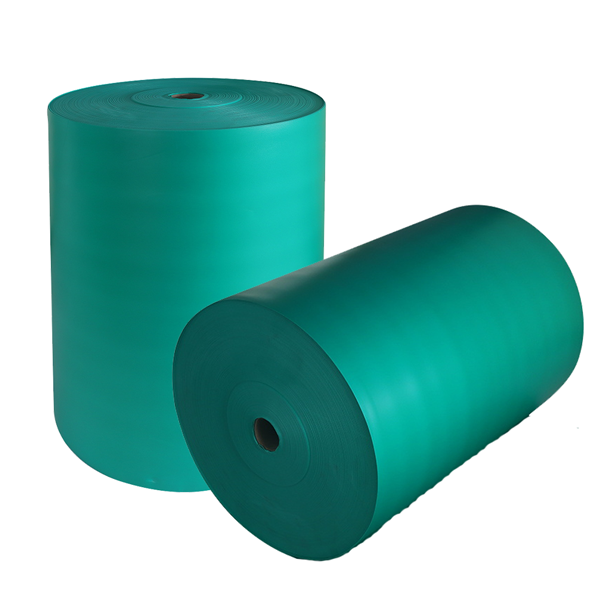
Polyethylene foam is one of the most versatile and widely used materials today. It’s found in everything from packaging to automotive interiors and even insulation. But despite its widespread use, it’s not immune to fire risks. This is why ASTM E84 testing is so critical for polyethylene foam—especially when it’s used in places where fire safety is a major concern.
Closed cell Polyethylene Foam and Its Fire Behavior
Closed cell Polyethylene Foam is generally non-flammable in its raw form, but its combustibility can increase significantly depending on its thickness, density, and any fire retardants used during manufacturing. Without proper testing, it’s nearly impossible to predict how a foam will behave under fire conditions.
When tested according to ASTM E84, polyethylene foam can show varying results:
- In some cases, untreated polyethylene foam might have a high Flame Spread Index, meaning it can catch fire and spread rapidly.
- The Smoke Developed Index might also be high, leading to excessive smoke production, which can be dangerous in confined spaces.
However, with the right formulation, polyethylene foam can be made more fire-resistant, either by modifying its composition or by adding fire-retardant chemicals.
Closed cell Polyethylene Foam in Real-World Applications
For instance, in automotive interiors, foam is used extensively in seating, dashboards, and insulation. Since vehicles are often exposed to high heat and flame conditions in accidents, ensuring the foam used is fire-resistant is non-negotiable. Likewise, in construction, foam insulation or soundproofing materials need to pass ASTM E84 testing to ensure that they don’t turn into a fire hazard.
Applications of ASTM E84 Certified Materials
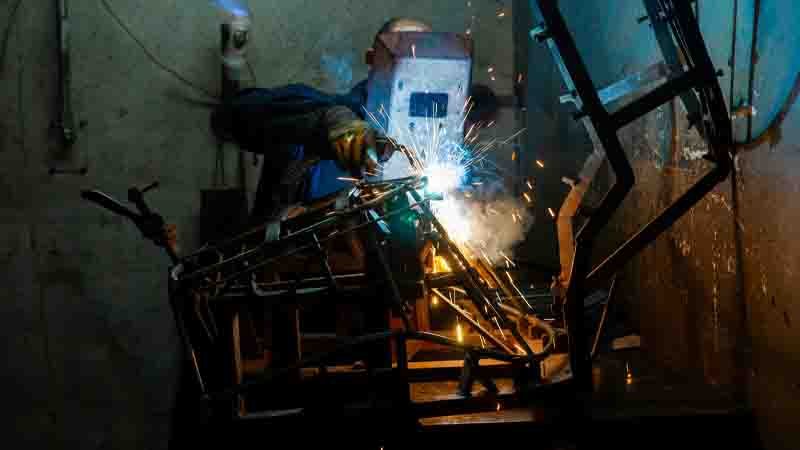
The importance of ASTM E84 certification cannot be overstated. Materials that meet the ASTM E84 standards are used in a wide array of industries. Let’s take a look at where certified materials find their place:
Construction
In construction, building materials like wall panels, ceiling tiles, and insulation must pass ASTM E84 testing to ensure they do not pose a fire hazard. These materials, which form the backbone of any building, need to meet stringent fire safety standards. Any delay in fire containment can result in catastrophic consequences, especially in large public buildings like shopping malls, schools, and hospitals.
Automotive Industry
Inside vehicles, materials used for seating, dashboard coverings, and soundproofing need to be fire-resistant. If a material used in a car doesn’t meet ASTM E84 standards, it could endanger the safety of everyone in the vehicle. With fire safety being a paramount concern in automotive manufacturing, ASTM E84 ensures that products used in car interiors meet the necessary safety thresholds.
Packaging
In packaging, especially in industries dealing with electronics or fragile goods, ASTM E84 certified materials offer reassurance that the packaging will not contribute to the spread of a fire. With the rise of e-commerce and global shipping, fire-resistant packaging can protect both the product and the end user, providing a layer of safety from potential fire hazards.
Furniture Industry
When it comes to upholstery or foam used in furniture, safety is essential. Whether it’s a sofa in your living room or office furniture, fire-resistant materials that pass ASTM E84 testing are crucial. Not only do they reduce the risk of fire spread, but they also help contain the smoke and heat, potentially saving lives.
ASTM E84 Classification: Class A, B, and C
The classification of materials based on ASTM E84 results determines the material’s suitability for specific applications. The test categorizes materials into Class A, Class B, and Class C, depending on their Flame Spread Index (FSI) and Smoke Developed Index (SDI). Here’s a quick overview:
| Class | Flame Spread Index (FSI) | Smoke Developed Index (SDI) | Description | Typical Applications |
|---|---|---|---|---|
| Class A | 0-25 | Low | Best fire-resistant materials, minimal flame spread, and smoke. | Low-risk or non-public areas, are often not recommended for critical spaces. |
| Class B | 26-75 | Moderate | Moderate fire resistance and flame spread is controlled but more than Class A. | Residential settings, less critical commercial use. |
| Class C | 76-200 | High | High flame spread and smoke generation, minimal fire resistance. | Low-risk or non-public areas are often not recommended for critical spaces. |
Class A Materials
Class A materials are the most fire-resistant and are ideal for use in high-risk, high-traffic environments like hospitals, airports, and schools. These materials are designed to slow down fire spread, ensuring that people can evacuate safely and that the damage is limited.
Class B Materials
Class B materials are suitable for less critical areas, where fire risks are lower. These might include residential buildings or certain commercial spaces that don’t
require the highest level of fire protection.
Class C Materials
Class C materials have the least fire resistance and may only be used in areas where fire safety is not a primary concern.
Applications of ASTM E84 Classifications
Now, let’s look at some examples of where each class is used. The table below breaks down typical applications for each classification:
| Class | Applications | Industries |
|---|---|---|
| Class A | High-rise buildings, hospitals, airports, schools | Construction, public spaces |
| Class B | Offices, residential buildings, retail stores | Residential, commercial |
| Class C | Low-risk areas, utility rooms, warehouses | Industrial, warehouses |
Conclusion
ASTM E84 isn’t just a regulatory requirement—it’s a cornerstone of fire safety. Whether you’re dealing with polyethylene foam, insulation materials, or any number of building and automotive products, passing ASTM E84 testing ensures that your materials won’t just meet safety standards—they’ll exceed them.
By understanding the complexities of ASTM E84 testing, manufacturers can develop safer, more fire-resistant products, ultimately protecting lives, property, and the environment from the devastating effects of fire.
FAQs
What does ASTM E84 measure in terms of fire safety?
ASTM E84 measures the surface burning characteristics of materials, focusing on the Flame Spread Index (FSI) and Smoke Developed Index (SDI), to evaluate how materials react to fire.
Can polyethylene foam pass ASTM E84 testing?
Yes, polyethylene foam can pass ASTM E84 testing, but it depends on its formulation and treatment. Some foams may require fire-retardant additives to meet safety standards.
How long does ASTM E84 testing take?
ASTM E84 testing typically takes about 10-15 minutes, during which the material is exposed to a controlled flame, and measurements of flame spread and smoke development are recorded.
What is the difference between the Flame Spread Index (FSI) and the Smoke Developed Index (SDI)?
FSI measures how far the flame spreads along the material’s surface, while SDI gauges the amount of smoke produced during combustion, both key indicators of fire safety.
What are the classifications of ASTM E84 materials?
Materials are classified into Class A (FSI 0-25), Class B (FSI 26-75), and Class C (FSI 76-200), with Class A offering the best fire safety performance.